

TL;DR:
- Mastering industry terminology enhances flavor understanding and brewing precision for coffee enthusiasts.
- Processing methods like washed, natural, and honey significantly influence a coffee's flavor profile.
- Using proper brewing standards and vocabulary allows for deeper engagement and better coffee experiences.
Most coffee lovers can name their favorite drink. Far fewer can explain why it tastes the way it does. The gap between casual drinker and true enthusiast is not about how much coffee you consume. It is about the language you use to understand it. Industry terminology is the key that unlocks flavor perception, brewing precision, and genuine conversation with the people who craft your cup. In Colorado Springs, a growing specialty coffee scene rewards those who speak the language. Whether you are brewing at home or ordering at a local café, mastering these terms will transform every sip into something more meaningful.
Table of Contents
- Core industry terminology: The foundation for coffee enthusiasts
- Processing methods: Unlocking coffee's unique flavors
- Roast levels and terminology: From light to dark
- Brewing, standards, and scoring: Terminology for true coffee aficionados
- A fresh perspective: Why true coffee mastery starts with language
- Take your knowledge further with Third Space Coffee in Colorado Springs
- Frequently asked questions
Key Takeaways
| Point | Details |
|---|---|
| Learn core coffee terms | Mastering foundational terminology enables deeper conversation and appreciation in cafés. |
| Understand processing effects | Every method from washed to honey influences acidity, sweetness, and body in your cup. |
| Roast levels impact taste | Light, medium, and dark roasts each create unique flavor profiles based on temperature and timing. |
| Brewing standards guide quality | Using SCA benchmarks ensures consistently delicious results whether at home or in a café. |
| Language empowers confidence | Coffee terminology sharpens your ability to order, taste, and connect with local experts. |
Core industry terminology: The foundation for coffee enthusiasts
Every craft has its vocabulary. In coffee, that vocabulary is not gatekeeping. It is a tool. When you understand what a term means, you stop guessing and start tasting with intention. The right words give you a framework for evaluating what is in your cup and communicating clearly with baristas who genuinely want to help you find what you love.
Let's start with four terms that form the backbone of any serious coffee conversation:
- Bloom: The initial burst of CO2 released from freshly ground coffee when hot water first contacts it. A proper bloom, usually 30 to 45 seconds, allows gases to escape so water can extract flavor evenly. Skipping it leads to uneven, often flat results.
- Channeling: When water finds the path of least resistance through an espresso puck instead of flowing evenly, you get channeling. This uneven extraction produces a shot that is simultaneously over-extracted in some spots and under-extracted in others.
- Tamping: The act of compressing ground coffee into a uniform puck before pulling an espresso shot. Consistent tamping pressure, typically around 30 pounds, is critical for even water flow.
- Brew ratio: The ratio of coffee to water used in any brewing method. A 1:15 ratio means 1 gram of coffee for every 15 grams of water. This single variable controls strength, body, and balance more than almost anything else.
Understanding core coffee terminology like these four concepts gives you the ability to diagnose problems in your own brewing and ask better questions at the counter. When you pick up whole bean coffee and read a tasting note, you will start connecting the dots between origin, process, and what ends up in your mug.
Pro Tip: Next time you visit a café in Colorado Springs, try using one of these terms in conversation. Ask your barista about their brew ratio or whether they allow a bloom. You will be surprised how quickly the conversation deepens.
Knowing what recognizing quality coffee actually looks and tastes like starts here. Vocabulary is not decoration. It is the foundation. Once you have it, everything else clicks into place faster. You can also shop coffee varieties with much more confidence when you understand what you are actually looking for.
With the basics established, let's explore how processing methods shape coffee's character.
Processing methods: Unlocking coffee's unique flavors
The way a coffee cherry is processed after harvest is one of the most powerful flavor variables in the entire supply chain. Two beans from the same farm, processed differently, can taste like completely different coffees. Understanding this is a genuine revelation for most enthusiasts.
Here is a comparison of the five most important processing methods:
| Processing method | Flavor profile | Acidity | Key characteristic |
|---|---|---|---|
| Washed (wet) | Clean, bright, floral | High | Fermented 12 to 72 hours, then washed |
| Natural (dry) | Fruity, jammy, wine-like | Low to medium | Dried whole in the fruit |
| Honey | Balanced, sweet, smooth | Medium | Partial mucilage retained during drying |
| Anaerobic | Intense, boozy, tropical | Variable | Sealed fermentation with no oxygen |
| Wet-hulled | Earthy, full-bodied, low acid | Low | Indonesian method, early parchment removal |
These processing methods are not just technical steps. They are flavor decisions made at origin. Here is how each one shapes your final cup:
- Washed coffees let the bean's intrinsic character shine. You taste the terroir clearly.
- Natural processing adds fruit-forward complexity because the bean absorbs sugars from the drying cherry.
- Honey processing is a middle ground, offering sweetness without the full intensity of naturals.
- Anaerobic fermentation is experimental and polarizing. Some find it thrilling. Others find it overwhelming.
- Wet-hulled beans, common in Sumatra, produce the heavy, earthy cups many dark roast fans love.
Washed coffees offer clarity and brightness, letting origin speak directly. Natural coffees deliver body, sweetness, and complexity that can feel almost like fruit juice. Neither is better. They are simply different conversations.
When you browse specialty drink offerings, you can now ask which process was used and understand exactly how it shapes what you taste. You can also explore processing methods further to build an even richer picture of how origin and technique interact.
Knowing how beans are processed, the next step is understanding what roast levels mean for taste and terminology.
Roast levels and terminology: From light to dark
Roasting is where raw potential becomes drinkable reality. But roast level is one of the most misunderstood variables in coffee. Many people assume darker means stronger or better. In specialty coffee, that assumption gets complicated fast.
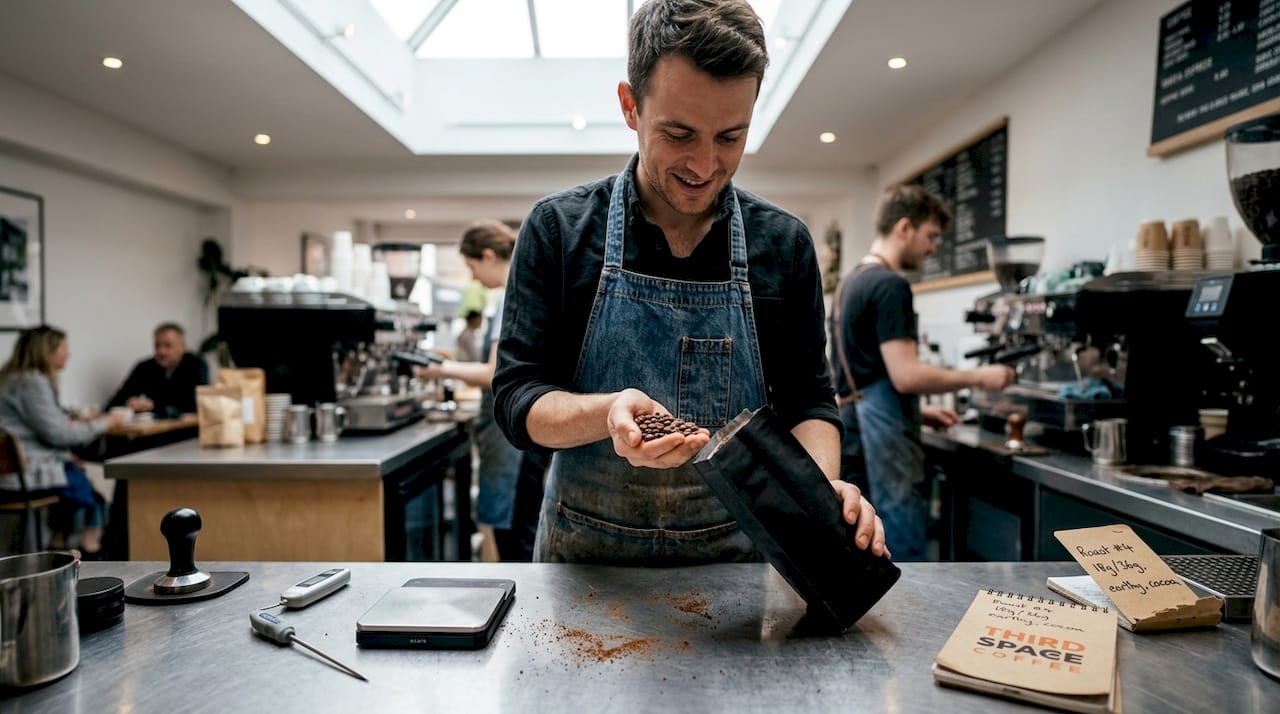
Here is a breakdown of roast levels and what they actually mean for flavor:
| Roast level | Flavor notes | Acidity | Body |
|---|---|---|---|
| Light | Floral, fruity, tea-like | High | Light |
| Medium | Balanced, nutty, caramel | Medium | Medium |
| Dark | Smoky, bitter, chocolatey | Low | Heavy |
The science behind this is fascinating. During roasting, coffee goes through two key stages called first and second crack. First crack occurs around 196 degrees Celsius and marks the beginning of light roast territory. Second crack, around 224 degrees Celsius, is where dark roasts develop their signature oils and smoky character.
Here are the roast descriptors you will encounter most often and what they actually signal:
- Cinnamon roast: Very light, often underdeveloped, high acidity
- City roast: Classic medium, balanced and approachable
- Full city: Medium-dark, slight oil on surface, richer body
- French roast: Dark and oily, bold and smoky
- Italian roast: The darkest, nearly all origin character is gone
Pro Tip: When ordering at a Colorado Springs café, ask the barista which roast level they recommend for your preferred flavor profile. If you love bright, fruity notes, ask for a light roast single origin. If you want something bold and comforting, a dark roast drink like a cappuccino might be your match. For something in between, a medium roast latte offers balance without extremes.
Roasting also changes the aromatic compounds in coffee dramatically. Light roasts retain more of the delicate, volatile aromatics that give specialty coffee its complexity. Dark roasts develop new compounds through caramelization and pyrolysis, which is why they taste so different from the raw bean's origin character.
Now let's move from the bean itself to brewing, where technique and terminology intersect.
Brewing, standards, and scoring: Terminology for true coffee aficionados
Once you understand origin and roast, the final frontier is brewing science. This is where organizations like the Specialty Coffee Association (SCA) come in. The SCA has established globally recognized standards that define what excellent coffee actually looks like in measurable terms.
Here are the key terms from the SCA Golden Cup Standard every enthusiast should know:
- Brew ratio: Optimal range is 1:15 to 1:18, or 55 grams of coffee per liter of water
- TDS (Total Dissolved Solids): The percentage of dissolved coffee compounds in your cup, ideally 1.15 to 1.35 percent
- Extraction yield: The percentage of coffee mass actually dissolved during brewing, with 18 to 22 percent considered ideal
- Water temperature: 90 to 96 degrees Celsius (195 to 205 degrees Fahrenheit) for optimal extraction
- Water hardness: Between 75 and 250 parts per million for best results
These numbers are not arbitrary. They represent decades of research into what produces the most balanced, flavorful cup. When a brew falls outside these ranges, you can identify it by taste. Under-extracted coffee tastes sour and thin. Over-extracted coffee tastes bitter and harsh.
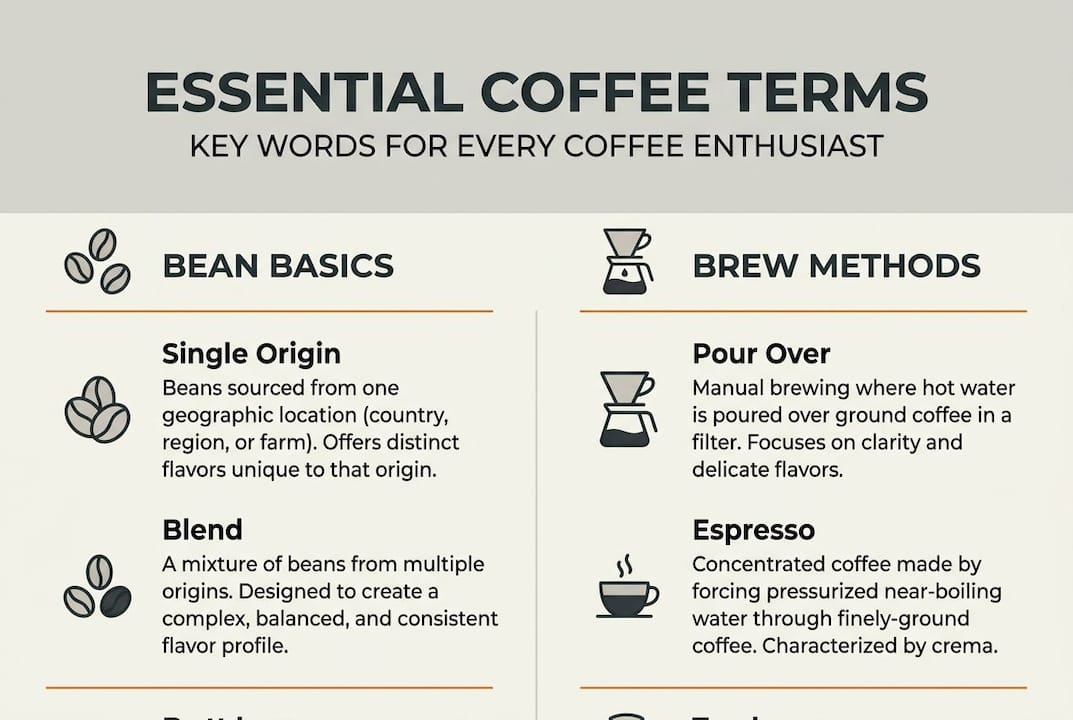
Here is a quick reference for how these standards connect to your brewing experience:
| Standard | Ideal range | What happens outside it |
|---|---|---|
| Brew ratio | 1:15 to 1:18 | Too strong or too weak |
| Extraction yield | 18 to 22 percent | Sour (low) or bitter (high) |
| TDS | 1.15 to 1.35 percent | Watery or overpowering |
| Water temp | 90 to 96°C | Flat (low) or harsh (high) |
Scoring is another layer of the specialty coffee world worth understanding. Specialty coffee earns its designation by scoring 80 or more points on a 100-point scale. Trained Q-graders evaluate fragrance, flavor, aftertaste, acidity, body, balance, uniformity, clean cup, sweetness, and an overall impression. A score of 90 or above is considered exceptional and rare.
Water chemistry also plays a surprisingly large role. Mineral content affects how efficiently compounds extract from the grounds. Even the best beans brewed with poor water will underperform. If you are serious about home brewing, testing your water is a worthwhile step. For a different brewing experience, cold brew standards follow their own set of parameters worth exploring.
With these terms demystified, you can engage Colorado Springs cafés and roasters with real confidence.
A fresh perspective: Why true coffee mastery starts with language
Here is something most coffee content will not tell you: the terminology is not just for professionals. It is the fastest path to genuine connection in coffee culture. When you walk into a café and ask about extraction yield or processing method, you are not showing off. You are signaling that you care, and that opens doors.
We have seen this firsthand at Third Space Coffee. Customers who engage with the language get more from every visit. Baristas go deeper. Conversations become collaborations. The cup in your hand becomes something you helped shape through informed dialogue.
The uncomfortable truth is that most enthusiasts plateau because they never invest in vocabulary. They taste the same things, order the same drinks, and miss the nuance sitting right in front of them. Learning two new terms and using them on your next visit is not a small thing. It is a genuine shift in how you experience coffee.
Pro Tip: Challenge yourself to use two new industry terms on your next café visit. Ask about specialty drinks and what processing method the featured bean uses. You will taste the difference when you know what to look for.
Take your knowledge further with Third Space Coffee in Colorado Springs
You now have a working vocabulary that most coffee drinkers never develop. The next step is putting it to use in a place that rewards curiosity.

At Third Space Coffee in Colorado Springs, our baristas are passionate about this stuff. Whether you want to explore our specialty drinks menu, experiment with a new whole bean coffee selection roasted right here in-house, or simply try a well-dialed classic drip coffee and talk through what you taste, we are here for that conversation. Come in with your new vocabulary and let's see where it takes us.
Frequently asked questions
What is the 'bloom' in coffee brewing?
The bloom refers to the initial release of CO2 from freshly ground coffee when hot water is first poured over it. Allowing this CO2 release to complete before continuing the pour improves even extraction and enhances overall flavor.
How does processing method affect coffee flavor?
Processing methods directly shape a coffee's acidity, sweetness, and body by changing how the fruit is removed and how long the bean ferments. A washed coffee tends to taste clean and bright, while a natural-processed coffee delivers more fruit and body.
What is the SCA Golden Cup Standard?
The SCA Golden Cup Standard defines the optimal parameters for brewing coffee, including a 1:15 to 1:18 coffee-to-water ratio, extraction yield of 18 to 22 percent, and water temperature between 90 and 96 degrees Celsius. It is the benchmark used by specialty coffee professionals worldwide.
How are specialty coffees scored?
Specialty coffees must earn 80 or more points on a 100-point scale evaluated by trained Q-graders. The score reflects fragrance, flavor, acidity, body, balance, and several other attributes assessed during a formal cupping session.
What is 'channeling' in espresso preparation?
Channeling happens when water moves unevenly through the espresso puck during extraction, creating inconsistent flavor in the shot. Proper tamping and distribution of grounds before pulling the shot are the main ways to prevent it.