
TL;DR:
- Coffee has historically served as a social hub promoting real relationships and shared ideas.
- Colorado Springs has a dense, diverse coffee scene that functions as vital 'third places' for community.
- Intentional coffee gatherings with variety and purpose foster genuine connection and community support.
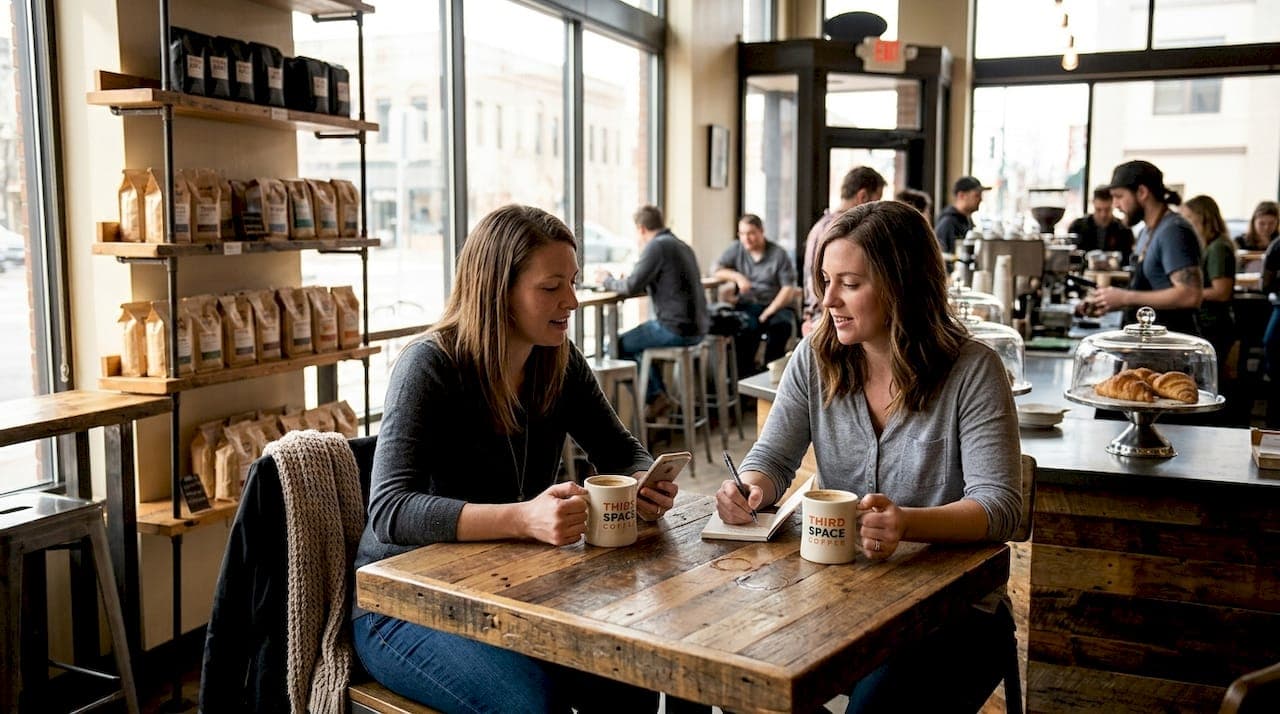
Coffee is just a drink. Right? That assumption gets challenged the moment you walk into a buzzing coffeehouse on a Saturday morning and notice something remarkable: strangers laughing at adjacent tables, friends leaning in for long conversations, and small groups turning casual catch-ups into something that feels genuinely meaningful. In Colorado Springs, coffee has always punched above its weight as a social tool. It sets the mood, lowers the guard, and gives people a reason to show up. This piece explores how coffee became the backbone of community gatherings, why Colorado Springs is a particularly fertile ground for coffee culture, and how you can use that knowledge to plan your next unforgettable event.
Table of Contents
- The origins of coffee's social role
- Coffeehouses as 'third places' in Colorado Springs
- How coffee ignites connection and conversation
- Coffee's role in planning memorable gatherings
- Why intentional coffee gatherings matter more than ever
- Elevate your social gatherings with Third Space Coffee
- Frequently asked questions
Key Takeaways
| Point | Details |
|---|---|
| Coffee shapes connections | Coffee has been a centerpiece of social interaction from historic roots to modern gatherings. |
| Third places matter | Coffeehouses in Colorado Springs provide essential spaces for community and belonging. |
| Venue choice boosts gatherings | Selecting the right spot and coffee options turns ordinary meetups into memorable experiences. |
| Intention drives community | Purposeful coffee meetups foster deeper connections in an increasingly digital age. |
The origins of coffee's social role
To understand why coffee matters at gatherings today, you have to go back about six centuries. Long before specialty lattes and single-origin pour-overs existed, coffee was already doing its most important job: pulling people together.
"Coffee houses originated as social hubs in the 15th century Middle East, known as 'Schools of the Wise' for intellectual exchange, music, games, and news sharing over coffee." — coffeeandhealth.org
Think about what that means. These were not cafes in the modern sense. They were the internet, the newspaper, the town hall, and the debate club all rolled into one room. People gathered not because they were bored but because coffee houses were social hubs where real information moved, real ideas were tested, and real relationships were built.
That tradition did not disappear. It evolved. The same instincts that drew a merchant in 15th century Istanbul to a coffeehouse draw a freelancer in Colorado Springs to their favorite local spot today. The beverage anchors the ritual. The ritual anchors the relationship.
Here is what those early coffeehouses got right that we can still learn from:
- Neutral ground: No one owned the space. Everyone had an equal claim to the table.
- Low entry cost: A cup of coffee was all you needed to participate.
- Structured informality: There were unspoken rules that kept things civil without making them stiff.
- Diverse attendance: Merchants, scholars, artists, and politicians all showed up.
- Sustained presence: People stayed long enough for real conversations to develop.
Modern gatherings echo these same principles, whether the hosts realize it or not. When you pick a coffeehouse for a meeting instead of a conference room, you are tapping into a centuries-old social technology. The cup in your hand is almost secondary. What matters is the environment it creates and the conversations it unlocks.
Coffeehouses as 'third places' in Colorado Springs
Sociologist Ray Oldenburg introduced the concept of the "third place," meaning any location that is not home (first place) or work (second place). Third places are where community actually happens. Coffeehouses serve as 'third places', neutral spaces between home and work for community building, casual interaction, and idea exchange, fostering social networks and reducing isolation.
Colorado Springs takes this seriously. The city ranks among top coffee cities in the US, with over 20 shops per 100,000 residents nearby. That density matters because it means there is almost always a good third place within reach, regardless of which neighborhood you call home.
Local venues each bring a distinct energy:
| Venue | Best for | Atmosphere |
|---|---|---|
| Third Space Coffee | Events, gatherings, quality brews | Warm, community-focused |
| Loyal Coffee | Specialty enthusiasts | Minimalist, focused |
| Humble Coffee | Quick meets, drive-thru | Fast, casual |
| Best Coffee Lounge | Extended conversations | Relaxed, firepit setting |
If you care about supporting local roasters and want a space that reflects that commitment, the local scene here rewards loyalty. Colorado Springs coffee enthusiasts tend to be discerning, which means the shops that stick around have earned their place.
Pro Tip: Before you book or gather at any venue, visit once on your own. Sit for 30 minutes and observe. Is the noise level comfortable for conversation? Does the staff make people feel welcome? Does the layout allow for groups without feeling cramped? A quick solo visit tells you everything a website description cannot.
For those who want to start simply, even ordering a bag of classic drip coffee from a local roaster to share at your next gathering is a small act that signals intention and quality to your guests.
How coffee ignites connection and conversation
Coffee does not just taste good. It actively changes the social chemistry of a room. Here is why that matters for anyone planning a gathering.
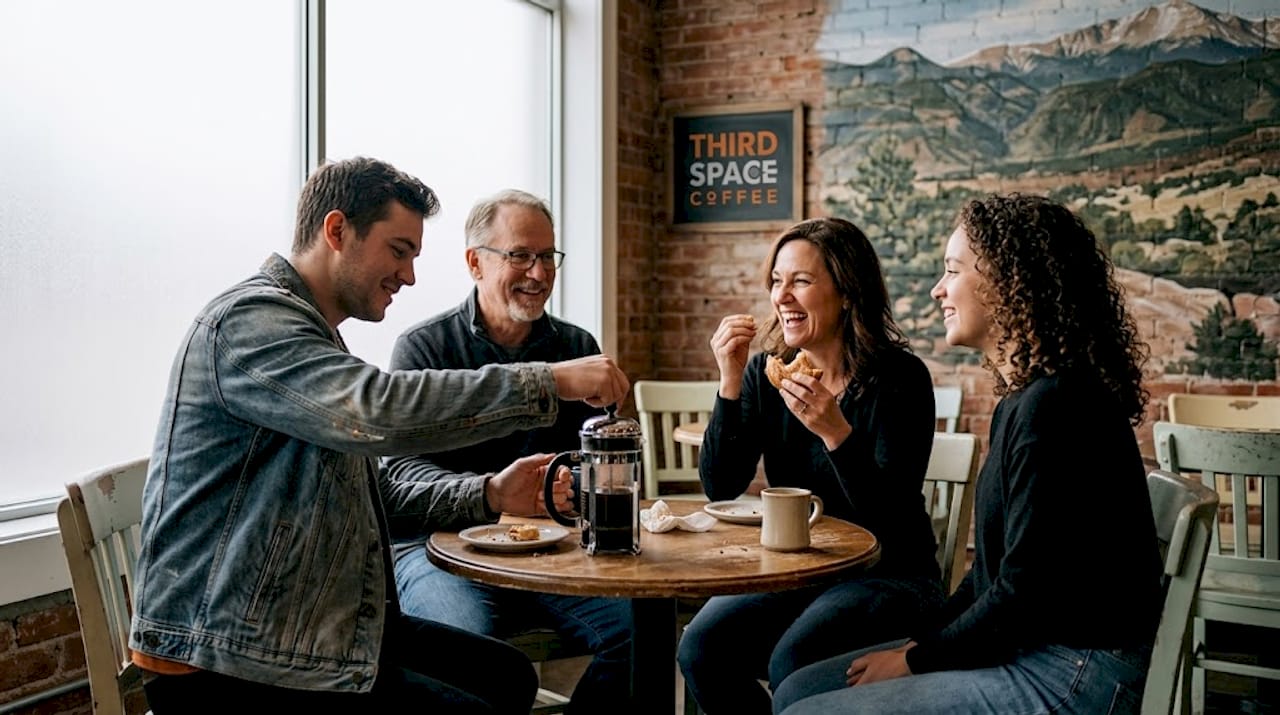
Caffeine enhances alertness and lifts mood within 15 to 45 minutes of consumption. That biochemical shift creates a room full of people who are more receptive, more talkative, and more likely to engage with ideas and each other. Coffee facilitates unplanned interactions through caffeine's mood boost and the ritualistic nature of its serving, which builds trust and shared norms within a group.
The ritual itself is underrated. Consider what happens when coffee is served at a gathering:
- People pause their phones to hold a warm cup.
- Conversation starters appear naturally as guests discuss preferences, flavors, or origins.
- Ordering or preparing together creates a shared micro-experience that bonds people.
- The warmth of the cup triggers a physical comfort response, making people feel safer and more open.
- Sipping slows speech just enough to encourage listening rather than just talking.
There is also a quality dimension worth paying attention to. When you explore the origins of specialty brews, you realize that bean variety, roast level, and brewing method can all become conversation topics in themselves. Offering a range of options, from bold espresso to lighter single origins, gives guests something to explore together. Pair that with access to whole bean options they can take home, and you have turned a social event into a memorable sensory experience.
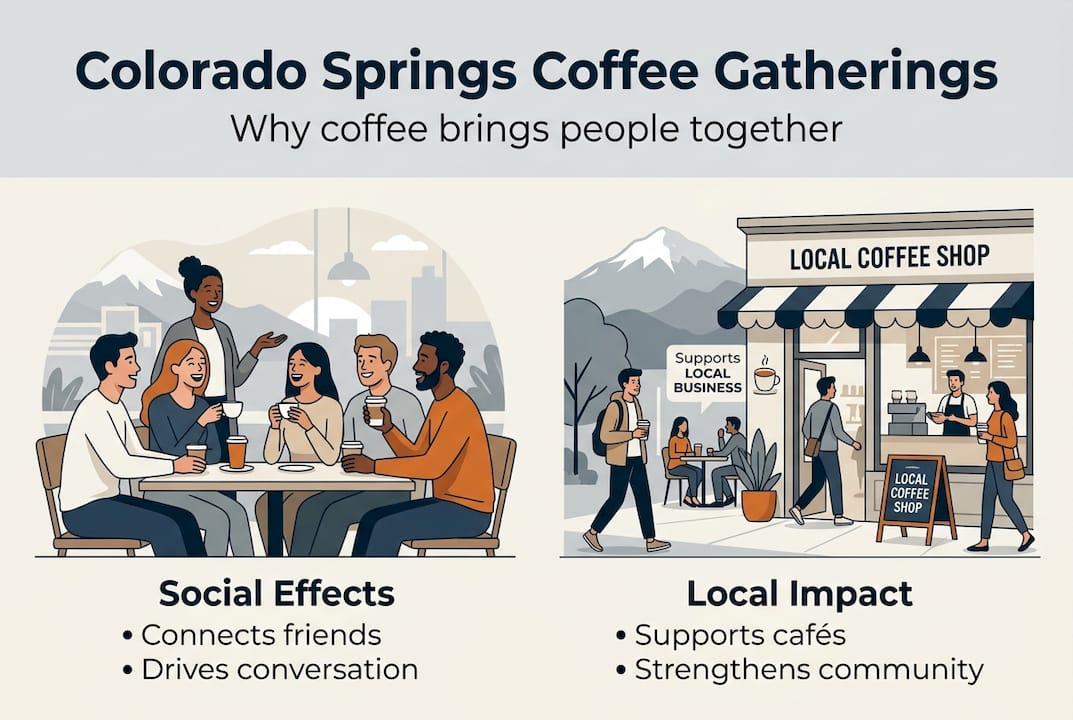
On the debate between independent shops and chain cafes: chains offer consistency, which matters when you need predictability. But independents offer character, surprise, and the kind of coffee tasting experiences that generate real conversation. For gatherings where connection is the goal, independent venues almost always win.
Coffee's role in planning memorable gatherings
Understanding coffee's connective power is one thing. Using it intentionally is another. Here is how to put it into practice for your next Colorado Springs event.
Start with venue fit. A quick weekday meetup for four people needs a different setting than a Saturday evening birthday gathering for twenty. Venues like Third Space Coffee or Loyal support quality brews that foster connections, while drive-thru spots like Humble work for quick meets and lounges like Best Coffee extend the evening with firepits and a relaxed pace. Match the venue energy to your group's intention.
Next, think about menu variety. A gathering that only offers plain black coffee will lose guests who are not coffee purists. A spread that includes espresso drinks, pour-overs, specialty seasonal options, and even a few food pairings signals that you thought about everyone. Menu variety lowers the social barrier for guests who might not be deep coffee lovers but still want to participate.
Here is a simple planning sequence to follow:
- Set the intention for the event (casual, celebratory, professional).
- Choose a venue that matches that intention and has flexible seating.
- Schedule thoughtfully — mid-morning (9 to 11 AM) hits the sweet spot for alertness and availability.
- Plan a coffee-centered activity, such as a tasting flight or a brewing demonstration.
- Send clear, warm invitations that mention the coffee focus so guests arrive curious.
- Have a conversation starter ready linked to the venue or beans being served.
Pro Tip: Partner with a local roaster for a curated tasting experience at your event. Guests learn to identify flavor notes, compare origins, and develop opinions, all of which generates natural, lively conversation without forced icebreakers. Check out what coffee culture in the city looks like to understand what resonates most with local guests.
Why intentional coffee gatherings matter more than ever
Here is something most social planning advice skips over: the format of the gathering matters as much as the occasion itself. We live in a moment when digital connection is effortless and in-person connection feels increasingly optional. That shift has costs. Loneliness is rising, community ties are fraying, and many people have dozens of online acquaintances but very few people they would call in a crisis.
The antidote is not a grand gesture. It is a repeated, low-pressure ritual. Coffee gatherings are perfect for this because they require minimal commitment, carry no social hierarchy, and reward consistency. When you show up at the same spot with the same people week after week, something real builds. Trust, comfort, and the kind of shorthand that only comes from shared time.
Supporting local coffee culture also feeds something larger than the individual event. Every dollar spent at a local roaster or independent venue stays in the community, funds local jobs, and keeps a third place alive for the next gathering. That is not a small thing. It is the infrastructure of social life, maintained one cup at a time.
The people who build the richest social lives are not the ones who wait for big occasions. They are the ones who create small, consistent reasons to gather.
Elevate your social gatherings with Third Space Coffee
If you are ready to turn your next Colorado Springs gathering into something people actually remember, Third Space Coffee is built for exactly that. The space is designed to hold both quick catch-ups and long, layered conversations with equal ease.

Explore the full menu of specialty drinks to find options that will excite every guest at your table, from espresso devotees to first-time specialty coffee drinkers. Take the experience home with a bag of whole bean options, roasted in-house and ready to spark the next conversation. Whether you are planning an intimate birthday gathering or a larger community event, visit Third Space Coffee and see why it has become a cornerstone of social life in Colorado Springs.
Frequently asked questions
Why do coffee shops in Colorado Springs attract social gatherings?
Coffeehouses serve as 'third places', neutral spaces for community and interaction, making them naturally welcoming for groups who want connection without the formality of a traditional event venue.
Which Colorado Springs coffee venues are best for group events?
Venues like Third Space Coffee, Loyal, Humble, and Best Coffee support gatherings across group sizes and formats, from fast drive-thru meetups to extended firepit evenings.
How does coffee enhance social interaction?
Coffee facilitates unplanned interactions through mood-boosting caffeine and the shared ritual of ordering and serving, which naturally reduces social barriers and encourages open conversation.
What are simple ways to make a coffee event memorable?
Choose a venue with personality, offer a range of specialty drinks, and feature local roaster experiences like tasting flights to give guests something to explore and talk about together.