
TL;DR:
- Coffee drinks typically fall into three main categories: pure espresso, espresso with milk, and iced or chilled beverages.
- Understanding the differences in strength, texture, and flavor helps in choosing the right drink for each moment.
- Community events and expert guidance can enhance your coffee experience and help you discover new favorite drinks.
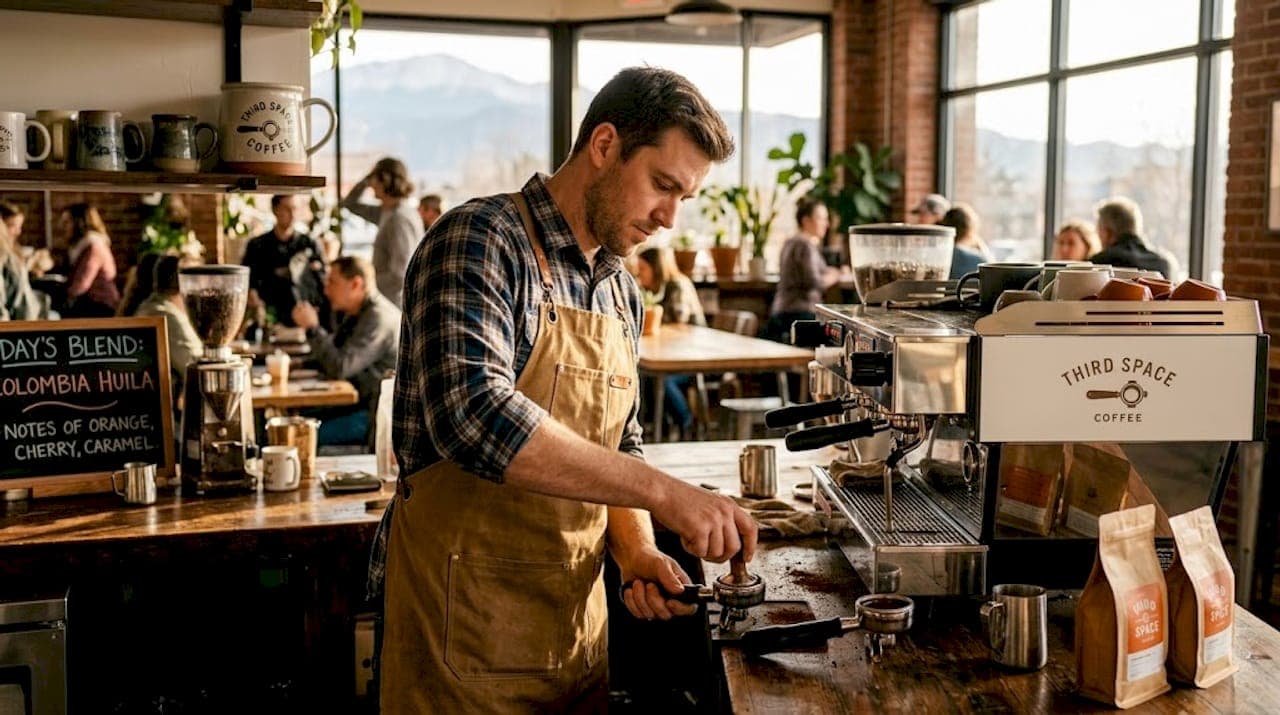
Walking into a Colorado Springs coffee shop can feel overwhelming when the menu stretches across an entire wall. Espresso, cold brew, cortado, flat white, affogato — the options multiply fast, and choosing blindly often means missing your new favorite drink. The good news is that nearly every coffee drink fits into one of three core categories, and once you understand that structure, the menu stops feeling like a puzzle. This guide maps out the full landscape of coffee drinks, explains what makes each one distinct, and connects you to the community events and local spots where you can explore them firsthand.
Table of Contents
- Understanding coffee drink categories
- Espresso-based classics
- Milk-enhanced and specialty options
- Chilled, iced, and brew innovations
- Coffee drinks in local community gatherings
- A fresh take: The right drink for the right moment
- Explore new coffee drinks at Third Space Coffee
- Frequently asked questions
Key Takeaways
| Point | Details |
|---|---|
| Use drink categories | Knowing coffee drink taxonomy helps match menu options to your taste. |
| Try espresso classics | Espresso-based drinks offer bold flavors and café standards like lattes and cappuccinos. |
| Explore specialty variations | Milk and ingredient variations spice up menus with mochas, affogatos, and local specialties. |
| Chilled drinks, different experience | Cold brew and iced coffee deliver distinct flavor profiles, especially in warmer months. |
| Community gatherings matter | Local coffee events create opportunities to sample new drinks and meet fellow enthusiasts. |
Understanding coffee drink categories
Before ordering anything, it helps to think of coffee drinks in three broad groups: pure espresso drinks, espresso plus milk drinks, and chilled or iced drinks. This simple framework turns a 40-item menu into something you can actually navigate in under a minute.
Common coffee drinks include espresso-based options like Americanos, macchiatos, cortados, flat whites, lattes, and cappuccinos, alongside iced and drip categories like black coffee, iced coffee, and cold brew. That covers the vast majority of what you'll see on any Colorado Springs menu. A broader list of coffee drinks also includes dozens of regional and named espresso and milk variations from around the world, but the three-category model handles most of them.
Here's how the core categories break down:
| Category | Core method | Flavor profile | Best for |
|---|---|---|---|
| Pure espresso | Espresso only or diluted with water | Bold, concentrated, intense | Espresso lovers, black coffee fans |
| Espresso and milk | Espresso with steamed or frothed milk | Creamy, balanced, sometimes sweet | Everyday drinkers, latte lovers |
| Chilled and iced | Cold brew, iced espresso, or iced drip | Smooth, refreshing, less bitter | Warm days, afternoon sipping |
Within those three buckets, every drink has its own personality. Key distinctions include:
- Strength: Pure espresso drinks deliver the most caffeine per ounce.
- Texture: Milk-based drinks range from silky (latte) to airy (cappuccino).
- Temperature: Cold brew and iced options offer lower acidity and a smoother body.
- Sweetness: Specialty drinks often include syrups, chocolate, or flavored additions.
If you're new to specialty coffee, starting with drip coffee is a solid entry point. It's familiar, consistent, and a great baseline for comparing other drinks. And if you want to sharpen your palate before experimenting, a coffee tasting in Colorado Springs can help you identify flavors and build real confidence at the counter.
Espresso-based classics
Now that you know the core categories, let's go deeper into espresso drinks — the backbone of most coffee menus. These drinks all start with one or two shots of espresso pulled under high pressure, but what happens next defines the experience entirely.
Espresso-based drinks like the Americano, macchiato, cortado, flat white, latte, and cappuccino each have a distinct ratio of espresso, milk, and foam. Here's what separates them:
- Espresso: A 1-2 oz shot, pure and concentrated. The foundation of everything.
- Americano: Espresso diluted with hot water. Similar strength to drip coffee but with espresso's oilier body.
- Macchiato: A single shot "marked" with a small amount of steamed milk or foam. Small, bold, and only slightly softened.
- Cortado: Equal parts espresso and steamed milk. No foam. Balanced and clean, with neither the milk nor the espresso overwhelming the other.
- Flat white: More espresso-forward than a latte but with velvety microfoam. Originated in Australia and New Zealand, popular in specialty shops.
- Latte: Espresso with a generous pour of steamed milk and a thin layer of foam. Smooth, approachable, and easy to flavor with syrups.
- Cappuccino: Equal thirds espresso, steamed milk, and thick foam. Rich and textured, with a more prominent foam layer than a latte.
A cappuccino and a latte might look similar in a cup, but the foam-to-milk ratio changes the entire experience. The cappuccino feels lighter and drier on the palate; the latte feels heavier and silkier. Those are real differences worth knowing before you order.
Pro Tip: If you want something balanced but don't want the volume of a latte, order a cortado. It's the sweet spot between a macchiato and a flat white, and it showcases the espresso's flavor without drowning it in milk.
One interesting note: research consistently shows that milk fat percentage affects perceived sweetness in espresso drinks. Whole milk creates a naturally sweeter, fuller-bodied drink than skim or oat milk, which lean thinner and slightly more bitter. When you're experimenting with new espresso drinks, try the same drink with different milk options before adding any syrup. You might not need the sugar at all.
Milk-enhanced and specialty options
Espresso-milk blends offer comfort, and specialty options expand the flavor spectrum even further. This is the category where creative recipes and seasonal ingredients really show up on local menus.
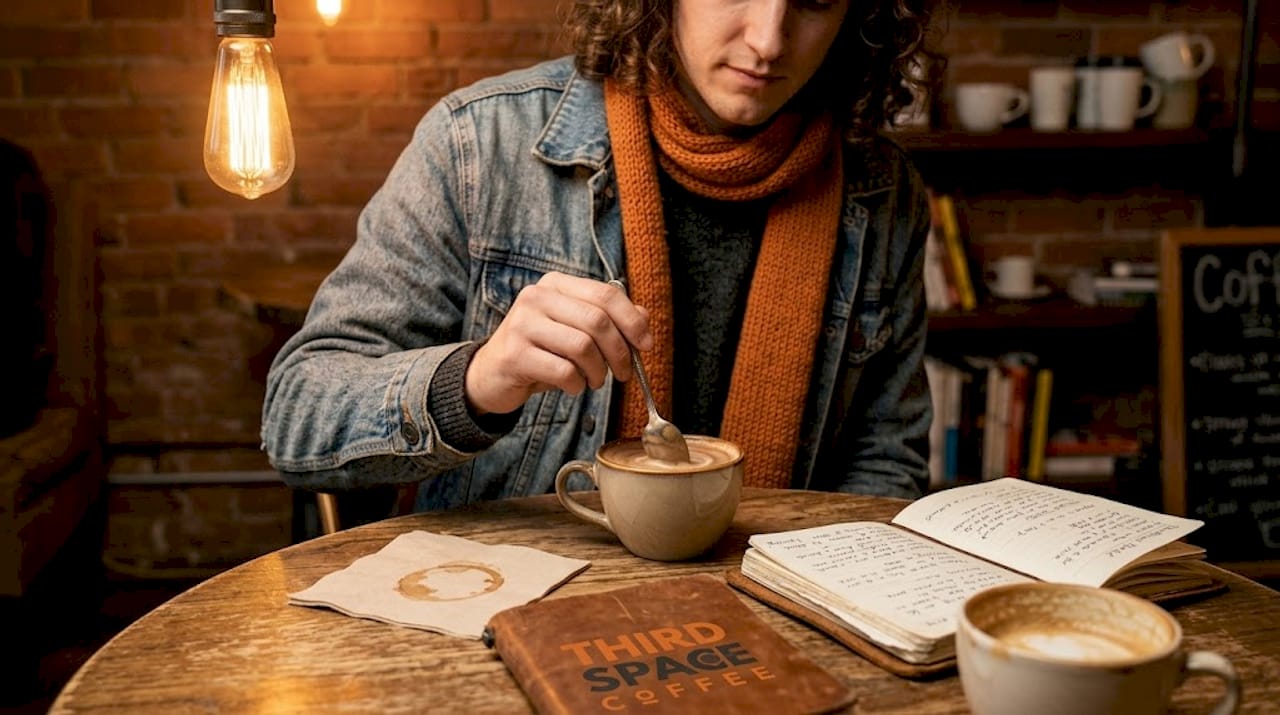
Beyond the classics, specialty drinks branch into drinks like the mocha, affogato, and café au lait. Each one builds on the espresso-and-milk foundation with an additional ingredient or technique. A broader reference to coffee drinks covers dozens of named variations and regional styles, many of which have made their way onto Colorado Springs menus.
Here's how the most popular specialty drinks compare:
| Drink | Base | Added ingredient | Texture | Flavor direction |
|---|---|---|---|---|
| Mocha | Espresso and milk | Chocolate syrup or powder | Creamy | Sweet, rich, dessert-forward |
| Affogato | Espresso | Vanilla ice cream | Contrast of hot and cold | Bold and sweet simultaneously |
| Café au lait | Drip coffee | Steamed milk (equal ratio) | Light | Mild, milky, simple |
| Breve | Espresso | Half-and-half instead of milk | Very creamy | Indulgent, full-bodied |
If you want to order specialty drinks like a local, try this approach:
- Start by identifying your preferred base: espresso-forward or milk-forward.
- Ask the barista which specialty drinks fit that profile today.
- Consider seasonal ingredients — Colorado Springs shops often feature locally inspired syrups and flavors.
- Try a small or half-portion size when exploring something new.
- Note what you liked or didn't like so you can refine your next order.
Local coffee enthusiasts in Colorado Springs are well acquainted with specialty variations beyond the basics. Shops here take pride in offering drinks that go beyond what you'd find at a chain. For a broader sense of how regional coffee specialties develop in distinct cafe cultures around the world, it's fascinating to see how each region puts its own stamp on espresso and milk traditions. Colorado Springs is no different.
Chilled, iced, and brew innovations
When temperatures rise or flavor experimentation calls, chilled options take center stage, and local events offer a taste of community. Cold coffee drinks have exploded in popularity, but "cold coffee" isn't one thing.
Ordering language matters here more than most people realize. An iced coffee is typically brewed hot and poured over ice, while cold brew is steeped in cold water for 12 to 24 hours and never exposed to heat. The difference isn't just temperature — it's acidity, body, and overall flavor.
| Drink | Brewing method | Brew time | Acidity level | Flavor character |
|---|---|---|---|---|
| Iced coffee | Hot brewed, cooled | Minutes | Higher | Bright, slightly sharp |
| Cold brew | Cold steeped | 12 to 24 hours | Lower | Smooth, mellow, chocolatey |
| Nitro cold brew | Cold brew with nitrogen gas | 12 to 24 hours plus | Very low | Creamy, almost beer-like texture |
| Iced latte | Espresso over ice with milk | Minutes | Medium | Rich, creamy, refreshing |
"Cold brew and iced coffee are genuinely different products. Cold brew's longer, cooler extraction pulls different flavor compounds from the bean, which is why it tastes smoother and less acidic than iced coffee — not just less hot."
Pro Tip: If you find regular iced coffee too sharp or bitter, order cold brew instead. The longer steeping process removes much of the acidity that makes hot-brewed coffee jarring over ice.
Community gatherings around cold coffee are also growing in Colorado Springs. Sensory cuppings and conservation-themed coffee events give local residents a chance to taste different cold brews side by side, learn about the sourcing behind each cup, and connect with other coffee lovers in a relaxed setting. Supporting local roasters means more than just buying coffee — it means showing up for the conversations those roasters start over a shared cup.
Coffee drinks in local community gatherings
The range of coffee drinks isn't just about flavor — it shapes Colorado Springs' social and hospitality scene. Coffee has always been a social beverage, but the growth of specialty coffee culture here has added a new dimension to how people gather around it.
Community coffee events like sensory cuppings and conservation-themed coffee mornings bring together residents who might not otherwise cross paths. These events create a setting where the drink itself becomes the conversation starter.
Here's what the Colorado Springs coffee community regularly does together:
- Sensory cuppings: Structured tastings where participants smell and sip coffees side by side to identify flavor notes. Open to everyone, not just professionals.
- Conservation coffee mornings: Events that pair specialty coffee with discussions about environmental stewardship and responsible sourcing.
- Latte art workshops: Hands-on sessions where baristas teach steaming and pouring techniques to coffee lovers.
- New drink launches: Local shops often invite regulars to taste-test seasonal or experimental drinks before they go on the full menu.
- Roastery open days: Behind-the-scenes access to roasting operations, paired with cupping sessions.
These coffee tasting events do something that a solo visit to a cafe cannot: they give you context. You taste a cortado next to a flat white next to a latte, and suddenly the differences aren't abstract — they're real and sensory. Local coffee gatherings like these are where casual coffee drinkers often become genuine enthusiasts, because the community environment makes experimentation feel low-pressure and fun.
Knowing your drink categories before attending one of these events also pays off. When a barista at a cupping says "this roast works beautifully as a cortado," you know exactly what they mean — and you can order one with confidence.
A fresh take: The right drink for the right moment
Most coffee guides focus on the drink itself. We think the more interesting question is what you're actually after when you order. Coffee isn't static. A morning espresso after a long night calls for something different than a Saturday afternoon cold brew at a community event. The drink should match the moment, not just the taste preference.
Here's the part that rarely gets said: attending Colorado Springs coffee enthusiast events changes the way you order coffee for months afterward. We've seen it happen over and over. Someone tries a cortado at a cupping, decides it's "not their thing," then quietly starts ordering them every week two months later. Community events remove the risk of looking inexperienced, so people try things they'd never gamble on alone at the counter.
The taxonomy framework in this article is practical, but the real unlock isn't memorizing drink names. It's feeling comfortable enough to ask the barista what they love making right now and trusting that answer. The best drink you'll ever order in Colorado Springs probably isn't on the menu board — it's the one a barista recommends when you walk in with curiosity and no agenda. Give that a try next time.
Explore new coffee drinks at Third Space Coffee
If you're ready to put this knowledge to work, Third Space Coffee in Colorado Springs is a natural starting point.

Our specialty drinks menu covers everything from bold espresso builds to creative seasonal options, all made with beans we roast right here in Colorado Springs. Whether you want to explore a silky latte or try our Cold Brew for the first time, we have something that fits exactly where you are in your coffee journey. We also host community events and offer our space for gatherings, so you can experience the social side of coffee culture that makes Colorado Springs such a special place for enthusiasts. Stop in, ask questions, and let us help you find your next favorite drink.
Frequently asked questions
What's the difference between iced coffee and cold brew?
Iced coffee is brewed hot and poured over ice, while cold brew steeps grounds in cold water for 12 or more hours, producing a smoother, less acidic flavor with a heavier body.
Which coffee drinks are most popular in Colorado Springs cafes?
Espresso-based drinks like lattes and cappuccinos lead the pack, alongside cold brew and specialty options, all of which appear consistently on local menus according to a guide to coffee drinks.
Are there community coffee events in Colorado Springs?
Yes, sensory cuppings and conservation coffee gatherings are held regularly at local shops and venues, welcoming both beginners and experienced coffee lovers.
How can I explore specialty coffee drinks locally?
Visit local specialty shops and attend tasting events where you can sample drinks like cortados, mochas, and regional variations drawn from a broad catalog of global coffee styles.