 comparison
Is a Local Coffee Subscription Worth It? 2026 Review
Table of Contents
- How Local Coffee Subscriptions Work
- The Benefits of Fresh Roasted Coffee Beans vs. Grocery Store Bags
- The Cost of Coffee Subscription vs. Grocery Store: A Real Comparison
- Coffee Subscription Frequency Guide: Finding Your Ideal Delivery Cycle
- What to Watch For: The Hidden Costs and Side Effects of Too Much Coffee
- Our Verdict: Is a Local Subscription Worth It for Your Home?
- Conclusion: Making the Fresh Choice
- Frequently Asked Questions
Last Updated: September 8, 2026
How Local Coffee Subscriptions Work
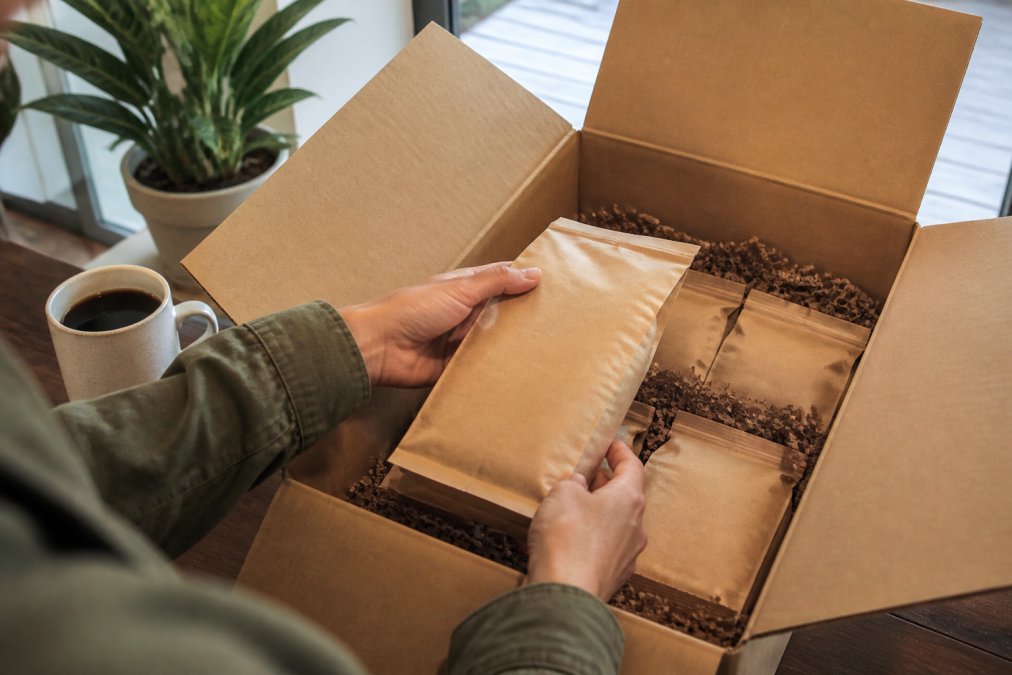
A local coffee subscription is a recurring delivery or pickup service from a nearby roaster, typically sending whole bean or pre-ground coffee on a schedule you choose. Most local subscriptions differ from national services because they eliminate long shipping distances, meaning beans often arrive within days of their roast date rather than weeks later. Home drinkers gravitate toward this model because it connects them directly to the roaster, often including in-person pickup options that national services cannot match.
The subscription model is straightforward: you select your preferred roast and grind size, choose a delivery frequency, and the roaster handles the rest. Many local operations offer flexible delivery settings, allowing you to pause, skip, or adjust shipments as your consumption changes.
The Benefits of Fresh Roasted Coffee Beans vs. Grocery Store Bags
Freshly roasted coffee is the single biggest advantage a local subscription delivers over supermarket shelves. Grocery store bags often sit for months between roasting and purchase, and the quality gap widens quickly because oxidation degrades flavor once beans are exposed to air. A local subscription typically ensures beans arrive within days of roasting, preserving the tasting notes and aromatic compounds that make specialty coffee distinctive.
The benefits of fresh roasted coffee beans extend beyond flavor alone. Whole bean coffee retains its character longer than pre-ground options, since grinding accelerates the loss of volatile compounds. Home drinkers who invest in a basic burr grinder and brew with a pour-over or French press will notice a measurable difference in cup clarity and sweetness. Local roasters also tend to offer single-origin and direct trade options, giving you access to curated selection that grocery stores rarely stock.
The Cost of Coffee Subscription vs. Grocery Store: A Real Comparison
The cost of coffee subscription vs grocery store comparisons often mislead because they ignore what you are actually paying for. A typical national subscription runs around $14 to $24 per shipment, with services like Atlas Coffee Club's global sourcing model starting near $14 and curated platforms such as Trade Coffee's roaster marketplace pricing individual bags near $23. Grocery store coffee may cost less per bag, but you are paying for mass-production scale and unknown storage time.
To make a fair comparison, you must calculate the true cost per brewed cup, not just the sticker price per bag. Here is the math most guides skip:
- Grocery store bag ($12 for 12 oz): Yields roughly 16 cups at a standard 1:16 ratio. That is $0.75 per cup, but the beans may be 6 to 12 months past their roast date, requiring you to use 10-15% more coffee to compensate for lost solubles and flavor. Your effective cost is closer to $0.83 per cup for a noticeably flatter brew.
- National subscription ($20 for 12 oz, shipped): The listed price often includes shipping, but not always. If shipping is $5 extra, your true cost is $25, or $1.56 per cup. If shipping is free, you are at $1.25 per cup.
- Local subscription with pickup ($18 for 12 oz): No shipping fee. At 16 cups per bag, you are at $1.13 per cup. Because the beans are 1 to 3 days off roast, you can often use slightly less coffee (a 1:17 ratio) without losing strength, dropping your effective cost to $1.06 per cup.
| Purchase Method | Sticker Price (12 oz) | Shipping Fee | True Cost per Bag | Cups per Bag | True Cost per Cup | Freshness (Days Post-Roast) |
|---|---|---|---|---|---|---|
| Grocery Store Bag | $12 | $0 | $12 | 16 | $0.75 (effective $0.83) | Unknown (often 90+ days) |
| National Subscription | $20 | $5 (often hidden) | $25 | 16 | $1.56 | 2-5 days |
| Local Subscription (Pickup) | $18 | $0 | $18 | 16 | $1.13 | 1-3 days |
The real cost gap narrows further when you factor in waste. A grocery bag with no roast date forces you to guess; if it is stale, you may throw out half the bag or brew bitter cups you cannot finish. A local subscription lets you pause or skip deliveries, so you never pay for coffee you cannot drink within its peak three-to-four-week window. That flexibility is worth roughly $2 to $4 per bag in avoided waste for most home drinkers.
For a two-cup-per-day household, the annual difference between a local subscription and a national one with shipping fees is approximately $180 to $260, money that stays in your pocket and your local economy. The tradeoff is that local roasters rarely offer the same volume discounts as national platforms, so if you drink more than four cups daily, a bulk grocery purchase may still win on raw cost per pound, though not on flavor.
Local subscriptions frequently match or beat national services once shipping fees are factored in. National subscriptions often hide delivery logistics costs within the listed price, while local pickup eliminates shipping entirely. A local roaster's price point reflects direct trade relationships and smaller batch sizes, which translates to higher bean quality that requires less coffee per brew to achieve the same strength.
Coffee Subscription Frequency Guide: Finding Your Ideal Delivery Cycle
Finding your ideal delivery cycle starts with measuring your actual consumption rather than guessing. A standard 12-ounce bag yields roughly 15 to 18 cups of coffee, depending on your brewing method and strength preference. If you drink one cup daily, a weekly or biweekly delivery will keep your beans within their peak flavor window, typically two to four weeks after roasting.
But most guides stop there, and that is exactly where the 'backlog problem' begins. The most common reason home drinkers cancel a subscription is not cost or quality; it is the pile of unopened bags accumulating in the pantry because the delivery cycle was set too aggressively. Here is a practical method to calculate your frequency before you commit:
Step 1: Measure your weekly consumption. For one week, track every cup you brew at home. Include the coffee you drink, not just the coffee you make. A typical home drinker consumes 10 to 14 cups per week; a two-cup-per-day household is closer to 14 to 18.
Step 2: Convert cups to bags. Divide your weekly cup count by 16 (the average cups per 12-ounce bag at a standard 1:16 ratio). If you drink 12 cups per week, you need 0.75 bags per week, roughly one bag every 10 days.
Step 3: Match delivery frequency to your bag burn rate. Use this reference table:
| Household Consumption | Bags Needed Per Month | Recommended Delivery Frequency |
|---|---|---|
| 1 cup/day (7 cups/week) | 1.75 bags | Every 2 weeks (1 bag) or monthly (2 bags) |
| 2 cups/day (14 cups/week) | 3.5 bags | Weekly (1 bag) or every 10 days |
| 3 cups/day (21 cups/week) | 5.25 bags | Weekly (1-2 bags) |
| Occasional (3-4 cups/week) | 1 bag | Every 4-6 weeks |
Step 4: Build a pause-and-skip buffer into your plan. The smartest home drinkers treat their subscription as a flexible pipeline, not a fixed commitment. Before your first delivery, mark your calendar for two weeks out. When that bag arrives, note the roast date and taste it daily. If you reach day 10 with half a bag left, you know your frequency is too fast, pause the next shipment and recalibrate. Most local roasters allow you to pause or skip a delivery with 48 hours' notice, which means you never accumulate a backlog you cannot drink.
A practical coffee subscription frequency guide should also account for household size and brewing method. Espresso drinkers use roughly 18 to 20 grams per double shot, meaning a 12-ounce bag yields only 17 to 19 shots, about 8 to 9 double-shot drinks. Pour-over drinkers at a 1:16 ratio get more cups per bag but often brew larger volumes. Cold brew is the outlier: it consumes 4 to 6 ounces of ground coffee per liter of concentrate, so a 12-ounce bag may only produce two to three batches. If you brew multiple methods, calculate your weighted average consumption rather than assuming one bag fits all.
Single drinkers consuming one cup per day may need a bag every two to three weeks, while two-cup households often prefer weekly shipments. Most subscription services allow you to adjust frequency easily, and starting with a trial period helps you calibrate without committing to surplus. Over-ordering creates waste, since coffee loses its optimal flavor profile within a month of roasting regardless of storage.
What to Watch For: The Hidden Costs and Side Effects of Too Much Coffee
The hidden costs of subscriptions extend beyond the listed price, and the most overlooked is over-supply. Many home drinkers underestimate their consumption rate and receive more coffee than they can use, which forces them to either waste beans or drink stale coffee. Environmental impact also matters: frequent small shipments generate more packaging waste than a single larger order, so consolidating your delivery cycle can reduce your footprint.
The side effects of too much coffee deserve equal attention. Caffeine affects sleep quality and anxiety levels, and guidance from the FDA on caffeine consumption notes that healthy adults can generally consume up to 400 milligrams daily, roughly four cups, without adverse effects. Individual tolerance varies, and drinking coffee late in the day can disrupt sleep cycles even when total intake stays moderate. A subscription that delivers more than you normally drink can quietly push you past your comfortable threshold.
Our Verdict: Is a Local Subscription Worth It for Your Home?
For most home drinkers, a local coffee subscription is worth it when freshness and community support matter more than the lowest possible price per pound. The value calculation changes based on your brewing method, consumption volume, and whether you prioritize direct trade relationships. If you drink coffee daily and care about flavor, the freshness advantage alone justifies the subscription model, since stale grocery beans produce flat, bitter cups regardless of brewing skill.
Local subscriptions also deliver benefits that national services cannot replicate. In-person pickup eliminates shipping delays and packaging waste, while supporting a neighborhood business keeps money in your local economy. Research on consumer habits from the National Coffee Association consistently shows that home brewing remains the dominant way Americans consume coffee, making the roaster-to-home connection more relevant than ever. The flexibility to pause, adjust, or cancel your subscription removes the long-term commitment risk.
Conclusion: Making the Fresh Choice
The decision comes down to what you value in your daily cup. A local coffee subscription delivers measurable freshness advantages, supports your community, and eliminates the guesswork of grocery store bags with unknown roast dates. The tradeoff is a higher upfront cost per bag, balanced by superior bean quality and reduced waste when you calibrate your delivery frequency correctly.
At Third Space Coffee, we roast beans in-house and offer flexible subscription options for Colorado Springs home drinkers who want the freshest possible cup without shipping delays. Get started with Third Space Coffee and taste the difference that a genuine roast date makes in your morning routine.
Frequently Asked Questions
Are local coffee subscriptions worth it compared to grocery store beans?
Yes for most home drinkers who value freshness. Local subscriptions deliver beans roasted within days, not weeks or months like many grocery store bags. The flavor difference is noticeable in the cup. You also support a local business and often get more flexibility to pause or adjust delivery. The trade-off is usually a higher cost per ounce and less convenience than a one-stop shopping trip.
How much money can you save with a local coffee subscription?
It depends on your consumption. Grocery store coffee often costs less per pound, but you may waste stale coffee. A local subscription reduces waste and can include a bulk discount. Track your monthly coffee usage to compare accurately. Many local roasters offer pickup options that eliminate shipping fees, making the cost per cup closer to retail while getting a fresher roast.
How often should I schedule my coffee subscription delivery?
Match your delivery to your consumption rate. Most home drinkers use 10 to 12 ounces of whole beans every two weeks. If you drink one 12-ounce bag every three weeks, a monthly delivery works. A coffee subscription frequency guide helps you calculate based on your daily cups. Start with a two-week cycle and adjust after your first delivery if you run out early or have beans left over.
What happens if I get too much coffee and drink more than usual?
Over-supply leads to drinking more than your normal amount, which can cause side effects of too much coffee: anxiety, disrupted sleep, and jitters. If your delivery cycle brings more beans than you use, the coffee loses freshness and you waste money. Adjust your subscription frequency or skip a delivery. Store beans in an airtight container away from light to slow oxidation and preserve flavor.