 comparison
Is Artisan Coffee Worth the Price? A 2026 Guide
Table of Contents
- What Makes Artisan Coffee Different
- Specialty Coffee vs Commercial Coffee: The Core Difference
- The Roasting Process and Its Impact on Price
- Benefits of Small Batch Roasted Coffee
- How to Identify High Quality Coffee Beans
- Cost-Per-Cup Breakdown: Premium vs Mass-Market
- Is the Price Premium Justified?
- Frequently Asked Questions
Last Updated: August 20, 2026
What Makes Artisan Coffee Different
Artisan coffee stands apart from commercial mass-market coffee through intentional sourcing, careful roasting, and a commitment to quality at every step. Commercial coffee prioritizes volume and consistency, often using lower-grade beans. Artisan roasters work with specialty-grade beans, control their own roasting process, and focus on bringing out the unique characteristics of each origin.
Third Space Coffee exemplifies this approach by roasting their own beans in-house, controlling freshness from roast date forward. Artisan roasters also establish direct relationships with coffee farmers, understanding the specific harvest, altitude, processing method, and terroir of each lot. This traceability creates accountability and ensures beans meet quality standards before roasting. When you buy artisan coffee, you're buying the roaster's expertise, a master roaster adjusts temperature, airflow, and timing based on each batch's specific characteristics, a precision impossible with standardized, high-volume commercial roasting.
Specialty Coffee vs Commercial Coffee: The Core Difference
Specialty coffee refers to beans scoring 80 points or higher on a standardized 100-point cupping scale. Commercial coffee typically scores below 70 points and is engineered for consistency rather than complexity.
The flavor difference is immediate. Specialty coffee exhibits distinct notes, stone fruit, chocolate, citrus, or floral undertones, that emerge from origin, altitude, and processing method. Commercial coffee tastes generic, lacking the acidity, body, and mouthfeel complexity that makes specialty coffee interesting.
Freshness is critical. Specialty coffee roasters typically roast to order or in small batches, reaching you days or weeks after roasting. Commercial coffee sits in warehouses for months, losing aromatic compounds and developing stale flavors. Processing method also separates the categories. Specialty producers highlight whether beans are washed, natural, or honey-processed, as each dramatically affects flavor. A washed Ethiopian Guji tastes completely different from a natural-process Guji, with the former offering brighter acidity and the latter delivering fuller body and berry notes.
Direct trade and fair trade certifications appear almost exclusively in specialty coffee, ensuring farmers receive sustainable prices. Commercial coffee operates through commodity brokers with no direct farmer connection, making quality control and ethical sourcing essentially nonexistent.
The Roasting Process and Its Impact on Price
Roasting is where raw coffee transforms into the product you brew. The roaster's skill directly determines whether specialty-grade beans realize their potential or get ruined.
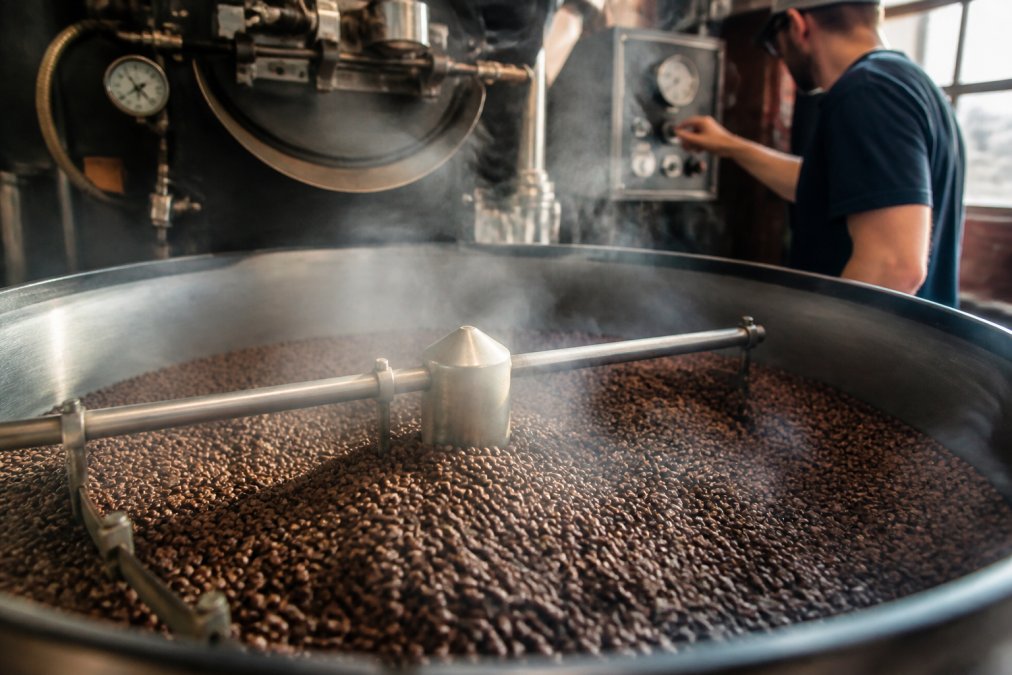
Artisan roasters roast in small batches, typically 5-25 pounds at a time, using drum roasters or fluid-bed machines that allow precise temperature control. They monitor the roast profile and make real-time adjustments based on how beans crack and develop. The first crack (when the bean expands and splits) and second crack (when cellular structure breaks down further) are critical milestones. A skilled roaster pulls beans at exactly the right moment to preserve origin characteristics while developing sweetness and body.
Commercial roasting operates at a completely different scale. Industrial roasters process hundreds of pounds per batch using automated systems that follow preset profiles, with no real-time adjustment or attempt to highlight origin characteristics. This industrial approach is cheaper to operate, which is why commercial coffee costs less.
A quality drum roaster suitable for specialty coffee roasting runs $8,000 to $50,000. For an artisan roaster serving a local market, that equipment investment gets passed to consumers as a premium. Artisan roasters roast to order or in small quantities they'll sell within weeks, while commercial roasters roast massive batches that lose flavor compounds through degassing and oxidation. Master roasters spend years developing the ability to read beans by sight and sound and adjust profiles on the fly, this skill commands premium compensation.
Benefits of Small Batch Roasted Coffee
Small-batch roasting delivers tangible advantages that justify the higher price point for anyone serious about coffee quality.
Freshness is the most obvious benefit. When coffee is roasted in small quantities and sold locally, it reaches you within days of roasting rather than months. Fresh coffee has more aromatic volatility, better bloom during extraction, and more pronounced flavor notes.
Consistency within a batch is another advantage. When a roaster works with 5-20 pounds at a time, every bean experiences nearly identical heat exposure, meaning every cup tastes as intended. Traceability is inherent to small-batch roasting, you can often find the exact origin, altitude, harvest date, and processing method on the bag, supporting farmers directly.
Flavor complexity emerges naturally from small-batch roasting because roasters have the time and incentive to develop each origin properly. A single-origin Ethiopian Guji roasted by an artisan will showcase its unique acidity, floral notes, and stone fruit character. When you buy from local roasters like Third Space Coffee, your money stays in the community and supports a business model based on quality rather than volume.
How to Identify High Quality Coffee Beans
Identifying quality coffee beans requires understanding what to look for when selecting whole beans or evaluating a roaster's offerings.
Look at the roast date. Quality roasters print the roast date on every bag. Beans are optimal between 5-30 days after roasting; beyond 30 days, they've lost aromatic complexity.
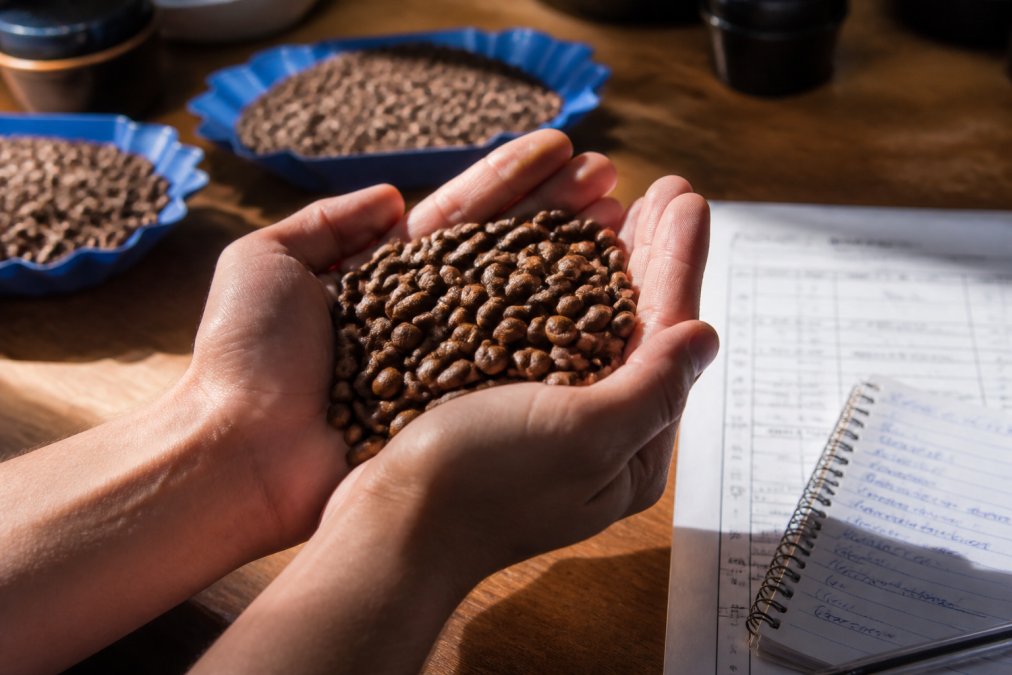
Examine the beans themselves. High-quality whole beans should be uniform in size and color, indicating careful roasting. They shouldn't look oily or vary wildly in color.
Check for origin information. Quality coffee specifies country, region, farm or cooperative, altitude, and processing method. "Ethiopian Guji Washed, 1,900-2,100m" tells you exactly what you're getting.
Look for cupping scores. Specialty coffee often includes a score out of 100 from a certified cupper. Scores above 85 indicate excellent coffee; 80-85 is specialty grade but more accessible in price.
Understand roast profiles. Light roasts preserve origin characteristics and acidity. Medium roasts balance origin character with developed sweetness. Dark roasts emphasize body and roasted flavors. Quality roasters explain why they chose a specific roast level for each origin.
Ask about sourcing. Quality roasters can articulate their relationships with farmers, whether they pay fair trade or direct trade prices, and how they select specific lots.
Cost-Per-Cup Breakdown: Premium vs Mass-Market
A 12-ounce bag of specialty coffee yields roughly 15-18 cups, depending on brewing method and strength preference. The comparison becomes nuanced when you factor in extraction efficiency. Specialty coffee, being fresher and more carefully roasted, extracts more completely, meaning you get more flavor from the same amount compared to commercial beans.
Commercial coffee costs less per bag, but often sits for months, losing aromatic compounds. You end up using more coffee to achieve the same flavor intensity, narrowing the cost-per-cup gap. For someone brewing one cup daily, the annual cost difference is meaningful but not enormous. The real question isn't whether artisan coffee costs more, it does, but whether the flavor improvement justifies that premium for your specific consumption patterns.
Is the Price Premium Justified?
Whether artisan coffee is worth the price depends on what you value and how you brew.
If you care primarily about caffeine delivery and don't notice flavor nuances, commercial coffee serves that purpose adequately. But if you appreciate complexity, enjoy exploring different origins, and take time to brew properly through pour-over, French press, or quality espresso, artisan coffee delivers measurable value.
The economics shift further when you consider equipment investment. If you've purchased a quality grinder or brewer, using mass-market beans is like buying a sports car and filling it with low-octane fuel. Artisan coffee extracts the value from your equipment investment.
There's also a sustainability argument. Artisan roasters who source directly from farmers or through fair trade networks ensure better prices for growers and environmental stewardship. Commercial coffee's race-to-the-bottom pricing creates pressure that often leads to environmentally destructive farming.
The honest answer: artisan coffee is worth the price if you notice and appreciate the difference, if you brew with proper technique, and if you're not adding so much milk and sugar that origin characteristics become irrelevant. For enthusiasts, the premium is justified by flavor, freshness, and the knowledge that your money supports better farming practices and local businesses.
The question of whether artisan coffee justifies its premium ultimately comes down to your priorities. If you're seeking a genuine coffee experience where freshness, flavor complexity, and craftsmanship matter, artisan coffee delivers measurable value. Third Space Coffee's commitment to in-house roasting, specialty-grade sourcing, and community-focused operations represents the artisan model at its best. Visit Third Space Coffee to experience freshly roasted beans and discover whether that difference is worth it for your daily brew.
Frequently Asked Questions
How does artisan coffee differ from regular coffee?
Artisan coffee uses specialty-grade beans scored 80 points or higher on the cupping scale, sourced from specific origins with documented traceability. Regular commercial coffee blends lower-grade beans and prioritizes consistency over flavor complexity. Artisan roasters focus on bringing out unique flavor notes through careful roast profiles, while mass-market producers aim for a neutral, standardized taste. The sourcing, roasting skill, and freshness all differ significantly between the two.
Is artisan coffee actually worth the price for daily home brewing?
It depends on your priorities and brewing method. If you invest in proper equipment (a burr grinder, scale, and brewing device), artisan coffee's complexity and freshness become noticeable. The cost-per-cup is typically $0.50-$1.00 for specialty-grade beans versus $0.15-$0.30 for commercial coffee. For remote workers or students spending hours in a coffee shop, the environment and quality justify the premium. For occasional drinkers, commercial coffee may suffice.
What justifies the higher price point of artisan coffee?
Several factors drive premium pricing: specialty-grade beans cost more at origin due to selective harvesting and processing; small-batch roasting requires skilled labor and smaller profit margins per batch; freshness demands frequent roasting rather than stockpiling; direct trade or fair trade sourcing ensures producer premiums; and traceability and cupping scores add verification costs. Each step, from farm to roasting to packaging, reflects quality standards that mass producers skip.
How can you tell if a coffee is truly artisan?
Look for a harvest date (roasted within 2-4 weeks), a cupping score of 80+, single-origin identification with region details, and transparency about the roasting date. Check if the roaster lists the processing method (washed, natural, honey-processed) and bean variety. Artisan roasters publish information about their sourcing and often highlight direct relationships with producers. Visit the roastery if possible to see their equipment and ask about their roasting philosophy, transparency is a hallmark of genuine artisan operations.
This article was written using GrandRanker