
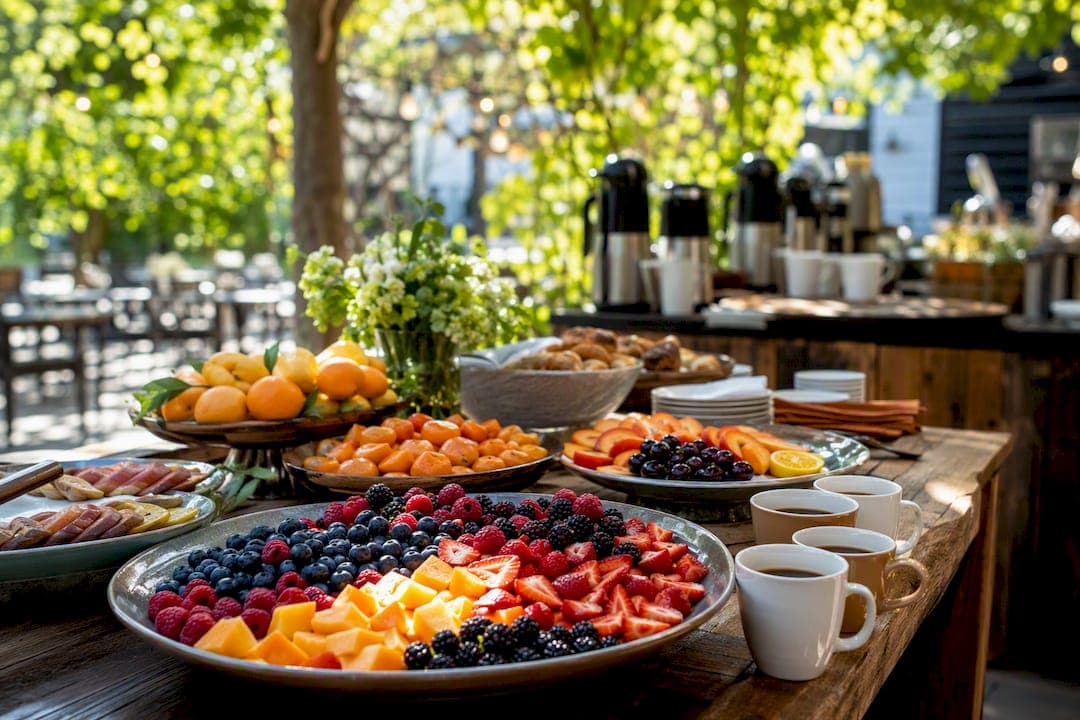
For most breakfast events, three formats cover nearly every situation: boxed breakfasts for early or staggered arrivals, continental spreads with coffee for casual meet-and-greets, and hot buffets or brunch for celebrations and longer gatherings. Boxed wins on speed since kits are sealed at the kitchen and distribute in about five minutes for 50 people. Plan roughly 1.5 to 2 cups of coffee per person for a two-hour meeting.
- Boxed breakfast — best for 7:30 a.m. starts and rolling arrivals
- Continental + coffee — best for casual check-ins and light hospitality
- Hot buffet or brunch — best for celebrations, client visits, or anything past 90 minutes
A coffee provider like Third Space Coffee can round out any of these three formats with portable drip carafes or a full pastry-and-drink pairing.
Key Takeaways
The right breakfast catering format comes down to matching arrival pattern and event length to boxed, continental, or hot buffet service, then building headcount and coffee math around it.
| Point | Details |
|---|---|
| Match format to arrival pattern | Choose boxed breakfasts for staggered arrivals, continental for scheduled starts, and hot buffet for events over two hours. |
| Plan coffee by headcount | Budget 1.5 to 2 cups per person for a two-hour meeting, roughly 45 to 60 cups for 30 guests. |
| Budget by cost band | Continental runs $10 to $18 per person, boxed kits $12 to $22, and staffed brunch $28 to $55. |
| Label every dietary box | Plan about 8 vegan and 5 gluten-free boxes per 50 guests, and mark each one clearly. |
| Order coffee and food together | Third Space Coffee pairs breakfast burritos, sandwiches, and pastries with drip coffee or specialty drinks for pickup or event delivery. |
Table of Contents
- Top 10 Breakfast Catering Ideas With Setup Notes
- How Do You Choose the Right Catering Format?
- Sample Menus and Per-Person Cost Guidance
- Logistics That Make or Break a Breakfast Order
- Third Space Coffee: Menu Pairings You Can Order Today
- Seasonality and Sourcing Fresh Ingredients
- Presentation and Plating Tips That Elevate the Spread
- Waste Management and Sustainability Practices
- What Most Planning Advice Gets Wrong
- Order Breakfast and Coffee Together From One Colorado Springs Source
- Sources
Top 10 Breakfast Catering Ideas With Setup Notes
Every planner ends up choosing from the same short list of formats. The difference between a smooth morning and a scrambling one is knowing which idea fits your headcount, your room, and your clock.
- Boxed breakfast kit. Main, fruit side, napkin, and utensils sealed individually. Best for staggered arrivals since guests grab and go. Label lids by diet (V, GF, DF) so nobody has to ask.
- Bagel and spread station. Set out a variety of bagels, cream cheese flavors, and butter, with a lox upgrade for client meetings. Pair with drip coffee and orange juice.
- Breakfast sandwich tray. Sandwiches travel well if wrapped and kept in insulated bins; unwrap within 20 minutes of arrival or the bread softens. A breakfast sandwich with sausage or egg white works for mixed dietary crowds when you offer both.
- Burrito bar. Warmed tortillas, scrambled eggs, potatoes, salsa, and a protein choice. Assembly-line setup keeps the line moving; cold brew is a popular pairing for warmer months.
- Parfait or overnight oats bar. Yogurt, granola, and berries, or make-ahead chia pudding and overnight oats, which travel well and satisfy gluten-free requests without substitution.
- Smoothie or acai bowl station. Needs a blender on-site or pre-blended bottles for grab-and-go. Great for wellness-themed events; skip granola toppers for the nut-free version.
- Pastry and coffee continental. Croissants, muffins, and scones with a coffee carafe. Replenish the pastry tray every 45 minutes if the meeting runs long, since trays empty fast in the first 20 minutes.
- Waffle or pancake bar. Requires a staffed griddle or warming trays plus an outlet nearby. Toppings: berries, whipped cream, syrup, chocolate chips. Pairs naturally with a specialty espresso drink.
- Savory sliders and protein bites. Mini egg sandwiches or sausage bites work for celebratory mornings where finger food beats a fork-and-plate setup.
- Hot buffet or brunch with egg station. Best when you have staffing budget and hot-holding equipment, since eggs and potatoes need active temperature control. Reserve this for events over two hours or with VIP guests.
Pro Tip: Order one extra dietary box per 20 guests beyond your confirmed count. Unclaimed dietary boxes get eaten fastest by curious omnivores, and running short on a gluten-free option looks worse than running short on regular ones.
How Do You Choose the Right Catering Format?
Run through five questions before you place an order, and the right format usually becomes obvious.
- How are guests arriving? Staggered arrivals point to boxed breakfasts. A single scheduled start time works for continental or buffet.
- How long is the event? Under 90 minutes favors boxed or continental. Anything longer justifies a hot buffet.
- How formal is the occasion? Client-facing meetings often call for a bagel-and-lox upgrade or a staffed brunch rather than grab-and-go boxes.
- What can your venue support? Hot holding, outlets for a waffle station, and elevator access all limit your options before cost even enters the picture.
- What's the budget tier? Continental drop-off runs the cheapest, while staffed brunch sits at the top of the range.
When you call a caterer, ask about earliest possible delivery time, whether items arrive hot or need warming on-site, how boxes are labeled for allergens, whether utensils and napkins are included, what carafe size covers your headcount, and whether a staffing fee applies for buffet setup or teardown. Matching the menu to the actual work moment, whether that's a Monday coffee ritual or a quarterly all-hands, tends to produce better attendance than picking a format at random.
Sample Menus and Per-Person Cost Guidance
Cost bands shift dramatically by format, and knowing the range before you call a vendor keeps the conversation short.
- Budget tier ($10 to $18 per person): Continental drop-off with assorted pastries, whole fruit, and drip coffee. No staffing required.
- Mid-tier ($12 to $22 per person): Boxed breakfast kits with a sandwich or wrap, fruit side, and bottled juice or coffee. Ideal for meetings under two hours.
- Premium tier ($28 to $55 per person): Staffed hot brunch with an egg station, potatoes, protein, and a full beverage bar. Reserve for events where hospitality matters as much as the food.
For headcount math, plan one main item per person, one side, and a beverage. Coffee runs 1.5 to 2 cups per attendee for a two-hour block, so 30 people need roughly 45 to 60 cups, or about three gallons. Coffee runs out faster than food, and nobody remembers the extra muffins.
Logistics That Make or Break a Breakfast Order
Getting the food right matters less than getting the timing right. A great menu delivered late ruins an 8 a.m. meeting just as fast as a mediocre one delivered on time.
- Confirm the delivery window against your start time. Boxed breakfasts reduce risk for early meetings because they need no warming and can sit sealed until guests arrive.
- Decide staffed versus drop-off early. Hot buffets need 30 to 45 minutes of setup and someone present to manage hot-holding equipment; drop-off formats need almost none.
- Plan distribution for groups over 50. Pre-sort and label boxes by diet before guests arrive, and set up multiple stations to avoid one long line.
- Handle dietary needs by the numbers. Plan roughly 8 vegan and 5 gluten-free boxes per 50 guests, scaling to about 15 vegan and 10 gluten-free for 100. Label every box, since unlabeled substitutions cause more complaints than a limited menu ever does.
Pro Tip: Coffee carafes work better than bottled cold brew for seated meetings over an hour, but bottled options travel better for standing receptions where guests move between rooms.
Third Space Coffee: Menu Pairings You Can Order Today
Third Space Coffee handles both sides of a breakfast order from one Colorado Springs location: fresh food and coffee roasted in-house, plus event space and meeting room rental for gatherings that need more than a drop-off. Orders go through online ordering for pickup, or you can request delivery and on-site coffee service for larger events.
- Burrito kit pairing: Breakfast burritos with a cold brew carafe, good for staggered morning arrivals.
- Boxed pairing: A breakfast sandwich or breakfast taco box with drip coffee carafes, sized for headcount using the cups-per-person formula above.
- Continental pairing: Pastries from the food menu alongside specialty drinks for a step up from plain coffee.
Coffee service is the one upgrade that improves almost any breakfast format without adding real complexity to setup.
Lead time matters most for anything requiring on-site staff. Order early, request labeled boxes if guests have dietary restrictions, and specify pickup versus delivery when you place the order.
Seasonality and Sourcing Fresh Ingredients
Fruit quality swings hard by season, and it shows up on a breakfast table faster than almost any other ingredient. Berries and stone fruit peak in summer, making a July parfait bar taste noticeably better than the same menu built around imported berries in February. Citrus does the opposite, hitting its best flavor and lowest cost in winter, which is exactly when a fruit platter needs the boost.
Local sourcing also affects reliability, not just flavor. A caterer or coffee shop that buys from regional farms during peak season tends to have more consistent fruit quality and fewer last-minute substitutions than one relying on long-haul shipping year-round. If you're planning a recurring monthly breakfast, ask your vendor what's actually in season before locking the menu. Substituting a citrus platter for berries in the off-season isn't a downgrade. It's the fresher option.
Bread and pastry items are less season-dependent but still benefit from local bakeries that bake same-day rather than shipping frozen product. Ask directly whether pastries are baked fresh that morning or reheated from frozen stock. The difference is obvious in texture within the first bite, especially with croissants, which turn gummy fast once they've been frozen and thawed.
Coffee itself has its own sourcing calendar tied to harvest regions rather than local seasons, which is one reason roast dates matter more than most planners realize. Coffee roasted within the past two weeks tastes noticeably brighter than coffee that's been sitting on a shelf for months, regardless of the bean's origin.
Presentation and Plating Tips That Elevate the Spread
A $15-per-person continental spread can look like a $25 spread with almost no added cost, and it comes down to height, color, and container choice rather than the food itself.
Vary the height across the table. Tiered stands or simple risers made from stacked boxes under a tablecloth break up a flat line of trays and make a modest spread look intentional rather than sparse. Group by color next: a fruit platter arranged by hue, moving from berries to citrus to melon, reads as considered rather than dumped from a bag.
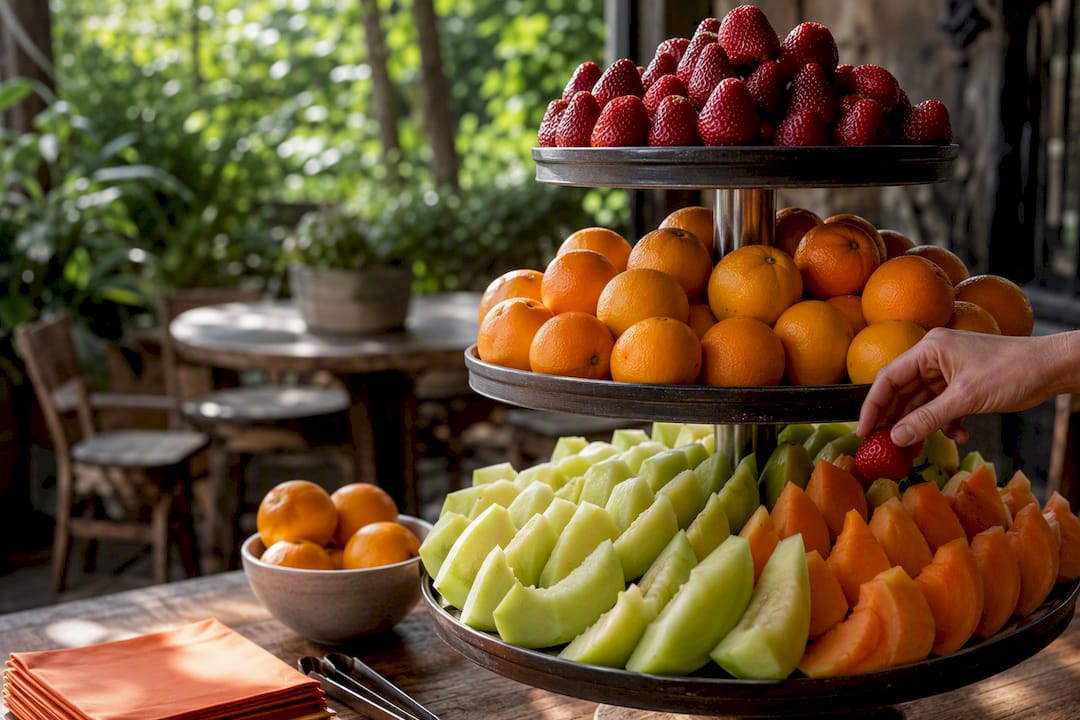
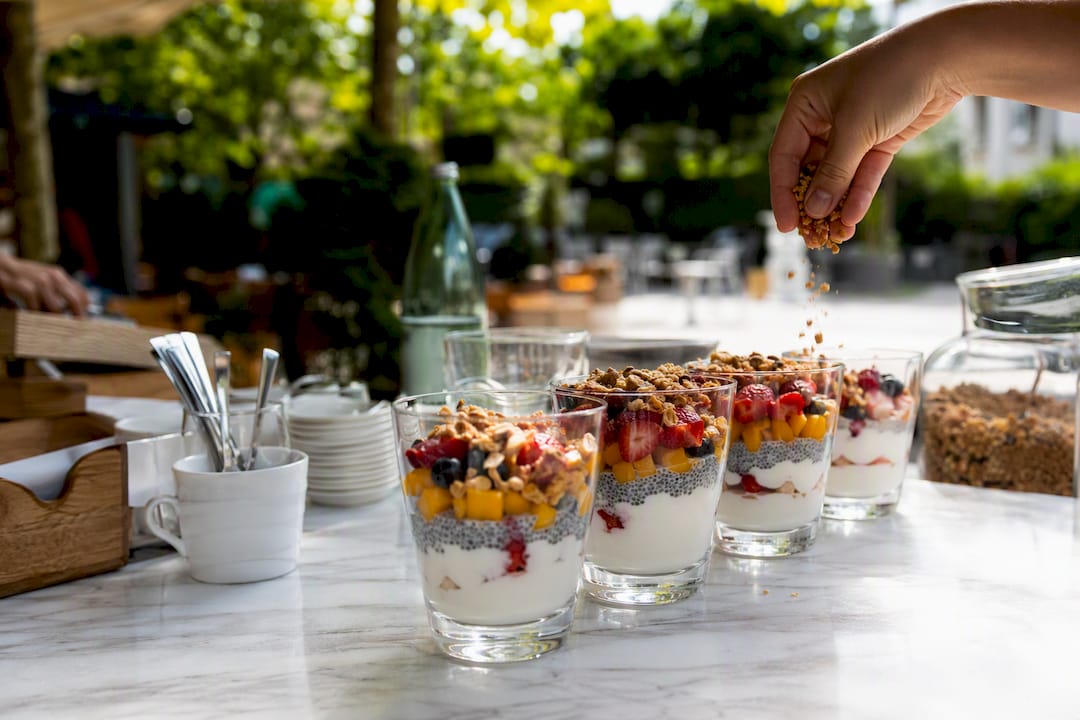
Individual portions photograph and serve better than communal trays for anything sticky or messy, which is why parfaits, overnight oats, and smoothie bowls work best in clear cups rather than a shared bowl guests have to spoon from. Clear glass or clear plastic also lets the layers show, and layered parfaits are one of the few breakfast items where the presentation is genuinely part of the appeal.
Labels do double duty as decor and information. A small chalkboard sign or printed card naming each dish, plus its dietary tags, saves you from fielding the same question ten times and gives the table a finished look. For anything with a strong brand angle, a few branded coffee cups or a simple runner in the host company's colors goes further than most planners expect for the effort involved.
Waste Management and Sustainability Practices
Breakfast catering generates a specific kind of waste problem: perishable food that can't be donated same-day and single-use packaging that piles up fast in a boxed-breakfast setup. Both are manageable with a little planning.
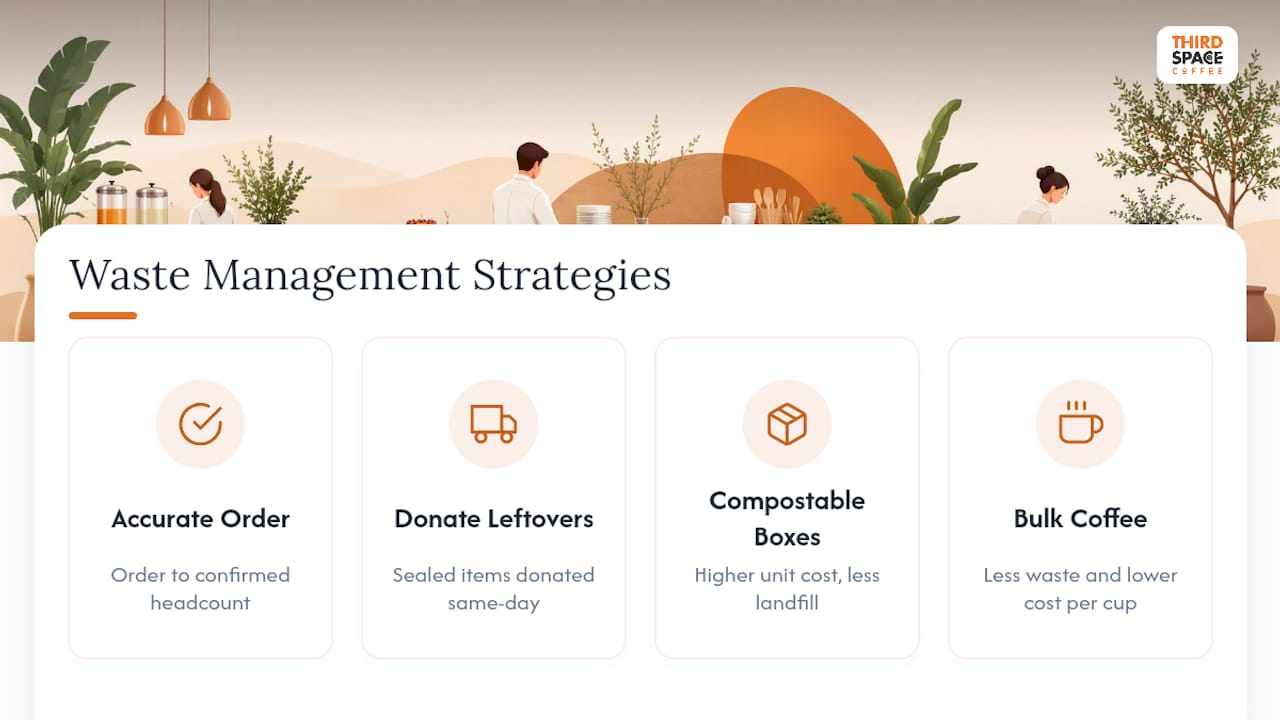
Order to your actual confirmed headcount rather than a rounded-up guess, and use the dietary percentages from the logistics section above instead of over-ordering "just in case" across every category. Leftover food that's still sealed, like unopened yogurt cups or wrapped pastries, can often go to a local shelter or food rescue program same-day. Check with your caterer, since many already have a donation partner and will handle the drop-off if you ask when placing the order.
Packaging is the bigger daily issue for boxed formats. Compostable or recyclable boxes and utensils cost slightly more per unit but cut landfill volume significantly for a 50-person order. Ask your vendor directly whether their boxes and cutlery are compostable, since "eco-friendly" packaging claims vary widely and not all of it is accepted by local composting programs.
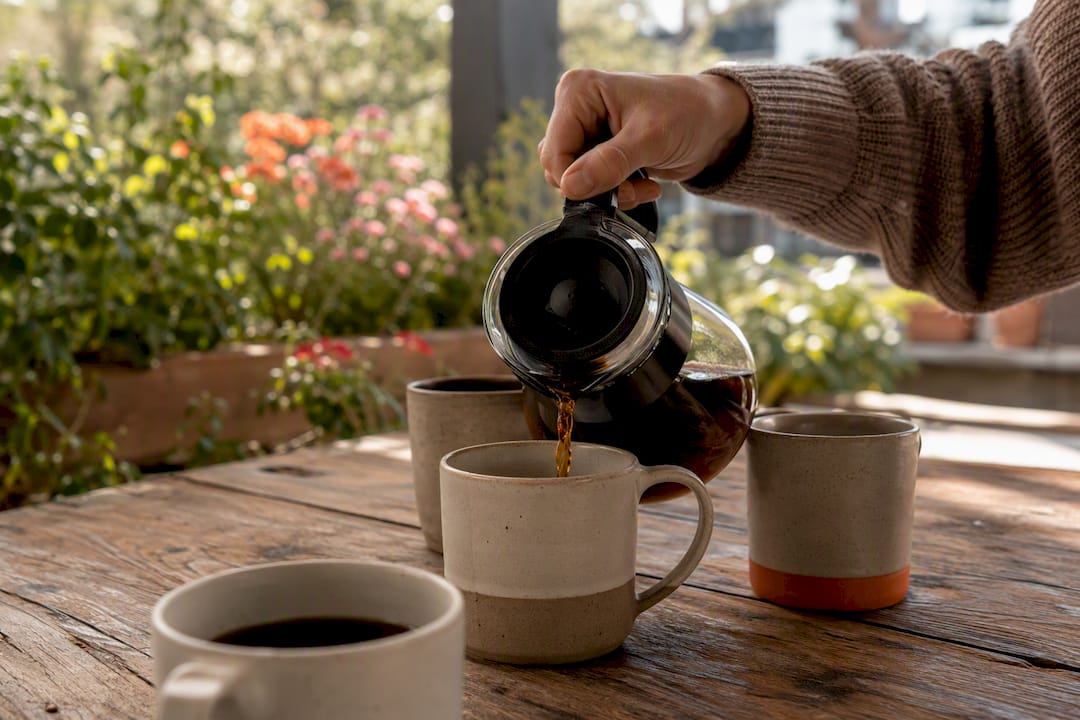
Coffee service has its own waste angle. Bulk carafes generate far less waste than individual bottled cold brews for the same headcount, and they usually cost less per cup. If your event runs multiple hours, a refillable carafe setup with reusable mugs beats disposable cups on both cost and cleanup, provided your venue has a sink nearby for a quick rinse between refills.
What Most Planning Advice Gets Wrong
Most breakfast catering guides treat format choice as a matter of taste. It isn't. It's a logistics problem wearing a menu's clothes. The planners who struggle most aren't the ones with bad food ideas. They're the ones who picked a hot buffet for a 7:45 a.m. meeting because it sounded nicer, then spent the first twenty minutes apologizing for cold eggs.
The conventional advice to "impress with variety" also deserves pushback. A tight menu of three or four items executed on time beats a sprawling spread that arrives late or runs out of the one thing half your guests wanted. I'd rather see a planner nail the coffee math and the dietary labeling than chase an elaborate waffle bar that needs staffing they didn't budget for.
If there's one thing worth prioritizing above menu creativity, it's timing discipline. Confirm delivery against your actual start time before you fall in love with a menu. The food matters, but arriving fifteen minutes early with the wrong format beats arriving on time with the right one that nobody can eat yet because the eggs are still steaming.
— Tanya
Order Breakfast and Coffee Together From One Colorado Springs Source
Coordinating a breakfast order usually means calling a caterer for food and a separate coffee vendor for carafes, then hoping the timing lines up. Third Space Coffee cuts that step out entirely for Colorado Springs events. Everything from breakfast burritos and sandwiches to drip coffee and specialty drinks comes from one kitchen, ordered through a single online checkout for pickup, or arranged with on-site coffee service for larger gatherings.

That matters most for planners juggling a tight morning window, since one vendor means one delivery time to track instead of two. It also suits recurring events like a monthly team breakfast, where a repeat order through the shop takes minutes once you've built it the first time. If your event needs more than pickup, Third Space Coffee's event space also rents for gatherings up to 150 guests.
Ready to build a menu? Browse the food and drink options online, pick a pairing from the ideas above, and place your order for pickup or event delivery.
Sources
For deeper menu inspiration, Wild Foodz's event planning guide covers upscale brunch spreads and plating ideas worth adapting for premium-tier events.
- Boxed Breakfast Catering for Morning Meetings: Menu Ideas, Headcount Math & How to Order - Zerocater
- Breakfast Catering: Brilliant Guide & Smart Tips (2026) - Bites by Braxtons
- Office Breakfast Catering: 10 Ideas for Different Work Moments - DoorDash