
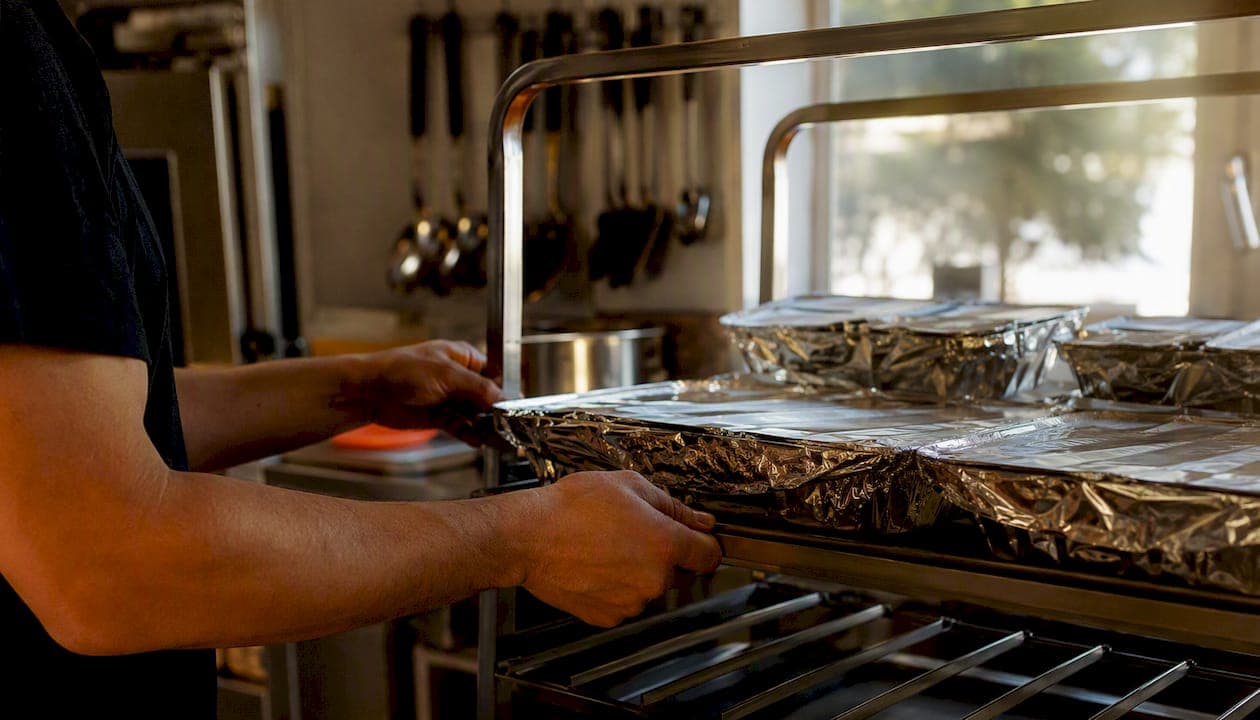
Yes, many venues allow outside food — but the rules range from "bring anything you want" to "licensed caterer only, no exceptions." Before you book, confirm the exact food types allowed, ask about alcohol and insurance requirements, and schedule a back-of-house walkthrough to check refrigeration and warming capacity. Policies differ sharply by venue type, and the fees that come with BYO access can quietly close the gap between a "budget" venue and an all-inclusive package.
Here's what to check, what to ask, and how to calculate the real cost.
Key Takeaways
BYO food venues can cut catering costs significantly, but only when you verify the exact policy, get all fees in writing, and inspect the back-of-house before signing.
| Point | Details |
|---|---|
| Confirm the exact policy | Ask whether homemade food, drop-off, or licensed caterers only are permitted — and get it in writing. |
| Get all fees itemized | Kitchen rental, cleaning, insurance, and staffing can add $400–$700+ to a mid-size event's total cost. |
| Inspect back-of-house | Check refrigeration, warming equipment, and service-entrance access before committing to any food plan. |
| Calculate all-in cost | Compare BYO total (venue + food + staff + fees) against an all-inclusive package before deciding. |
| Thirdspacecoffee option | Holds up to 150 guests in Colorado Springs with outside food welcome and in-house coffee service included. |
Table of Contents
- Which venue types commonly allow outside food?
- What does "allows outside food" actually mean?
- What does outside food actually cost at a venue?
- Questions to ask before you book a BYO venue
- Where to find venues that allow outside food
- Low-cost ways to feed a group at a BYO venue
- What to inspect on a site visit
- How a small event space handles BYO: a practical example
- When is BYO the right call, and when isn't it?
- Thirdspacecoffee: a BYO-friendly event space in Colorado Springs
- Sources
Which venue types commonly allow outside food?
Most bring your own food venues fall into a handful of categories, each with its own typical limits:
- Community centers and recreation halls: Usually the most permissive. Homemade dishes, restaurant trays, and drop-off catering are often fine. Kitchen equipment is typically minimal — expect a basic prep sink and maybe a warming oven, not a commercial range.
- Fire halls and VFW halls: Similar flexibility to community centers. Alcohol rules vary widely; some halls have their own bar and require you to use it.
- Wineries: Often welcome outside food because they want to focus on wine sales. Outside alcohol is almost always prohibited.
- Breweries and taprooms: Pour Choice Taphouse in Orlando, for example, explicitly allows homemade dishes, food pop-ups, restaurant delivery, or professional caterers — while keeping drink service in-house. That split model is common at bars and taprooms nationwide.
- Private event spaces and loft rentals: Flexibility varies. Some allow any caterer; others require a vendor from an approved list or impose a service-staff fee.
- Parks with permits: Full BYO freedom on food, but you're responsible for all equipment, power, and cleanup. Food-truck vendors on park property may need a separate permit.
- Coffee shops and small event spaces: Often allow outside food for private bookings, particularly for daytime or off-peak events. Good fit for potlucks, drop-off catering, and small group meals.
- Some restaurants and bars: A few permit drop-off trays or outside desserts for private buyouts, though this is the exception rather than the rule.
Selector tip: Match venue type to your service model. If you want a potluck or drop-off setup, target community halls and coffee shops. If you need a licensed caterer with a full kitchen, look at private event spaces. Discover Lancaster maintains a curated list of community buildings, fire halls, and wineries in Lancaster County that accept outside caterers — a useful model for how regional destination sites surface these options.
What does "allows outside food" actually mean?
The phrase covers a wide spectrum. Knowing which version a venue is offering prevents expensive surprises on event day.
- BYO food (full DIY): You bring everything — food, serving equipment, and staff. Homemade dishes are usually permitted. The venue provides space only.
- BYOC (bring your own caterer): You hire a caterer of your choice, but the venue may require proof of licensing, liability insurance, or health department certification.
- Drop-off catering: A restaurant or caterer delivers food, but no service staff comes with it. You handle setup and service yourself.
- Approved-caterer list: The venue allows outside food only from vendors on a pre-vetted list. You pick from their options, not the open market.
- Potluck allowance: Guests bring dishes. Some venues permit this freely; others prohibit homemade food entirely for health-code reasons.
- Restaurant delivery accepted: The loosest version — you can order from any restaurant and have it delivered. No cooking or prep on-site.
The practical consequences matter. Drop-off catering means no warming staff and no service — you're plating and replenishing yourself. BYOC with a licensed caterer means you get professional service but must verify their credentials and insurance before the venue will sign off. A multi-use venue checklist can help you compare these dimensions across multiple spaces before you commit.
Pro Tip: Request the exact BYO policy language in writing before signing any contract. Verbal assurances that "outside food is fine" have a way of becoming "licensed caterer only" clauses in the actual agreement.
What does outside food actually cost at a venue?
Bringing your own food rarely means the venue fee is your only expense. Common add-ons include:
- Kitchen rental or prep fee: a modest kitchen rental or prep fee depending on equipment access
- Corkage fee: Charged per bottle when you bring outside alcohol; can run a corkage fee per bottle at venues that allow outside alcohol.
- Cleaning and custodial fees: Often $100–$300, sometimes waived if you handle cleanup yourself
- Service staff charges: If the venue requires on-site staff for food service, expect service staff charges hourly per person
- Certificate of insurance: Your caterer or you may need a one-day event policy, typically a one-day event insurance policy fee
- Garbage removal: Sometimes itemized separately, especially for large events
- Equipment surcharges: Warming trays, chafing dishes, or power access for food trucks may carry added fees
Bat Haus offers a useful benchmark: flat-rate rentals starting at a moderate cost for events up to approximately 50 guests with no corkage and no catering markup. That pricing model works because the venue removes catering minimums entirely — you see the real floor cost upfront.
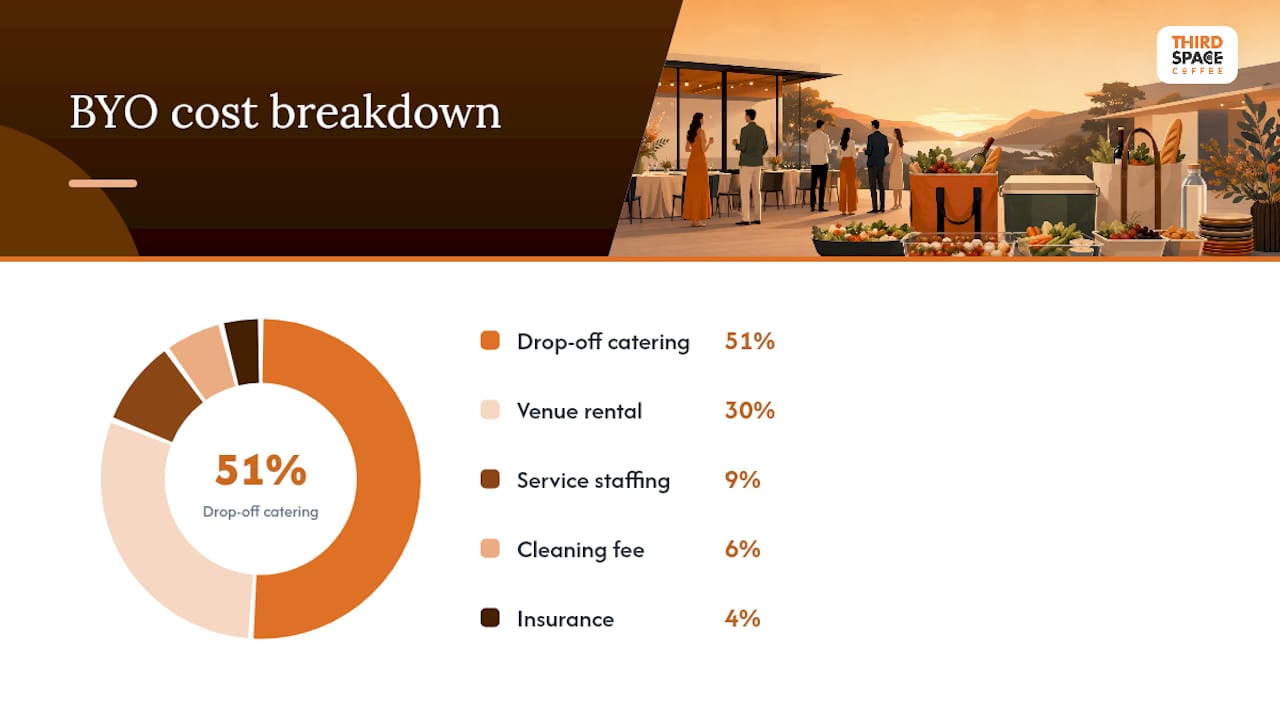
A quick all-in scenario for 75 guests: Venue rental at $800, drop-off catering at $18 per head ($1,350), cleaning fee $150, one-day insurance $100, and two service staff for four hours at $28/hour ($224). Total: roughly $2,624, or about $35 per person. An all-inclusive venue package at $45 per head for the same group runs $3,375. The BYO option saves money — but only if you manage the coordination yourself and don't need additional equipment rentals.
BYO alcohol rules are almost always stricter than food rules. Many venues prohibit outside alcohol entirely to protect their liquor license, and those that allow it typically require a licensed bartender regardless of your caterer arrangement.
Questions to ask before you book a BYO venue
Run through this list before signing anything. A venue that hesitates on any of these questions is telling you something.
Questions to ask the venue manager:
- What food types are permitted — homemade, drop-off, licensed caterer, or all of the above?
- Do caterers need to be licensed, insured, or on an approved vendor list?
- Is outside alcohol allowed? If so, is a licensed bartender required?
- What is the insurance requirement — event liability, caterer's certificate, or both?
- What kitchen access is included — prep sink, oven, warming equipment, refrigeration?
- What are the setup and cleanup windows, and who is responsible for each?
- When can vendors arrive for drop-off or setup?
- Are there fees for kitchen use, cleaning, garbage removal, or equipment?
- What is the venue's capacity, and does it change with a buffet or food-station layout?
- Is there a loading zone or service entrance for catering deliveries?
Documents to request:
- Written BYO food policy (not just verbal confirmation)
- Vendor rules and approved-caterer list if applicable
- Insurance certificate requirements with minimum coverage amounts
- Venue floorplan showing kitchen, service areas, and guest capacity
Short email template to send:
For a more detailed event booking checklist tailored to local Colorado Springs venues, that resource covers vendor coordination and food logistics in one place.
Where to find venues that allow outside food
Targeted search terms cut through generic venue listings fast. Try:
- "bring your own caterer venue [city]"
- "BYOC event space [city or neighborhood]"
- "outside food allowed wedding venue [state]"
- "community hall rental [city] outside catering"
- "fire hall rental [city]"
Directories and local sources worth checking:
- Regional tourism and destination sites: Discover Lancaster is a strong model — local tourism boards often maintain venue lists that flag BYO policies.
- Wedding venue aggregators: Here Comes The Guide compiles state-level lists that filter for outside-catering venues, which is faster than calling venues one by one.
- Local Facebook groups and Reddit threads: Search "[city] event venues" or "[city] wedding planning" — planners share firsthand BYO experiences that venue websites won't advertise.
- Local event venue blogs: Search "[city] event venue options" for curated guides. For local venue options in Colorado Springs, a regional guide covers spaces that accommodate outside food for private events.
- Venue websites directly: Look for the words "outside caterer," "BYOC," or "bring your own" in the events or FAQ section. If the policy isn't listed, call — don't email first, since phone conversations surface nuances that written responses often omit.
Low-cost ways to feed a group at a BYO venue
Budget catering for BYO events works best when you match the format to the venue's actual capabilities.
- Drop-off restaurant trays: Sandwich platters, taco bars, and pizza trays from local restaurants are the simplest option. No staffing needed, easy to portion, and most guests recognize and trust the food.
- Food trucks: A truck parked outside can serve a crowd efficiently without using the venue's kitchen at all. Check local rules first — in Colorado Springs, food trucks on private property may still need permits and face distance restrictions near existing restaurants.
- DIY buffet with hired service staff: You source the food (bulk catering, restaurant trays, or homemade); you hire two or three servers for the event window. This keeps food costs low while maintaining a presentable service experience.
- Potluck with a coordinator: Works well for groups where guests know each other. Assign categories (mains, sides, desserts) and use a shared sign-up sheet. Label every dish for allergens.
- Staged food pop-ups: Some vendors will set up a station at your event and split revenue with you rather than charging a flat fee — useful when your guest count is uncertain.
For menu inspiration and hospitality-focused meal planning, festive meal offerings for event planners covers formats that translate well to BYO setups.
One negotiation move that consistently works: offer to take a daytime or off-peak slot.
For dietary inclusivity, keep it simple: label every dish, station separate serving utensils for allergen-containing items, and include at least one clearly marked gluten-free and one vegan option at every station.
What to inspect on a site visit
The biggest planner mistake with BYO events is underestimating back-of-house needs. Walk the space before you commit.
Kitchen and storage checklist:
- Refrigerator and freezer capacity (measure in cubic feet if you're bringing perishables)
- Oven or stove availability and whether they're commercial-grade or residential
- Holding and warming equipment (chafing dish stands, warming drawers, or steam tables)
- Dishwashing capability — or lack thereof
- Number and placement of electrical outlets for warming equipment
- Service entrance and loading zone access for catering deliveries
- Vendor parking proximity to the service door
- Trash collection points and dumpster access
Red flags to watch for:
- No hot-holding equipment and no rental option
- No handwashing station near the food prep area
- Venue policy prohibits homemade food (check health code compliance requirements)
- Liquor license restrictions that limit how alcohol can be served even if you bring a licensed bartender
Document everything. Take timestamped photos of the kitchen, service entrance, and any equipment you're counting on. Attach them to your booking file so there's no dispute later about what was available on the day you toured.
How a small event space handles BYO: a practical example
A typical small event space or coffee shop that rents to private groups usually provides tables, chairs, basic AV, and a cleanup window. What they don't provide: catering staff, warming equipment, or a commercial kitchen.
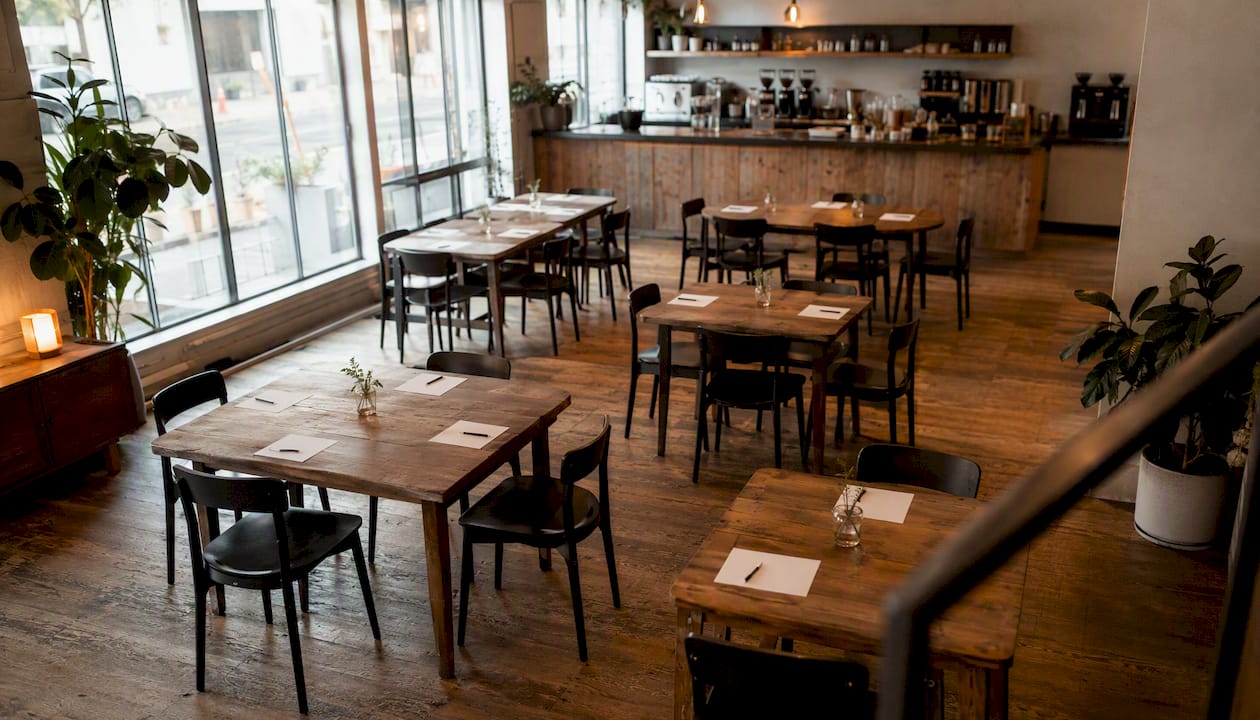
Here's how a realistic BYO event at that type of space tends to run:
What the venue covers: Room rental, furniture setup, a point of contact on-site, and a post-event cleanup window (usually 30–60 minutes).
What you coordinate: Vendor arrival time (typically 60–90 minutes before guests arrive), food drop-off or setup, service staffing, and end-of-event breakdown.
Sample vendor arrival timeline:
- T-minus 90 min: Caterer or drop-off delivery arrives, food staged
- T-minus 60 min: Service staff sets up stations, labels dishes
- T-minus 15 min: Final check on warming equipment and beverage service
- Event start: Guests arrive, food ready
Staffing checklist for a 50-person event: One coordinator, two service staff for food, one person dedicated to beverages. That's the minimum for a smooth buffet-style event.
Why coffee shops work well as community event venues explains the practical advantages of smaller spaces — flexible layouts, off-peak availability, and a built-in beverage program that pairs naturally with outside food.
When is BYO the right call, and when isn't it?
BYO food venues make the most sense for small-to-medium events (roughly under 100 guests), groups with specific dietary needs an in-house caterer can't easily accommodate, and planners with a tight budget who are willing to manage vendor logistics themselves. The savings are real — but so is the coordination overhead.
All-inclusive venues earn their premium when the event is large, the service expectation is high, or the planner simply doesn't have bandwidth to manage three separate vendors on event day. A plated dinner for 150 guests where timing matters down to the minute is not the right moment to DIY the catering.
The honest trade-off: BYO gives you control and often lower food costs. It costs you time, coordination effort, and the mental load of being the person who fixes it when the caterer is 20 minutes late. For a casual birthday party or a team lunch, that trade-off is easy. For a wedding reception with a formal program, think carefully before assuming BYO saves enough to justify the added stress.
Thirdspacecoffee: a BYO-friendly event space in Colorado Springs
If you need a flexible venue for a private event in Colorado Springs, Thirdspacecoffee holds up to 150 guests and welcomes outside food for private bookings. The space includes tables, chairs, and a built-in specialty coffee and beverage program — so you handle the food, and the coffee side is covered with in-house roasted drinks from whole bean coffee to specialty espresso drinks made to order.

It's a practical setup for birthday parties, team events, showers, and casual receptions where you want venue flexibility without a catering minimum. Contact Thirdspacecoffee to request a tour or a rental quote, and check the event space booking guide for step-by-step details on how the rental process works.
Sources
- Bat Haus
- Bring Your Own Food Venues in Lancaster, PA | Discover Lancaster
- BYO Food & Catering-Friendly Event Venue in Orlando | Pour Choice Taphouse
- Illinois Wedding Venues with BYO Catering
- CityRuleLookup — Colorado Springs vending zones