 blog
blog
City Brew vs Mission Coffee Roasters
Table of Contents
- City Brew vs Mission Coffee Roasters: A Direct Comparison
- Roasting Profiles and Flavor Characteristics
- Bean Sourcing and Ethical Practices
- How to Choose a Coffee Roaster for Home Brewing
- Brewing Methods and Equipment Compatibility
- How to Host a Coffee Tasting Event
- Best Practices for Storing Roasted Coffee Beans
- Subscription and Delivery Options
- Frequently Asked Questions
Last Updated: August 27, 2026
City Brew vs Mission Coffee Roasters: A Direct Comparison
City Brew vs Mission Coffee Roasters represents a meaningful choice for coffee enthusiasts seeking freshly roasted beans with distinct flavor profiles and sourcing practices. Both roasters have built followings in the specialty coffee community, but they approach their craft differently. This guide breaks down the key differences in roasting techniques, bean sourcing practices, brewing compatibility, and practical considerations like storage and delivery options.
Roasting Profiles and Flavor Characteristics
City Brew emphasizes lighter roasts that preserve the bean's origin characteristics, stopping at first crack to maintain acidity and highlight fruity, floral, and tea-like notes. Mission Coffee Roasters favors medium to medium-dark roasts that extend into the second crack phase, caramelizing sugars deeply and bringing forward toasted nuts, brown sugar, and dark chocolate notes.
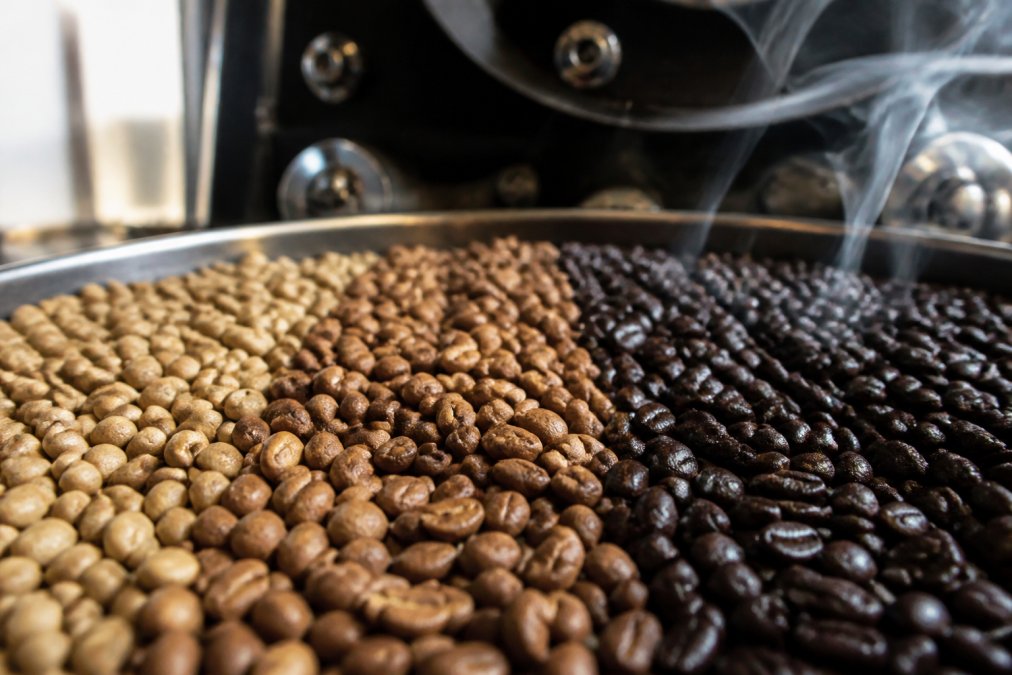
The practical implication: if you brew pour-over or use a Chemex, City Brew's lighter roasts will shine because those methods highlight delicate flavor notes. If you pull espresso shots or use a French press, Mission's darker roasts deliver the body and intensity those methods need.
City Brew's beans show more variation between origins because the light roast lets origin differences dominate. Mission's roasting style smooths some origin differences, letting the roaster's hand show more than the bean's birthplace. Both apply similar heat management principles, but the stopping point determines everything.
Bean Sourcing and Ethical Practices
City Brew emphasizes direct trade relationships with specific farms, listing farm name, region, and altitude for each offering. This model means higher prices for consumers but greater transparency about where money goes. Mission Coffee Roasters works with importers and brokers who specialize in sourcing specialty-grade beans, offering wider range and seasonal rotation but less direct traceability.
Both roasters source specialty-grade beans scoring above 80 on the 100-point specialty coffee scale, ensuring quality across both (sca.coffee). The difference is in sourcing philosophy and traceability depth. Direct trade offers complete transparency but limits seasonal variety. Broker-sourced beans offer more rotation but require trusting the importer's sourcing standards.
How to Choose a Coffee Roaster for Home Brewing
Start with your primary brewing method. Pour-over, Aeropress, and Chemex work best with City Brew's lighter roasts. Espresso machines and French press benefit from Mission's medium-dark roasts. Consider your flavor preference next: do you prefer bright, acidic coffees with pronounced fruit and floral notes (City Brew), or balanced, full-bodied cups with chocolate and nut notes (Mission)?
Evaluate sourcing transparency. If you want to know exactly which farm grew your beans, City Brew's direct trade model serves you better. If you value seasonal variety and are comfortable trusting an importer's sourcing standards, Mission's approach works well.
Test with single-origin offerings first. Order a small quantity and brew it with your standard method. This real-world test reveals how the roast profile performs in your equipment better than any description can. Budget matters too: direct trade coffees typically cost more per pound than broker-sourced beans.
| Selection Criteria | City Brew | Mission Coffee Roasters |
|---|---|---|
| Best for brewing method | Pour-over, Chemex, Aeropress | Espresso, French press |
| Roast profile | Light to medium | Medium to medium-dark |
| Sourcing transparency | Direct trade, farm-specific | Broker networks, region-specific |
| Flavor emphasis | Bright, fruity, delicate | Full-bodied, chocolate, nuts |
| Seasonal variety | Limited by direct relationships | High rotation |
| Typical price per pound | Higher | Moderate |
Brewing Methods and Equipment Compatibility
Pour-over brewers work best with lighter roasts because these devices highlight clarity and delicate flavors. City Brew's city roasts excel here. Espresso machines demand roasts with enough body to create crema and syrupy mouthfeel, where Mission's medium-dark roasts are engineered for extraction pressure.
French press creates full-immersion extraction that benefits from roasts standing up to intensity. Mission's roasts shine here. Aeropress and Moka pot brewing sit between these extremes and work well with both roasters. Cold brew requires coarser grounds and long steeping; Mission's darker roasts cold brew more smoothly because the roasting has already neutralized some acidity.
Grind size matters as much as roast profile. City Brew's lighter roasts need slightly finer grinds to extract fully. Mission's darker roasts work with slightly coarser grinds because the roasting has already broken down the bean structure.
How to Host a Coffee Tasting Event
Hosting a coffee tasting lets you compare City Brew vs Mission Coffee Roasters side-by-side. Order the same roast level from both roasters, ideally single-origin coffees roasted within a week of each other.
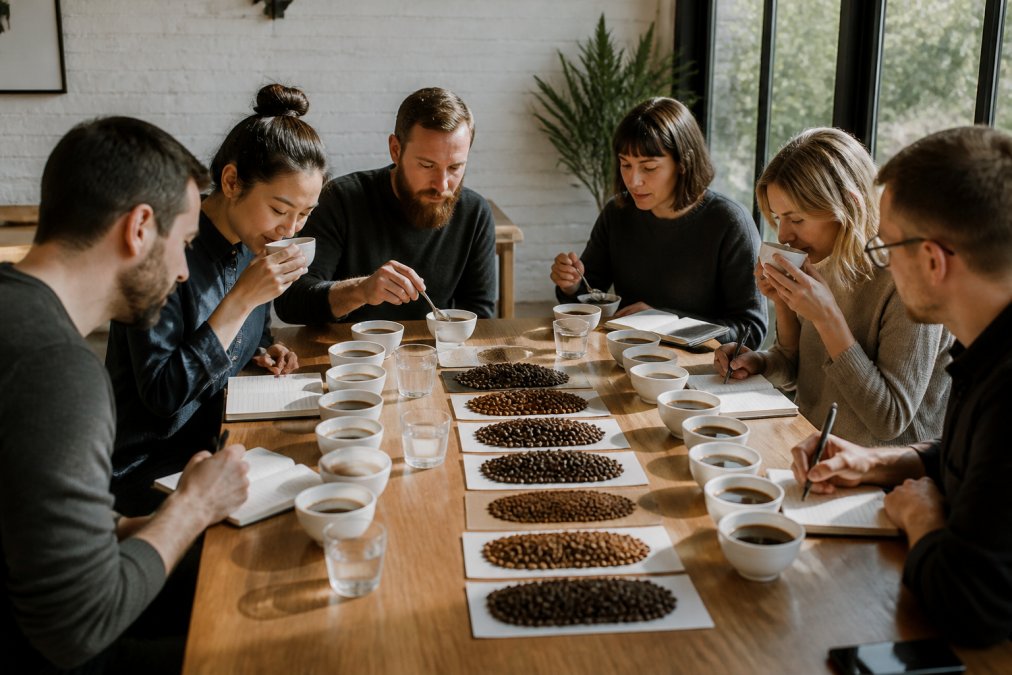
Grind immediately before brewing. Use the same brewing method for both coffees; pour-over works well for tastings. Brew both at the same water temperature (around 200°F) and coffee-to-water ratio (typically 1:16) (ncausa.org). Pour into identical cups and let them cool to around 140°F before tasting.
Taste systematically: smell both cups first, then take a small sip and let it coat your mouth for a few seconds. Notice the flavor progression, body, acidity, and specific flavor notes. Compare your notes to reveal your preference. Invite friends and compare notes together; tasting is subjective and group tastings reveal how much personal preference influences coffee perception.
Best Practices for Storing Roasted Coffee Beans
Roasted coffee begins degrading immediately after roasting. Oxygen, light, heat, and humidity are the enemies. Store beans in an airtight container away from direct sunlight. Glass jars with tight-sealing lids or ceramic containers with rubber gaskets work well. Avoid clear glass if possible.
Room temperature (around 70°F) is acceptable, but cooler is better. Never refrigerate or freeze beans unless storing longer than a month. Use beans within two weeks of the roast date for optimal flavor (sca.coffee). After two weeks, they remain drinkable but lose complexity.
Buy smaller quantities more frequently rather than large quantities stored for months. Grind immediately before brewing; ground coffee degrades within minutes as surface area increases oxygen exposure. Both City Brew and Mission Coffee Roasters ship beans within days of roasting, so proper storage after arrival determines whether freshness lasts two weeks or two months.
Subscription and Delivery Options
City Brew typically offers monthly subscriptions with options to customize roast level and origin, usually including delivery in subscription pricing. Mission Coffee Roasters emphasizes flexibility, allowing you to adjust shipment frequency, choose from current roast offerings, and modify your subscription online.
Both roasters typically ship within 2-3 business days after payment. Consider your consumption rate before subscribing: if you drink two cups daily, a half-pound per week might be appropriate. Most subscriptions allow adjustments, so you can start conservatively and increase frequency if needed.
Third Space Coffee offers locally roasted beans available for immediate pickup or delivery within the area. Our in-house roasting means beans are roasted fresh throughout the week, and you can purchase exactly what you need without committing to subscription models.
Choosing between City Brew vs Mission Coffee Roasters comes down to matching their roasting philosophy and sourcing practices with your brewing method and flavor preferences. City Brew's lighter roasts and direct trade sourcing appeal to coffee enthusiasts who value transparency and delicate flavor profiles. Mission Coffee Roasters' medium-dark roasts and flexible subscriptions work well for espresso drinkers and those who prioritize variety. However, Third Space Coffee brings both qualities together with in-house roasting that guarantees freshness, direct sourcing relationships, and flexible purchasing options. Visit Third Space Coffee to taste freshly roasted beans and experience how our commitment to quality and community creates exceptional coffee.
Frequently Asked Questions
Q: What is the difference between City Brew and Mission Coffee Roasters?
A: City Brew and Mission Coffee Roasters differ primarily in their roasting philosophies, bean sourcing strategies, and flavor profiles. Understanding these differences helps you select the roaster that aligns with your brewing preferences and values.
Q: How do I choose a coffee roaster for home brewing?
A: Start by identifying your brewing method (espresso, drip, French press) and preferred flavor profile (bright acidity, bold body, balanced). Research each roaster's sourcing practices, roast dates, and customer reviews. Request samples if possible. Consider freshness guarantees, packaging quality, and whether they provide detailed tasting notes. A quality roaster will offer transparency about their beans' origin and roasting process.
Q: Are both City Brew and Mission Coffee Roasters independent roasters?
A: Both operate as independent specialty roasters focused on quality and sourcing integrity. They maintain separate roasting operations and direct relationships with coffee farmers, distinguishing them from mass-market coffee suppliers. This independence allows them to control quality at every stage, from bean selection through roasting perfection.
Q: How should I store roasted coffee beans to maintain freshness?
A: Store beans in an airtight container away from direct sunlight, heat, and moisture. Keep them at room temperature, refrigerators and freezers introduce condensation that degrades flavor. Use beans within two to three weeks of the roast date for optimal taste. Grind only what you need immediately before brewing to preserve aroma and flavor compounds.
This article was written using GrandRanker