 ultimate-guide
Essential Food Safety Regulations for Coffee Roasters
Quick Summary
Coffee roasters fall under federal food safety regulations because the FDA treats roasted coffee as a food product under the Federal Food, Drug, and Cosmetic Act. Key requirements include FDA facility registration, state and local licensing, a written food safety plan, a HACCP plan, sanitation controls, and label and traceability compliance.
- Roasted coffee is treated as a food product subject to the Federal Food, Drug, and Cosmetic Act.
- Facilities that package roasted coffee for sale generally fall within FDA registration scope, subject to exemptions.
- Most licensing happens at the state and local level, so confirm requirements with local agencies.
- A HACCP plan identifies hazards and sets critical limits, monitoring, corrective actions and records.
- Lot codes and traceability records link finished bags to green coffee lots and roasting batches.
Table of Contents
Why Coffee Roasters Fall Under Federal Food Safety Rules
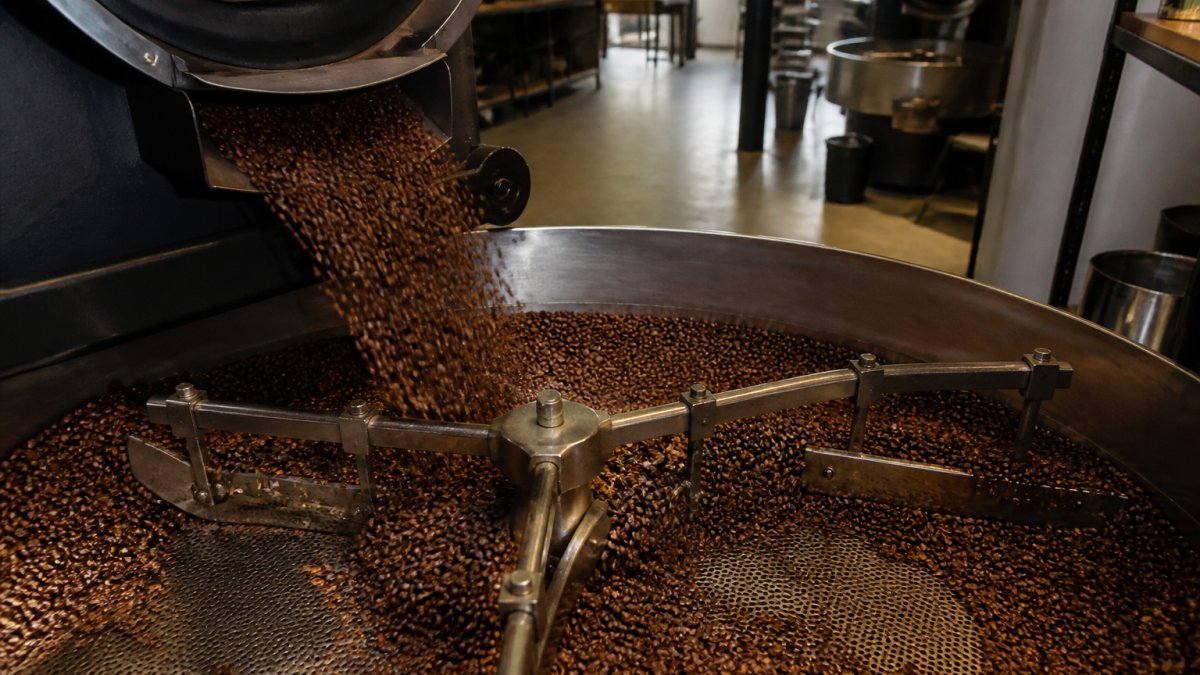
Coffee roasting is a food manufacturing operation, and the Food and Drug Administration (FDA) treats roasted coffee as a food product subject to the Federal Food, Drug, and Cosmetic Act. FDA Food Safety Modernization Act overview For roasters, that means the same preventive controls framework that governs larger food processors applies to the beans they roast, package and sell. Third Space Coffee roasts its own beans in-house, so the requirements below apply directly to how we operate.
Many roasters assume that because coffee is shelf-stable and roasted at high temperatures, food safety rules barely apply. That assumption causes problems. Green coffee arrives from farms, passes through warehouses, and is exposed to packaging, storage and handling steps where contamination, pests and mold can enter. Understanding where federal responsibility begins is the first step toward a compliant operation.
FDA Registration for Coffee Roasters: Who Must Register and How
Federal food facility registration is required for facilities that manufacture, process, pack or hold food for consumption in the United States. FDA food facility registration requirements A roaster that packages roasted coffee for sale generally falls within scope, while certain exemptions apply to farms, retail establishments that sell directly to consumers, and some other operations. Whether a specific roastery must register depends on its activities, so review the official criteria before assuming an exemption.
Registration is completed through FDA's online system and must be renewed on the schedule the agency sets. Keep the registration number, the facility's contact information, and a record of any changes, because outdated details can create compliance gaps during an inspection.
Local and State Licensing: Permits, Food Handler Training, and Inspections
Federal rules set the baseline, but most licensing happens at the state and local level. Roasters typically need a food manufacturing or processing license from the state agency that oversees food safety, along with local business and health permits. Requirements vary by state and county, so confirm them with the agencies where your facility sits.
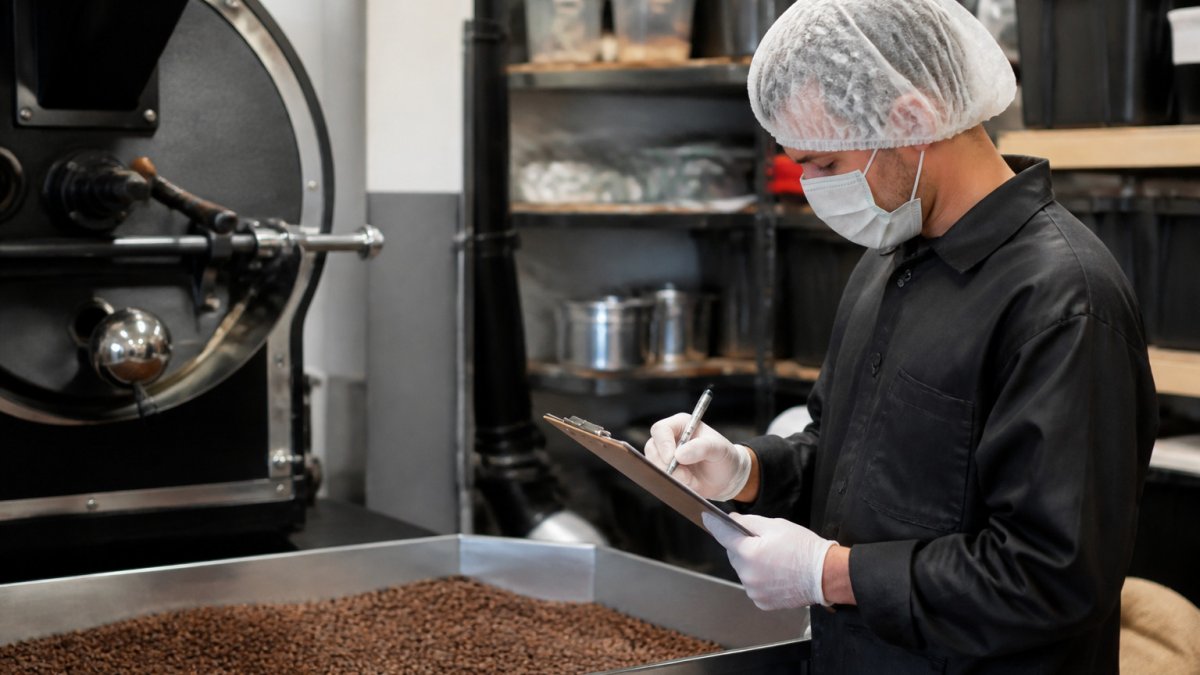
Food handler training is commonly required for staff who touch food or food-contact surfaces. Many jurisdictions accept certified food protection manager credentials recognized under the FDA Food Code, and some require a designated certified manager on staff. Expect routine inspections; keep training certificates, permits, and prior inspection reports on file where they can be produced quickly.
Building a Food Safety Plan for Coffee Roasters
A written food safety plan gives your roastery a single reference for how it prevents contamination. It should describe the facility, the products made, the people responsible for each control, and the procedures for cleaning, temperature control, pest management and employee hygiene. Written plans also make it easier to train new staff and demonstrate compliance during inspections.
Start by mapping every step from green coffee receiving through packaging. For each step, note what could go wrong, who checks it, and what record proves the check happened. This mapping becomes the foundation for the HACCP plan described below.
HACCP Plan for Coffee Roasters: Hazard Analysis, Critical Limits, and Records
Hazard Analysis and Critical Control Point (HACCP) is a systematic method for identifying hazards and controlling them at specific points in production. FDA Hazard Analysis and Critical Control Point guidance For roasters, the analysis usually covers biological hazards such as mold and pathogens, physical hazards such as stones or metal fragments, and chemical hazards that may enter with ingredients or cleaning agents.
A HACCP plan for a roastery typically includes:
- A hazard analysis for each process step
- Critical control points where a hazard can be prevented or eliminated
- Critical limits, such as minimum roasting temperatures or maximum moisture levels
- Monitoring procedures and who performs them
- Corrective actions when a limit is missed
- Verification activities and record-keeping
The records matter as much as the controls. Keep logs of monitoring, corrective actions and verification for the period the regulations require, and review them regularly.
Green Coffee Receiving and Supplier Controls
Receiving is where many roasteries first encounter hazards. Inspect incoming green coffee for damage, signs of pests, moisture problems, and foreign material. Verify that supplier documentation, including any certificates of analysis, matches what arrived. Approve suppliers based on documented food safety practices and keep records of approvals and any rejected lots.
Store green coffee in a dry, clean area away from chemicals and off the floor. Track lots from arrival through roasting so that if a problem surfaces, you can identify affected product quickly.
Roasting-Specific Hazard Controls and Validation
Roasting introduces its own controls. Temperature and time profiles must reach the levels your process requires to control microbial risk, and those profiles should be validated rather than assumed. Afterburner and exhaust systems need routine maintenance because accumulated chaff and residue create fire and contamination risks. Cooling and degassing steps should be monitored so that finished product is handled under controlled conditions.
Validation means confirming that your process achieves its intended result. Document the testing you perform and repeat it when equipment, suppliers or recipes change.
Coffee Roasting Facility Sanitation Requirements
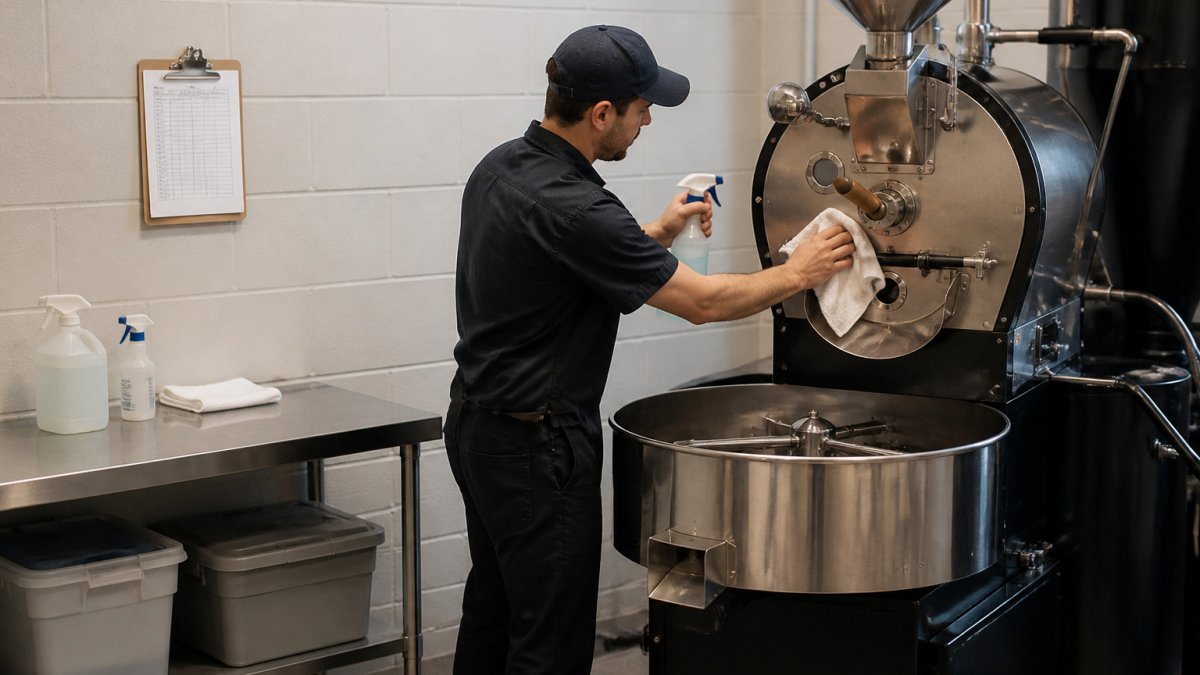
Sanitation keeps food-contact surfaces and the facility free of contamination, which is central to meeting food safety regulations. Roasting rooms, grinders, packaging equipment and storage areas need written cleaning schedules, approved sanitizers used at proper concentrations, and documented verification. Pest control should be handled through a licensed provider with service records kept on site.
Hand hygiene is equally important. Provide handwashing stations, require staff to wash before handling product, and reinforce practices such as keeping jewelry and illness reporting in place. Sanitation logs should show who cleaned what and when.
Packaging, Traceability, and Label Compliance for Roasted Coffee
Labels must accurately describe the product and include the information the FDA requires, such as the statement of identity, net quantity, the manufacturer's name and address, and an ingredient declaration. FDA food labeling requirements Allergen declarations and any nutrition claims must also meet federal standards.
Traceability lets you link finished bags back to the green coffee lots and roasting batches they came from. Use lot codes on every package and maintain records that connect lots across receiving, roasting and shipping. If a recall becomes necessary, traceability determines how quickly you can contain it. Packaging materials should be food-safe and stored so they do not become a source of contamination.
Setting Up Your Roastery's Compliance Checklist
Use this checklist as a starting point and adapt it to your facility:
- Confirm FDA food facility registration status and renewal date
- Obtain state and local food processing licenses and business permits
- Verify certified food protection manager and food handler training for staff
- Write a food safety plan covering all operations
- Complete a HACCP hazard analysis and document critical control points
- Set critical limits and monitoring procedures for roasting
- Establish supplier approval and green coffee receiving inspections
- Create written sanitation schedules and pest control service records
- Implement lot codes and traceability records for all packaged product
- Review labels against federal labeling requirements before each print run
Third Space Coffee's shop and ordering information are available on our shop page if you want to see how we run our roasting and retail operation day to day.
Frequently Asked Questions
Do coffee roasters need to register their facility with the FDA?
Most coffee roasting facilities that process food for sale in the United States must register with the U.S. Food and Drug Administration under the Food Safety Modernization Act. Registration is done through the FDA's online food facility registration system, and it must be renewed on the schedule the agency sets. Facilities that only handle green coffee and do not manufacture or process roasted product for sale should confirm their status with the FDA before assuming they are exempt.
What food safety regulations apply to coffee roasting businesses?
Coffee roasters in the United States are generally subject to the FDA's current Good Manufacturing Practice regulations, the preventive controls rules under the Food Safety Modernization Act, and the labeling requirements in the Federal Food, Drug, and Cosmetic Act. State and local health departments add their own licensing, inspection, and sanitation rules on top of these federal requirements. Requirements vary by state and county, so check with your local health authority before opening or changing your process.
Do coffee roasters need a HACCP plan or a food safety plan?
A food safety plan is the broader written document that covers how your facility controls hazards, sanitation, and employee practices. A HACCP plan is one specific type of food safety plan built around seven principles, including hazard analysis and identifying critical control points. Under the FDA's preventive controls rule, many facilities must have a written food safety plan prepared by a trained individual, and a full HACCP-style analysis is often the most practical way to meet that requirement. Smaller operations may qualify for exemptions, so review the rules that apply to your facility's size and products.
What sanitation practices should a coffee roasting facility follow?
Sanitation for a roastery should include a written cleaning schedule for roasters, grinders, packaging equipment, and surfaces, with the chemicals used and contact times recorded. Chaff, dust, and oily residue from roasting should be removed regularly, since they can harbor pests and affect product quality. Pest control should be managed through a licensed provider with service records kept on file. Employees should wash hands before handling product and after breaks, and facility conditions such as drainage, lighting, and ventilation should be inspected routinely.
How should coffee roasters store green coffee beans and roasted coffee?
Green coffee should be stored in a clean, dry area away from chemicals, pests, and moisture, on pallets or racks off the floor. Lot numbers and receiving dates should be recorded so that product can be traced. Roasted coffee should be stored in sealed, food-grade packaging and kept away from strong odors and direct heat. Inventory should be rotated first in, first out, and damaged or contaminated lots should be quarantined and documented before disposal.
What records should a coffee roaster keep for food safety compliance?
Keep supplier approval records, receiving logs with lot numbers, sanitation and cleaning logs, pest control service reports, employee training certificates, and records of any corrective actions taken. If you operate under a HACCP plan, keep monitoring records, verification records, and documentation of hazard analysis reviews. Records should be retained for the period the FDA requires and must be available for inspection on request.
Does a coffee roaster need a food handler permit or local food license?
Most jurisdictions require a food establishment or food processing license from the local or state health department, and many require at least one employee to hold a food handler or food protection manager certificate. The specific credential and its renewal period depend on your state and county. Contact your local environmental health office before you buy equipment or sign a lease, since facility layout and plan review requirements often apply before a license is issued.
What food safety risks should coffee roasters address in a hazard analysis?
A hazard analysis for a roastery should consider physical hazards such as stones, metal fragments, and packaging debris that can enter with green coffee; chemical hazards from cleaning agents and roaster exhaust residues; microbiological risks, including mold in poorly stored green coffee; and allergen cross-contact when flavored or nut-based products share equipment. Acrylamide formation during roasting is also a recognized concern to document. Each identified hazard should be assessed for likelihood and severity and then assigned a control measure.