 ultimate-guide
Is Decaf Coffee Actually Caffeine-Free? The Truth
Table of Contents
- Is Decaf Coffee Actually Caffeine-Free? The Short Answer
- How Much Caffeine Is in Decaf Coffee?
- How Is Decaf Coffee Made? Inside the Decaffeination Process
- Decaf vs Regular Coffee Caffeine: How Big Is the Difference?
- Why Decaf Still Contains Trace Caffeine
- What the 97% Caffeine-Free Label Actually Means
- Decaf Coffee Side Effects and Who Should Watch Their Intake
- Frequently Asked Questions
Last Updated: October 18, 2026
Is Decaf Coffee Actually Caffeine-Free? The Short Answer
No. Decaf coffee is not caffeine-free, and that gap between the label and the lab bench is where most confusion starts. A standard 8-ounce cup of decaffeinated coffee typically contains a small but measurable dose of caffeine, usually a few milligrams rather than the 95 or so in a regular cup. At Third Space Coffee, we roast in small batches and answer this question at the counter more often than almost any other, so here is the honest version: decaf means reduced, not zero. Below, we'll show you exactly how much is left, how the caffeine gets removed, and how to add up what you're actually drinking across a day.
How Much Caffeine Is in Decaf Coffee?
Most decaf lands somewhere between 2 and 15 milligrams of caffeine per 8-ounce cup, depending on the bean, the process, and how it's brewed. That range is wide because decaffeination is never perfect and because brewing extracts whatever remains at different rates.
For context, a regular cup of brewed coffee typically carries roughly 95 milligrams. So a decaf cup is often under 5% of that, but it is rarely zero.
The number that matters is your total. A single decaf cup is trivial for most adults. Four cups, a large mug, or a concentrated brew adds up faster than people expect.
Caffeine Totals Across Multiple Cups and Serving Sizes
Here's where the arithmetic catches people out. Serving size drives the total far more than the "decaf" label does.
| Serving | Typical caffeine (decaf) | Typical caffeine (regular) |
|---|---|---|
| 8-oz cup | 2-15 mg | ~95 mg |
| 12-oz mug | 3-22 mg | ~140 mg |
| 16-oz large | 4-30 mg | ~190 mg |
| 20-oz travel mug | 5-38 mg | ~235 mg |
Two 16-ounce decafs can land near 60 milligrams, which is more than a small regular coffee. That's not a reason to panic. It's a reason to count ounces, not cups.
How Decaf Compares to Other Everyday Caffeine Sources
Decaf is often the smallest caffeine source in a normal day. A can of cola typically carries around 30 to 40 milligrams, a standard cup of black tea roughly 40 to 50, and a shot of espresso about 60 to 65. A dark chocolate square adds a few more.
Put differently: one regular coffee can equal several decafs, but a single decaf is usually lighter than a soda or a tea. If you're cutting back, decaf is a genuine step down, not a placebo.
How Is Decaf Coffee Made? Inside the Decaffeination Process
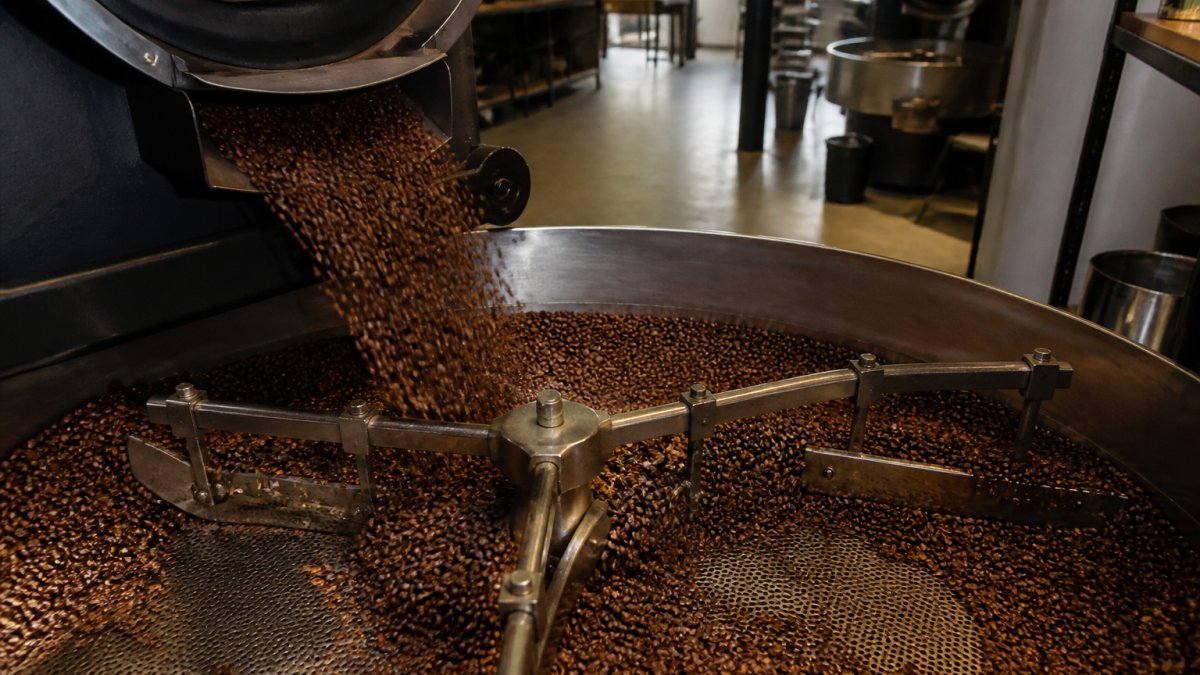
Decaffeination happens on green coffee beans before roasting, and every method relies on the same principle: caffeine dissolves in water, so it can be coaxed out of the bean while most flavor compounds stay put.
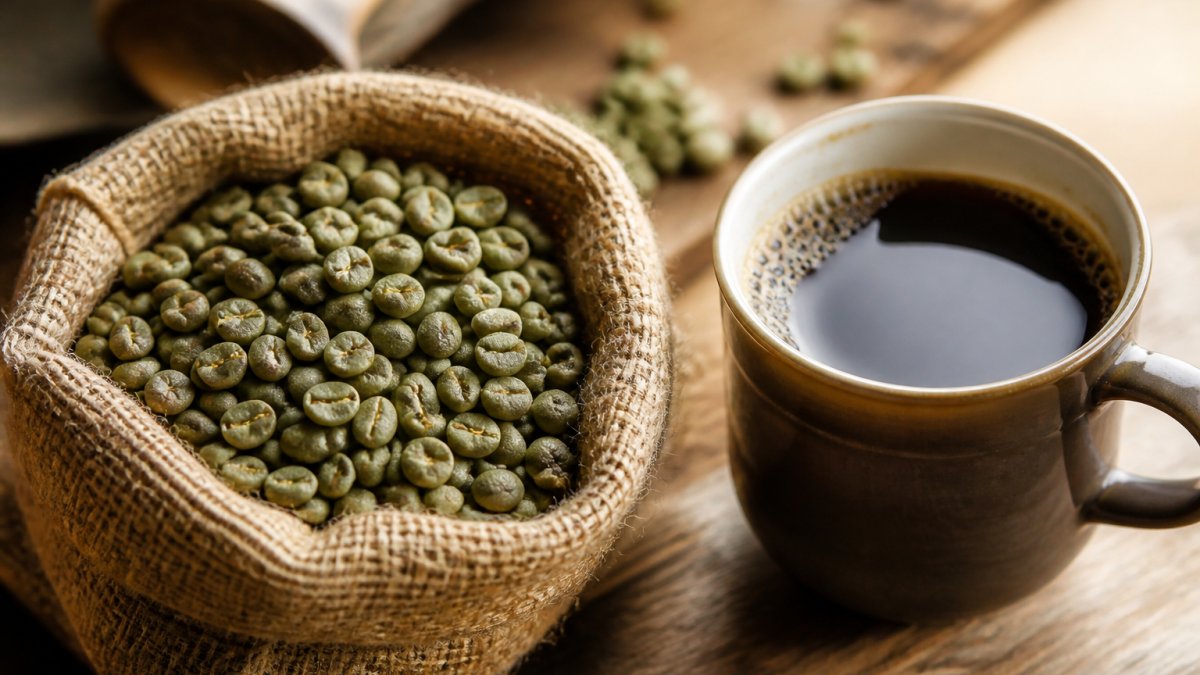
The method matters for flavor and for how much caffeine is left behind. It also explains why two decafs can taste and measure differently.
Water Process, Solvent Process, and Carbon Dioxide Process
Water process soaks the beans in hot water to dissolve caffeine, then filters the water through carbon to strip the caffeine and returns the flavor-rich water to the beans.
Solvent process uses a solvent, commonly ethyl acetate or methylene chloride, to bind and remove caffeine. The beans are steamed and the solvent is evaporated off, and the finished product must meet strict residue limits.
Carbon dioxide process uses pressurized CO2 to pull caffeine from the beans. It's efficient and gentle on flavor, and it leaves trace amounts like the others.
Whichever route a roaster picks, none of them strip caffeine to absolute zero.
Decaf vs Regular Coffee Caffeine: How Big Is the Difference?
The difference is large but not total. Regular brewed coffee typically holds around 95 milligrams per 8-ounce cup, while decaf usually holds a small fraction of that, often under 15 milligrams. You're looking at a reduction of roughly 90% or more in most cases.
That's the practical takeaway: decaf is a low-caffeine drink, not a caffeine-free one. For someone who is highly sensitive, that distinction is real. For most adults, one or two decafs sit comfortably inside a normal daily intake.
Why Decaf Still Contains Trace Caffeine
Trace caffeine survives because no removal method is perfect. The processes are designed to strip the vast majority of caffeine, not every molecule, and the standards that govern the "decaffeinated" label allow a small residue to remain.
Bean variety, roast level, and brewing method all shift the final number. A darker roast, a finer grind, or a longer steep extracts more of whatever caffeine is left. That's why two cups labeled decaf can measure differently, and why lab-tested figures vary from brand to brand.
What the 97% Caffeine-Free Label Actually Means
A "97% caffeine-free" claim describes how much caffeine was removed from the green bean, not a promise that your cup contains zero. If a bean starts with a given caffeine load, removing 97% leaves a small remainder behind, and that remainder is what shows up in the brewed cup.
The wording on packaging is deliberate. Under U.S. Food and Drug Administration labeling rules, a coffee may be called "decaffeinated" only if it has been processed to remove caffeine, and the common industry benchmark is removal of at least 97% of the caffeine originally present in the green bean. That is a reduction standard, not an absolute one.
How Caffeine Content Is Actually Measured
When you see a milligram figure for decaf, it usually comes from one of a few routes:
- Laboratory analysis of brewed samples, often by high-performance liquid chromatography (HPLC), which separates and quantifies caffeine in a prepared cup.
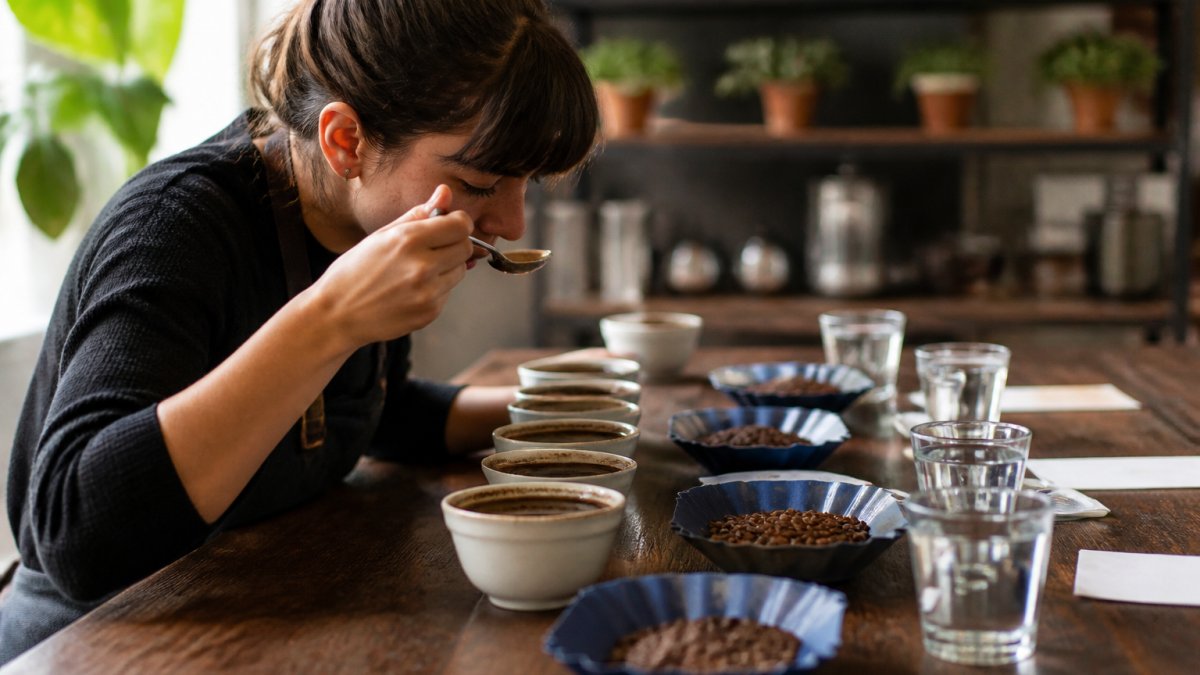
- Green-bean testing before and after decaffeination, which is how a percentage-removal claim is calculated.
- Published reference databases, such as the USDA FoodData Central entries for brewed coffee, which give ranges rather than single fixed values.
Each route answers a different question. A removal percentage tells you what happened to the bean; a brewed-cup milligram figure tells you what you are actually drinking. A coffee can meet a 97% removal standard and still test at a measurable few milligrams per cup, because the starting load and the brew strength both vary.
Why Reported Ranges Disagree
Two decafs labeled the same way can post different numbers for entirely ordinary reasons:
- Starting caffeine load. Arabica and robusta differ, and robusta carries more caffeine to begin with.
- Process efficiency. Water, solvent, and carbon dioxide methods do not strip caffeine identically.
- Brew ratio and grind. More coffee per ounce of water, or a finer grind, extracts more of whatever caffeine remains.
- Serving size. A café "large" is often 16 to 20 ounces, not 8, so the per-cup figure scales up.
That is why a label is best read as a reduction claim and a starting point, not a precise dose. If you need a specific number, for medical reasons, for example, ask the roaster whether the coffee has been lab-tested, and treat any published milligram figure as a range rather than an exact value.
Decaf Coffee Side Effects and Who Should Watch Their Intake
For most adults, the caffeine in a cup or two of decaf is too small to produce noticeable effects. The more useful question is not "is decaf safe?" but "how much total caffeine am I getting, and does it matter for me?" That framing is where most generic answers stop, so here is a practical way to think it through.
The Cumulative-Intake Math
Small amounts add up when servings are large or frequent. Using a mid-range estimate of about 10 milligrams per 8-ounce cup of decaf:
- One 8-ounce cup: ~10 mg
- A 16-ounce café large: ~20 mg
- Three 16-ounce decafs across a day: ~60 mg
- Four 20-ounce travel mugs: ~100 mg, roughly the caffeine in a single regular cup
None of those totals is alarming for a typical adult, but they show why "it's just decaf" is a weak safeguard if you are counting milligrams for a reason. The same arithmetic applies to tea, cola, chocolate, and some medications, which is why a daily total is more informative than any single drink.
Who Should Pay Closer Attention
The guidance below is general and not a substitute for advice from a clinician or pharmacist.
- Pregnancy. Major health authorities advise limiting total daily caffeine during pregnancy, and decaf counts toward that total rather than sitting outside it. Ask your prenatal provider for the limit that fits your situation.
- Medication use. Caffeine can interact with some drugs and can affect how others are metabolized. If you take prescription medication regularly, a pharmacist is the fastest source of a straight answer about your specific regimen.
- Caffeine sensitivity. If you notice jitters, a racing pulse, or disrupted sleep from small amounts, treat decaf as low-caffeine rather than zero and watch both serving size and timing.
- Sleep concerns. Caffeine's effect on sleep depends on dose and timing more than on the label. If you are sensitive, a large decaf late in the day can still matter.
What to Watch For
Most reported effects from decaf are mild and tied to volume: jitteriness, stomach upset, or poorer sleep after several large cups, especially in the evening. If you experience symptoms that concern you, or if you are managing a health condition, treat this article as background and get individualized guidance.
If you want to keep the ritual without the full caffeine hit, our in-house roasted decaf at Third Space Coffee gives you the same fresh-cup experience with a fraction of the dose. We're glad to talk through the roast and brewing options if you're watching your intake.
Frequently Asked Questions
How much caffeine is in a cup of decaf coffee?
A standard 8-ounce cup of decaf coffee typically contains about 2 to 15 milligrams of caffeine, though the exact amount varies by brand, bean, and brewing method. Some lab-tested decafs land under 5 mg per cup, while others creep toward 15 mg. For comparison, a regular 8-ounce brewed coffee usually has 95 to 165 mg. Serving size matters too: a 16-ounce decaf from a cafe can carry twice the caffeine of an 8-ounce cup.
Why does decaf coffee still contain caffeine?
Decaffeination removes most caffeine but never all of it. The processes used, whether water, solvent, or carbon dioxide, strip caffeine from green coffee beans before roasting, but they cannot extract every molecule without destroying the bean's structure and flavor. Federal rules allow coffee to be labeled decaffeinated as long as at least 97% of the caffeine has been removed, which leaves a small residual amount in every cup.
Can decaf coffee affect sleep or cause jitters?
For most people, the trace caffeine in one or two cups of decaf is unlikely to cause jitters or disrupt sleep. But caffeine sensitivity varies significantly. If you are highly sensitive, drink several cups, or sip decaf late in the evening, the cumulative milligrams can add up. A 16-ounce decaf at 10 mg per 8 ounces delivers 20 mg, which is enough to affect some sleepers. Watch your total daily caffeine intake, including chocolate, tea, and soda.
Is decaf coffee healthier than regular coffee?
Decaf coffee side effects are generally mild, and for many people decaf is a reasonable choice. It delivers many of the same antioxidants and polyphenols as regular coffee without the stimulant effect. The trade-offs: decaf may be slightly more acidic for some drinkers, and the decaffeination process can affect flavor. If caffeine worsens your anxiety, raises your blood pressure, or interferes with sleep, decaf is often the healthier option. Check with your doctor if you take medication or are pregnant.
Cutting back on caffeine shouldn't mean giving up good coffee. Third Space Coffee roasts our decaf in-house so you get a fresh, flavorful cup with a fraction of the caffeine, whether you're working remotely all day or hosting a morning meeting. Stop by for a pour-over, ask us about our current decaf roast, or book our meeting room for your next team gathering. Get started with Third Space Coffee and enjoy a lower-caffeine cup that still tastes like the real thing.