 ultimate-guide
Guide to Tasting Notes in Specialty Coffee
Table of Contents
- What Are Tasting Notes in Specialty Coffee
- How to Taste Coffee: A Beginner's Protocol
- Common Coffee Tasting Notes Examples
- Using the Coffee Flavor Wheel to Describe Notes
- Coffee Cupping Guide: Professional Evaluation
- Developing Your Palate: Why Tasters Perceive Different Notes
- How Roast Level, Origin, and Processing Affect Tasting Notes
- Frequently Asked Questions
Last Updated: October 10, 2026
What Are Tasting Notes in Specialty Coffee
Tasting notes are descriptive words used to identify specific flavors perceived in a cup of coffee. They're not invented by marketers or added during roasting. Instead, they emerge naturally from the beans' origin, processing method, roast level, and brewing technique.
This guide to tasting notes in specialty coffee bridges casual coffee drinking and specialty appreciation, giving you vocabulary to describe what your palate detects.
Are tasting notes added flavors or naturally occurring
This is the question we hear most often, and the answer is straightforward: tasting notes are naturally occurring. No flavoring agents, syrups, or artificial compounds are added to create them.
When a label says "notes of caramel," it means the coffee contains compounds that resemble caramel, comparisons to familiar flavors, not actual ingredients.
Different tasters identify different notes in the same coffee because sensory perception varies. Your taste buds, olfactory sensitivity, and prior experience all influence what you detect.
Where coffee flavors come from
Origin determines the baseline flavor potential.
Processing, the method used to separate the bean from the fruit, dramatically affects flavor. Washed coffees tend toward brighter, more acidic profiles with cleaner fruit notes.
Roasting activates and transforms compounds through heat. Light roasts preserve more origin-driven flavors and acidity.
When you taste a coffee and detect specific notes, you're experiencing the cumulative result of all three factors working together.
How to Taste Coffee: A Beginner's Protocol
Learning to taste coffee intentionally through this guide to tasting notes in specialty coffee is a learnable skill. Unlike casual drinking, structured tasting trains your senses to notice details you'd otherwise miss.

Step 1: Observe the aroma and fragrance
Before you taste, smell. Much of what we call "taste" is actually smell. Bring the cup close to your nose and inhale deeply. What do you notice first?
This initial assessment captures volatile compounds released as the coffee cools. Spend 10-15 seconds here; your first instinct is often accurate.
Step 2: Evaluate body, acidity, and balance
Take a small sip. Body is how the coffee feels, light, medium, or heavy. Acidity is the brightness you perceive, not pH. High acidity tastes lively; low acidity feels smooth.
Balance is how acidity, sweetness, and body work together. Swallow and notice the aftertaste, does it linger or fade?
Step 3: Identify flavor notes and finish
Take another sip and hold it 2-3 seconds. What flavors emerge? The finish is what remains after you swallow.
Write down your observations. Honesty matters more than specificity. Over time, descriptions become more refined as your palate develops.
Common Coffee Tasting Notes Examples
Specialty coffee descriptors fall into broad families. Learning these categories helps you organize what you're tasting and build confidence in your own palate assessment.
Fruity and floral descriptors
Fruity notes are common in lighter roasts. Berry notes appear in African coffees and high-altitude Central American beans. Citrus notes suggest brightness; stone fruits indicate sweetness.
Floral notes suggest aromatic complexity and higher perceived sweetness, often found in naturally processed coffees.
Nutty, chocolate, and caramel notes
Nutty and chocolate notes dominate medium roasts. Almond, hazelnut, and walnut suggest balanced coffee with moderate body. Chocolate notes signal lower acidity and fuller body.
Caramel, brown sugar, molasses, and honey notes all point to sweetness. These descriptors indicate a coffee where sweetness is a dominant characteristic, often paired with lower acidity and smooth mouthfeel. Coffees with these notes are approachable for many palates and work well as everyday brews.
Brightness, sweetness, and complexity
Brightness refers to perceived acidity and liveliness. A bright coffee tastes vibrant and energizing. Sweetness describes the absence of bitterness and the presence of sugary or dessert-like flavors. Complexity indicates multiple layers of flavor that evolve as the coffee cools or as you take successive sips.
A complex coffee might taste fruity on the first sip, then reveal chocolate notes, then finish with a spicy aftertaste. These coffees reward slow, intentional tasting. They're often specialty-grade coffees from single origins or thoughtfully designed blends.
Using the Coffee Flavor Wheel to Describe Notes
The Specialty Coffee Association (SCA) developed the coffee tasting wheel as a standardized reference for describing flavors. It organizes descriptors into categories, moving from broad to specific as you move outward from the center.
How the flavor wheel is organized
The wheel's center contains four primary categories: fruity, floral, sour, and roasted. Each category branches into more specific descriptors. Fruity splits into berry, citrus, and stone fruit. Floral divides into flower and herb. Sour includes salty and fermented. Roasted branches into burnt and tobacco.
This hierarchical structure helps you narrow down what you're tasting. Start with the broad category that feels closest, then move to the specific descriptor. The wheel prevents vague language and encourages precision.
Practical steps for identifying flavors
Start by looking at the wheel's center and identifying which quadrant matches your impression. Does the coffee taste more fruity, floral, sour, or roasted? Once you've chosen a quadrant, move outward to the next ring.
Continue outward until you land on a specific descriptor that resonates. If you're unsure between two options, taste again and compare. The wheel works best when you use it actively, not as a checklist, but as a guide to refine your observations.
Coffee Cupping Guide: Professional Evaluation
Cupping is the standardized method used by coffee professionals to evaluate and compare coffees. Understanding cupping helps you appreciate how specialty coffees are assessed and gives you a framework for your own tasting practice.
What cupping is and why it matters
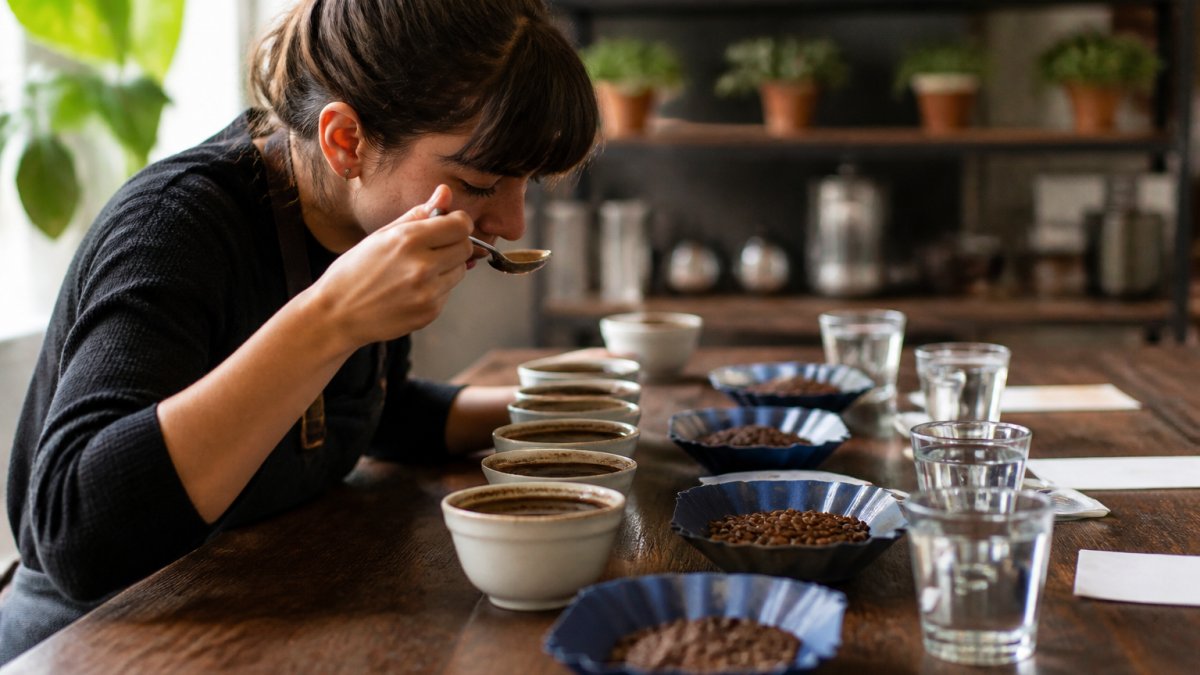
Cupping is a sensory evaluation protocol where multiple coffees are brewed identically and tasted side by side. Professionals score coffees on aroma, flavor, aftertaste, acidity, body, balance, overall impression, and consistency. The cupping score determines a coffee's grade and market value.
For consumers, cupping matters because it represents the methodology behind specialty coffee claims. When a roaster says a coffee scored 86 points, they're referencing the SCA cupping scale. Higher scores indicate higher quality.
Calibration exercises and tasting journal
Calibration means training your palate to recognize reference flavors consistently. Start by tasting known reference samples, pure chocolate, dried berries, honey, nuts, alongside your coffee. This anchors your sensory memory.
Keep a tasting journal. Record the coffee's origin, roast date, brewing method, and your observations for each tasting session. Over weeks and months, patterns emerge. You'll notice that coffees from certain regions consistently show similar characteristics. Your palate becomes more refined, and your descriptions more accurate.
Developing Your Palate: Why Tasters Perceive Different Notes
Two people tasting the same coffee may identify completely different flavor notes. This isn't because one person is right and the other wrong. It reflects genuine differences in sensory perception, experience, and expectation.
Sensory perception and flavor vocabulary
Your taste buds and olfactory receptors are unique. Genetic variation affects how sensitive you are to certain compounds. Some people are "supertasters" with heightened sensitivity to bitter compounds; others are less sensitive. This affects which notes you detect and how intensely you perceive them.
Flavor vocabulary matters equally. If you've never tasted blueberry jam or jasmine tea, you won't recognize those flavors in coffee. Your brain relies on past experience to identify tastes.
Brewing variables that change perceived notes
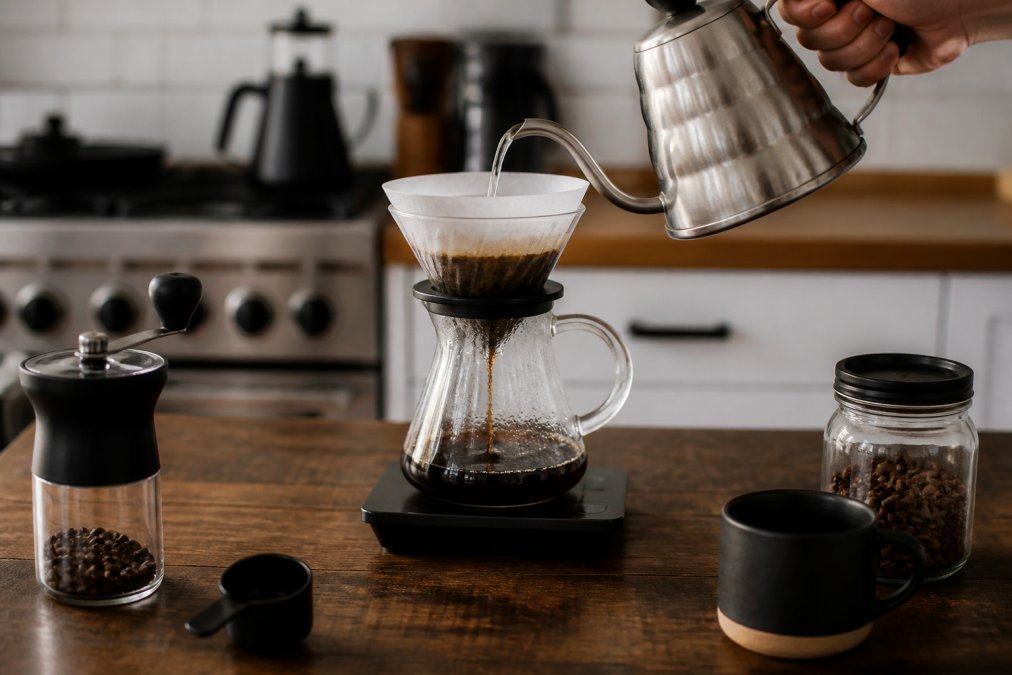
The same coffee brewed differently tastes noticeably different. Water temperature, brew time, grind size, and coffee-to-water ratio all influence extraction and flavor perception. A coffee brewed with water that's too cool may taste sour and underdeveloped (How Hot is Hot Enough? Brew Temperature, Sensory Profile, and Consumer Acceptance of...).
This is why standardizing your brewing method matters when you're learning to taste. Use consistent parameters so you can isolate how the coffee itself changes your perception, rather than confusing brewing variables with the coffee's actual character.
How Roast Level, Origin, and Processing Affect Tasting Notes
Roast level, origin, and processing are the three variables that determine a coffee's flavor profile.
Light roasts preserve origin flavors and acidity.
Origin shapes baseline flavor potential. African coffees often display fruity and floral characteristics.
Processing influences flavor intensity and clarity. Washed coffees taste clean and bright, with origin flavors clearly expressed.
At Third Space Coffee, our in-house roasting lets us control these variables precisely.
Learning to taste coffee intentionally transforms how you experience your daily cup.
Frequently Asked Questions
What are tasting notes in specialty coffee?
Tasting notes are flavor descriptors that capture the sensory experience of drinking coffee. They describe qualities like fruity, nutty, or chocolatey flavors that emerge naturally during brewing. These notes result from the coffee bean's origin, processing method, and roast level, not added flavoring. Specialty coffee professionals use standardized vocabulary and flavor wheels to communicate these characteristics consistently.
How do you identify tasting notes when you taste coffee?
Start by smelling the aroma before sipping. Take a small slurp and let it coat your palate, noting the body and acidity. Swallow and observe the aftertaste and finish. Compare what you taste to familiar foods and flavors. Using a coffee flavor wheel helps anchor your observations to specific descriptors. Practice with multiple coffees side-by-side to train your palate and build confidence in recognizing patterns.
Are coffee tasting notes added flavors or naturally occurring?
Tasting notes are naturally occurring flavors, not added ingredients. They develop through the coffee plant's genetics, growing conditions, altitude, and soil composition. During processing and roasting, chemical reactions intensify or create new flavor compounds. When you brew the coffee, hot water extracts these compounds into your cup. The descriptors, berry, chocolate, caramel, simply name the flavors that are already present in the bean.
Why does the same coffee taste different to different people?
Sensory perception varies based on individual taste bud sensitivity, prior flavor experiences, and the vocabulary you've learned. Someone familiar with berry flavors may identify them instantly, while another person might describe the same coffee as fruity without being specific. Brewing variables also matter: water temperature, brew time, and grind size change the flavors extracted. Calibration exercises and tasting multiple coffees together help standardize perception and build shared understanding.
What is the coffee flavor wheel and how do you use it?
The coffee flavor wheel is a visual reference that organizes flavor descriptors into categories like fruity, floral, nutty, and spicy. Start at the center with broad categories, then move outward to more specific notes. As you taste, use the wheel to narrow down what you're experiencing. For example, if you detect fruitiness, the wheel helps you distinguish between berry, citrus, or stone fruit. This structured approach builds vocabulary and makes tasting notes more consistent and communicable.
How does brewing affect the tasting notes I perceive in my coffee?
Brewing variables significantly change which flavors you extract and how prominent they are. Hotter water and longer brew times extract more compounds, often bringing out bitter or roasted notes. Cooler water and shorter times emphasize clarity and delicate flavors like floral or fruity notes. Grind size, coffee-to-water ratio, and brew method all influence the final cup. Experimenting with these variables helps you understand how the same bean can taste quite different depending on how you brew it.
What is coffee cupping and why do professionals use it?
Cupping is a standardized tasting protocol used by specialty coffee professionals to evaluate and compare coffees objectively. Hot water is poured over ground coffee in small bowls, and tasters assess aroma, flavor, body, acidity, balance, and aftertaste using consistent criteria. This method removes brewing equipment variables, allowing tasters to focus purely on the coffee's inherent qualities. Cupping helps roasters verify quality, identify defects, and communicate tasting notes accurately to customers.
How can I develop my palate to taste coffee like a professional?
Build your palate through consistent practice and calibration. Taste multiple coffees side-by-side to compare and contrast flavors. Keep a tasting journal noting what you perceive in each coffee. Reference a flavor wheel during tasting to anchor observations to specific descriptors. Taste familiar foods and beverages mindfully to expand your flavor vocabulary. Join cupping sessions or coffee tastings to learn from experienced tasters. Over time, your sensory memory strengthens and recognition becomes faster and more accurate.