 ultimate-guide
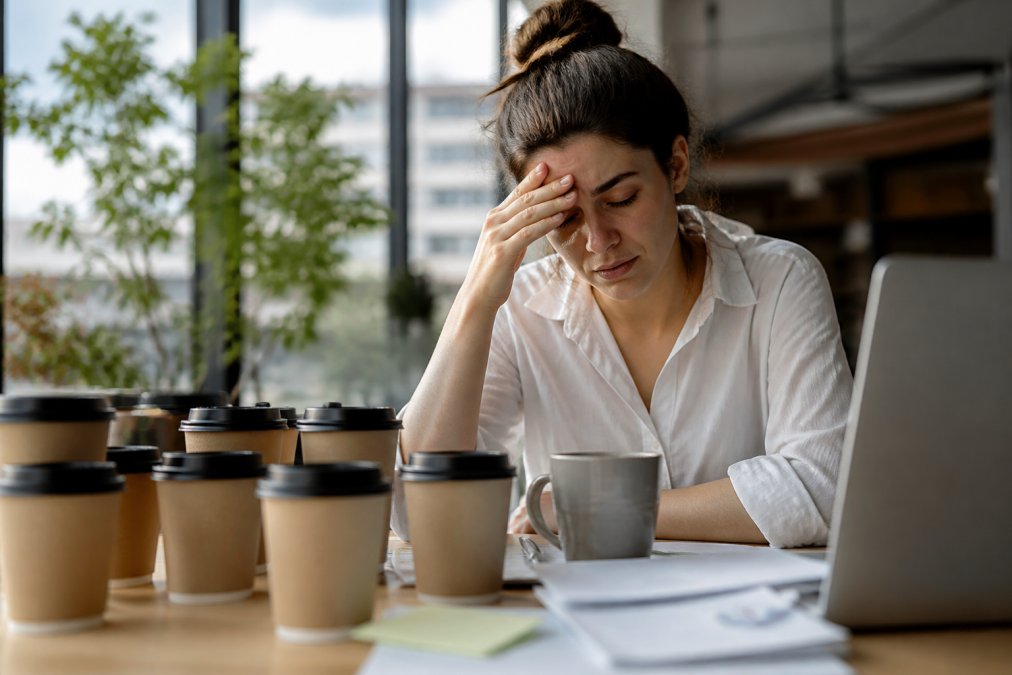
Side Effects of Too Much Coffee: What You Need to Know
Table of Contents
- How Much Coffee Is Too Much? Understanding Caffeine Toxicity
- Physical Side Effects of Excessive Coffee Consumption
- Mental Health Impacts: Anxiety, Agitation, and Cognitive Effects
- Sleep Disruption and Insomnia From Caffeine
- Recommended Daily Caffeine Limit and Safe Intake Guidelines
- Caffeine Withdrawal Symptoms and Tolerance
- How to Reduce Caffeine Intake Safely
- Individual Factors That Affect Caffeine Sensitivity
- Frequently Asked Questions
Last Updated: September 4, 2026
Coffee is a central nervous system stimulant that works by blocking adenosine receptors in the brain, which is why it keeps you alert. However, the side effects of too much coffee can quickly turn that productivity boost into a cascade of physical and mental discomfort, ranging from jitteriness to serious cardiovascular strain. At Third Space Coffee, we roast and serve coffee daily, so we take a practical interest in helping you enjoy it responsibly without tipping into caffeine toxicity. This guide breaks down exactly where the line is, what happens when you cross it, and how to pull back safely.
Most people assume they will "just know" when they have had too much, but caffeine overdose symptoms often build gradually. The FDA suggests that healthy adults can safely consume up to 400 milligrams of caffeine per day, which is roughly four 8-ounce cups of brewed coffee FDA guidance on caffeine intake. Exceeding that threshold consistently, or consuming a massive dose at once, triggers a distinct set of physiological responses. Below, we will cover the specific side effects by body system, the recommended daily caffeine limit, and a step-by-step plan for cutting back if you have become dependent.
How Much Coffee Is Too Much? Understanding Caffeine Toxicity
Caffeine toxicity occurs when your blood caffeine concentration exceeds what your liver can metabolize, typically from a rapid intake of 1,200 milligrams or more. For context, that is roughly 12 cups of strong coffee in a short window, a scenario more common with energy drinks and caffeine pills than with sipping coffee. The condition is distinct from the mild discomfort of overindulgence; it is a medical emergency that can involve vomiting, confusion, and seizures.
Most coffee drinkers never approach that danger zone. The real issue is chronic overconsumption, where you hover at or above the 400-milligram daily limit for months. This sustained load keeps your cardiovascular system in a state of low-grade overdrive and disrupts your sleep architecture nightly. Understanding the difference between acute toxicity and cumulative overuse matters, because the warning signs and the fixes are entirely different.
Physical Side Effects of Excessive Coffee Consumption

The physical toll of excess caffeine shows up in several overlapping systems, and the effects are rarely isolated. If you are consuming well above the recommended daily caffeine limit, you will likely notice cardiovascular, digestive, and neuromuscular symptoms first. These are the body's direct responses to a stimulant it cannot clear quickly enough.
Cardiovascular Effects: Heart Rate and Blood Pressure
Caffeine stimulates the release of adrenaline, which raises your heart rate and causes vasoconstriction, a narrowing of blood vessels that drives up blood pressure. For most healthy people, a single cup produces a temporary, manageable spike. But with repeated doses throughout the day, your heart rate can remain elevated for hours, leading to a sensation of heart palpitations or even tachycardia, a resting heart rate above 100 beats per minute.
If you have underlying hypertension or a history of arrhythmia, the risk is greater. Research in the Journal of the American Heart Association indicates that while moderate intake is generally safe, consuming large amounts regularly is associated with increased cardiovascular risk in susceptible individuals. If your resting heart rate feels noticeably faster after your second or third cup, that is your signal to stop for the day.
Gastrointestinal Distress and Digestive Issues
Coffee is naturally acidic, and it stimulates gastric acid secretion, which can irritate the stomach lining. Regular overconsumption often results in gastrointestinal distress, including acid reflux, heartburn, and a feeling of stomach cramping. The diuretic effect of caffeine also accelerates fluid loss, which can contribute to dehydration and worsen digestive sluggishness.
The timing of your intake matters as much as the volume. Drinking coffee on an empty stomach amplifies acid production and speeds the transit of contents through your digestive tract, which is why many people experience loose stools shortly after their morning brew. Pairing coffee with food slows absorption and buffers the acid, reducing the likelihood of stomach upset.
Tremors, Jitteriness, and Muscle Tension
That shaky feeling after one cup too many is a direct result of caffeine overstimulating your nervous system. At higher doses, caffeine increases muscle tension and can cause visible tremors in the hands, along with a generalized feeling of jitteriness. These symptoms are your body signaling that the stimulant load has exceeded a comfortable metabolic rate.
The onset is usually within 30 to 60 minutes of consumption, peaking as blood caffeine levels crest. For people with high caffeine sensitivity, even a single strong cup can produce these effects. The tremors are not dangerous on their own, but they are a clear indicator that your intake is above your personal tolerance, and they often accompany the anxiety and agitation discussed next.
Mental Health Impacts: Anxiety, Agitation, and Cognitive Effects
Excess caffeine does not just make you physically restless; it directly alters your brain chemistry in ways that mimic anxiety disorder symptoms. High doses overstimulate the amygdala and prefrontal cortex, which can trigger feelings of acute agitation, racing thoughts, and a sense of panic. For individuals already prone to anxiety, caffeine can act as a catalyst, turning manageable stress into overwhelming dread.
Paradoxically, while small doses improve focus, excessive intake causes cognitive impairment. You may find it harder to concentrate, experience scattered thinking, or feel irritable without a clear trigger. The stimulant effect narrows your attention to a hyper-vigilant state, which is counterproductive for deep, sustained work. If your afternoon coffee habit leaves you feeling wired but unable to focus, the caffeine is working against you. avoiding coffee jitters.
Sleep Disruption and Insomnia From Caffeine
Caffeine is the most widely used sleep disruptor in the world, and its effects last far longer than most people realize. The half-life of caffeine, the time it takes your body to eliminate half of it, ranges from three to five hours for most adults. This means that a 4 PM coffee still leaves a significant amount of caffeine circulating in your bloodstream at bedtime.
That lingering caffeine interferes with sleep architecture, particularly the deep, restorative stages. It reduces total sleep time, delays sleep onset, and diminishes slow-wave sleep, leaving you feeling unrefreshed even after a full night in bed. The insomnia creates a vicious cycle: poor sleep makes you reach for more coffee the next day, which further degrades your sleep quality. To protect your sleep, most sleep specialists recommend stopping caffeine intake at least eight to ten hours before your planned bedtime.
Recommended Daily Caffeine Limit and Safe Intake Guidelines
The recommended daily caffeine limit for healthy adults is 400 milligrams, according to FDA consumer advice on caffeine. This translates to roughly three to four standard cups of brewed coffee. Pregnant individuals are advised to cut that number in half, limiting intake to 200 milligrams per day to reduce risk to the developing fetus American College of Obstetricians and Gynecologists guidance.
Staying within the limit requires knowing the milligrams per serving in your drink of choice. A standard 8-ounce brewed coffee contains about 95 milligrams, but a 12-ounce latte from a cafe can easily contain 150 milligrams or more due to the double shot of espresso. Specialty drinks, cold brew concentrates, and energy drinks often pack significantly more caffeine than you might expect.
| Beverage | Typical Serving | Approximate Caffeine |
|---|---|---|
| Brewed coffee | 8 oz | 95 mg |
| Espresso | 1 oz shot | 63 mg |
| Cold brew concentrate | 8 oz | 150-200 mg |
| Drip coffee (large cafe cup) | 16 oz | 190 mg |
| Decaf coffee | 8 oz | 2-5 mg |
The key is tracking your total intake across all sources, not just your morning mug. A large cafe coffee, an afternoon energy drink, and a piece of dark chocolate can collectively push you past the limit without a single obvious culprit.
Caffeine Withdrawal Symptoms and Tolerance
If you drink coffee daily, your brain adapts by upregulating adenosine receptors to compensate for the constant blockade. This is tolerance, and it means you need more coffee to achieve the same alertness over time. The downside is that when you stop, those extra receptors suddenly have nothing blocking them, leading to a flood of adenosine that produces caffeine withdrawal symptoms.
Withdrawal typically begins 12 to 24 hours after your last cup and peaks within the first two days. Common symptoms include a throbbing headache, fatigue, difficulty concentrating, and a depressed mood. The headache is caused by vasodilation, as blood vessels that were constricted by caffeine suddenly widen, increasing blood flow and pressure in the skull. These symptoms can last anywhere from two to nine days, depending on your level of dependence.
How to Reduce Caffeine Intake Safely
The biggest mistake people make when cutting back is quitting cold turkey, which guarantees a brutal withdrawal period. A gradual reduction over one to two weeks is far more effective and manageable. The goal is to lower your intake by roughly 25 percent every few days, allowing your adenosine receptors to slowly readjust without triggering severe withdrawal symptoms.
Start by tracking your total daily intake for a few days to establish a baseline. Then, reduce your intake by one quarter, either by drinking smaller portions or by swapping one regular coffee for a half-caffeinated blend. Replace eliminated coffee with herbal tea or water to maintain fluid intake. Once you reach two cups a day, begin substituting one cup with decaf to ease the final transition. Expect some mild fatigue and a possible headache during the first week, but these should be far less intense than a cold turkey cessation.
Individual Factors That Affect Caffeine Sensitivity
Caffeine sensitivity varies dramatically between individuals, driven largely by genetics and metabolic factors. The primary enzyme responsible for caffeine metabolism, CYP1A2, is encoded by a gene that comes in fast and slow variants. Fast metabolizers clear caffeine quickly and can drink coffee late in the day without sleep disruption, while slow metabolizers feel the effects of a single cup for hours and face higher cardiovascular risk from regular intake National Institutes of Health research on caffeine metabolism.
Age also plays a significant role. Older adults metabolize caffeine more slowly, and adolescents are more sensitive to its effects on blood pressure and sleep. Other factors, including pregnancy, liver function, and certain medications, can slow caffeine clearance and amplify its side effects. This individual variability is why the 400-milligram guideline is a ceiling for healthy adults, not a target, and why some people need to stay well below it to feel their best.
If you are a coffee lover looking to enjoy your daily brew without the side effects of too much coffee, the solution is moderation and mindfulness about timing. At Third Space Coffee, we roast our beans in-house and serve a full range of options, including decaf and half-caffeinated blends, so you can find the right balance for your body. We also offer a welcoming space with reliable Wi-Fi and comfortable seating for remote workers who want to enjoy quality coffee without overdoing it. Visit us to explore our locally roasted beans and find your perfect cup.
Managing your coffee intake is a matter of understanding your own tolerance and respecting the recommended daily caffeine limit. If you find yourself experiencing physical discomfort, anxiety, or sleep disruption, use the gradual reduction plan above to reset your baseline. Third Space Coffee is here to support your coffee journey with high-quality, in-house roasted beans and a variety of brew options that fit your needs. Get started with Third Space Coffee and discover how good a balanced coffee habit can taste.
Frequently Asked Questions
What are the main signs that you're drinking too much coffee?
Common signs include heart palpitations, jitteriness, anxiety, difficulty sleeping, and digestive problems. You might also experience tremors, restlessness, or difficulty concentrating. These symptoms typically appear after consuming more caffeine than your body can process efficiently. If you notice these effects, it's time to reassess your intake and consider reducing consumption gradually.
How many milligrams of caffeine per day are considered safe for most adults?
The FDA recommends that healthy adults limit caffeine intake to 400 milligrams per day, which is roughly equivalent to four 8-ounce cups of brewed coffee. However, individual tolerance varies based on body weight, metabolism, medications, and sensitivity. Pregnant individuals should consume no more than 200 milligrams daily. Children and adolescents should avoid or severely limit caffeine consumption.
What caffeine withdrawal symptoms can you expect when cutting back?
Caffeine withdrawal typically includes headaches, fatigue, difficulty concentrating, irritability, and anxiety. These symptoms peak within 24-48 hours and usually resolve within 7-10 days. The severity depends on how much caffeine you were consuming and how quickly you reduce intake. Gradual reduction rather than quitting abruptly minimizes withdrawal discomfort and increases your chances of success.
What's the safest way to reduce caffeine intake?
Gradually decrease consumption over 2-3 weeks rather than stopping abruptly. Mix regular coffee with decaffeinated coffee, increasing the decaf ratio each week. Replace one caffeinated beverage daily with herbal tea or water. Track your intake to understand which sources contribute most to your daily total. Stay hydrated and get adequate sleep during this transition, as both support your body's adjustment to lower caffeine levels.
This article was written using GrandRanker