 ultimate-guide
Tips for Planning Intimate Private Events
Table of Contents
- Define Your Event Goals and Vision
- How to Choose a Venue for a Small Party
- Create a Private Event Budget Template
- Build Your Guest List and Manage RSVPs
- Plan Your Menu and Dietary Accommodations
- Develop a Private Event Planning Checklist
- Create Your Day-of Timeline and Coordinate Details
- Follow Up After Your Intimate Private Event
- Frequently Asked Questions
Last Updated: August 25, 2026
Define Your Event Goals and Vision
Before booking a venue or sending invitations, clarify your core purpose. Are you celebrating a milestone, strengthening team bonds, or creating a meaningful gathering? Write down three things: what you want guests to feel when they leave, what memories you want them to take home, and what success looks like for you. This clarity becomes your north star when making trade-offs.
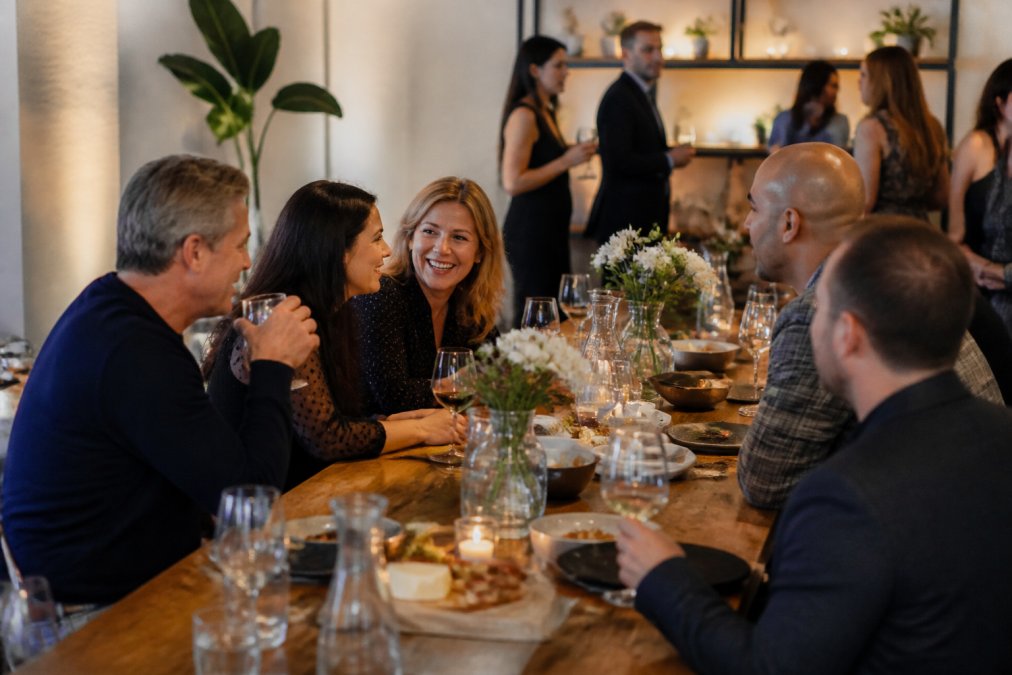
Consider the atmosphere you're creating. Smaller groups allow deeper conversations; larger intimate gatherings require intentional design to maintain closeness. Decide whether you want formal sit-down experience or casual mingling. Document your vision in a simple one-page summary: event type, date range flexibility, approximate guest count, desired atmosphere, and non-negotiable elements. This reference point keeps you grounded when decision fatigue sets in.
How to Choose a Venue for a Small Party
For intimate private events, the space itself becomes part of the experience. Start by listing non-negotiables: Do you need a kitchen for food prep? Wi-Fi for hybrid attendance? Dedicated parking? How many hours of exclusive access? These constraints immediately eliminate unsuitable options.
Visit venues in person at the same time of day your event will happen. Check lighting, natural light transforms a room while poor artificial lighting can make gatherings feel cold. Test acoustics by speaking at normal volume. For intimate events, sound quality matters.
Ask about flexibility. Can you rearrange furniture, bring outside catering, or add your own decor? Third Space Coffee offers flexible meeting room rental options that let you shape the environment to match your event vision, with in-house roasted coffee available for guests.
Confirm what's included in the rental price: tables, chairs, lighting, setup and breakdown time. Get everything in writing before committing to avoid hidden fees.
Create a Private Event Budget Template
A realistic budget prevents mid-planning stress. Allocate roughly 30-40% to venue rental, 30-35% to food and beverages, 10-15% to decor and flowers, and 10-15% to everything else (rentals, entertainment, favors, contingency) (ises.org). Adjust based on your priorities.
Create a line-item spreadsheet listing every expense category with realistic dollar amounts. When you see numbers laid out, you'll spot where to save without sacrificing quality. For food and beverages, consider your options: full catering with servers costs more than drop-off catering, which costs more than potluck-style gatherings.
Track every quote and contract in a folder with vendor agreements, payment terms, and cancellation policies. Build in a contingency line of 5-10% for unexpected costs. This protects you financially and reduces anxiety as the event approaches.
Build Your Guest List and Manage RSVPs
Your guest list defines the entire event. For intimate private events, every person shapes the chemistry and conversation. Start with your core group, then consider who would enhance the dynamic. Think about mix: are these all colleagues, or a blend of friends from different parts of your life?
Set a firm guest count and stick to it. Intimate gatherings typically feel best with 15-40 people (peer-reviewed research). Send invitations at least three weeks in advance with all details: date, time, location with parking information, dress code, what to bring, and RSVP deadline. Make RSVPing easy with a simple email response or online form.

Follow up one week before the event with reminders and confirmations. Track RSVPs in a spreadsheet noting attendance, dietary restrictions, and accessibility needs. Share relevant details with your caterer and venue coordinator. Handle last-minute changes gracefully by planning for cancellations and plus-one requests in advance.
Plan Your Menu and Dietary Accommodations
Food and beverages set the tone for intimate private events. Ask about dietary restrictions when collecting RSVPs with a question like "Do you have any dietary restrictions or allergies we should know about?"
Plan a menu that works for your guest count and venue. For 20-30 people, passed appetizers with stationary platters work well. For smaller groups, cocktail-style menus encourage mingling. For seated gatherings, simple plated meals or family-style service keeps focus on conversation. planning large reunions.
Offer vegetarian, vegan, gluten-free, and allergen-free options. Third Space Coffee offers diverse dietary options including gluten-free and vegan choices, so guests with different needs feel genuinely accommodated. Communicate dietary accommodations to your caterer in writing, including guest names with specific restrictions.
Plan for timing. Know when food will be served and whether there will be formal meals or continuous grazing. For intimate events, the rhythm of eating affects conversation flow. Serve food when energy naturally dips.
Develop a Private Event Planning Checklist
Use this template and adjust based on your specific event.
12 weeks before:
- Define event goals and vision
- Set date and approximate guest count
- Establish total budget
- Research and tour potential venues
- Make venue reservation
8 weeks before:
- Book catering or finalize food plans
- Arrange rentals (tables, chairs, linens, equipment)
- Plan menu and dietary accommodations
- Create guest list
- Design and order invitations
6 weeks before:
- Send invitations
- Book entertainment or speakers if needed
- Plan decor and flowers
- Confirm all vendor contracts and payment terms
- Create event timeline and coordinate with vendors
4 weeks before:
- Follow up on RSVPs
- Finalize headcount with caterer
- Confirm all vendor details and timing
- Create detailed day-of timeline
- Plan parking and arrival logistics
2 weeks before:
- Final RSVP deadline
- Confirm final guest count
- Reconfirm all vendors
- Create seating chart if applicable
- Prepare any remarks or toasts
1 week before:
- Send reminder invitations
- Final confirmation calls to all vendors
- Prepare event day materials (timeline, vendor contacts, emergency numbers)
- Arrange last-minute details
- Get a good night's sleep
Day before:
- Pick up any items you're bringing
- Charge your phone and camera
- Review timeline one final time
- Prepare remarks or toasts
- Delegate responsibilities to helpers
Day of:
- Arrive early for setup
- Do final walkthrough of the space
- Greet vendors as they arrive
- Check that all elements are in place
- Enjoy your event
Create Your Day-of Timeline and Coordinate Details
A detailed timeline keeps your event flowing smoothly. Build your timeline backward from your end time. If your event ends at 8 PM, work backward through each element: when will dessert be served, when will the main course come out, when will guests arrive, when do you need setup complete?
Include buffer time between activities. Assign specific people to specific tasks rather than assuming someone will "help." Clear assignments prevent duplicate effort and forgotten tasks. Share your timeline with these people at least one week before.
Create a master contact list with every vendor, helper, and key guest including phone numbers and email addresses. Send this list to your core team the day before your event.
Plan for contingencies. What happens if a vendor is late or someone gets sick? Having backup plans for major elements keeps you from panicking.
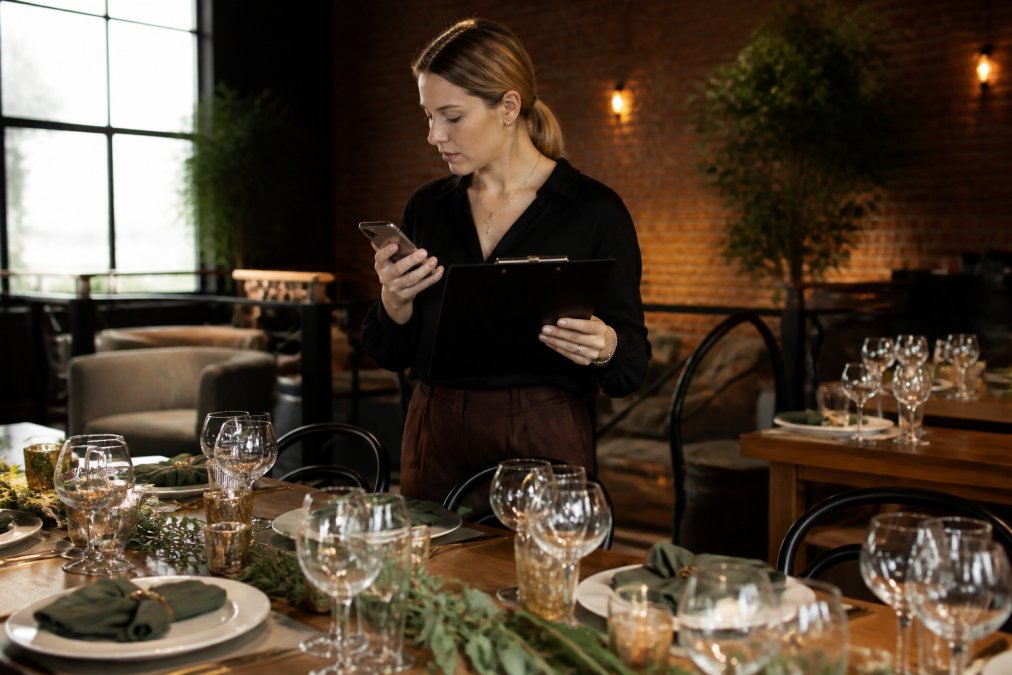
Designate one person as the point person for vendor questions and issues. This person has your master timeline and contact list and handles all coordination, freeing you to actually host and enjoy the event.
Follow Up After Your Intimate Private Event
Send thank-you notes within one week (apa.org). Mention something specific about the person or conversation you had with them. Share photos if you took them, either individually or as a group.
Ask for feedback if appropriate: "I'd love to know what you thought, what was your favorite part?" Settle all vendor invoices promptly and confirm satisfaction. Reflect on what worked and what you'd change by writing down three things that went well and three things you'd do differently.
Stay in touch with guests through occasional messages or future invitations. People remember how you made them feel, and thoughtful follow-up reinforces that they were genuinely valued.
Planning intimate private events doesn't require a team of professionals or unlimited budget. It requires clarity about what you want to create, attention to details that matter, and genuine care for your guests. Third Space Coffee's flexible meeting room rental options and locally roasted coffee make it easy to host gatherings that feel personal and welcoming, giving you one less thing to worry about while you focus on what really matters: bringing people together.
Frequently Asked Questions
How far in advance should you start planning a private event?
Start planning 6-8 weeks ahead for intimate private events with 20-40 guests. This timeline gives you space to secure your venue, finalize your guest list, and coordinate vendors without rushing. For smaller gatherings of 10-15 people, 3-4 weeks may suffice. Starting early reduces stress and ensures better availability for your preferred date and time.
What should be included in a private event planning checklist?
Your private event planning checklist should cover: venue booking and confirmation, guest list creation and RSVP tracking, budget allocation across categories, menu planning and dietary restrictions, decor and ambiance setup, vendor coordination (catering, music, photography), day-of timeline creation, and post-event thank-you communications. A comprehensive checklist prevents overlooked details and keeps your team aligned on responsibilities.
How do you determine the budget for a small private event?
Start by multiplying your guest count by your per-person spending target, then allocate percentages: typically 30-40% for venue and catering, 20-30% for decor and ambiance, 15-20% for beverages and desserts, and 10-15% for contingencies. Adjust based on your priorities. For intimate private events, venue rental costs vary significantly, so request quotes early and factor in any package inclusions before finalizing your total budget.
What are the most important factors when choosing a private event venue?
Prioritize guest capacity that matches your count comfortably, parking and accessibility for attendees, Wi-Fi and power availability if needed, kitchen facilities or catering flexibility, ambiance that matches your event vision, and availability on your preferred date. For intimate private events, consider whether the space allows personalization, supports your menu plans, and provides the acoustics and lighting you want without requiring extensive additional setup.
How should you handle dietary restrictions at an intimate private event?
Ask about dietary needs during your RSVP process and group similar requirements together. Communicate these clearly to your caterer or menu planner at least two weeks before the event. Ensure vegetarian, vegan, gluten-free, and allergy-friendly options are clearly labeled during service. Offering diverse choices demonstrates hospitality and ensures all guests feel welcomed and cared for, which strengthens the intimate atmosphere you're creating.
What's the best way to personalize an intimate private event?
Personalization transforms a gathering into a memorable celebration. Incorporate individual touches like custom place cards, a curated playlist reflecting the guest of honor's taste, meaningful decor that tells your event story, and a thoughtful menu that includes their favorite foods or drinks. For intimate private events, small gestures like handwritten thank-you notes or a photo display create lasting impressions and deepen connections among guests.
This article was written using GrandRanker