 ultimate-guide
Vegan and Gluten Free Coffee Shop Options: 2026 Guide
Table of Contents
- Why Vegan and Gluten Free Coffee Shop Options Are Harder Than They Look
- Dairy-Free Milk Alternatives and What They Do to Your Drink
- Cross-Contamination in Coffee Shops: What Actually Happens Behind the Bar
- How to Find Remote Work Friendly Cafes With Real Dietary Options
- Reading the Menu: Labeling, Transparency, and Ingredients to Avoid
- Baked Goods, Pastries, and Vegan-Friendly Food That Isn't an Afterthought
- How to Ask a Barista About Dietary Accommodations Without Guessing
- Frequently Asked Questions
Last Updated: September 10, 2026
Why Vegan and Gluten Free Coffee Shop Options Are Harder Than They Look
Finding reliable vegan and gluten free coffee shop options is harder than it should be. Plain black coffee is usually safe, but add a flavored syrup, a milk alternative, or a pastry and you are trusting the shop to know every ingredient it serves. At Third Space Coffee, we are dedicated to bringing people together, providing not just exceptional, locally roasted coffee but also a welcoming hub for connection and collaboration.
Most coffee shops were never designed with dietary restrictions in mind: syrups arrive in unlabeled jugs, blenders get rinsed rather than washed, and pastry tongs get shared.
Hidden Gluten in Drinks and Syrups
The biggest mistake is assuming coffee is always gluten free. Brewed coffee, espresso, and plain tea usually are; the risk sits in what is added.
Flavored syrups, powdered mixes, thickeners, and "natural flavoring" blends can contain gluten-derived ingredients. Oat milk is a particular trap: most standard oat milk is made from oats grown, milled, or processed alongside wheat, barley, or rye, introducing cross-contact even though oats are naturally gluten free (peer-reviewed research). Only certified gluten-free oats follow a verified protocol.
Dairy-Free Milk Alternatives and What They Do to Your Drink
Dairy-free milk alternatives are not interchangeable. Oat milk steams into the creamiest microfoam and holds latte art well. Almond milk is thinner and can separate under high heat. Soy milk has the most protein but the strongest flavor. Coconut milk is rich but can taste sweet.
Oat, Almond, Soy, and the Additive Problem
Read the carton, not the menu board. Many commercial oat and almond milks contain added oils, gums, stabilizers, and sweeteners for texture, not nutrition. For anyone managing celiac disease or gluten intolerance, the additive list matters more than the base ingredient.
The practical move is to ask which brand the shop uses and check that carton yourself. A shop that keeps its dairy-free cartons visible behind the bar, rather than hidden in a back fridge, is usually a shop that has thought about this.
Cross-Contamination in Coffee Shops: What Actually Happens Behind the Bar
Cross-contamination in coffee shops is the most overlooked risk for anyone with a gluten or dairy restriction. It happens in three predictable places: shared steam wands, shared blenders, and shared tongs.
The Steam Wand: Purge vs. Wipe
A steam wand that frothed whole milk and is wiped, not purged, will transfer dairy residue into the next drink (the FDA). A wipe removes visible milk from the outside; a purge, briefly opening the steam valve into a pitcher of water or a dedicated purge cup, blows residual milk out of the internal line. Many shops skip the purge.
A shop that takes this seriously has a dedicated purge routine and, in the best cases, a separate steam wand or pitcher for plant milks. Ask: "Do you purge the steam wand between milks, and do you have a separate pitcher for oat or almond milk?" A barista who describes the routine without hesitation is a good sign; "we wipe it down" is not a purge.
The Blender: The Highest-Risk Piece of Equipment
A blender used for a cookie or malt drink leaves traces in the pitcher, blade assembly, and lid gasket (the CDC). Rinsing under a tap does not remove gluten residue from a gasket; the only reliable protocol is full disassembly and wash, or a dedicated blender.
Ask: "Is there a separate blender for allergen-free drinks, or do you fully wash the pitcher between uses?" If the answer is "we rinse it," treat every blended drink as contaminated. "We have a second blender" means the shop has thought about celiac customers.
The Pastry Case: Tongs, Trays, and Shared Surfaces
Pastry tongs move from a gluten-containing croissant to a gluten-free muffin without a wash, and the same goes for shared trays, parchment, and display surfaces. A gluten-free item in an open case beside wheat pastries, handled with the same tongs, is not gluten free in any meaningful sense.
The safer configuration is a sealed or wrapped item, a dedicated tray, and dedicated tongs. Some shops keep gluten-free items in a separate case or closed container behind the counter, that separation is the signal.
How to Vet a Kitchen Before You Commit
Use this sequence when evaluating a new shop:
- Ask about the steam wand first. It is the most common point of failure and the easiest to fix, so the answer tells you how the shop thinks.
- Ask about the blender second. A dedicated blender is a strong indicator of a real allergen protocol.
- Ask about the pastry case third. Look for sealed items, dedicated tongs, or a separate case.
- Ask what happens when they cannot guarantee safety. A shop that says "we can't guarantee it" is honest. A shop that guarantees safety without knowing its own equipment is not.
How to Find Remote Work Friendly Cafes With Real Dietary Options
To find a remote work friendly cafe with genuine dietary options, check three things before committing to a long stay: the menu, the seating, and the power. A cafe that lists its milk alternatives and allergen notes online has usually done the same work behind the bar.
When scouting a new spot, run this quick check:
- Does the online menu list dairy-free milks and gluten-free items by name?
- Are there enough outlets and tables to work for two or three hours?
- Is the Wi-Fi reliable, and is there a posted password?
- Does the staff answer allergen questions directly, or deflect?
- Is there a separate prep area or blender for allergen-free drinks?
A shop that passes all five is worth making your regular. A shop that fails two or more is a grab-and-go stop, not a workspace.
Reading the Menu: Labeling, Transparency, and Ingredients to Avoid
Menu transparency is the clearest signal of whether a coffee shop takes dietary restrictions seriously. A shop that labels its syrups, names its milk brands, and marks vegan pastries has audited its supply chain. Here is where gluten and dairy most often turn up.
Flavored Syrups: The Most Common Hidden Source
Flavored syrups are the most common place gluten hides in a coffee drink. The base is usually sugar and water, which is safe; the risk sits in the flavoring, thickeners, and preservatives. Caramel, mocha, and cookie-style syrups are highest-risk because they often contain malt flavoring, wheat-derived thickeners, or "natural flavoring."
Ask to see the bottle or pump label. A shop that can hand you the bottle has nothing to hide; a shop that says "I don't know, it just says caramel" is one where you should order something else.
Powdered Drink Mixes: Matcha, Chai, and Hot Chocolate
Powdered mixes are the second most common hidden source. Matcha powders, chai concentrates, hot chocolate mixes, and blended drink bases frequently contain wheat-based thickeners, wheat-derived maltodextrin, or dairy derivatives like whey or casein. A chai latte from powdered concentrate is not the same as one made from brewed tea and spices.
Ask whether the chai is a powder or a liquid concentrate, and whether the matcha is pure or a sweetened blend. Pure matcha is just ground tea leaves; sweetened blends often add milk powder or thickeners.
Toppings and Garnishes: The Overlooked Category
Toppings are where most people stop asking questions, and where gluten and dairy most often sneak in. Whipped cream is dairy unless it is coconut or oat-based. Cookie crumbles, graham dust, and cereal toppings are almost always wheat-based. Chocolate shavings and cocoa powder can contain dairy or gluten-derived anti-caking agents, and caramel drizzle often contains butter or cream.
If you order a drink with a topping, ask what is in the topping specifically, not just what is in the drink.
Milk Alternatives: Read the Carton, Not the Menu Board
Read the carton, not the menu board. Many commercial oat and almond milks contain added oils, gums, stabilizers, and sweeteners for texture, not nutrition. For anyone managing celiac disease or gluten intolerance, the additive list matters more than the base. Oat milk is a particular trap: most standard oat milk comes from oats grown, milled, or processed alongside wheat, barley, or rye. Only certified gluten-free oats follow a verified protocol.
The practical move is to ask which brand the shop uses and check that carton yourself. A shop that keeps its dairy-free cartons visible behind the bar, rather than hidden in a back fridge, is usually a shop that has thought about this.
The Ingredient Transparency Checklist
When you read a menu or ask about a drink, run through these categories:
- Malt and malt flavoring, derived from barley, a gluten grain, and common in caramel and mocha syrups
- Wheat-based thickeners, sometimes in powdered mixes, chai concentrates, and blended drink bases
- "Natural flavoring", an umbrella term that can hide gluten or dairy
- Whey, casein, and milk powder, dairy derivatives common in powdered mixes and sweetened matcha
- Cookie crumbles, graham dust, and cereal toppings, almost always wheat-based
- Whipped cream and caramel drizzle, dairy unless explicitly labeled otherwise
- Carrageenan and gums, usually safe, but worth noting if you react to additives
- Shared fryers or blenders, a contamination risk, not an ingredient
If a shop cannot tell you what is in a syrup or which milk brand it pours, treat that drink as unverified. Certified gluten-free and clearly labeled vegan items are the only ones you can order without a follow-up question.
Baked Goods, Pastries, and Vegan-Friendly Food That Isn't an Afterthought
Vegan and gluten-free baked goods are too often an afterthought: one wrapped muffin in the corner while everything else is butter and wheat. Shops that do this well treat baked goods as a real part of the menu, with dedicated trays, separate tongs, and clear labels.
| Item Type | What to Check | Common Pitfall |
|---|---|---|
| Vegan pastries | No butter, eggs, or honey | Shared tongs with dairy items |
| Gluten-free baked goods | Certified gluten-free flour | Baked on shared equipment |
| Savory food | No wheat-based binders | Cross-contact in a shared kitchen |
| Packaged snacks | Sealed and labeled | Bulk bins with shared scoops |
The safest gluten-free and vegan food is usually the item that arrives sealed and labeled, or one from a dedicated kitchen. Loose pastries in an open case, handled with the same tongs as everything else, carry the most risk.
How to Ask a Barista About Dietary Accommodations Without Guessing
Asking about dietary accommodations works best when you are specific and calm. Baristas field dozens of orders an hour, and a clear, direct question gets a clear answer far more often than a vague one.
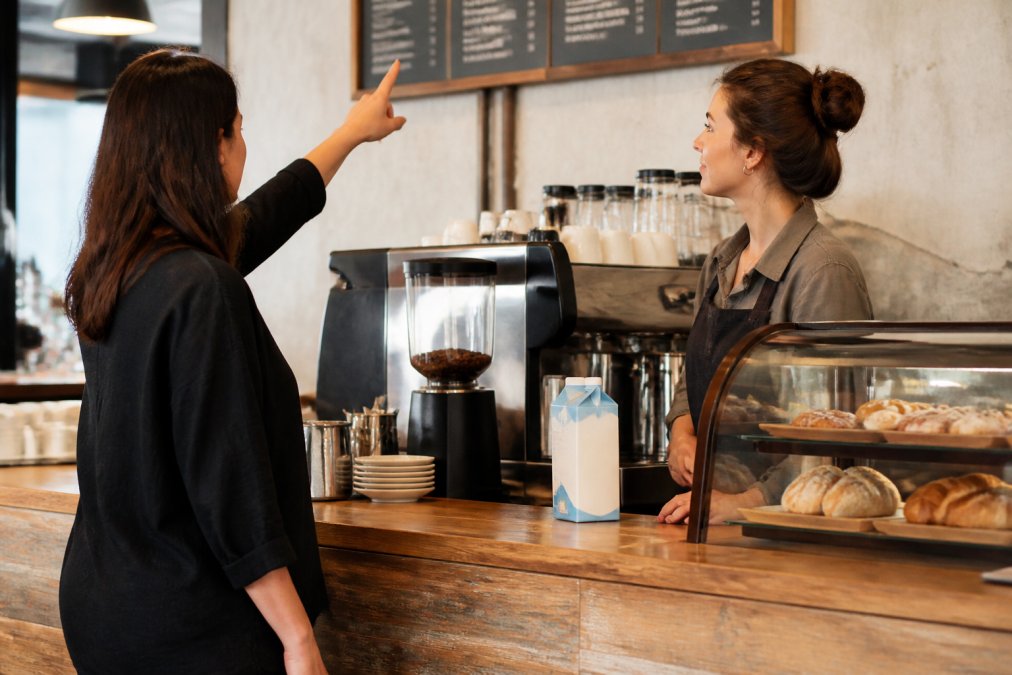
Here is a script that gets results:
"Hi, I have a gluten and dairy allergy. Can you tell me which milk alternatives you have, and whether the steam wand and blender can be cleaned before my drink? I am happy to wait."
That sentence covers the milk, the equipment, and your willingness to wait. If the answer is "we can't guarantee it," believe them and order something simple.
At Third Space Coffee, our in-house roasted beans mean we can tell you exactly what is in the cup. We keep our dairy-free options and gluten-free items clearly labeled so you are not guessing at the counter.
Dietary restrictions should not cost you your favorite coffee shop. The work is on the shop to know its ingredients, separate its equipment, and label its menu honestly, and on you to ask the right questions when it does not. Third Space Coffee roasts its own beans in-house, keeps clearly labeled vegan and gluten-free options on the menu, and offers flexible meeting room rentals and after-hours event space for teams and community groups who want a welcoming hub to gather. Get started with Third Space Coffee and enjoy a cup you can actually trust.
Frequently Asked Questions
How can I tell if a coffee shop has gluten-free and vegan options?
Look for a published ingredient list or allergen guide, not just a 'gluten-free' label on one pastry. Ask whether the shop uses dedicated equipment for gluten-free items or shares steam wands, blenders, and tongs. A shop that can name its oat milk brand, confirm whether syrups contain gluten-derived additives, and describe its prep process is far more reliable than one that only says 'we have options.' If staff hesitate or can't answer, treat that as your answer.
What are the best plant-based milk alternatives for gluten-free diets?
Almond milk and soy milk are usually the safest bets because they rarely contain gluten-derived ingredients. Oat milk is the problem child: oats are naturally gluten-free but are frequently cross-contaminated during growing and processing, so only certified gluten-free oat milk is safe for celiac disease. Some oat and almond milks also contain additives like malt or modified food starch that can carry gluten. Ask to see the carton or the brand name before you order.
Are most coffee shop syrups vegan and gluten-free?
Not automatically. Plain simple syrup is just sugar and water, but flavored syrups can include caramel color, malt extract, or natural flavors derived from gluten-containing grains. Honey is also common in some seasonal syrups, which rules them out for vegans. The safest move is to ask which syrups are certified gluten-free and vegan, or skip syrups entirely and use a dairy-free milk plus a gluten-free sweetener like raw sugar or agave.
How do I ask a barista about cross-contamination in a coffee shop?
Be direct and specific: ask whether the shop uses a separate steam wand, blender, or pitcher for dairy-free milk, and whether gluten-free pastries are stored and handled with separate tongs. Mention that you have celiac disease or a serious gluten intolerance so they understand this isn't a preference. If the barista can't confirm, ask to speak with a manager or shift lead. A shop that takes dietary restrictions seriously will have a clear answer ready.