 ultimate-guide
Why Fresh Roasted Coffee Beans Matter
Table of Contents
- What Makes Fresh Roasted Coffee Beans Different
- The Coffee Degassing Process Explained
- How to Store Coffee Beans for Freshness
- Best Coffee Beans for Home Brewing
- How Roast Date Affects Extraction and Flavor
- Recognizing Stale Coffee and Signs of Oxidation
- Frequently Asked Questions
Last Updated: August 18, 2026
What Makes Fresh Roasted Coffee Beans Different
Fresh roasted coffee beans deliver a dramatically different experience than older beans sitting on shelves for weeks or months. When beans are freshly roasted, they're in their prime window of flavor development, packed with volatile aromatic compounds that begin breaking down the moment roasting stops.
The real difference comes down to chemistry. Fresh roasted beans contain higher levels of carbon dioxide and volatile flavor compounds that create complexity, brightness, and specific tasting notes. As beans age, oxidation accelerates and those compounds dissipate, leaving a cup that's duller, more bitter, and lacking nuance. The difference between a bean roasted two weeks ago and one roasted two months ago is the difference between vibrant and tired.
The Coffee Degassing Process Explained
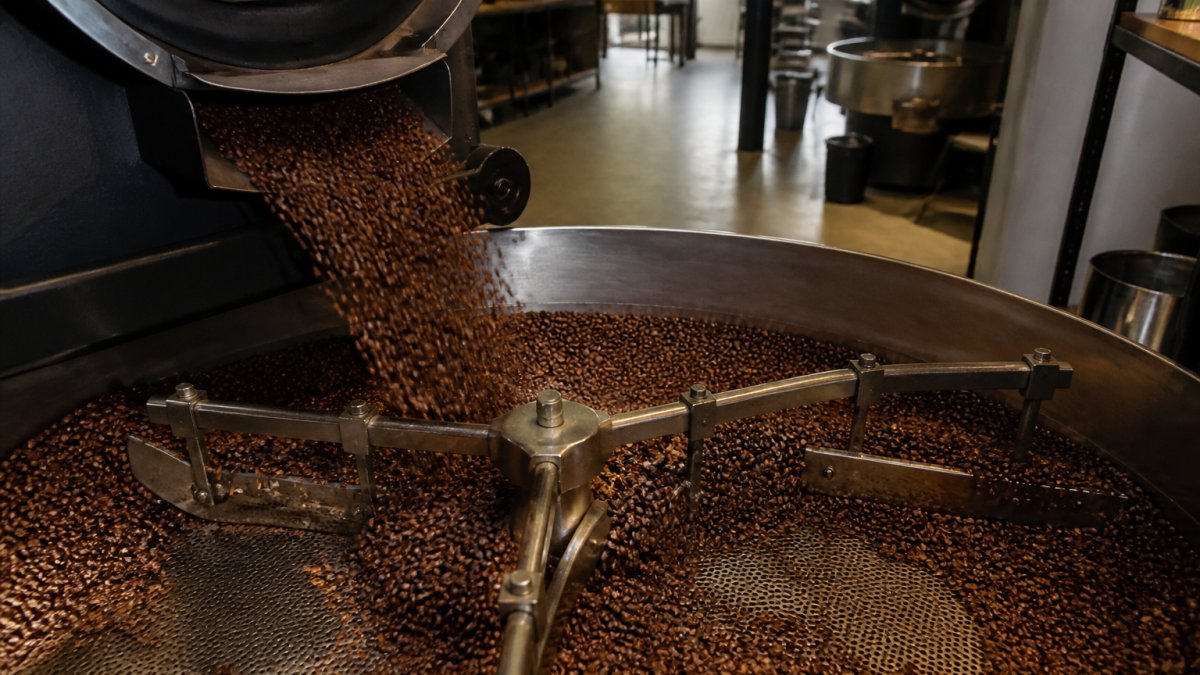
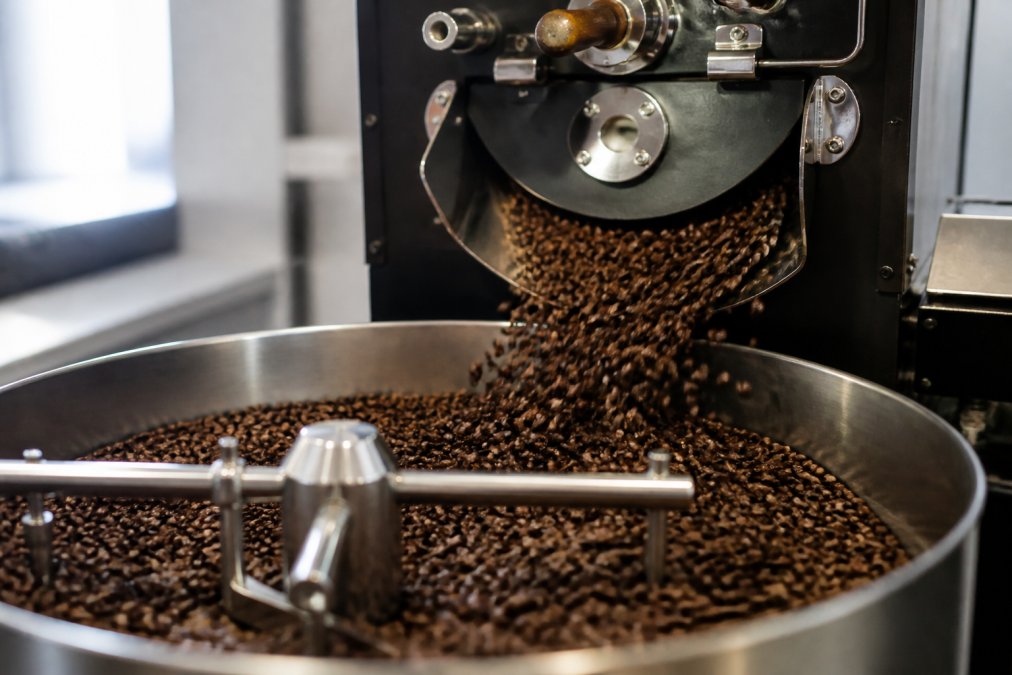
Degassing is the process where freshly roasted coffee beans release carbon dioxide created during the roast. During roasting, heat causes chemical reactions that produce CO2 as a byproduct. Once roasting stops, beans need time to release this gas before brewing.
The degassing process typically takes 24 to 48 hours for light and medium roasts, sometimes extending to 72 hours for darker roasts. This timing matters because CO2 affects how water moves through the coffee bed during brewing. Too much CO2 and water channels unevenly, leading to under-extraction and sour flavors. Too little and extraction becomes over-efficient, pulling out excessive bitter compounds.
Carbon Dioxide Release and Flavor Development
Carbon dioxide release is directly tied to flavor development. As the bean degasses, its internal structure becomes more accessible to water, making aromatic compounds more soluble and easier to extract.
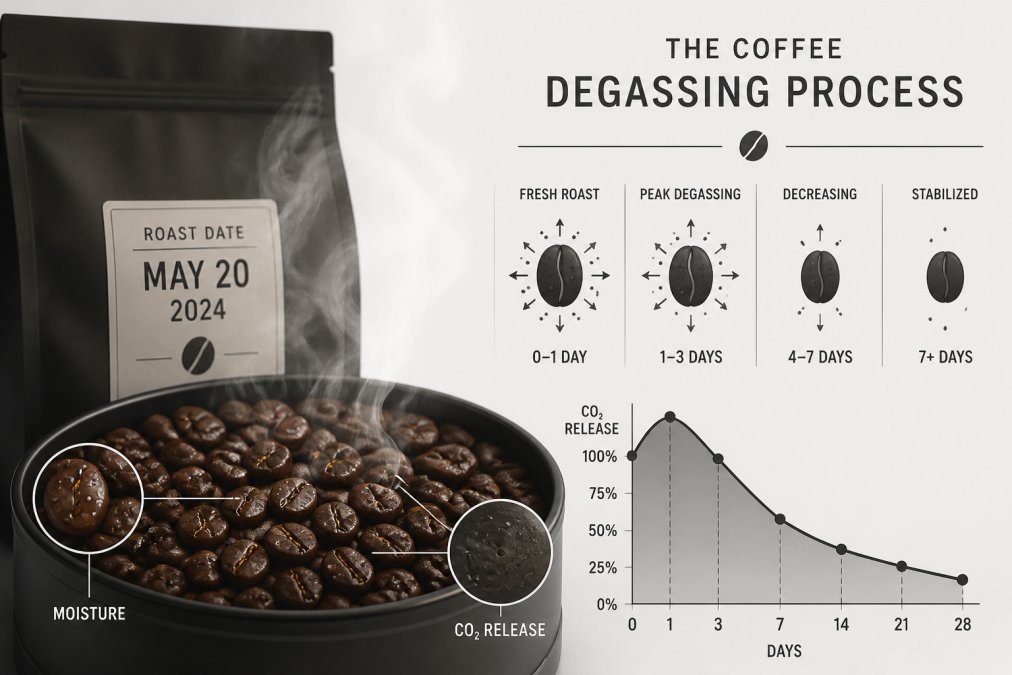
Fresh roasted beans release CO2 aggressively during the first week. By day 14 or 15, most CO2 has escaped. This is when the bean reaches its flavor sweet spot: enough degassing has occurred for smooth extraction, but volatile aromatic compounds haven't yet oxidized away.
The bloom phase in your brewing process, that initial pour where water meets grounds, is partly about allowing remaining CO2 to escape. Fresh roasted beans produce vigorous bubbling during bloom. Older beans produce little to no bloom because minimal CO2 remains.
The Ideal Window for Brewing
The ideal brewing window for fresh roasted coffee is between 5 to 30 days after the roast date. Light roasts typically peak around day 7-10. Medium roasts hit their stride around day 10-14. Darker roasts can maintain quality through day 21 or beyond.
Many coffee professionals argue that the absolute peak is around day 10 to day 14 for most roasts. At this point, degassing is complete enough for clean extraction, but aromatic compounds remain vibrant. A bean that's five days old versus one that's 25 days old will produce noticeably different cups, the five-day-old bean tastes sharper and more aromatic, while the 25-day-old bean tastes duller and flatter.
How to Store Coffee Beans for Freshness
Storage determines how quickly your beans degrade after roasting. The four enemies of coffee freshness are light, heat, moisture, and oxygen. Control these factors and your beans stay vibrant far longer.
The most common mistake is storing beans in clear containers on the counter next to a window. Light exposure accelerates oxidation. Heat causes oils to go rancid. Moisture causes the bean to absorb humidity, interfering with grinding and extraction. Oxygen slowly oxidizes the aromatic compounds that make coffee taste good.
Airtight Containers and One-Way Valves
An airtight container with a one-way valve is essential for proper storage. The valve allows CO2 to escape but prevents oxygen from entering.
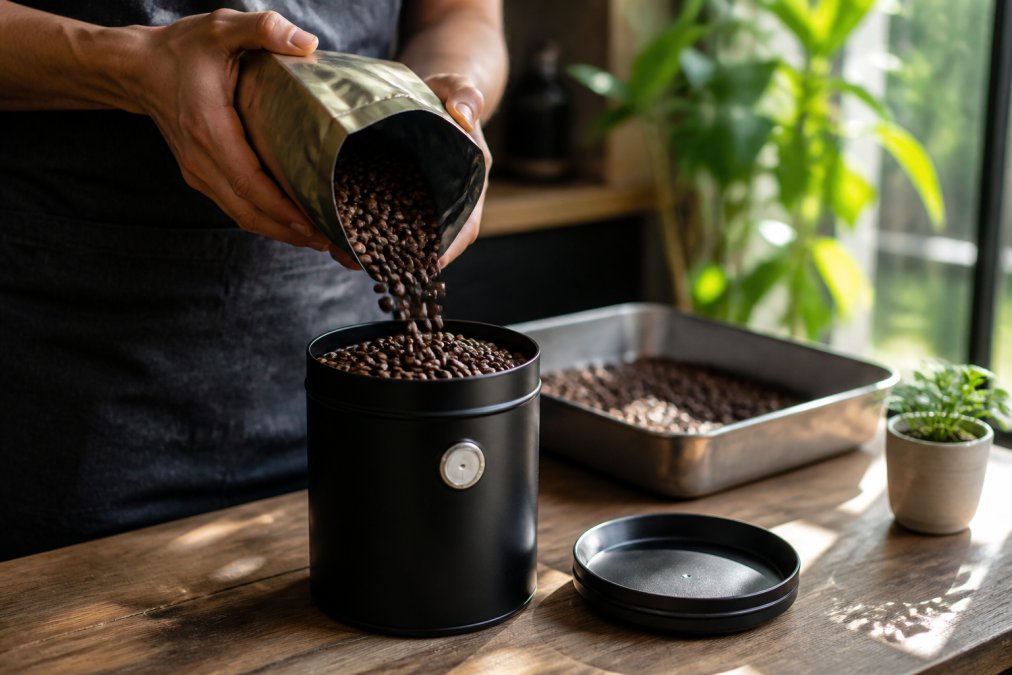
One-way valves solve a real problem. Fresh roasted beans are still actively degassing. If sealed in a truly airtight container with no valve, pressure builds up inside. A one-way valve lets CO2 out while keeping oxygen locked out. The valve works through a simple mechanism: a small membrane or ball that sits in a one-directional channel. CO2 pushes it open on the way out, but oxygen pressure from outside can't push it open from the other direction.
Many people store beans in their original bags rather than transferring them, since quality roasters include one-way valves. If you transfer beans to a different container, choose one with a similar valve and look for containers labeled as having "degassing valves."
Environmental Factors That Affect Shelf Life
Temperature and humidity are silent killers of coffee freshness. Ideal storage temperature is between 60 and 70 degrees Fahrenheit. Above 75 degrees, oxidation accelerates noticeably. Below 50 degrees, the bean's cellular structure can become brittle, affecting grind consistency.
Coffee is hygroscopic and absorbs moisture from the air. High humidity causes beans to absorb water, making them harder to grind evenly and accelerating oxidation. Relative humidity above 65 percent noticeably degrades beans.
Freezing does slow oxidation dramatically, but every thaw creates condensation on the surface, which accelerates oxidation when beans warm. If you freeze beans, freeze them in small portions and don't repeatedly thaw and refreeze.
A sealed, opaque container in a cool, dark cabinet is the gold standard. Many coffee enthusiasts keep beans in the original bag inside an additional opaque container for double protection.
Best Coffee Beans for Home Brewing
Choosing the right beans depends on understanding your brewing method, flavor preferences, and how fresh roasted coffee behaves in your specific setup. Not all beans perform equally in all brewers.
Brewing Method Variance and Bean Selection
Different brewing methods extract coffee at different rates, shifting the ideal roast date window.
Pour-over brewers like Chemex or V60 benefit from beans at the younger end of the fresh window, around days 5 to 10. These brewers create clean, bright cups because the paper filter removes oils. Younger beans, which still have aggressive acidity and aromatic clarity, shine in this setup.
French press brewing works better with beans that have fully degassed, around day 14 to 21. The metal mesh filter allows oils through, and the full immersion style creates a heavier body. Slightly mellowed acidity pairs well with the fuller body.
Espresso machines require beans around day 7 to 14, with day 10 being the sweet spot for many. Espresso requires precise extraction under pressure, and beans need to be fresh enough for good crema but degassed enough to extract evenly.
Roast Date as Your Freshness Indicator
The roast date is the single most important piece of information on a coffee bag. It tells you exactly where the bean sits in its flavor arc and whether it's within the ideal brewing window.
A clearly printed roast date gives you actionable information. Beans roasted 3 days ago are still actively degassing. Beans roasted 12 days ago are likely at peak flavor. Beans roasted 45 days ago will taste flatter and more oxidized.
Many coffee companies hide or obscure their roast date. This opacity is a red flag. A roaster confident in their freshness prints the date prominently. When shopping, prioritize roast date visibility. The best beans are roasted within the last two weeks. Anything older than 30 days begins to show signs of oxidation.
How Roast Date Affects Extraction and Flavor
The roast date determines not just flavor quality, but how the bean extracts. Fresh roasted beans extract differently because their internal structure is still chemically active. The roast creates new compounds, sugars caramelize, proteins break down, and these compounds remain stable and volatile in the first two weeks.
A freshly roasted bean has a more porous internal structure due to active degassing. Water penetrates more evenly and extraction happens at a predictable rate. An older bean has denser cell walls as CO2 has fully escaped. Water doesn't penetrate as evenly, often leading to channeling and uneven extraction.
This is why the same recipe produces different results with beans of different ages. A grind size and water temperature that worked perfectly with beans roasted 10 days ago might produce sour, under-extracted coffee with beans roasted 40 days ago.
Fresh roasted beans showcase the specific tasting notes the roaster intended, the origin's terroir, and the roast's character. As beans age, these notes blur into a generic "old coffee" flavor. Acidity becomes muted, sweetness fades, and body flattens.
Recognizing Stale Coffee and Signs of Oxidation
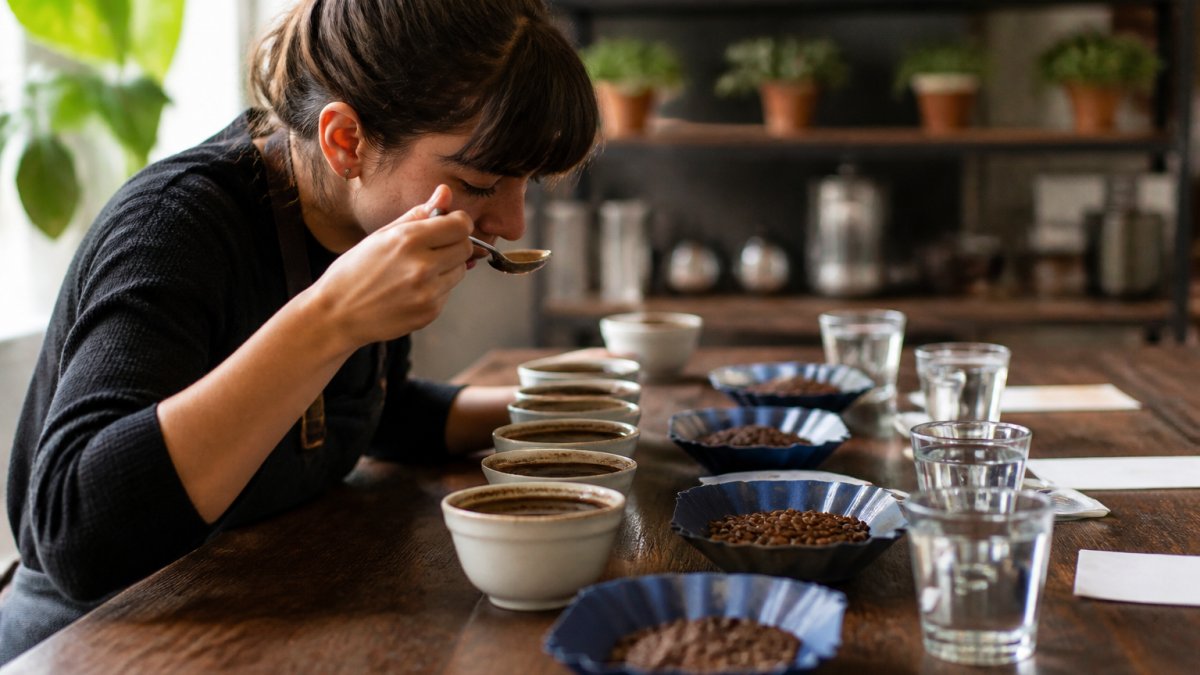
Stale coffee announces itself through multiple sensory signals. Fresh roasted beans smell vibrant and complex. An Ethiopian natural process bean smells fruity and floral. A Brazilian natural process bean smells chocolatey and sweet. As beans age, these specific aromas fade into a generic, muted coffee smell.
Crema in espresso is another visual indicator. Fresh roasted beans produce thick, persistent crema. Older beans produce thin, pale crema or none at all.
The taste is the most obvious sign. Stale coffee tastes flat, one-dimensional, and often bitter. The acidity becomes harsh or disappears. The sweetness that should balance bitterness is gone. The body feels thin or chalky.
Oxidation also affects how the bean grinds. Fresh beans grind with a crisp snap and uniform particles. Older beans grind more slowly, producing inconsistent particle sizes that contribute to uneven extraction and off-flavors.
If a shop won't display the roast date or can't tell you when beans were roasted, buy elsewhere.
Fresh roasted coffee beans matter because they're the difference between coffee that tastes like coffee and coffee that tastes like the idea of coffee. The chemistry of degassing, the window for optimal extraction, and the signs of oxidation aren't academic details, they're the foundation of a better cup.
At Third Space Coffee, we roast beans in-house. When you buy beans roasted in-house, you're buying from someone invested in the outcome of your brew. Visit Third Space Coffee to explore fresh roasted coffee beans, and experience the difference that roast date and local roasting expertise make in your daily cup.
Frequently Asked Questions
How long after roasting should you drink fresh roasted coffee beans?
The ideal brewing window for fresh roasted coffee beans is between 5 and 30 days after roasting. During the first few days, beans release carbon dioxide through degassing, which can create uneven extraction. By day 5, degassing has progressed enough for balanced flavor. After 30 days, oxidation begins to diminish aromatic compounds and acidity, reducing the complexity that makes fresh beans worth seeking out.
What's the best way to tell if coffee beans are fresh?
Check the roast date printed on the bag, this is your most reliable indicator. Fresh beans should have been roasted within the last 2-4 weeks. Visually, look for a slight sheen on the beans and avoid any that appear dull or oily. When you open a fresh bag, you should detect a strong, vibrant aroma. Stale beans smell flat or lack aromatic complexity. Taste is the final test: fresh beans deliver bright acidity and clear flavor notes, while oxidized beans taste muted or bitter.
Does coffee go bad after roasting, and how should I store it?
Yes, coffee degrades over time through oxidation and loss of volatile compounds. To maximize freshness, store beans in an airtight container with a one-way valve, which allows carbon dioxide to escape while preventing oxygen from entering. Keep the container in a cool, dark place away from direct sunlight, heat, and moisture. Avoid refrigerators and freezers unless you're storing beans for several months. Whole beans stay fresher longer than ground coffee, which oxidizes rapidly due to increased surface area.
Why does fresh roasted coffee taste better than older beans?
Fresh roasted beans contain higher concentrations of aromatic compounds and volatile compounds that create complexity and brightness. As beans age, oxidation breaks down these compounds, and the acidity, which gives coffee its liveliness, diminishes. The roast date directly affects extraction: beans within their optimal window extract evenly, producing balanced body, clarity, and flavor notes. Older beans extract unevenly, resulting in channeling and a flat or bitter cup. Fresh beans from a local roaster like Third Space Coffee deliver the full sensory experience the roasting process created.
This article was written using GrandRanker