 listicle
Benefits of Buying Whole Bean Coffee
Table of Contents
- Why Whole Bean Coffee Delivers Superior Freshness and Flavor
- Whole Bean vs. Ground Coffee: What Actually Matters
- How to Store Whole Bean Coffee to Preserve Quality
- How to Grind Coffee Beans for Maximum Flavor
- Is Whole Bean Coffee Healthier Than Ground?
- The Advantage of In-House Roasting and Local Sourcing
- Brewing Methods That Showcase Whole Bean Coffee
- Conclusion
- Frequently Asked Questions
Last Updated: October 6, 2026
Why Whole Bean Coffee Delivers Superior Freshness and Flavor
Whole bean coffee stays fresher longer than pre-ground because the beans' protective shell slows oxidation and aroma loss. Grinding dramatically increases the surface area exposed to air, so flavor compounds begin breaking down within minutes.
The difference shows up most clearly in the cup. Whole bean coffee brewed the same day you grind it tastes noticeably brighter and more complex, while pre-ground coffee from a grocery store shelf often tastes flat because it was ground days or weeks earlier.
The roast date matters more than most people realize. Coffee is freshest between 5 and 30 days after roasting: before day 5, beans are still releasing carbon dioxide, and after day 30, oxidation accelerates and acidity fades. Whole beans preserve this window far better than ground coffee, which enters decline immediately after grinding.
Whole Bean vs. Ground Coffee: What Actually Matters
Ground coffee is convenient: open the bag, scoop, and brew. Whole bean coffee requires a grinder and about 60 seconds of your morning. The question is whether the flavor difference justifies that effort for your situation.
Here's what actually changes between the two, across the dimensions that matter most:
- Freshness window: Whole beans stay fresh for weeks; ground coffee for days
- Flavor intensity: Whole beans deliver noticeably stronger, more complex taste
- Aroma: Freshly ground coffee fills your kitchen with aroma; pre-ground coffee smells flat
- Grind consistency: Whole beans let you match grind size to your brewing method; ground coffee is one-size-fits-all
- Cost per cup: Whole beans typically cost less per pound than pre-ground specialty coffee, and the gap widens once you account for waste
Cost and value over time
Per-cup cost is the angle most guides skip. A 12-ounce bag of whole bean specialty coffee commonly retails for $12-$20, while a comparable pre-ground bag runs $10-$18, but the pre-ground bag loses aroma and flavor within days of opening, so more of it ends up poured down the drain.
Whole beans also let you buy in larger quantities without sacrificing quality. A 2-pound bag stored properly holds its flavor for 3-4 weeks, while pre-ground coffee is already in decline by the time you open it.
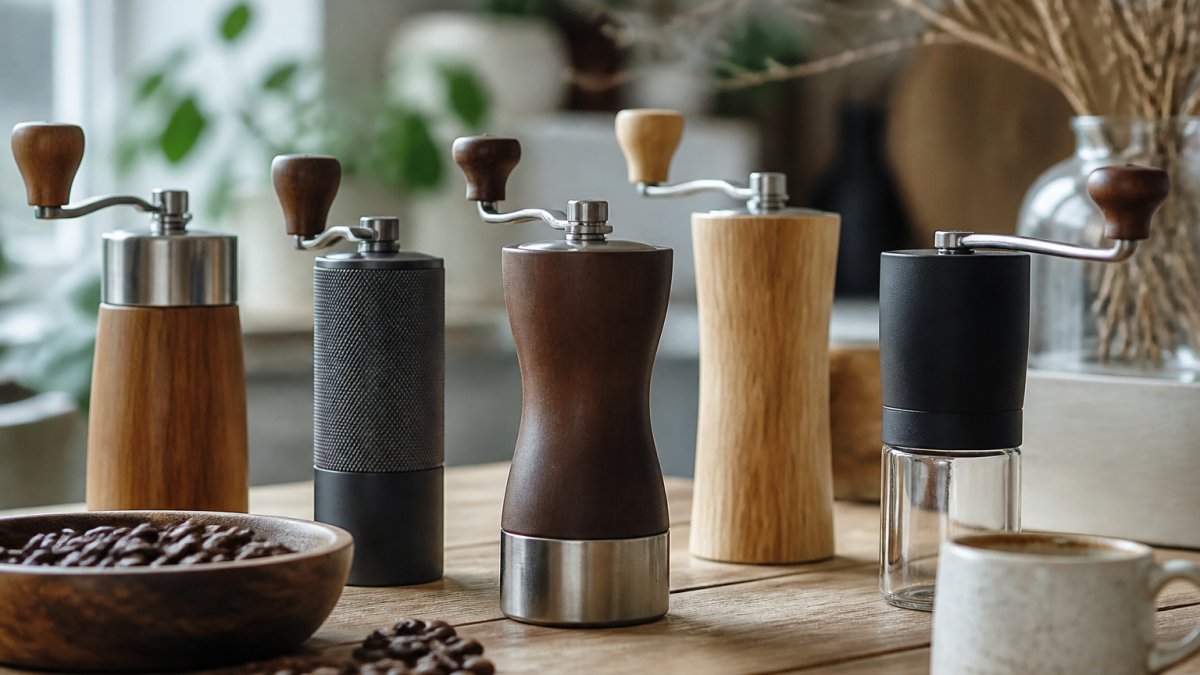
A burr grinder is the main upfront investment: hand grinders start around $30-$50, and electric models suitable for drip and pour-over run $80-$200. Spread across a year of daily brewing, that adds only a few cents per cup, often less than the waste from stale pre-ground coffee.
Convenience and accessibility trade-offs
The convenience argument is real. Whole bean coffee asks for a grinder, a few extra seconds, and equipment cleaning. Pre-ground coffee asks for nothing but hot water.
- Choose whole beans if: you brew at home most days, you care about flavor, and you're willing to invest in a grinder
- Choose pre-ground if: you travel frequently, you brew at the office with shared equipment, you have limited counter space, or you simply want the fastest possible path to a cup
- Hybrid approach: buy whole beans for home and keep a small bag of pre-ground for travel or backup
For remote workers and students who need reliable energy, whole bean coffee from a quality roaster like Third Space Coffee delivers more consistent flavor than stale pre-ground options, and you're supporting local roasting.
Grind-to-brew timing matters that much: mid-tier coffee ground fresh often tastes better than premium pre-ground coffee, a small daily inconvenience in exchange for a measurably better cup.
How to Store Whole Bean Coffee to Preserve Quality
Coffee's enemies are air, moisture, light, and heat. Store beans in an airtight container away from direct sunlight and heat, a pantry shelf beats above the stove or a sunny windowsill.
The best container is opaque and airtight. Many specialty roasters package beans in bags with one-way valves that let carbon dioxide escape while blocking oxygen.
Temperature stability matters more than cold. A cool, dark pantry at 60-70°F is ideal; fridge or freezer temperature fluctuations can introduce moisture and condensation. If you do freeze beans, keep them airtight and use them within two weeks of thawing.
Whole beans stay fresh for 3-4 weeks in proper storage; ground coffee lasts 1-2 weeks. Many enthusiasts buy smaller quantities more frequently rather than storing large amounts, ensuring fresh beans on hand.
How to Grind Coffee Beans for Maximum Flavor
Grind size determines how quickly water extracts flavor: coarser grinds slow extraction, finer grinds speed it up. Match your grind to your brewing method.
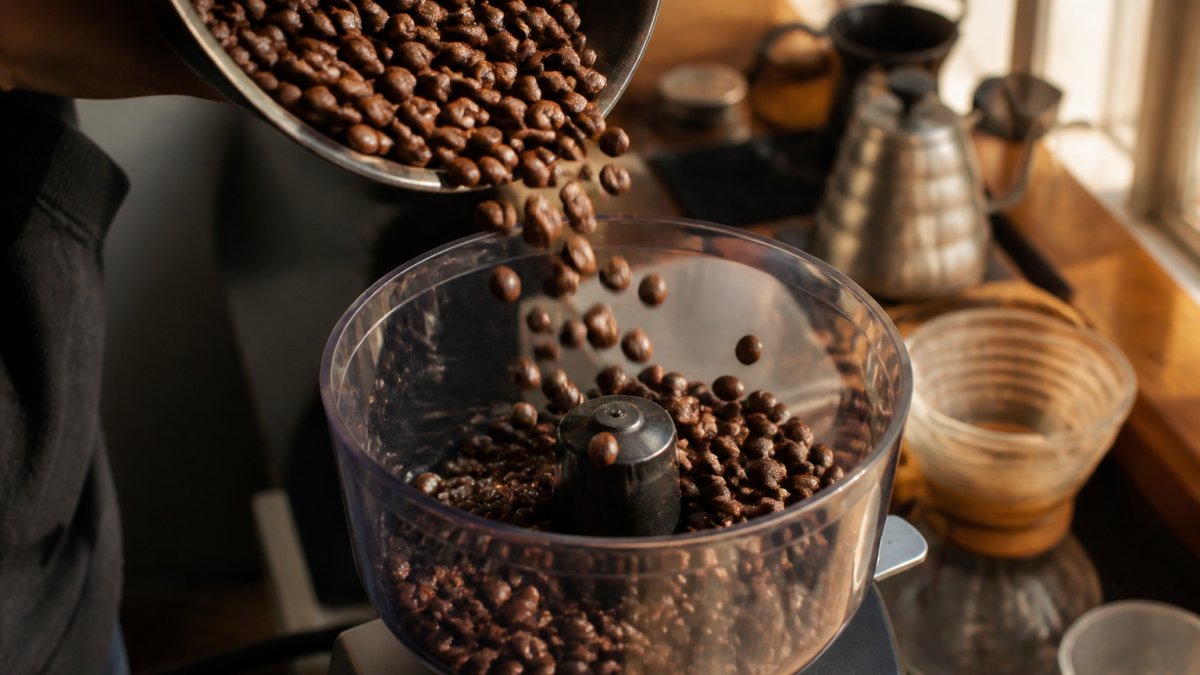
Here's how to match grind size to your brewing method:
- Coarse (French press, cold brew): Beans look like breadcrumbs; extraction takes 4+ minutes
- Medium (drip coffee makers): Resembles sand; extraction takes 2-4 minutes
- Medium-fine (pour-over, Chemex): Slightly finer than drip; extraction takes 3-4 minutes
- Fine (espresso): Powder-like texture; extraction takes 25-30 seconds
- Extra-fine (Turkish coffee): Almost flour-like; extraction takes 5-10 minutes
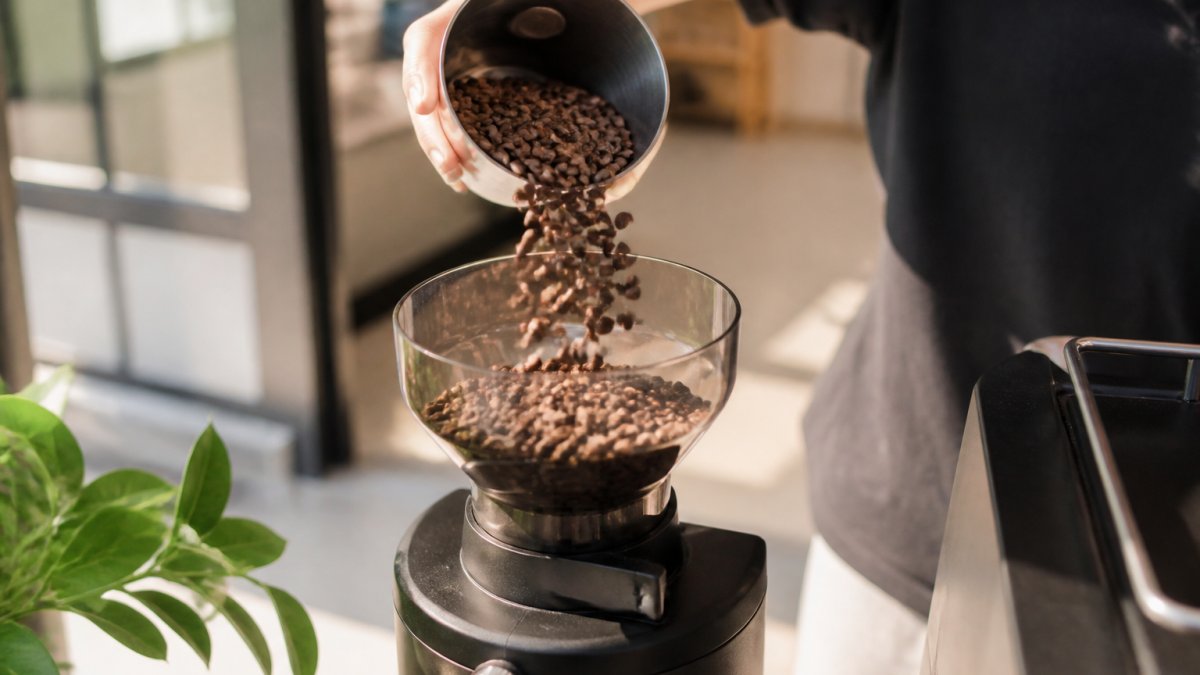
Invest in a burr grinder rather than a blade grinder. Burr grinders produce consistent particle size; blade grinders create uneven chunks and dust that extract at different rates, leaving some particles bitter and others sour.
Grind just before brewing.
Is Whole Bean Coffee Healthier Than Ground?
The short answer: the nutritional content of whole bean and ground coffee is essentially identical. Both contain caffeine, antioxidants, and chlorogenic acid; grind size only changes how quickly those compounds dissolve into your water. Any claim that whole beans are inherently "healthier" is not supported by the evidence.
What the research actually shows
Coffee itself, regardless of grind, is one of the largest sources of antioxidants in the typical American diet. Chlorogenic acid, a primary polyphenol in coffee, is associated with antioxidant effects in laboratory studies, and the FDA and Dietary Guidelines for Americans treat moderate consumption (roughly 3-5 cups per day for most adults) as compatible with a healthy diet, though individual tolerance varies.
What the research does not show is that whole bean coffee delivers more of these compounds than ground coffee brewed the same way. The bean is the bean. Grinding changes particle size, not chemistry.
Where whole beans may indirectly help
There are two plausible indirect mechanisms worth naming, with appropriate caution:
- Freshness and consumption patterns. Fresher-tasting coffee is more enjoyable, and some people drink it more slowly and mindfully rather than gulping stale coffee. Better-tasting coffee may satisfy with less volume, though this varies by individual and is not a documented health effect.
- Control over additives. When coffee tastes better on its own, you may be less inclined to mask it with sugar, syrups, or heavy cream. Reducing added sugar and saturated fat is a well-established dietary improvement and a more meaningful health lever than grind size.
Caffeine content: grind doesn't change it
Caffeine content depends on brewing method, coffee-to-water ratio, roast level, and bean variety, not whether the beans are whole or ground. An 8-ounce cup of drip coffee typically contains about 95 mg of caffeine, a 1-ounce espresso shot roughly 63 mg, and a French press brewed with whole versus pre-ground beans of the same coffee lands in the same range.
The perception of more energy from whole bean coffee often comes from better flavor and the ritual of grinding, a real psychological effect, but not a nutritional one.
What actually matters for health
If you're optimizing coffee for health benefits, the variables that matter more than grind status are:
- Bean quality and roast level: Lighter roasts tend to retain more chlorogenic acid than dark roasts
- Origin and altitude: Beans grown at higher altitudes often show higher antioxidant levels
- Brewing method: Paper-filtered drip coffee removes some cafestol and kahweol, compounds that can raise LDL cholesterol; French press and espresso retain more of them
- What you add: Sugar, syrups, and heavy cream have a far larger health impact than grind size
In short: buy whole beans because they taste better and stay fresh longer, not because they're a health supplement. The health case for coffee is real, but it applies to the beverage, not to the format.
The Advantage of In-House Roasting and Local Sourcing
Coffee roasted locally and sold quickly tastes noticeably different from coffee roasted weeks or months ago and shipped across the country. In-house roasting means the roast date is often within days of purchase.
Third Space Coffee roasts beans in-house specifically because freshness directly impacts flavor. When you buy from a local roaster, you know exactly how old the beans are.
Local roasting creates a connection between you and the people who handle your coffee.
The economics are straightforward: local roasters typically charge less per pound than specialty pre-roasted coffee shipped nationally because they cut out middlemen and shipping costs. You're paying for freshness and quality, not packaging and logistics.
Brewing Methods That Showcase Whole Bean Coffee
Different brewing methods extract flavor at different rates, so they require different grind sizes. Whole bean coffee lets you adjust your grind to match; pre-ground forces you to accept whatever the producer chose.
Brewing methods that work especially well with whole bean coffee include:
- French press: Coarse grind, 4-minute steep; produces full-bodied, rich coffee
- Pour-over (Chemex, Hario V60): Medium-fine grind; highlights origin flavors and complexity
- Espresso: Fine grind, 25-30 second extraction; concentrates flavor into a small, intense shot
- Cold brew: Coarse grind, 12-24 hour steep; smooth, naturally sweet, low-acid
- AeroPress: Medium grind, 1-2 minute steep; versatile, forgiving, produces clean cup
The ritual of grinding whole beans before brewing also changes how you experience coffee. You smell the beans, hear the grinder, and prepare intentionally rather than automatically, many people find this moment of attention makes the coffee taste better, even if the flavor compounds are objectively the same.
Conclusion
Whole bean coffee delivers measurably fresher flavor, longer freshness windows, and control over grind size that pre-ground coffee cannot match. The extra 60 seconds to grind is the smallest price for a noticeably better cup. Whether you're a remote worker needing reliable focus, a student powering through study sessions, or someone who simply wants better-tasting coffee, whole bean coffee is the practical choice.
At Third Space Coffee, we roast beans in-house and sell them fresh because we've seen the difference freshness makes. Our whole bean coffee gives you access to higher-quality flavor than pre-ground options. Visit us to talk about your brewing method, and we'll help you find the right grind and roast profile for how you brew.
Frequently Asked Questions
Is it worth buying whole bean coffee?
Yes. Whole bean coffee retains its oils, aromatics, and complex flavors far longer than pre-ground coffee. The moment beans are ground, oxidation accelerates and flavor compounds dissipate rapidly. If you brew within a few days of grinding, you'll notice a significant difference in aroma, taste, and body compared to pre-ground coffee that may have sat on a shelf for weeks or months.
How long does whole bean coffee stay fresh after opening?
Whole beans remain fresh for 2-4 weeks after opening if stored in an airtight container away from heat, light, and moisture. The roast date matters more than the purchase date; coffee begins to lose flavor immediately after roasting. Check the roast date on the bag, beans roasted within the last 1-2 weeks will taste noticeably better than older stock.
Does grinding coffee beans fresh make a difference?
Absolutely. Grinding immediately before brewing preserves the volatile aromatic compounds that give coffee its distinctive taste and smell. Pre-ground coffee loses these compounds within hours or days. A burr grinder (not a blade grinder) gives you consistent particle size, which improves extraction and flavor. Most coffee enthusiasts report a noticeable improvement in taste and aroma when they switch to grinding fresh.
What equipment do you need to grind whole bean coffee?
A burr grinder is essential, either a conical burr or flat burr model. Burr grinders produce uniform particle size, which is crucial for even extraction. Blade grinders chop beans unevenly and generate heat that damages flavor. For home brewing, a mid-range burr grinder (manual or electric) costs less than specialty equipment and works well for drip, French press, and pour-over methods. Espresso requires a more precise grinder with finer adjustment settings.