 listicle
Best Coffee Beans for Home Brewing: 2026 Buyer's Guide
Table of Contents
- How We Chose the Best Coffee Beans for Home Brewing
- Quick Comparison: Top Coffee Beans at a Glance
- Single Origin vs Coffee Blends: Which Belongs in Your Grinder?
- Understanding Roast Levels: Light, Medium, and Dark Explained
- The 10 Best Coffee Beans for Home Brewing Reviewed
- 1. Third Space Coffee In-House Roasted Beans (Colorado Springs)
- 2. Counter Culture Coffee Big Trouble
- 3. Stumptown Coffee Roasters Hair Bender
- 4. Intelligentsia Coffee Black Cat Classic Espresso
- 5. Blue Bottle Coffee Blend Beans
- 6. La Colombe Nizza Whole Bean Coffee
- 7. illy Classico Whole Bean Coffee
- 8. Lavazza Super Crema Whole Bean Espresso
- 9. Death Wish Coffee Dark Roast Whole Bean
- 10. Peet's Coffee Major Dickason's Blend
- How to Store Coffee Beans for Freshness at Home
- Coffee Brewing Ratios for Beginners: Drip, Pour-Over, French Press, and Espresso
- Subscription vs. One-Time Purchase: Which Gets You Fresher Beans for Less?
- Final Thoughts on Finding the Best Coffee Beans for Home Brewing
- Frequently Asked Questions
Last Updated: August 3, 2026
Choosing the best coffee beans for home brewing looks simple but gets complicated fast. At Third Space Coffee in Colorado Springs, we roast every batch in-house and field questions about bean selection daily. The truth most guides skip: the roast date on the bag matters more than the brand on the label. Below, we cover roast levels, processing methods, and troubleshooting a bitter cup, with honest reviews of ten beans worth your grinder.
Quick Picks:
- Best Overall / Local Roast: Third Space Coffee In-House Roasted Beans (Colorado Springs)
- Best Everyday Medium Roast: Counter Culture Coffee Big Trouble
- Best for Espresso: Intelligentsia Coffee Black Cat Classic Espresso
- Best Dark Roast: Peet's Coffee Major Dickason's Blend
- Best High-Caffeine Option: Death Wish Coffee Dark Roast
How We Chose the Best Coffee Beans for Home Brewing
The best coffee beans for home brewing are defined by four criteria: roast date, bean density, flavor clarity, and brewing versatility. A bag with no roast date is a red flag. Coffee begins degassing carbon dioxide the moment it leaves the roaster, and specialty roasters agree the sweet spot for brewing falls between seven and twenty-one days post-roast.
Evaluation Criteria: Roast Date, Bean Density, Flavor Clarity, and Brewing Versatility
Roast date is the single most important number on any coffee bag. Freshly roasted whole bean coffee brews with noticeably more aroma, sweetness, and body than stale coffee.
Bean density correlates with altitude. High-altitude arabica beans grown above 4,000 feet are harder and denser, holding up better to higher brewing temperatures and producing more complex flavor clarity. According to the Specialty Coffee Association's green coffee grading standards, altitude and bean density are primary quality indicators for specialty-grade lots.
Flavor clarity describes how distinctly tasting notes come through in the cup. Washed-process coffees typically show the highest clarity; natural-process beans layer fruit-forward complexity on top.
Brewing versatility matters because most home brewers own multiple machines. A bean that works for drip, pour-over, and moka pot is worth more than a hyper-optimized espresso blend.
Quick Comparison: Top Coffee Beans at a Glance
| Coffee | Roast Level | Bean Type | Best Brew Method | Starting Price |
|---|---|---|---|---|
| Third Space Coffee (In-House) | Variable | Arabica | All methods | Visit thirdspacecoffee.com |
| Counter Culture Big Trouble | Medium | Arabica blend | Drip, pour-over, French press | $14.99 / 12 oz |
| Stumptown Hair Bender | Medium | Arabica blend | Espresso, drip | $12.95 / 12 oz |
| Intelligentsia Black Cat | Medium-dark | Arabica blend | Espresso | $17.50 / 12 oz |
| Blue Bottle Blend | Light-medium | Arabica | Pour-over, drip | $14.48 / 12 oz |
| La Colombe Nizza | Medium | Arabica blend | Espresso, drip | $16.00 / 12 oz |
| illy Classico | Medium | 100% Arabica | Espresso, drip | $9.98 / 8.8 oz |
| Lavazza Super Crema | Medium | Arabica/Robusta | Espresso | $16.68 / 22 oz |
| Death Wish Dark Roast | Dark | Arabica/Robusta | Drip, French press | $19.99 / 1 lb |
| Peet's Major Dickason's | Dark | Arabica blend | Drip, French press | $21.95 / 16 oz |
Single Origin vs Coffee Blends: Which Belongs in Your Grinder?
Single origin coffee is sourced from one farm, cooperative, or region, reflecting specific terroir, altitude, and processing. Blends combine beans from multiple origins to achieve consistent, balanced roast profiles across seasonal variation.
Most guides frame single origin as "better" and blends as compromise. That is backwards for many home brewers. Blends are engineered for consistency. If your morning cup needs to taste the same in January and July without adjusting grind or ratio, a well-crafted blend delivers that. Single origin beans shine when you want to taste the difference between a natural-process Ethiopian Yirgacheffe and a washed Colombian.
For espresso specifically, blends almost always outperform single origins at home. The combination of robusta body and arabica sweetness in Lavazza Super Crema produces richer crema and a more forgiving extraction window than a light-roasted single origin, which can turn sour in seconds if temperature is off by a degree.
Understanding Roast Levels: Light, Medium, and Dark Explained
Light roasts preserve natural acidity, origin flavors, and caffeine content. Medium roasts balance brightness with body and mouthfeel. Dark roasts develop bitterness and smoky sweetness while reducing acidity and caffeine slightly compared to light roasts.
A common misconception: dark roast means more caffeine. It does not. Roasting burns off a small amount of caffeine, so a light roast from the same bean carries marginally more caffeine per gram.
Arabica vs. Robusta: How Bean Type Shapes Body and Caffeine Content
Arabica is the dominant species in specialty coffee. Arabica beans grow at higher altitudes, contain less caffeine than robusta, and produce a wider range of flavors from bright citrus acidity to deep chocolate sweetness.
Robusta beans grow at lower altitudes, contain roughly twice the caffeine of arabica, and produce heavier body with distinctively earthy bitterness. In an espresso blend, a 20-40% robusta component builds crema and adds body that pure arabica cannot match. Lavazza Super Crema uses 60% arabica and 40% robusta for exactly this reason.
Processing Methods: Washed, Natural, and Honey
The processing method determines how the coffee cherry is removed from the seed before drying.
- Washed process: The fruit is removed before drying, producing clean, bright cups with high flavor clarity and pronounced acidity.
- Natural process: The whole cherry dries around the bean, imparting fruity, wine-like sweetness and heavier body.
- Honey process: Some fruit mucilage remains during drying, producing sweetness and body with more clarity than full natural.
According to the USDA Foreign Agricultural Service's coffee market reports, global specialty coffee consumption continues to shift toward traceable, single-origin lots where processing method is disclosed.
The 10 Best Coffee Beans for Home Brewing Reviewed
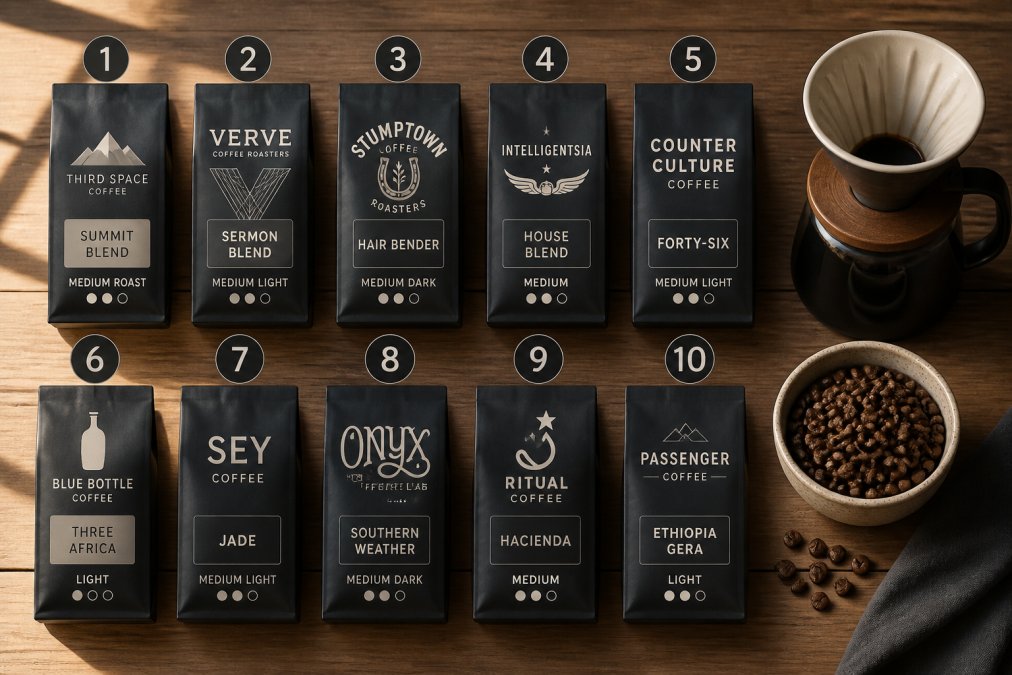
1. Third Space Coffee In-House Roasted Beans (Colorado Springs)
Third Space Coffee is the top pick for home brewers in Colorado Springs because beans go from roaster to bag to your grinder without sitting in a warehouse for weeks. In-house roasting means the roast profile is dialed to the specific lot of green coffee on hand, not forced into a standardized commercial profile.
Best for: Coffee enthusiasts in Colorado Springs who want genuinely fresh whole bean coffee and direct access to the roasters.
Pros: Maximum freshness at point of sale, roast profile tailored to each lot, community-rooted brand
Cons: Available primarily in Colorado Springs; smaller batch sizes than national brands
Visit Third Space Coffee's website for current bean offerings and pricing before your next purchase.
2. Counter Culture Coffee Big Trouble
Big Trouble is Counter Culture's workhorse medium roast blend delivering notes of nuts, caramel, and chocolate with consistency across drip, French press, and pour-over. Counter Culture publishes origin information and direct trade terms for every lot, which matters if ethical sourcing is part of your purchasing decision.
Pros: Consistent flavor, strong ethical sourcing, versatile across brew methods Cons: Less adventurous for experienced palates; slightly higher price than supermarket alternatives
3. Stumptown Coffee Roasters Hair Bender
Hair Bender is Stumptown's most iconic blend, with notes of citrus and dark chocolate creating a complex cup that works as espresso or drip. Direct Trade sourcing is baked into Stumptown's model. At $12.95 for 12 oz, it sits at the accessible specialty range.
Pros: Exceptional as espresso, complex and balanced, widely available Cons: Price has increased; flavor intensity may overwhelm simple drip setups
4. Intelligentsia Coffee Black Cat Classic Espresso
Black Cat Classic is the benchmark for sweet, syrupy espresso at home. Intelligentsia built this blend around supreme balance and sweetness, producing a shot that pulls cleanly across a range of home espresso machines without demanding barista-level precision.
Pros: Excellent for espresso, consistently sweet and chocolatey, ethical sourcing through Direct Trade Cons: Primarily designed for espresso; less versatile for drip or French press
5. Blue Bottle Coffee Blend Beans
Blue Bottle's emphasis on freshness and small-batch roasting makes it strong for home brewers who prioritize quality. The subscription model solves the shelf-staleness problem: beans ship shortly after roasting. At $14.48 for 12 oz, Blue Bottle is a competitive option.
Pros: Small-batch roasting, strong freshness emphasis, subscription option, organic selections available Cons: Higher price per ounce; specific single-origin availability varies
6. La Colombe Nizza Whole Bean Coffee
Nizza is La Colombe's medium roast blend optimized for softness, delivering caramel sweetness, nutty aroma, and fragrant finish that works for espresso and drip alike. At $16.00 for 12 oz, it is one of the more accessible specialty options.
Pros: Smooth and sweet, versatile, subscription savings available Cons: Not suited for dark roast lovers; lacks complexity of single-origin options
7. illy Classico Whole Bean Coffee
illy's pressurized packaging extends shelf life without compromising arabica aroma by sealing the can under nitrogen pressure. The 100% arabica blend produces delicate notes of caramel, orange blossom, and jasmine with smooth, velvety mouthfeel. At $9.98 for 8.8 oz, the packaging premium protects freshness.
Pros: Pressurized can preserves freshness, smooth and refined flavor, no bitterness Cons: Premium price per ounce; smaller standard size than comparable bags
8. Lavazza Super Crema Whole Bean Espresso
Super Crema is the Italian espresso standard that most home machines are calibrated to handle. The 60/40 arabica-robusta blend produces rich, velvety crema with notes of roasted hazelnut and brown sugar. At $16.68 for 22 oz, the value proposition is strong.
Pros: Excellent crema, balanced sweet-nutty flavor, strong value for bag size Cons: Robusta content is not for arabica purists; primarily an espresso bean
9. Death Wish Coffee Dark Roast Whole Bean
Death Wish earns its name through extremely high caffeine content from a blend of arabica and robusta roasted dark, producing bold, intense cup with minimal acidity and maximum body. USDA Organic and Fair Trade certified. This is not a nuanced coffee. If you want a cup that functions as a delivery mechanism for caffeine with rich, dark flavor, Death Wish does exactly that.
Pros: Significant caffeine boost, Organic and Fair Trade certified, bold flavor for dark roast fans Cons: Too intense for caffeine-sensitive drinkers; flavor lacks nuance of lighter roasts
10. Peet's Coffee Major Dickason's Blend
Peet's Major Dickason's Blend is the dark roast that built a category. Rich, complex, and full-bodied, it delivers consistently bold cup that has held its reputation for decades. Wide grocery store availability and subscription option make it the most accessible premium dark roast on this list.
Pros: Consistently bold, widely available, good value for premium dark roast Cons: Less nuanced than single-origin options; too intense for lighter roast drinkers
How to Store Coffee Beans for Freshness at Home
Proper storage is the most overlooked variable in home brewing. You can buy the best coffee beans and ruin them in a week with the wrong container.
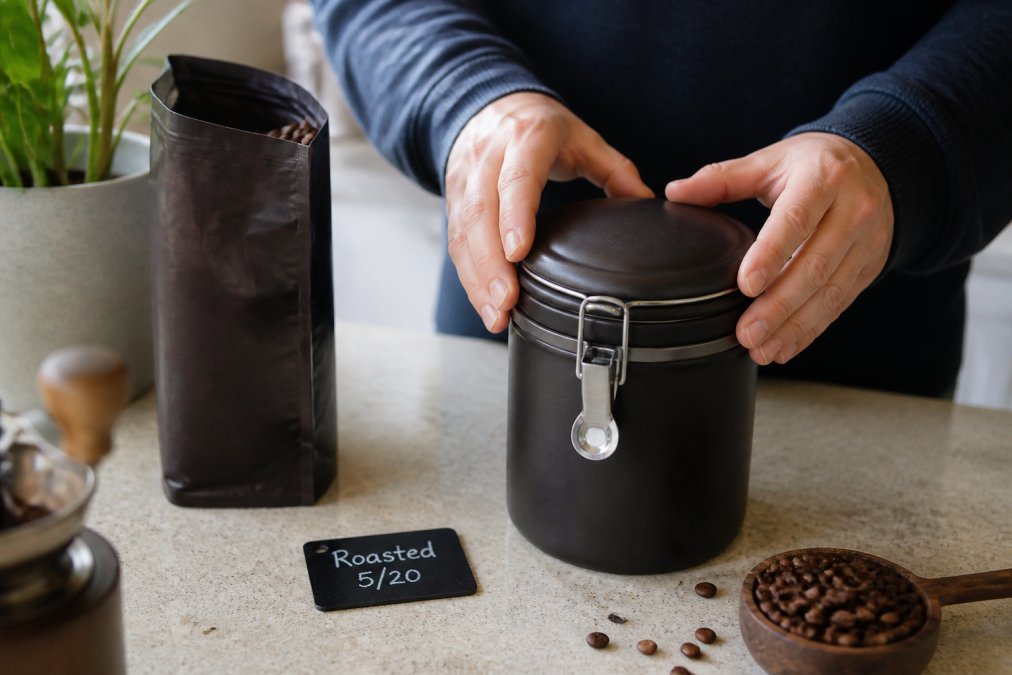
The four enemies of coffee freshness are oxygen, moisture, heat, and light. An airtight, opaque container stored at room temperature away from the stove handles all four. Do not refrigerate whole bean coffee. Temperature cycling introduces condensation that accelerates staling faster than room temperature storage.
Degassing, Shelf Life, and the Roast Date Rule
Freshly roasted coffee releases carbon dioxide for several days after roasting, called degassing. Specialty roasters include one-way valves on bags so CO2 escapes without letting oxygen in. Brewing too soon after roasting, within 24-48 hours, can produce a hollow, gassy cup because CO2 interferes with extraction.
Aim to brew between seven and twenty-one days post-roast for most arabica beans. After thirty days, flavor clarity degrades noticeably. After sixty days, the coffee is stale regardless of storage.
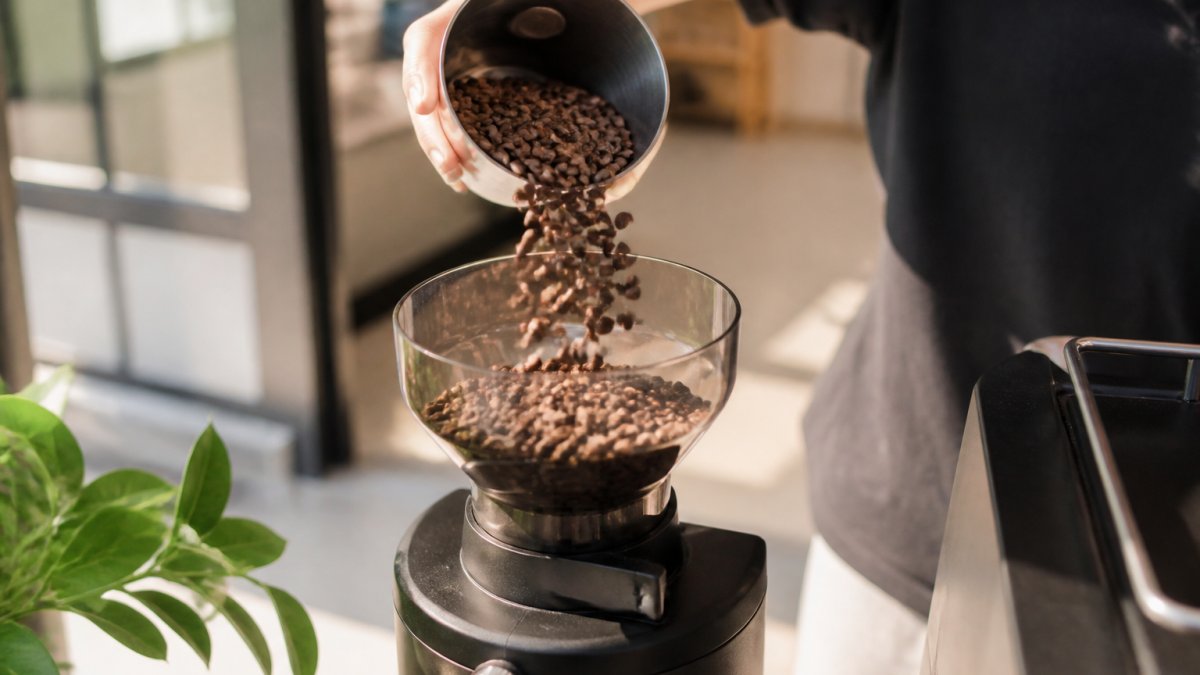
Whole bean coffee holds freshness significantly longer than pre-ground coffee. Grinding exposes dramatically more surface area to oxygen, so ground coffee goes stale within thirty minutes if left open. Grind immediately before brewing.
Coffee Brewing Ratios for Beginners: Drip, Pour-Over, French Press, and Espresso
The standard starting ratio for most home brewing methods is 1:15 to 1:17 coffee to water by weight. A kitchen scale is essential for consistent results; volume measurements introduce too much variability.
| Brew Method | Coffee | Water | Grind Size | Brew Time |
|---|---|---|---|---|
| Drip coffee | 1g | 15-17g | Medium | 4-6 minutes |
| Pour-over | 1g | 15-16g | Medium-fine | 3-4 minutes |
| French press | 1g | 15g | Coarse | 4 minutes |
| Espresso | 1g | 2g | Fine | 25-30 seconds |
The bloom step matters for pour-over and drip. Pour a small amount of hot water, roughly twice the weight of your coffee grounds, and let it sit for 30-45 seconds before continuing. This releases trapped CO2 and improves even extraction.
Troubleshooting Extraction Issues: Bitter, Sour, or Flat Cups
Bitter cup: Over-extracted. Grind coarser, reduce brew time, or lower water temperature slightly.
Sour cup: Under-extracted. Grind finer, extend brew time, or increase water temperature.
Flat cup with no aroma: Stale beans. No brewing adjustment fixes stale coffee. Check the roast date and replace the beans.
According to the Specialty Coffee Association's brewing standards and extraction guidelines, the ideal extraction yield for most brewing methods falls between 18% and 22% of the coffee's soluble compounds.
Subscription vs. One-Time Purchase: Which Gets You Fresher Beans for Less?
The subscription model wins on freshness. When you subscribe directly from a roaster, beans typically ship within a few days of roasting. One-time retail purchases carry no such guarantee.
For a household consuming one to two pounds per week, a subscription eliminates reordering decisions and typically delivers a modest discount. For occasional brewers going through one bag per month, a subscription risks beans sitting past their peak.
Subscribe if you brew daily; buy single bags if you brew occasionally or want to experiment across multiple roasters.
Sustainability and Ethical Sourcing: What Certifications Actually Mean
Fair Trade Certified sets minimum price floors for farmers and requires compliance with labor and environmental standards. It is audited by a third party and verifiable.
USDA Organic Certified prohibits synthetic pesticides and fertilizers. It addresses how coffee is grown, not how farmers are compensated.
Direct Trade is not a regulated certification but a sourcing philosophy involving direct relationships between roaster and farm, often with pricing above Fair Trade minimums. Quality outcomes tend to be excellent; accountability depends on the roaster's honesty.
For home brewers who care about sustainability, the most reliable signal is a roaster that publishes specific farm names, prices paid, and lot information.
Final Thoughts on Finding the Best Coffee Beans for Home Brewing
The most common mistake home brewers make is spending money on quality beans and then storing them wrong, grinding them too early, or brewing with water that is too hot or too cold. The bean is only one variable. Freshness, grind consistency, water temperature, and brewing ratio all shape the final cup.
Start with freshly roasted whole bean coffee from a roaster who prints the roast date on the bag. Grind immediately before brewing. Dial in your ratio with a scale. Adjust grind size before you adjust anything else when the cup tastes off.
Frequently Asked Questions
What are the best coffee beans for home brewing overall?
The best coffee beans for home brewing depend on your preferred roast level, brewing method, and flavor profile. For a balanced, crowd-pleasing cup, medium-roast whole bean options from specialty roasters like Counter Culture or Stumptown perform well across drip coffee, pour-over, and french press. Espresso drinkers tend to do better with blends designed for high-pressure extraction, such as Lavazza Super Crema or Intelligentsia Black Cat. Locally roasted beans with a recent roast date, like those from Third Space Coffee in Colorado Springs, deliver the freshest aroma and flavor clarity.
What is the difference between single origin and coffee blends?
Single origin coffee comes from one farm, region, or country, which makes it easier to taste the terroir, altitude, and processing method in every cup. Blends combine beans from multiple origins to achieve a consistent flavor profile year-round. Single origin beans suit pour-over and french press brewing, where flavor clarity shines. Blends are often preferred for espresso because the mix of bean density and acidity produces a more balanced shot with better crema. Neither is objectively better; the right choice depends on whether you want traceability or consistency.
How long do coffee beans stay fresh after roasting?
Freshly roasted whole bean coffee is at peak flavor between 5 and 30 days after the roast date. During the first 24 to 72 hours, beans release CO2 through a process called degassing, which is why most specialty roasters recommend waiting a few days before brewing. After 30 days, oxidation dulls the aroma and sweetness. Ground coffee loses freshness much faster, often within hours of grinding. Always check the roast date on the bag and store beans in an airtight container away from light, heat, and moisture to extend shelf life.
How do I choose the right coffee beans for my brewing method?
Match bean characteristics to your brewing equipment. Espresso machines extract under pressure, so they work best with medium-to-dark roast blends that have lower acidity and higher body. Pour-over and drip coffee highlight brightness and tasting notes, making light-to-medium single origin arabica beans a strong choice. French press brewing produces a full-bodied, heavier mouthfeel, which pairs well with medium or dark roasts. Grind consistency matters as much as bean selection: a quality burr grinder calibrated to your method will improve extraction regardless of which beans you choose.
Does buying a coffee subscription actually save money compared to one-time purchases?
Most specialty roasters offer 10 to 20 percent discounts on subscription orders compared to one-time purchase pricing. The bigger benefit is freshness: subscriptions ship beans shortly after roasting on a schedule you set, so you receive coffee at peak degassing. One-time purchases from retail shelves often sit in warehouses for weeks before reaching you. If you brew daily, a subscription typically delivers better value and better flavor. For occasional brewers, one-time purchases from a local roaster with visible roast dates are a practical alternative.
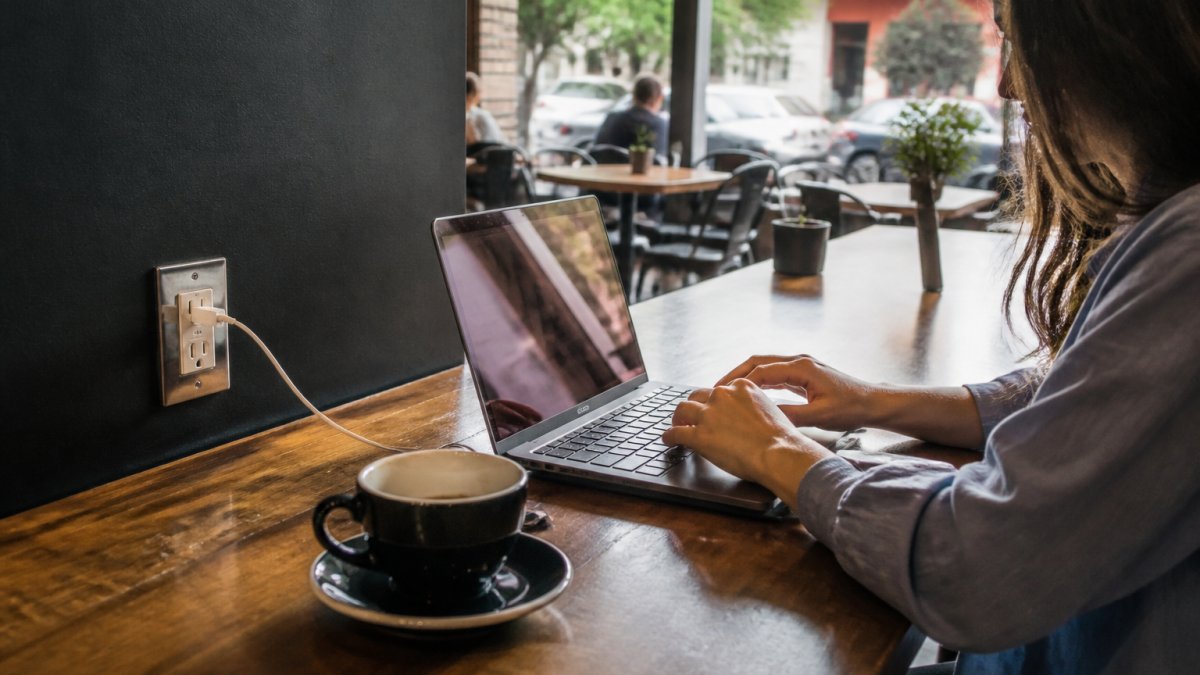
Third Space Coffee offers home brewers in Colorado Springs direct access to in-house roasted beans without the shelf-time penalty that comes with retail distribution. Whether you are looking for beans to take home, a comfortable space to work through your morning with reliable Wi-Fi and power outlets, or a venue for a team meeting or private event, Third Space Coffee brings it together under one roof. Visit thirdspacecoffee.com to explore current bean offerings and learn more about the space.
This article was written using GrandRanker