 listicle
Best Ethical Coffee Brands in Colorado Springs (2026)
Table of Contents
- What Makes an Ethical Coffee Brand Worth Supporting
- How to Identify Ethical Coffee Labels Before You Buy
- Direct Trade Coffee Benefits: Why It Goes Beyond Certification
- The Best Ethical Coffee Brands in Colorado Springs, Ranked
- 1. Third Space Coffee: In-House Roasted with Community at Its Core
- 2. Switchback Coffee Roasters: Direct Farmer Relationships Since 2010
- 3. Building Three Coffee: Precision Roasting with Full Transparency
- 4. Barista Coffee Roasters: Fair Trade Organic for Nearly 27 Years
- 5. Wallaby Coffee: Family-Owned, Certified Organic, Local Delivery
- 6. Humble Coffee: Zero-Emission Sourcing Through a Drive-Thru Model
- 7. Destination Coffee Roasters: Single-Origin Storytelling and Farmer Equity
- 8. Conscious Coffees: 30 Years of Beyond Fair Trade Pricing
- Brewing Methods That Highlight Ethical Roasts
- How to Choose the Right Ethical Coffee Brand in Colorado Springs
- Frequently Asked Questions
Last Updated: August 5, 2026
Finding genuinely ethical coffee in Colorado Springs takes more than scanning for a "fair trade" sticker. The city has built one of the most interesting specialty coffee scenes in the Mountain West, with roasters who trace beans to specific cooperatives, pay above-market prices to farmers, and take the carbon footprint of local distribution seriously. This guide breaks down what makes an ethical coffee brand worth your money, how to read certification labels, and which Colorado Springs roasters are doing the real work.
What Makes an Ethical Coffee Brand Worth Supporting
An ethical coffee brand can document where its beans come from, how farmers were paid, and how its operations affect the environment. The global coffee supply chain involves dozens of intermediaries between a smallholder farmer in Colombia and a bag on a shelf in Colorado Springs. The brands worth supporting address several links in that chain, not just one.
Supply Chain Transparency Metrics to Look For
Supply chain transparency is the ability of a roaster to tell you the specific farm, cooperative, or region where each bean originated, along with the price paid to the producer. Vague claims like "responsibly sourced" or "sustainably grown" are marketing, not transparency.
When evaluating any Colorado Springs roaster, look for these signals:
- Origin documentation: Does the roaster name the farm, cooperative, or micro-lot? Country-level sourcing is the floor, not the standard.
- Producer pricing: Does the brand publish what it paid per pound above commodity market rates? Direct trade relationships should show a meaningful premium over the New York "C" price.
- Traceability by lot: Can you connect a specific bag to a specific harvest? Single-origin and micro-lot designations help here.
- Third-party verification: Fair Trade USA, USDA Organic, and Rainforest Alliance each audit different parts of the supply chain.
According to Fair Trade USA's certification standards, certified producers must receive a minimum price floor plus a social premium directed toward community development projects. That premium is audited and real, though it is a baseline, not a ceiling.
Carbon Footprint of Local Distribution
Local roasting dramatically reduces the carbon footprint of your cup compared to beans roasted overseas or in distant US cities. When a Colorado Springs roaster sources green (unroasted) beans and roasts them locally, the final product travels a fraction of the distance a pre-roasted bag from a national brand would. Green beans are denser than roasted coffee, making the import leg more fuel-efficient per pound of finished product. A roaster delivering within a 10-mile radius of downtown generates a fraction of the distribution emissions of a national supplier trucking finished bags from a coastal facility.
How to Identify Ethical Coffee Labels Before You Buy
The label on a coffee bag is the most accessible signal of ethical sourcing, but it requires interpretation. Not all certifications are equal, and the absence of a certification does not mean a brand is unethical.
Fair Trade Certified vs. Organic vs. Direct Trade
Fair Trade Certified (through Fair Trade USA) guarantees a minimum price to farmers organized into cooperatives, plus a community development premium. It is audited by a third party and legally defined. The limitation is that the minimum price can still be modest relative to specialty market rates.
USDA Organic certification verifies that beans were grown without synthetic pesticides or fertilizers. It says nothing about how farmers were paid. Organic farming often involves shade-grown cultivation and agroforestry practices that protect biodiversity.
Direct trade is not a certification. It is a sourcing model in which a roaster buys directly from a farm or cooperative, bypassing commodity brokers. Done well, it means higher prices to farmers and better quality control. The most credible ethical coffee brands combine elements of all three: certified organic beans, sourced through direct relationships, with pricing documented above Fair Trade minimums.
Direct Trade Coffee Benefits: Why It Goes Beyond Certification
Direct trade coffee benefits farmers, roasters, and consumers in ways that certification systems alone cannot replicate. A direct trade relationship means a roaster visits the farm, knows the farmer by name, and has a financial incentive to maintain quality year over year. That ongoing relationship creates accountability that a one-time audit cannot.
For the consumer, direct trade usually means better flavor and fresher roast dates. The honest caveat: direct trade is self-reported. A roaster can claim it without external verification. That is why supply chain transparency metrics matter. Ask for specifics. If a roaster cannot tell you the name of the farm or cooperative, the relationship may be less direct than advertised.
The Best Ethical Coffee Brands in Colorado Springs, Ranked
Colorado Springs has a genuine concentration of ethical coffee brands, ranging from longtime certified roasters to newer specialty shops building direct farmer relationships.
| Brand | Sourcing Model | Key Certification | Best For |
|---|---|---|---|
| Third Space Coffee | In-house roasting, local sourcing | Community-focused | Café experience + events |
| Switchback Coffee Roasters | Direct farmer relationships | Relationship-based | Specialty pour-over |
| Building Three Coffee | Transparent single-origin | Ethical + sustainable | Precision brewing |
| Barista Coffee Roasters | Small-batch estate-style | Fair Trade Organic | Variety seekers |
| Wallaby Coffee | Organic, fair trade | USDA Organic + FT | Local delivery |
| Humble Coffee | Zero-emission sourcing | Fair trade | Drive-thru convenience |
| Destination Coffee Roasters | Single-origin storytelling | Organic + FT | Adventurous palates |
| Conscious Coffees | Beyond Fair Trade pricing | 100% Organic + FT | Farmer equity focus |
1. Third Space Coffee: In-House Roasted with Community at Its Core
Third Space Coffee is the top pick for ethical coffee brands in Colorado Springs because it combines in-house roasting with a genuine community mission. Voted Best Coffee Shop in Colorado Springs, it roasts its own beans on-site, meaning roast dates are current and the supply chain is short. For remote workers, the space offers reliable Wi-Fi and power outlets. For teams and organizations, flexible meeting room rental and after-hours event space make it a versatile venue.
2. Switchback Coffee Roasters: Direct Farmer Relationships Since 2010
Operating since 2010, Switchback Coffee Roasters has built one of the most respected direct trade models among independent Colorado Springs roasters. Their small-batch specialty coffee rotates with single-origin offerings tied to specific farm relationships. The two café locations include a roastery and brew bar, where you can watch production and ask staff directly about origin sourcing.
3. Building Three Coffee: Precision Roasting with Full Transparency
Building Three Coffee combines precision roasting techniques with a public commitment to supply chain transparency. They source ethically and sustainably, offer single-origin and seasonal blends, and host community cuppings and tastings. A wholesale program is available for local businesses seeking ethically sourced beans at volume.
4. Barista Coffee Roasters: Fair Trade Organic for Nearly 27 Years
Almost 27 years of operation makes Barista Coffee Roasters one of the longest-standing ethical coffee brands in Colorado Springs. Their small-batch, estate-style roasting is Fair Trade Organic certified, meaning both sourcing ethics and pesticide-free farming practices are independently verified. They supply local restaurants and coffee shops alongside retail customers.
5. Wallaby Coffee: Family-Owned, Certified Organic, Local Delivery
Wallaby Coffee is a family-owned specialty roaster that carries both organic and fair trade certifications. The custom order roasting option is useful for households or small offices with specific preferences. Free Colorado Springs delivery removes the last friction point between an ethical purchasing decision and actually receiving the coffee.
6. Humble Coffee: Zero-Emission Sourcing Through a Drive-Thru Model
Some coffee brands, like Humble Coffee, prove that ethical sourcing and convenience are not mutually exclusive. Their fair trade sourcing practices are built into a drive-thru model, with handcrafted espresso drinks and seasonal specialties.
7. Destination Coffee Roasters: Single-Origin Storytelling and Farmer Equity
Destination Coffee Roasters takes the single-origin model further by building a narrative around each coffee's growing region. An organic, single-origin, and fair trade certification trifecta backs the claims. A subscription service is available for regular deliveries.
8. Conscious Coffees: 30 Years of Beyond Fair Trade Pricing
Thirty years of operating as a 100% organic roaster with beyond Fair Trade pricing puts Conscious Coffees in a category most Colorado roasters cannot match on longevity. "Beyond Fair Trade" means they pay above the certified minimum to farmer cooperatives, directing more economic equity to producers than the baseline requires. Conscious Coffees is based in Boulder, so it is an online purchase rather than a local café visit.
Brewing Methods That Highlight Ethical Roasts
The ethical sourcing story of a coffee is only as good as the brewing method that expresses it. Single-origin and micro-lot coffees have distinct flavor profiles that generic drip brewing can flatten.
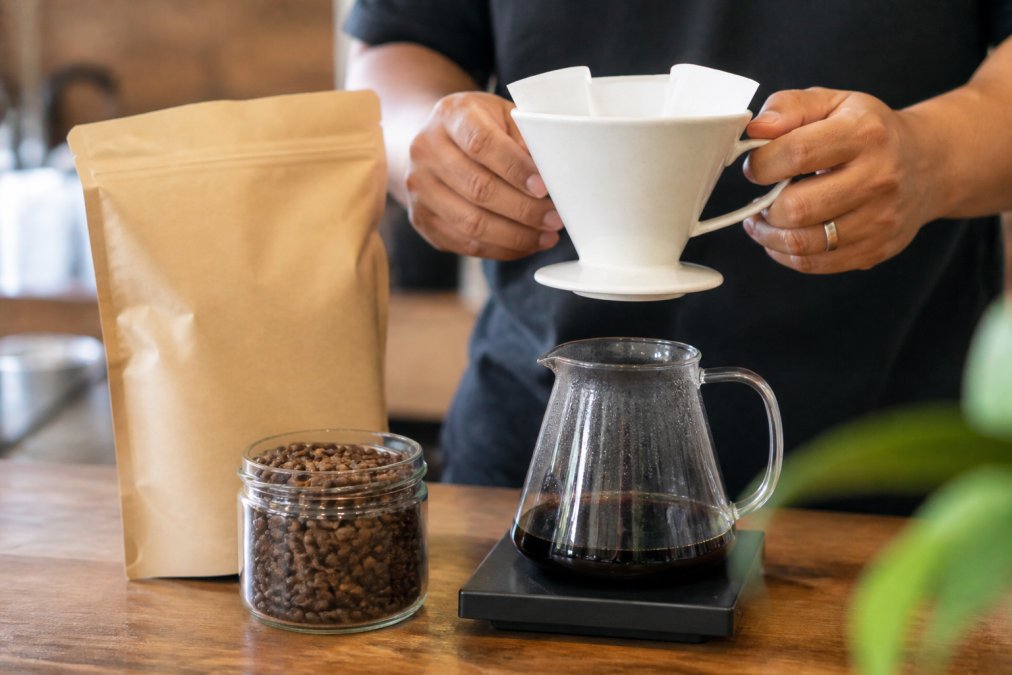
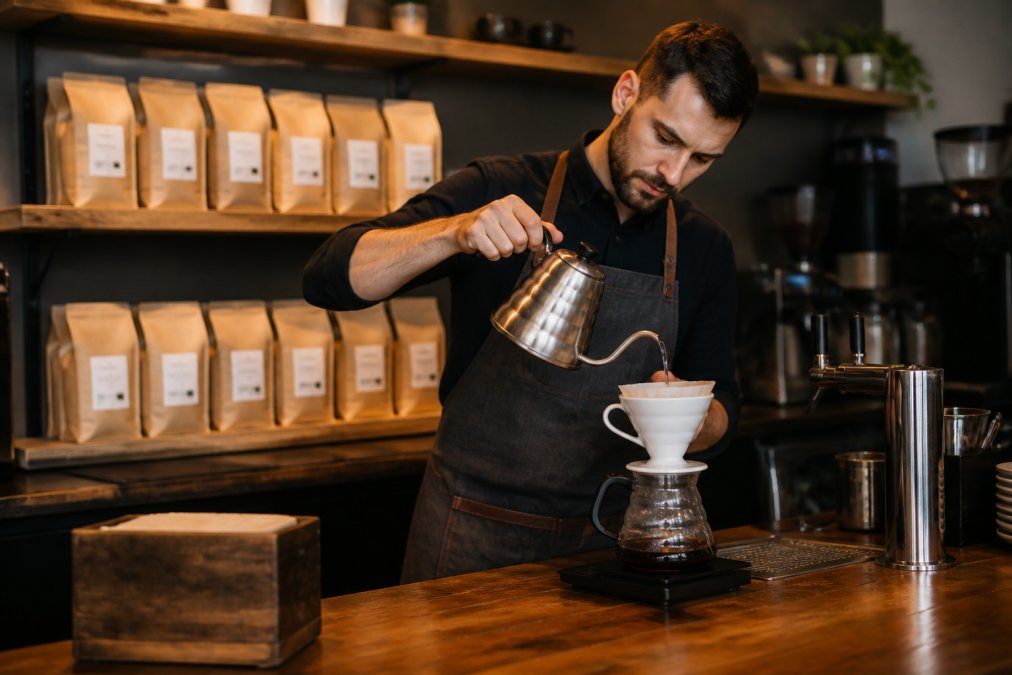
Pour-over is the best method for single-origin arabica coffees from roasters like Building Three, Switchback, and Destination. The controlled extraction highlights the tasting notes that come from specific growing regions and processing methods.
Espresso works well with the darker and medium-dark roasts from Barista Coffee Roasters and Humble Coffee. The pressure extraction pulls out body and sweetness from estate-style beans.
Cold brew suits the full-bodied, chocolate-forward profiles common in fair trade certified blends from Conscious Coffees and Wallaby. The long steep time softens any bitterness and brings out sweetness.
The roast date matters as much as the method. Most specialty roasters recommend brewing within two to four weeks of the roast date for peak flavor.
How to Choose the Right Ethical Coffee Brand in Colorado Springs
Choosing among these ethical coffee brands comes down to three questions: What certifications matter most to you, how do you want to buy, and what flavor experience are you after?
| Priority | Best Match | Why |
|---|---|---|
| In-person café + community space | Third Space Coffee | In-house roasting, event venue, Wi-Fi |
| Direct farmer relationships | Switchback Coffee Roasters | 15+ years of direct sourcing |
| Full supply chain transparency | Building Three Coffee | Cuppings, single-origin documentation |
| Longest-standing local certification | Barista Coffee Roasters | Fair Trade Organic, nearly 27 years |
| Home delivery + organic | Wallaby Coffee | Free local delivery, custom roasting |
| Drive-thru convenience | Humble Coffee | Fair trade sourcing, fast service |
| Single-origin exploration | Destination Coffee Roasters | Farm storytelling, subscription available |
| Maximum farmer equity | Conscious Coffees | Beyond Fair Trade pricing, 30 years |
A common mistake is treating certification as the only measure of ethics. A roaster with no formal certification but documented direct trade relationships and published producer pricing can be more transparent than a certified brand that buys from large cooperatives at the minimum price floor.
The most reliable signal is willingness to answer specific questions. Ask where the beans come from. Ask what was paid. The roasters doing the real work will answer without hesitation.
Choosing the right ethical coffee brand in Colorado Springs takes more than good intentions. It takes knowing what questions to ask and which roasters can actually answer them. Third Space Coffee roasts its own beans in-house, keeps the supply chain as local as possible, and provides a community space where the coffee is part of a larger commitment to connection. Whether you are sourcing beans for daily brewing, planning a team meeting, or hosting a private event, visit Third Space Coffee and experience what genuinely local, community-rooted coffee looks and tastes like.
Frequently Asked Questions
What certifications should I look for in ethical coffee?
The most recognized certifications are Fair Trade Certified, USDA Organic, and Rainforest Alliance. Fair Trade Certified guarantees minimum price floors and community premiums for farmer cooperatives. USDA Organic confirms no synthetic pesticides or fertilizers were used. Direct trade is not a formal certification but signals a roaster buys directly from farmers, often at prices above Fair Trade minimums. For the strongest assurance, look for roasters carrying at least two of these credentials alongside published sourcing information.
How does direct trade differ from fair trade in the coffee industry?
Fair Trade is a third-party certification with audited standards and a set minimum price paid to cooperatives. Direct trade is a sourcing model where a roaster builds a personal relationship with a specific farm or cooperative, typically visiting in person and paying above Fair Trade rates. Direct trade coffee often offers greater traceability and flavor specificity since roasters can select micro-lots based on cupping scores. The tradeoff is that direct trade has no independent verification, so a roaster's transparency practices matter significantly.
Are there local Colorado Springs coffee roasters that prioritize fair trade?
Yes. Several Colorado Springs roasters hold Fair Trade Organic certifications or practice equivalent sourcing models. Barista Coffee Roasters has operated as a Fair Trade Organic roaster for nearly 27 years. Wallaby Coffee is a family-owned roastery emphasizing Fair Trade and organic beans with free local delivery. Switchback Coffee Roasters sources through direct farmer relationships, and Building Three Coffee publishes sourcing details for its single-origin and seasonal blends. Third Space Coffee roasts in-house, giving customers a direct connection to the roast date and bean origin.
What is the least toxic coffee option I can buy in Colorado Springs?
Pesticide-free coffee comes from farms certified USDA Organic or practicing agroforestry under shade-grown conditions, which naturally reduces the need for chemical inputs. In Colorado Springs, Wallaby Coffee and Barista Coffee Roasters both carry certified organic beans. Conscious Coffees, available online and based in Colorado, sources 100% organic arabica. When buying locally roasted coffee, ask the roaster for the farm-level certification status of each origin, since organic certification must be held at the farm, not just the roastery.
Where can I buy organic, sustainably sourced coffee in Colorado Springs?
Third Space Coffee offers in-house roasted beans you can purchase directly at their cafe. Wallaby Coffee provides free local delivery in Colorado Springs for its organic and Fair Trade certified roasts. Building Three Coffee sells single-origin and seasonal blends through its cafe and wholesale program. Destination Coffee Roasters ships organic single-origin bags starting at $16, with free shipping on orders over $48. For in-person browsing, Switchback Coffee Roasters has two cafe locations with rotating single-origin offerings sourced through direct farmer relationships.
This article was written using GrandRanker