 listicle
Best Local Coffee Roasters in Colorado Springs
Table of Contents
- Top Local Coffee Roasters in Colorado Springs
- Quick Comparison: What Sets Each Roaster Apart
- How to Choose Coffee Beans From Local Roasters
- Coffee Shop Meeting Rooms for Teams and Events
- Coffee Subscription Services From Local Roasters
- Brewing Methods for Specialty Local Roasts
- Accessibility and Remote Work Suitability
- Frequently Asked Questions
Last Updated: August 31, 2026
Top Local Coffee Roasters in Colorado Springs
Finding genuinely exceptional coffee in Colorado Springs means knowing where the real roasting happens. The difference between a chain that buys pre-roasted beans and a roastery that controls the entire process from green bean to cup is dramatic: freshness, flavor complexity, and traceability all shift when someone's actually roasting the beans on-site.
Third Space Coffee stands out as the community's premier destination for locally roasted excellence. We roast our own beans in-house, which means every cup reflects our direct control over roast dates, flavor development, and quality consistency. Beyond the coffee itself, Third Space Coffee functions as a genuine third space, neither home nor office, but a welcoming hub where remote workers, teams, and community members gather. Our versatile meeting room rental options make us ideal for private events and professional gatherings, distinguishing us from grab-and-go competitors.
The local coffee roasters scene in Colorado Springs has matured significantly. What follows are the roasteries and cafes genuinely worth your time, each bringing distinct approaches to craft quality, sustainability, and community connection.
Third Space Coffee: In-House Roasting and Community Hub
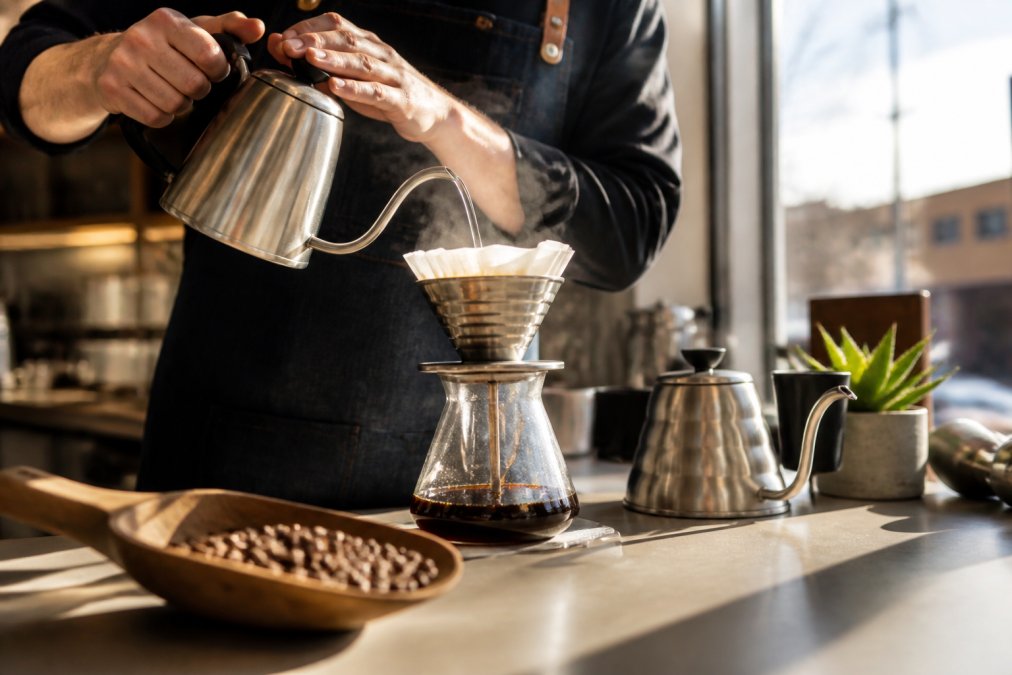
Third Space Coffee delivers what most coffee shops only promise: genuinely fresh, in-house roasted beans paired with a space designed for real work and real connection. That freshness translates directly to brighter acidity, more pronounced origin characteristics, and complexity that fades noticeably once beans sit past their optimal window.
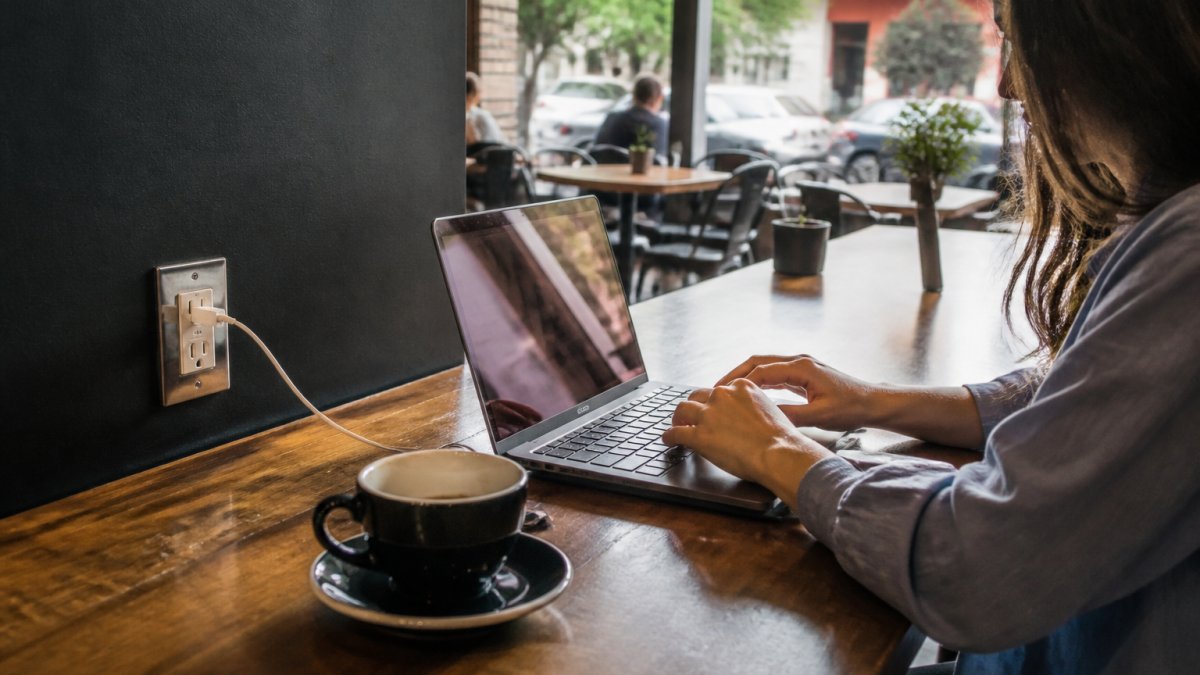
Our space accommodates remote workers with reliable Wi-Fi and power outlets throughout, making it genuinely viable for full workdays. Teams booking our meeting rooms gain access to a flexible venue with full food and beverage service, eliminating the need for separate catering or impersonal conference rooms. The food menu extends beyond pastries to breakfast, lunch, and options accommodating dietary restrictions including gluten-free and vegan choices.
Story Coffee Company: Tiny-House Craft Excellence
Story Coffee Company operates from a distinctive tiny-house structure in downtown Colorado Springs. The walk-up window model keeps operations lean and focused on what matters: espresso drinks and pastries executed with genuine care.
Their lattes carry a reputation for being among the finest in the region. They sell their own line of roasted coffee beans, giving you access to their house roasts for home brewing. The tiny-house concept forces clarity of purpose and creates an intimate, memorable experience.
Pikes Perk Coffee Roasters: Direct Trade Focus
Pikes Perk Coffee Roasters operates as a genuine roastery first, cafe second. Their business model prioritizes wholesale supply to other local cafes and direct-to-consumer whole bean sales over retail drink service. They offer a coffee club subscription delivering fresh roasted beans monthly, ideal for home brewers who want consistency and convenience. Their Pikes Peak blend leans toward chocolate and nutty flavor profiles, appealing to those who prefer balanced, approachable roasts over bright, acidic single-origins.
Solar Roast Coffee: Sustainable Organic Roasting
Solar Roast Coffee anchors its identity around organic, sustainably sourced beans roasted using environmentally conscious methods. Beyond coffee, they've built a unique ecosystem: live music, a record shop, and a full food menu serving breakfast and lunch all day. The combination of coffee, music, and vinyl creates a distinct atmosphere, more cultural gathering space than pure coffee destination. benefits of local roasting.
Urban Steam: Cafe and Bar Hybrid
Urban Steam operates as a full-service establishment balancing cafe and bar functions. Coffee, breakfast, lunch, dinner, and alcoholic beverages all exist on the same menu. Menu items like Colorado Poutine and Buddha Bowl signal a kitchen doing more than reheating prepared items. For teams seeking a venue combining food, drinks, and professional atmosphere, Urban Steam offers flexibility.
Quick Comparison: What Sets Each Roaster Apart
| Roaster | Specialty | Best For | Key Differentiator |
|---|---|---|---|
| Third Space Coffee | In-house roasting, meeting space | Remote workers, teams, events | Daily roasting + versatile venue rental |
| Story Coffee Company | Espresso drinks, tiny-house experience | Quick, quality coffee | Focused execution in intimate setting |
| Pikes Perk Coffee Roasters | Direct trade, subscriptions | Home brewers | Coffee club delivery, wholesale focus |
| Solar Roast Coffee | Organic, sustainable roasting | Values-driven buyers | Live music + record shop integration |
| Urban Steam | Full cafe/bar service | All-day dining | Comprehensive food and beverage menu |
Each roaster occupies distinct territory. Third Space Coffee serves those needing workspace, meeting capability, and daily-fresh roasted beans. Story excels for those prioritizing espresso quality in a memorable setting. Pikes Perk targets committed home brewers. Solar Roast appeals to sustainability-conscious customers. Urban Steam functions as a full hospitality destination rather than a coffee specialist.
How to Choose Coffee Beans From Local Roasters
Selecting beans from local coffee roasters requires understanding three core variables: freshness, flavor profile, and sourcing practices.
Understanding Roast Dates and Freshness
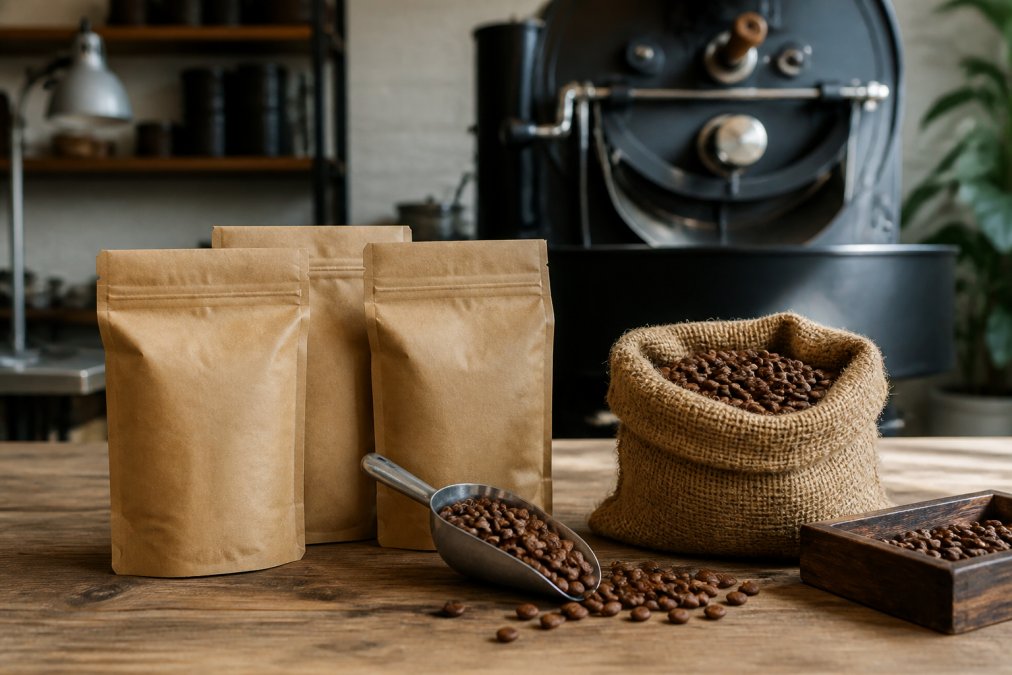
The roast date printed on a bag of specialty coffee tells you everything about how fresh those beans actually are. Beans reach peak flavor 5-14 days post-roast, depending on roast level and bean density (peer-reviewed research). When purchasing from local roasters like Third Space Coffee, you're gaining access to beans roasted within days. Check the roast date before purchasing. If a roaster doesn't print the date, that's a signal they're not prioritizing freshness.
Flavor Profiles and Single-Origin Beans
Single-origin beans come from specific regions or farms, which means their flavor characteristics reflect that geography, elevation, processing method, and varietal. Local roasters develop roast profiles specifically to highlight these origin characteristics. A light roast preserves bright acidity and floral notes; a dark roast emphasizes body and deeper chocolate tones (peer-reviewed research). Tasting notes on specialty coffee bags reflect genuine sensory characteristics rather than generic descriptors.
Sustainability and Ethical Sourcing
Direct trade means the roaster purchases directly from farmers, eliminating middlemen and ensuring better compensation. Solar Roast Coffee emphasizes organic and sustainable roasting methods, addressing both bean sourcing and roasting process impact. Ask local roasters about their sourcing. Genuine roasters can articulate their relationships with suppliers and explain why they've chosen specific beans.
Coffee Shop Meeting Rooms for Teams and Events
The commercial real estate market for small meeting spaces in Colorado Springs remains expensive and inflexible. Traditional conference rooms demand full-day minimums, limited customization, and no food service integration. Local coffee roasters increasingly offer an alternative: flexible meeting space paired with cafe amenities.
Why Local Roasters Make Ideal Meeting Venues
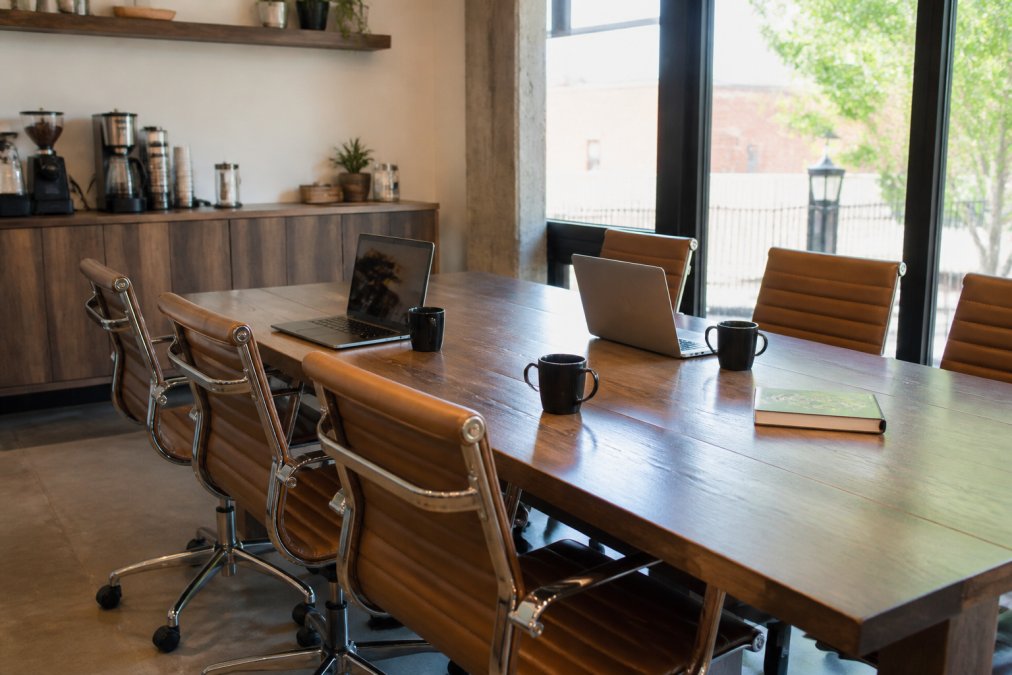
Third Space Coffee functions as a purpose-built venue for this exact use case. The meeting room rental option gives teams access to professional space without the downtown premium or rigid booking requirements. Teams meeting at Third Space Coffee gain access to Wi-Fi, power outlets, and food service without arranging catering separately. For organizations that value supporting local business, hosting meetings at a community-focused roaster aligns purchasing with values.
What to Expect From Meeting Room Rentals
Meeting room rental from local roasters typically includes the space itself, Wi-Fi access, and the ability to order food and beverages from the cafe menu. Booking typically happens directly with the roaster rather than through an online platform. Call or visit in person to discuss your specific requirements, dates, and group size. Confirm capacity and setup options before committing.
Coffee Subscription Services From Local Roasters
Coffee subscriptions from local roasters deliver fresh beans on a regular schedule, eliminating the friction of remembering to reorder while ensuring you're always brewing beans within their optimal freshness window. Pikes Perk Coffee Roasters operates a subscription model, sending freshly roasted beans monthly to subscribers. The subscription model works best for committed home brewers who understand their consumption rate and flavor preferences. Contact local roasters directly to understand what they offer.
Brewing Methods for Specialty Local Roasts
Specialty coffee from local roasters deserves brewing methods that extract properly. Technique matters as much as bean quality.
Pour-Over and Espresso Extraction
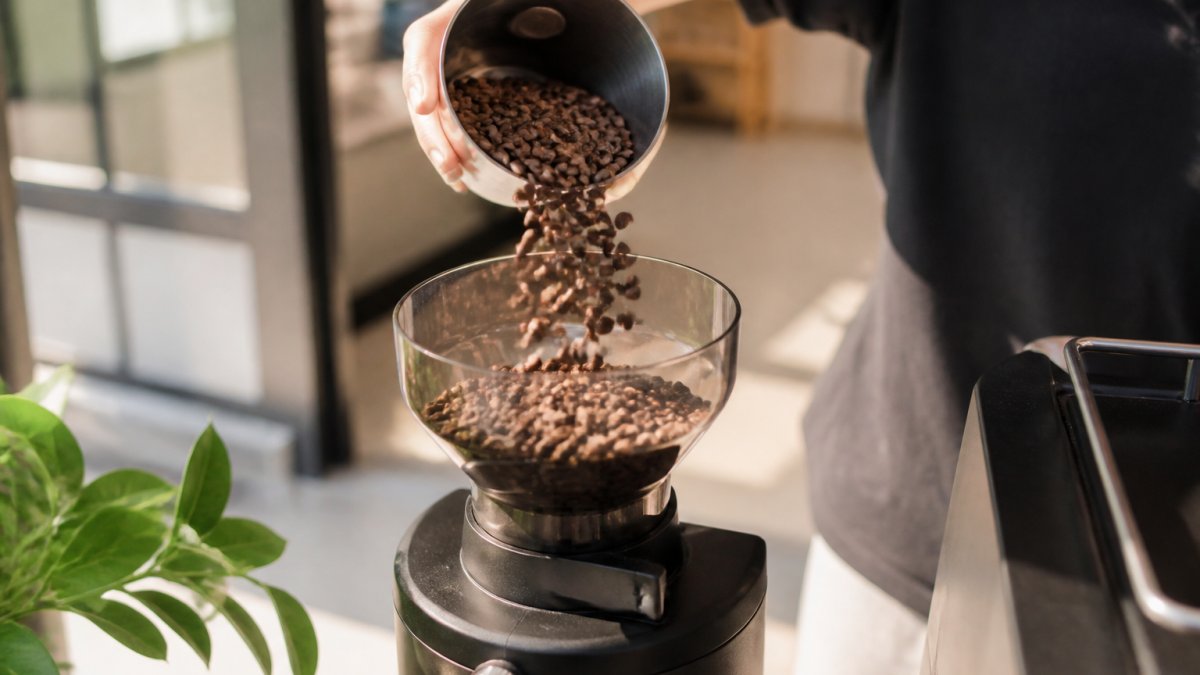
Pour-over brewing, whether Chemex, V60, or Melitta, gives you direct control over water temperature, pour rate, and total brew time. Espresso extraction happens rapidly, which means grind size, tamping pressure, and water temperature all interact to determine whether you're extracting properly or pulling a shot that's either sour (under-extracted) or bitter (over-extracted). Invest in a quality grinder if you're serious about specialty coffee. The grinder matters more than the brewing device.
Cold Brew and Grind Size Considerations
Cold brew requires coarse grinding and extended steeping, typically 12-24 hours, which extracts differently than hot water methods (peer-reviewed research). Grind size directly affects extraction rate. Finer grinds increase surface area, accelerating extraction; coarser grinds slow it. Local roasters can advise on grind size for their specific beans and your preferred brewing method.
Accessibility and Remote Work Suitability
Colorado Springs' remote work population has grown substantially, creating demand for coffee shops that genuinely support all-day work rather than treating customers as transient.
Third Space Coffee deliberately designs for remote workers and teams. Reliable Wi-Fi, abundant power outlets, comfortable seating that supports extended work sessions, and a culture that welcomes people staying for hours distinguish it from grab-and-go competitors. Story Coffee Company's tiny-house model and limited seating make it less suitable for all-day work. Solar Roast Coffee and Urban Steam both support longer visits, though neither specifically optimizes for remote work the way Third Space Coffee does.
The local coffee roasters in Colorado Springs reflect genuine commitment to craft, community, and quality. Whether you're seeking in-house roasted beans, a workspace supporting remote work, a venue for meetings and events, or simply an exceptional cup, the roasteries outlined above deliver on their distinct promises. Third Space Coffee combines all these elements, daily-fresh roasting, professional meeting space, and a welcoming community hub, making it the comprehensive choice for those seeking quality coffee paired with versatile venue capability. Visit, experience the difference fresh roasting makes, and discover why local roasters matter to a thriving coffee culture.
Frequently Asked Questions
Q: What makes a local coffee roaster different from a chain cafe?
A: Local coffee roasters focus on small-batch roasting, direct trade relationships, and community connection. They typically roast their own beans in-house, allowing precise control over flavor development and freshness. Unlike chain cafes that source pre-roasted beans from distributors, local roasters offer single-origin options, custom blends, and hand-crafted brewing methods. This commitment to quality and transparency in the roasting process is the hallmark of third-wave coffee culture.
Q: How do I know if coffee beans are truly fresh from a local roaster?
A: Check the roast date on the bag, freshly roasted beans should be consumed within 2-4 weeks for optimal flavor. Local roasters typically print this date prominently. Ask when the beans were roasted during your visit. Whole bean coffee stored in an airtight container away from light and heat stays fresher longer than pre-ground coffee. Most specialty roasters offer beans roasted within the past week, ensuring peak aroma and extraction yield.
Q: Do local coffee roasters offer coffee subscription services?
A: Many local roasters, including Pikes Perk Coffee Roasters, offer coffee club subscriptions that deliver freshly roasted beans monthly. Subscriptions typically provide flexibility to choose roast profiles, adjust frequency, and often include exclusive single-origin offerings. Subscription services ensure you receive beans at peak freshness and support the roastery's direct trade relationships. Check individual roaster websites for pricing, flavor preferences, and delivery schedules.
Q: Can I use a local coffee shop's meeting room for a team gathering?
A: Yes. Third Space Coffee and other local roasters offer flexible meeting room rental options for professional teams, non-profits, and private events. Spaces typically accommodate small to medium groups and may include Wi-Fi, power outlets, and access to food and beverage service. Pricing and availability vary, so contact the roastery directly for details on capacity, hours, booking requirements, and any minimum purchase or rental fees.
Q: What brewing method brings out the best flavor from specialty local roasts?
A: The best method depends on the roast profile and your preference. Pour-over and espresso extraction highlight acidity and complexity in lighter roasts, while immersion methods like cold brew suit darker roasts with rich body and lower acidity. Grind size matters significantly, finer grinds increase extraction yield, while coarser grinds reduce bitterness. Ask your local roaster for brewing recommendations specific to their beans' cupping notes and intended flavor profile.
This article was written using GrandRanker