
TL;DR:
- Hosting local events strengthens community bonds and significantly boosts regional economic activity. These events foster social cohesion, support small businesses, and generate high marketing engagement. Focusing on relationship-building and follow-up maximizes long-term community and brand benefits.
Hosting events locally is defined as organizing gatherings within a specific neighborhood or city to build community ties and drive economic activity. The benefits of hosting events locally extend well beyond a single afternoon of fun. Research shows that community event sponsorship drives a 67% increase in brand engagement, and regional sporting events can generate nearly $21 million in visitor spending. For community organizers and residents in Colorado Springs and beyond, local events are one of the most direct tools available to strengthen neighborhoods, support small businesses, and create lasting social bonds.
1. How hosting local events builds community engagement
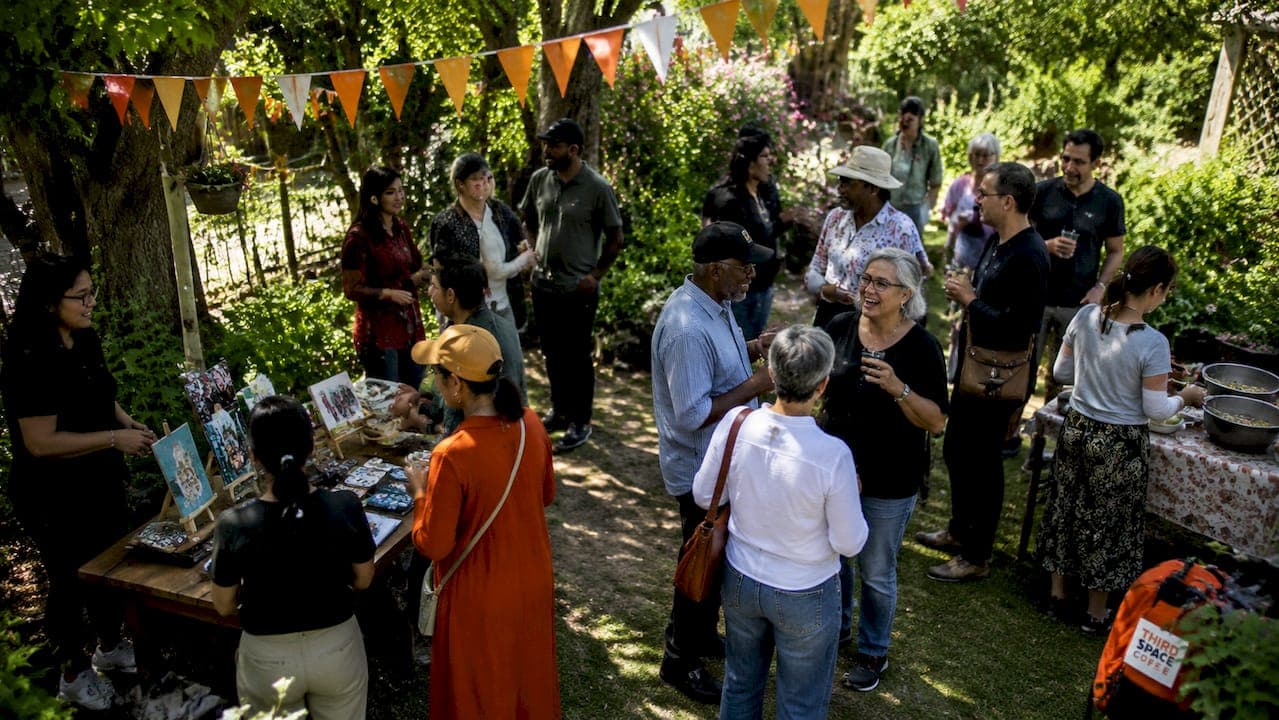
Community events create shared experiences that residents cannot replicate through social media or online groups. When neighbors gather around a common purpose, whether a farmers market, a cultural festival, or a neighborhood workshop, they form real relationships. Those relationships are the foundation of social cohesion.
Research confirms that residents strongly support local events, with a mean support score of 4.35 out of 5. That number tells you something important: most residents see events as a net positive, even when minor inconveniences like traffic arise. The same study found that social cohesion benefits scored 4.24 out of 5, while traffic disruption scored only 3.06 out of 5. Residents weigh the social gains far above the temporary hassle.
Local events also serve as spaces for cultural expression and inclusivity. A neighborhood block party or a multicultural food fair gives residents a platform to share their backgrounds and traditions. That kind of visibility builds pride and belonging across diverse populations.
Key community engagement benefits include:
- Stronger neighbor relationships formed through face-to-face interaction
- Improved community image as residents see their area as active and welcoming
- Cultural representation for groups that rarely get public platforms
- Increased civic participation as attendees become volunteers and organizers
Pro Tip: Use transparent communication before and during events, including clear parking guidance and noise schedules, to maximize positive community support and reduce friction.
2. Economic advantages: boosting small businesses and tourism
Local events are direct economic drivers for small businesses. Restaurants, hotels, retail shops, and service providers all see measurable revenue increases when events bring visitors into a neighborhood. The effect compounds when events run across multiple days.
Eleven regional sporting events alone are projected to generate 7,175 room nights and nearly $21 million in visitor spending. That figure represents real income for local hotels, restaurants, and transportation providers. Local sporting events act as steady economic engines, creating predictable foot traffic that supports multiple sectors reliably.
Events also stimulate indirect economic benefits. Beyond on-site spending, they attract tourism-linked investments and improve a city's image in ways that draw future visitors and businesses. A neighborhood known for vibrant events becomes a destination, not just a place people pass through.
Here is a breakdown of how different event types affect local economic outcomes:
- Multi-day sporting tournaments generate the highest room nights and hotel revenue.
- Cultural festivals drive restaurant and retail spending over concentrated periods.
- Farmers markets create weekly foot traffic and steady revenue for local vendors.
- Professional workshops attract high-income attendees with strong purchasing intent.
- Community fundraisers keep spending local while building goodwill for host organizations.
Pro Tip: Focus on events with high attendee intent, such as ticketed workshops or specialty markets, rather than free general-admission events. Intent-driven attendees spend more and convert to repeat customers at higher rates.
3. Marketing benefits for local businesses that sponsor or host events
Sponsoring or hosting a local event gives businesses a marketing channel that digital advertising cannot replicate. Event attendees are relaxed, curious, and open to meaningful discovery. That mindset makes them far higher quality prospects than someone scrolling past a banner ad.
The numbers back this up. Brand engagement rises 67% through community event sponsorship, and local brand search volume increases 30%–40% after events. Those search volume gains mean people are actively looking for your business after meeting you in person. That is organic interest you cannot buy through paid search alone.
Face-to-face connection also carries a trust premium. 92% of consumers trust personal recommendations, and a genuine conversation at a local event functions as a personal recommendation in real time. That trust translates directly into purchasing decisions and word-of-mouth referrals.
Effective local event marketing strategies include:
- Pre-event: Promote your presence on Instagram and local community boards at least two weeks out.
- During the event: Use interactive booths, product demos, or raffles to capture attendee contact information.
- Post-event: Follow up with attendees within 48 hours using email or social media to maintain momentum.
Sponsors who capture attendee data through interactive booths or raffles see significantly better long-term return on investment than those who rely on logo placement alone. A banner with your name on it fades from memory. A conversation, a free sample, or a raffle entry does not.
Pro Tip: Pair your event presence with a location-specific offer, such as a discount redeemable only at your local storefront, to convert event interest into in-store visits.
4. Choosing the right event type for your goals
Not every event format delivers the same results. The choice between a large street festival and a small workshop depends on your goals, budget, and the kind of relationship you want to build with attendees.
Micro-events like workshops cost between $200 and $1,000 to produce, while street festivals typically run $2,000 to $10,000 or more. That cost difference matters, but the more important distinction is attendee intent. Workshop participants show up with a specific purpose. Festival visitors often browse casually. Higher intent means better data capture, stronger conversion rates, and deeper brand loyalty.
| Event type | Cost range | Attendee intent | Best for |
|---|---|---|---|
| Street festival | $2,000–$10,000+ | Low to moderate | Broad awareness and foot traffic |
| Micro-workshop | $200–$1,000 | High | Conversion and relationship building |
| Farmers market | Varies | Moderate | Weekly revenue and vendor exposure |
| Sporting tournament | $5,000+ | High | Tourism and multi-day spending |
| Community fundraiser | $500–$3,000 | Moderate | Goodwill and local network building |
Major festivals generate wide awareness but often lack targeted intent. Micro-events foster deeper connections and higher conversion within a local radius. For small businesses and community organizers with limited budgets, a well-run workshop or tasting event often outperforms a large festival on every metric that matters.
Geofencing and audience curation also improve impact. A workshop promoted specifically to residents within a five-mile radius attracts people who can actually become regulars. Understanding the role of food and hospitality in event design helps organizers create experiences that feel personal and memorable rather than generic.
5. Best practices for maximizing your local event's impact
A well-run event does not end when the last attendee leaves. The work that happens in the 48 hours after an event often determines whether it produces lasting results or fades quickly from memory.
- Define clear next steps within 48 hours. Effective event hosts follow up with attendees quickly to maintain momentum and convert interest into action. Send a recap email, share photos on social media, and include a specific call to action.
- Collect and use attendee contact information. A simple sign-in sheet or raffle entry form gives you a list of warm leads. Use it.
- Leverage event-generated content. Photos, videos, and testimonials from the event become your best marketing material for the next one.
- Coordinate with local partners. Share costs, cross-promote, and distribute benefits equitably across neighboring businesses to build goodwill and reduce financial risk.
- Practice transparent governance. Community support depends on fair benefit distribution and clear communication about how decisions are made. Residents who feel included become your most vocal advocates.
Pro Tip: Create a simple one-page post-event report summarizing attendance, spending, and feedback. Share it publicly with your community. Transparency builds the trust that sustains long-term event support.
Learning how to organize impactful coffee events step by step gives organizers a practical framework that applies to almost any local gathering format.
Key takeaways
Hosting local events delivers measurable community, economic, and marketing returns that no single digital campaign can match.
| Point | Details |
|---|---|
| Community support is strong | Residents rate local event support at 4.35/5, prioritizing social cohesion over minor disruptions. |
| Economic impact is real | Eleven sporting events alone can generate $21 million in visitor spending and 7,175 room nights. |
| Marketing ROI is proven | Event sponsorship drives a 67% rise in brand engagement and a 30%–40% lift in local search volume. |
| Micro-events outperform on conversion | Workshops costing $200–$1,000 deliver higher attendee intent and better data capture than large festivals. |
| Follow-up within 48 hours matters | Quick post-event outreach converts attendees into repeat customers and sustains community momentum. |
Why I think most organizers underestimate the relationship side of local events
Most event planning guides focus on logistics: permits, vendors, budgets, and timelines. Those things matter. But the organizers I have seen succeed long-term are the ones who treat every event as a relationship-building opportunity, not a transaction.
The data on guest experience in hospitality makes this clear. People remember how an experience made them feel far longer than they remember what they bought or saw. A community event that makes residents feel seen, included, and valued creates loyalty that no advertising budget can replicate.
I have also noticed that organizers who chase the biggest possible attendance numbers often miss the point. A workshop with 30 highly engaged participants who leave with a clear next step produces more lasting impact than a festival with 3,000 casual visitors who forget the experience by Monday. Depth beats breadth almost every time at the local level.
The most common mistake I see is treating the event as the finish line. The event is actually the starting gun. What you do with the relationships, the data, and the goodwill in the days and weeks that follow determines whether you built something real or just threw a party.
— Tanya
Thirdspacecoffee: a local venue built for community events
Colorado Springs has no shortage of gathering spaces, but few combine specialty coffee, a welcoming atmosphere, and genuine community focus the way Thirdspacecoffee does. Whether you are planning a neighborhood workshop, a small business meetup, or a casual community gathering, the space is designed to make your event feel personal and memorable.

Thirdspacecoffee roasts its whole bean coffee in-house, so every cup served at your event reflects a real commitment to quality. The specialty drinks menu gives attendees something worth talking about long after the event ends. Booking the venue is straightforward, and the team understands what local organizers actually need. If you want a space that supports your community goals rather than just renting you a room, Thirdspacecoffee is worth a conversation.
FAQ
What are the main benefits of hosting events locally?
Local events build social cohesion, drive visitor spending, and increase brand engagement for participating businesses. Research shows resident support for local events averages 4.35 out of 5, with social cohesion cited as the top benefit.
How do local events help small businesses?
Events bring foot traffic, increase brand visibility, and generate direct sales for nearby restaurants, retailers, and service providers. Eleven regional sporting events alone have been projected to produce nearly $21 million in visitor spending.
Are micro-events or large festivals better for local ROI?
Micro-events like workshops typically deliver better return on investment for small businesses. They cost $200–$1,000 to produce and attract attendees with higher purchase intent than general festival crowds.
How can businesses maximize their local event sponsorship?
Businesses should capture attendee contact information through interactive booths or raffles, follow up within 48 hours, and pair their presence with a location-specific offer to convert event interest into store visits.
Why do local events outperform digital advertising for community marketing?
Event attendees are relaxed and open to discovery, making them higher quality prospects than online ad viewers. Face-to-face interaction also builds trust, and 92% of consumers trust personal recommendations over digital promotions.