
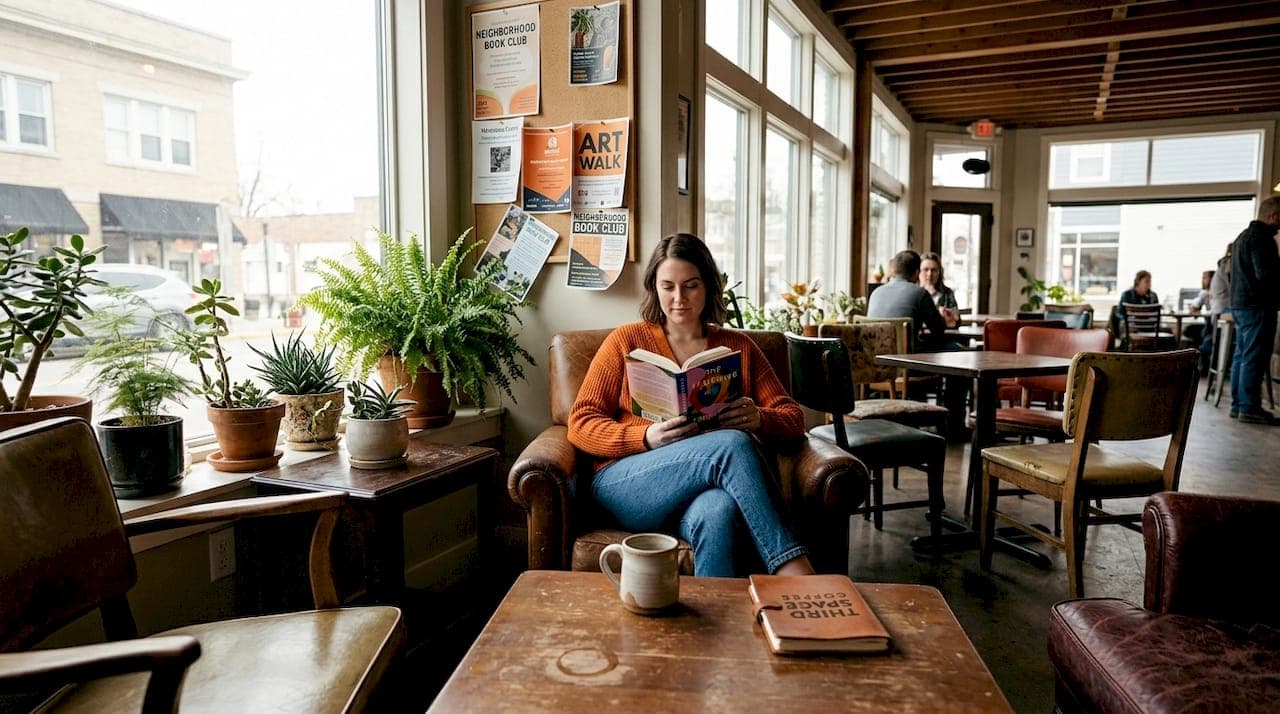
TL;DR:
- Designing flexible zones for quick, work, and social needs creates a welcoming third place.
- Comfortable lighting, seating, and community decor foster longer stays and guest loyalty.
- Authentic atmosphere and local connection are key to memorable coffee shop experiences.
Walk into the wrong coffee shop and you feel it immediately: the layout is confusing, the seating is too stiff, and nothing on the walls tells you why this place exists. In Colorado Springs, where locals genuinely seek out coffee shops as community anchors with strong "camp out" appeal, getting the design right is the difference between a one-time visit and a loyal regular. This guide breaks down exactly how to design a coffee shop space that balances comfort, operational flow, and real community connection, with specific, actionable ideas you can start using today.
Table of Contents
- How to design flexible zones for every guest
- The impact of comfy seating and "linger longer" design
- Let lighting set the mood: layers and warmth
- Decor ideas that build community engagement
- How to choose your theme and keep it consistent
- Why memorable coffee shops prioritize atmosphere over trends
- Experience Colorado Springs' best: your next coffee inspiration
- Frequently asked questions
Key Takeaways
| Point | Details |
|---|---|
| Multi-zone layout matters | Organize your shop with dedicated areas for quick service, working, and socializing to meet diverse guest needs. |
| Comfort drives repeat visits | Choose seating and design that encourages guests to relax and stay longer for greater community impact. |
| Lighting transforms atmosphere | Layer ambient, task, and accent lighting to create a warm, inviting space for all. |
| Local engagement boosts loyalty | Use rotating art and community walls to foster genuine ties and attract repeat customers. |
| Consistency builds a brand | A unified theme and repeated brand cues in decor and signage make your shop memorable. |
How to design flexible zones for every guest
The goal of a community-focused space starts with one foundational decision: how you divide your floor plan. Most guests fall into one of three categories. Some are grabbing coffee fast and heading out. Others want to settle in with their laptop for two hours. And a third group is coming for a meeting, a club gathering, or just a long conversation with friends.
A well-designed third place serves all three in the same footprint without any group feeling crowded or out of place. That means intentionally planning three distinct zones:
- Fast service zone: Keep this near the entrance. A short, clearly marked queue, visible menu boards, and a fast pickup counter. This zone should feel efficient, not rushed.
- Linger and work zone: Dedicate a section with comfortable seating, access to outlets, and reliable Wi-Fi. Position this away from the service counter to reduce noise interference.
- Social and group zone: A larger table, a semi-private booth cluster, or a flexible room for events. This zone should be easy to reconfigure for different group sizes.
The order of these zones matters just as much as the zones themselves. When a guest walks in, they should immediately understand where to go. A blocked entry sightline or a queue that cuts across the seating area creates hesitation and reads as discomfort, even if the coffee is excellent.
"Hesitation at the front door undermines the entire experience before a single cup is poured. Clear sight lines from entry to counter are non-negotiable."
Pro Tip: When planning your work-friendly zone, install dedicated outlet strips along the baseboards or under table edges. Guests who can charge their devices stay longer and spend more. Pairing this with a strong Wi-Fi signal supports local culture, especially in a city like Colorado Springs where supporting local coffee culture means giving people a real reason to choose you over a chain.
The impact of comfy seating and "linger longer" design
Once your zones are clear, the next big question is what fills them. Seating is where most coffee shop owners either win or lose the atmosphere battle. Research into current cafe trends shows that comfort-forward seating like lounge chairs, couches, and cushioned benches drives longer visits and encourages the kind of slow, engaged experience that builds loyal regulars.
But here is the part most design guides skip: lounge seating can actually hurt you during peak hours if you do not plan for it. As operational data confirms, more comfortable seating increases dwell time but can reduce table turnover. The fix is simple. Keep your quick-service zone stocked with standard chairs and small tables, and reserve the cozy lounge pieces for your lingering zone. That way, you do not sacrifice efficiency during the morning rush to serve the afternoon crowd.
Here is a quick breakdown of seat styles and where they work best:
- Armchairs and loveseats: Best for linger/work zones. Signals that staying is welcome.
- Wooden or metal chairs with padding: Great for social zones and casual seating. Easy to move and reconfigure.
- Bar stools at a counter: Ideal for solo visitors who want to watch the action at the bar. High turnover, low footprint.
- Bench seating along walls: Efficient use of space and works well for groups or solo visitors who want a back-against-the-wall sense of privacy.
- Ottomans and low tables: Add visual warmth and flexibility. Works best in a lounge corner.
Pro Tip: Use rugs to visually define your cozy zone without building walls. A large area rug under a cluster of armchairs instantly tells guests that this corner is for relaxing. This trick works especially well for coffee enthusiasts who want a space that feels curated, not corporate.
Let lighting set the mood: layers and warmth
Great seating feels incomplete without the right lighting. Lighting is one of the most powerful and most underused tools in cafe design. The goal is not just brightness. It is creating different moods for different zones using three distinct layers.
Ambient lighting is your base layer. Think overhead fixtures, pendant lights, or recessed lights that illuminate the whole room. For warm, inviting atmospheres, aim for bulbs in the 2700K to 3000K color temperature range. This produces that golden, soft glow that makes people feel at ease.
Task lighting serves a functional purpose. Desk lamps, under-shelf lights, or directed spotlights over work tables help guests actually read, write, or work without eye strain.
Accent lighting is where personality comes in. A backlit shelving display for your coffee beans, a warm Edison bulb above the chalkboard menu, or a spotlight on a piece of local artwork. Accent lights draw the eye and give the space depth.
Layered warm lighting is consistently identified as one of the highest-impact design levers a coffee shop can use, and it does not require a major renovation to implement. Here is a quick comparison to help you match lighting to your zones:
| Zone | Lighting type | Recommended temp | Effect |
|---|---|---|---|
| Fast service/counter | Bright ambient + task | 3500K to 4000K | Energetic, focused |
| Linger/work | Warm ambient + task lamp | 2700K to 3000K | Calm, productive |
| Social/group | Warm ambient + accent | 2700K | Conversational, relaxed |
| Feature wall/art display | Accent spotlights | 3000K | Visual interest, depth |
Quick lighting upgrades you can make right now:
- Swap out cool-white LED bulbs for warm-white versions in your main seating areas
- Add a dimmer switch to your ambient lighting for evening events
- Use clip-on or plug-in accent lights to highlight artwork without rewiring
- Hang pendant lights at different heights to add visual texture and dimension
For more on how lighting and environment affect your daily coffee experience at home or in a shop, the tips in our home brewing guide translate directly to creating sensory-rich environments.
Decor ideas that build community engagement
If you want guests to return and feel at home, the real differentiator is how your decor connects to local people, artists, and events. Generic decor from a big-box store does not create loyalty. Local storytelling does.
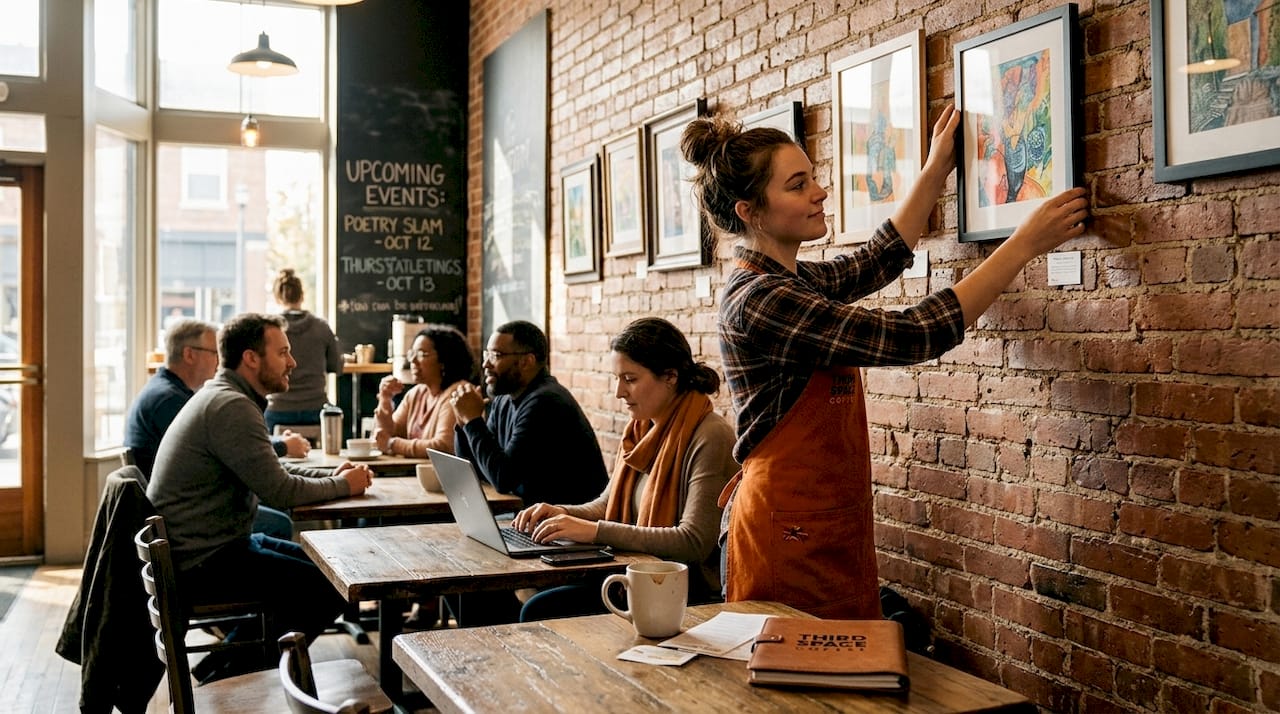
The most effective community-engagement decor follows a simple principle: make the space feel like it belongs to the neighborhood. Rotating local art and an interactive community wall are two of the highest-impact implementations you can add to almost any cafe. A community wall can be as simple as a corkboard where guests pin business cards, event flyers, and handwritten notes, or as polished as a framed chalkboard with weekly prompts.
Here are easy decor ideas you can act on immediately:
- Rotating art program: Partner with local Colorado Springs artists to display their work on a monthly or quarterly basis. Artists promote the show to their own audiences, bringing you new foot traffic.
- Community photo wall: Display photos from events, regular customers, and local happenings. This creates a sense of history and belonging.
- Local map display: A hand-illustrated or vintage-style map of Colorado Springs gives guests a conversation piece and reinforces local identity.
- Event calendar board: A physical, visible calendar of upcoming events signals that this space is alive and actively used. This is especially powerful if you partner with local artists for in-store shows or tastings.
- Recipe or origin cards: Small framed cards near your coffee display explaining where beans come from or how a drink is made. These add educational value and reinforce your craft credentials.
Smart shops do not just add these elements for decoration. Cafe decor investments can be tracked through measurable outcomes like dwell time, average spend, social media mentions, and repeat visit rates. If you put up a community wall and start seeing more tagged photos on Instagram, that is real data.
| Decor element | Community metric impacted |
|---|---|
| Rotating local art | Foot traffic, social shares, new visitors |
| Community message wall | Repeat visits, sense of belonging |
| Event photo display | Emotional connection, word-of-mouth |
| Local map or landmark art | Brand identity, local pride |
| Origin/recipe cards | Dwell time, average spend, coffee curiosity |
International inspiration is worth noting too. Some of the top coffee roasters globally use minimal but deeply intentional decor to tell a specific story, and Colorado Springs shops can adapt that same principle with local flair.
How to choose your theme and keep it consistent
With zones, comfort, lighting, and community all in place, the final layer is making sure your visual identity holds everything together. A theme is not a trend. It is a repeatable set of choices about color, material, texture, and signage that makes your space instantly recognizable.
The expert guidance here is clear: avoid building around a single trend. Industrial chic, Scandinavian minimalism, and boho-maximalist have all had their moments. Shops that chased those looks often feel dated within two years. Instead, choose a palette and material set that reflects something true about your values or location, and repeat it consistently.
Steps for choosing a cohesive theme:
- Start with two or three words that describe the feeling you want to create (for example: warm, rugged, welcoming).
- Pick a color palette of three to four tones. One dominant, one secondary, one accent.
- Choose two or three materials that recur throughout (reclaimed wood, brushed steel, linen, concrete).
- Apply your palette and materials to every touchable element: menus, signage, packaging, and furniture.
- Review annually. Refresh individual elements without overhauling the core identity.
Brandable elements to keep consistent:
- Signage: Font, color, and tone should match everywhere from the front window to the bathroom door
- Menu boards: Handwritten chalk, printed wood panels, or digital displays should feel like part of the room, not an afterthought
- Textiles: Cushion covers, throw pillows, and curtains should use your palette consistently
- Plant life: Greenery is one of the easiest ways to add warmth. Choose plant varieties that match the energy of your space (lush and tropical versus spare and succulent-forward)
- Coffee display: Your bean storage, grinders, and bar setup should look intentional. A specialty vibe starts at the bar and extends through the whole room
"Your brand cues should be so consistent that a returning guest notices the minute something is off. That level of coherence is what makes a space feel designed, not decorated."
Why memorable coffee shops prioritize atmosphere over trends
Here is an uncomfortable truth that most design guides will not tell you: the most beloved coffee shops in Colorado Springs are not the ones with the most Instagram-worthy walls. They are the ones where you walked in feeling like a stranger and left feeling like a regular.
That shift does not happen because of the right pendant light or the perfect shiplap feature wall. It happens because every design decision was made with the guest's comfort and sense of belonging as the top priority. Trends are visual shortcuts that borrow someone else's identity. Atmosphere is built from scratch, from genuine understanding of who your guests are and what they need from your space.
We have watched shops here spend heavily on aesthetic renovations that moved the needle very little on repeat visits. And we have seen simple, deliberate changes like adding a proper lounge corner, installing a community board, or just rearranging seating to open up the entry sightline completely transform how guests experience a space.
Real community building in a coffee shop looks like guests who stop a stranger to ask what they are drinking, or an artist who shows up every month because their work hangs on your wall and they feel ownership over the space. That does not come from following a Pinterest board. It comes from designing with intention, consistency, and genuine local connection at the center.
The best design advice we can offer: before you buy a single piece of furniture or choose a paint color, sit in your space as a guest would. Feel what is uncomfortable. Notice what confuses you. Fix those things first. Then layer in the beauty.
Experience Colorado Springs' best: your next coffee inspiration
To put these ideas in action, there is no substitute for seeing them in a real, thriving coffee shop. Third Space Coffee in Colorado Springs is built around exactly the principles covered in this article: flexible zones, comfort-forward seating, warm atmosphere, and a genuine commitment to local community.

Whether you are a shop owner looking for real-world inspiration, an event planner scouting a venue, or simply a coffee lover who wants a great place to land, Third Space Coffee offers a living example of how these design ideas work in practice. Explore our specialty drinks menu to see how craft coffee pairs with a well-designed environment, or browse our whole bean coffee selection roasted in-house. Visit Third Space Coffee to learn about our event space, pickup options, and what is brewing this week.
Frequently asked questions
What is the most important factor in coffee shop decor?
Balancing comfort, operational flow, and community connection is the single most important factor. A third place layout with flexible zones serves every type of guest without compromising the experience for any of them.
How can Colorado Springs coffee shops stand out with their decor?
By showcasing rotating local art and creating interactive community spaces, shops move beyond generic aesthetics to become genuine neighborhood anchors that guests feel personally connected to.
What is layered lighting and why does it matter?
Layered lighting combines ambient, task, and accent lights to create comfort, support different activities, and give a space visual depth that a single overhead fixture can never achieve.
How do coffee shops measure the impact of decor updates?
Shops track dwell time, average spend, repeat visits, and social engagement metrics to understand which decor investments are actually driving guest behavior and loyalty.
What's a common mistake in coffee shop layout?
Letting the queue conflict with seating flow or blocking the entry sightline creates immediate discomfort for new guests, often before they have even ordered their first drink.