
TL;DR:
- Creative community events foster local connections through simple, inclusive gatherings that emphasize human interaction. Planning with one food format, one shared activity, and a clear memory moment increases attendance and engagement. Hosting small recurring events and using personal outreach methods build trust and strengthen neighborhood bonds.
Community event ideas are creative, low-barrier ways to bring neighbors together and build the kind of local connection that makes a neighborhood feel like home. Colorado Springs offers a natural backdrop for outdoor gatherings, cultural exchanges, and skill-share workshops that work for any budget. The best local events share three traits: they are simple to organize, inclusive for all ages, and intentionally designed around human connection rather than production value. This guide covers proven formats, planning principles, and real cost estimates to help you run gatherings that people actually show up to and remember.
What are the best community event ideas for Colorado Springs?
The most effective neighborhood gatherings share one quality: they give people a clear reason to show up and an easy way to participate. Here are formats that consistently work for local organizers.
- Themed potluck dinners. Ask each guest to bring a dish from a specific category, such as "family recipes," "street food from anywhere," or "dishes that tell a story." The theme sparks conversation before anyone sits down.
- Outdoor park picnics. Colorado Springs parks like Monument Valley Park and Bear Creek Regional Park offer free or low-cost space. A blanket, a lawn game, and a shared cooler are all you need.
- Skill-share workshops. Invite a neighbor who bakes sourdough, builds furniture, or speaks a second language to lead a 45-minute session. The teacher gains recognition; attendees gain a skill.
- Neighborhood scavenger hunts. Teams of three or four explore local streets, parks, or landmarks using photo challenges. This format works for all ages and gets people moving.
- Cultural food exchanges. Participants bring a dish tied to their heritage and share a short story about it. This format builds empathy and curiosity in a way that a standard party rarely does.
- Block party with lawn games. Cornhole, bocce ball, and giant Jenga require no instruction and pull strangers into easy conversation.
- Seasonal nature walks. A guided walk through a local trail with a theme, such as identifying native plants or photographing fall color, turns a simple outing into a shared experience.
- Community art projects. A collaborative mural, a tile mosaic, or a neighborhood photo wall gives participants something permanent to point to.
- Movie nights under the stars. A projector, a white sheet, and a flat lawn are enough. Charge nothing; ask people to bring their own chairs and snacks.
Pro Tip: Themed potlucks work best when you assign dish categories by last name or street address. This prevents three people from bringing pasta salad and nothing else.
How to plan community events that people actually attend
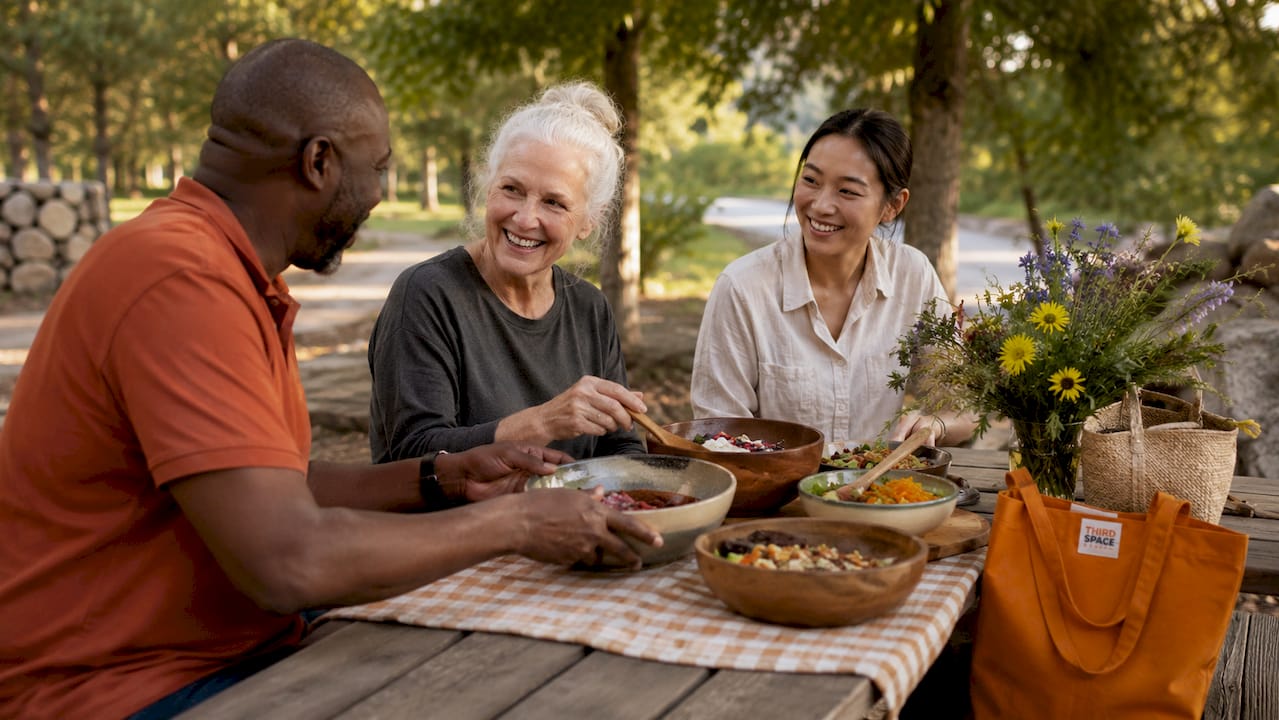
The single most reliable planning framework for neighborhood gatherings is the low barrier to entry structure: one food format, one shared activity, and one memory moment. Each element removes a reason for someone to say no.
Step 1: Pick one food format
Choose a single, clear food structure and communicate it in the invitation. A taco bar, a potluck with assigned categories, or a catered coffee and pastry spread all work. Multiple formats create confusion about what guests should bring or expect.
Step 2: Build in one shared activity
A shared activity is the engine of a community gathering. Structured conversation and shared activities at potlucks encourage relationship-building that casual mingling alone does not produce. Pick one activity, explain it clearly at the start of the event, and keep it under 30 minutes.
Step 3: Create a memory moment
A memory moment is a single, planned beat that gives the event a sense of occasion. A group photo, a collective toast, or a shared playlist that everyone contributed to works well. Intentional design elements like string lighting and a curated playlist make events feel memorable without adding significant cost.
Step 4: Set a specific time window
Clear, specific time windows lower attendance barriers by making the commitment feel manageable. "Saturday, 4:00 PM to 6:30 PM" outperforms "Saturday afternoon" every time. Neighbors with kids, jobs, or other plans can say yes to a defined window when they cannot commit to an open-ended gathering.
Step 5: Invite people directly
Personalized invitations, such as a text message, a knock on the door, or a direct phone call, increase attendance significantly more than flyers posted on telephone poles. A personal ask signals that the person's presence matters.
Pro Tip: Send a reminder the morning of the event. A single text or message the day of consistently recovers RSVPs who had forgotten.
What does it cost to host a community gathering?
Budget is the most common reason organizers delay planning. The real numbers are lower than most people expect.
Basic neighborhood potlucks cost $30–$50 for supplies when guests bring food. That covers disposable plates, napkins, serving utensils, and a few centerpiece items. Themed events for 15–20 guests run $100–$200 when the host provides a main dish and decorations. That range covers most block party or cultural exchange formats.
For drinks, plan on 1.5 beverages per guest per hour. For 25 guests at a two-hour event, that means roughly 2.5 gallons of batch-style beverages. Lemonade, iced tea, or cold brew coffee in a dispenser covers this efficiently and cheaply.
| Event type | Estimated cost | Ideal group size | Duration |
|---|---|---|---|
| Neighborhood potluck | $30–$50 | 10–20 people | 2–3 hours |
| Themed block party | $100–$200 | 15–30 people | 3–4 hours |
| Park picnic | $15–$40 per person | 8–25 people | 2–4 hours |
| Skill-share workshop | $20–$60 total | 6–15 people | 1–2 hours |
| Coffee and conversation meetup | $50–$100 | 10–20 people | 1.5–2 hours |
Venue costs are often zero. Colorado Springs parks require no permit for small gatherings. Community centers charge modest hourly rates. Coffee shops make excellent venues for smaller meetups because they provide seating, atmosphere, and beverages without requiring the organizer to manage logistics from scratch.
For potlucks specifically, sign-up tools and allergen labels prevent dish duplication and protect guests with dietary restrictions. A shared Google Form or a simple sign-up sheet posted in a neighborhood group chat solves both problems before the event starts.
Which venues and promotion strategies boost turnout?
Venue choice shapes the tone of a gathering before anyone arrives. A park signals casual and outdoor. A community center signals organized and inclusive. A coffee shop signals warm, social, and low-pressure. Match the venue to the mood you want to create.
- Coffee shops work especially well for first-time gatherings or smaller groups. The built-in atmosphere reduces the pressure on the organizer to decorate or entertain. Thirdspacecoffee in Colorado Springs offers bookable event space alongside specialty coffee, making it a practical choice for neighborhood meetups and workshop formats.
- Parks and outdoor spaces suit seasonal event planning in spring and fall, when Colorado Springs weather is ideal. Pair an outdoor location with a clear rain plan so attendees know what happens if weather changes.
- Community centers provide tables, chairs, and AV equipment, which makes them the right call for larger gatherings or events that include a presentation or workshop component.
For promotion, passive flyer campaigns rarely move the needle. The most effective approach combines direct personal outreach with a digital follow-up. Post the event in a neighborhood Facebook group or Nextdoor, but also text or call the people you most want there. After the event, share photos and a short recap on community social media. Sharing stories and photos post-event builds momentum for the next gathering and shows potential attendees what they missed.
Atmosphere details matter more than most organizers realize. String lights, a themed playlist, and a few simple table decorations signal that someone cared enough to prepare. That signal makes guests feel valued. For holiday or seasonal decor ideas, event-specific guides offer practical frameworks that translate well to neighborhood gatherings. Local partnerships also stretch your budget. A neighborhood bakery, a local roaster, or a community garden may donate product in exchange for a mention at the event or a tag on social media.
What I've learned from planning community gatherings
What I've actually learned about community gatherings
The events I've seen fail almost always fail for the same reason: the organizer tried to make them perfect instead of making them easy. A perfectly catered event with no shared activity produces polite small talk and early exits. A simple potluck with a structured icebreaker produces friendships that last years.
The most underrated move in community event planning is including people from diverse backgrounds from the start. A cultural food exchange or a heritage-themed potluck does something a standard block party cannot. It gives people a reason to share something real about themselves. That vulnerability is where actual connection happens.
Small, recurring events also outperform large, one-time productions. A monthly coffee meetup with 12 people builds more community than an annual festival with 200. The repetition creates familiarity, and familiarity is the foundation of trust. Start small, run it again, and let word of mouth do the rest.
The human connection is the product. The food, the venue, and the decorations are just the packaging.
— Tanya
Thirdspacecoffee: a Colorado Springs home for community gatherings
Thirdspacecoffee is a natural fit for the kind of low-key, high-connection events this article describes. The Colorado Springs location offers bookable event space alongside specialty coffee drinks crafted in-house, which means you can host a neighborhood meetup, a skill-share workshop, or a small group gathering without managing catering separately.

Batch-style beverages and freshly roasted coffee handle the drink logistics that trip up most first-time organizers. The warm atmosphere does the decorating work for you. If you are planning your next community gathering and want a venue that already feels like a third place, check the event booking checklist to see what Thirdspacecoffee can offer your group.
FAQ
What are the easiest community event ideas for beginners?
A themed potluck or a park picnic requires the least planning and the lowest budget. Both formats work for groups of 10–25 people and need no special permits for small gatherings in Colorado Springs parks.
How much does it cost to host a neighborhood gathering?
Basic potlucks run $30–$50 in supplies, while themed events for 15–20 guests typically cost $100–$200. Venue costs drop to zero when you use a public park or split costs with a local partner.
How do I get more people to show up to my community event?
Direct personal outreach such as texts, calls, or door knocks consistently outperforms flyers. Set a specific time window rather than an open-ended invitation to make attendance feel manageable.
What is the best venue for a small community gathering in Colorado Springs?
Coffee shops, community centers, and public parks each serve different needs. Coffee shops like Thirdspacecoffee work best for groups of 10–20 people who want a warm, ready-made atmosphere without managing setup logistics.
How do I manage food at a potluck without duplicates or allergy issues?
Use a digital sign-up tool to assign dish categories before the event, and label every dish with its main ingredients at the table. This approach prevents duplication and protects guests with dietary restrictions.
Key takeaways
The most effective community gatherings use a low-barrier structure: one food format, one shared activity, and one memory moment to maximize participation and connection.
| Point | Details |
|---|---|
| Use the low-barrier framework | One food format, one activity, and one memory moment removes reasons for guests to skip. |
| Set a specific time window | A defined start and end time makes attendance feel manageable for busy neighbors. |
| Invite people directly | Personal texts or door knocks increase turnout more than flyers or passive posts. |
| Budget realistically | Potlucks cost $30–$50; themed events for 15–20 guests run $100–$200. |
| Choose the venue for the mood | Coffee shops suit small groups; parks fit seasonal outdoor events; community centers work for larger formats. |