

The fastest way to run a gift-card program that actually works: offer a curated choice of three categories, prepaid/open-loop, coffee or food, and everyday retail, paired with a short personal note. Skip the single generic $25 card blasted to the whole team. That model keeps choice paralysis low, keeps recognition personal, and keeps you compliant, since gift cards count as taxable wages no matter which category you pick.
Programs built this way tend to correlate with higher engagement and lower turnover than one-size-fits-all awards. Your first move today: buy a small batch of digital codes, or if you manage hospitality or local staff, pick up Third Space Coffee vouchers for shift-based recognition.
Before you order anything, nail down three things:
- Who gets the award (one employee, a shift team, a whole department)
- How much fits the occasion (spot bonus versus milestone)
- How it arrives (instant digital link, printed card, or in-person handoff)
Table of Contents
- Top Employee Gift Card Categories and When to Use Each
- Ready-to-Copy Gift Card Ideas by Scenario and Role
- Making a Gift Card Feel Personal Instead of Generic
- Distribution, Payroll, and Recordkeeping for Gift Cards
- Setting Fair, Consistent Gift Card Amounts
- Third Space Coffee as a Practical Recognition Option
- Considerations for Inclusivity and Diverse Employee Preferences
- Legal and Compliance Considerations Beyond Tax
- Communicating a Gift Card Program So Employees Actually Value It
- Measuring Whether Gift Cards Actually Move Morale
- Alternatives to Gift Cards Worth Considering
- What Actually Moves the Needle on Employee Recognition
- The Part of This Advice Most Managers Get Backward
- Try Third Space Coffee for Your Next Recognition Program
- Frequently Asked Questions
- Sources
Top Employee Gift Card Categories and When to Use Each
Not every occasion calls for the same card. Redemption data across employer programs shows a clear pattern in what people actually spend gift cards on, and matching the category to the moment is what separates a forgettable gesture from one that sticks.
- Universal prepaid / open-loop cards. These work anywhere Visa or Mastercard is accepted, making them the safest default when you don't know an employee's preferences. Best for new hires, mixed teams, or year-end bonuses where flexibility beats specificity. Typical value: $25 to $100, delivered digitally or as a physical card.
- Coffee and treats. Small, frequent, and personal, this category is one of the most-redeemed groups in employer programs. Ideal for weekly or monthly shout-outs. Value range: $5 to $25, almost always digital for speed.
- Food delivery. A practical pick for remote teams or anyone working long or irregular hours. Value range: $20 to $50, digital delivery only, since most services require an app-linked code.
- Everyday retail. Big-box and department store cards suit general appreciation gifts where you want broad usefulness without picking a niche. Value range: $50 to $100, works well as physical or digital.
- Home and improvement. A strong fit for milestone awards, especially for employees who've mentioned home projects or recently moved. Value range: $100 and up, typically physical for a gift feel.
- Beauty and wellness. Popular for recognition tied to stress relief, like after a hard quarter or a demanding launch. Value range: $30 to $75, digital delivery is standard.
- Active lifestyle. Sporting goods and fitness retailers appeal to health-focused employees and pair well with wellness initiatives. Value range: $50 to $100, either format works.
Frontline and hospitality staff tend to respond best to coffee, food, and prepaid categories they can use on a break. Remote employees lean toward food delivery and retail cards that don't require a physical pickup.
Ready-to-Copy Gift Card Ideas by Scenario and Role
Different teams need different playbooks. Here's what to grab for five common situations, with amounts you can copy directly into your next budget request.
Remote teams:
- Food delivery card, $30 to $40, for a "lunch on us" Friday
- Universal prepaid card, $50, for quarterly recognition
- Streaming or subscription card, $25, for a low-effort thank-you
- Home office retailer card, $75, for tenure milestones
In-person frontline staff:
- Everyday retail card, $50, for a solid all-purpose reward
- Gas or transit prepaid card, $30, appreciated by commuting staff
- Coffee and treats card, $15, for a quick weekly shout-out
- Active lifestyle card, $50, tied to a wellness challenge win
Hospitality and cafe teams:
- Local coffee shop card, $10 to $20, redeemable during breaks (a Third Space Coffee voucher works well here)
- Food delivery card, $25, for closing-shift crews
- Universal prepaid card, $40, for holiday bonuses
- Beauty and wellness card, $30, for high-stress event weekends
Small teams (under 10 people):
- Everyday retail card, $50, kept consistent across the group
- Coffee and treats card, $20, for informal weekly wins
- Home and improvement card, $75, for a team lead's first year
Milestone awards (5, 10, 15 years):
- Home and improvement card, $150 to $200
- Active lifestyle card, $100
- Universal prepaid card, $200, for maximum flexibility
A hospitality manager running a small cafe might buy a batch of $15 Third Space Coffee vouchers for every closing shift that hits its cleanliness checklist, a low-cost habit that reinforces the exact behavior you want repeated.
Making a Gift Card Feel Personal Instead of Generic
A $50 card handed over in an envelope with no context reads as an afterthought. The same $50 card, attached to a specific reason and a small presentation touch, reads as genuine recognition. Aligning the card to what someone actually likes moves the needle more than the dollar amount does.
Three ways to add that layer without adding much time:
- Write a note that names the specific achievement ("For covering three shifts during the storm week, thank you")
- Add a small reveal element, a sealed envelope, a locked box, or a short recorded video message
- Bundle a card with a token item, a bag of coffee, a branded mug, or a handwritten card from the team
Keep your curated options tight. Limiting choices to three to seven cards increases participation, because too many options makes the "prize" itself feel like homework. A puzzle-box reveal mechanic turns even a modest card into a moment people photograph and share, which matters more for morale than the face value ever does.
Pro Tip: Keep a simple template on hand, a one-line note format ("Thank you for [specific action]. Enjoy [card type] on us."), so managers across departments don't have to improvise every time.
Distribution, Payroll, and Recordkeeping for Gift Cards
Digital cards win on speed. A code delivered by email or text arrives in minutes, which matters for remote teams and same-day recognition. Physical cards win on ceremony, they're better for in-person handoffs, team meetings, or milestone events where the moment matters as much as the reward. Operational friction, a late email or a typo in an address, quietly kills the emotional impact of the recognition, so pick the format that matches how fast the moment needs to land.

On the payroll side, there's no gray area: gift cards are cash-equivalent compensation and must be reported as wages on the employee's W-2, regardless of the dollar amount. Employers who want the recipient to net the full award amount often use a gross-up, adding extra pay to cover the resulting tax withholding, so a $100 card doesn't shrink to $78 after taxes.
A simple implementation checklist:
- Confirm the card amount and category before purchase
- Decide whether to gross up for taxes or let the card value absorb withholding
- Log the recipient, date, amount, and reason in a recognition spreadsheet
- Send digital codes same-day; schedule physical cards for the next team meeting
- Flag the total in payroll before the next W-2 cycle closes
Recognition programs that follow this kind of structure tend to show up in engagement metrics, not just anecdotally, but in retention numbers companies track quarter over quarter.
Setting Fair, Consistent Gift Card Amounts
Consistency matters more than generosity here. An employee who gets $25 for the same achievement a coworker got $75 for will remember the discrepancy longer than either amount.
- Spot recognition: $25 to $50, for one-off wins, covering a shift, catching an error, helping a teammate
- Birthdays and anniversaries: $50 to $100, tied to a specific date so it's predictable and expected
- Major milestones: $100 and up, reserved for five-year marks, promotions, or major project completions
Lower denominations work well for frequent, small moments, while bigger milestones justify the larger amounts. Build your gross-up cost into the budget line from the start rather than discovering it at tax time, and write down your tiers once so every manager applies the same numbers instead of improvising.
Third Space Coffee as a Practical Recognition Option
Hospitality managers running cafes, retail floors, or small offices often need a reward that feels local rather than corporate. Third Space Coffee, a specialty shop in Colorado Springs that roasts its own beans in-house, offers a straightforward option: buy a batch of digital gift codes or printed vouchers redeemable for espresso drinks, whole bean bags, or seasonal specials.
A cafe shift lead who hits every closing checklist for a month doesn't need a $100 department store card to feel seen. A $15 voucher for a specialty drink at a shop the whole team already knows does more for morale than a bigger, more generic prize ever could.
A practical setup for a hospitality manager: order a batch of digital codes ahead of a busy holiday stretch, hand them out at the end of each closing shift that meets standard, and keep a simple spreadsheet logging who received what and when. For teams that meet in person regularly, printed voucher envelopes work just as well and add a physical moment to the handoff.
Considerations for Inclusivity and Diverse Employee Preferences
A single default card ignores the reality that your team doesn't share one set of habits. Dietary restrictions, budget sensitivities, religious observances around certain holidays, and simple personal taste all shape whether a card feels thoughtful or ignored.
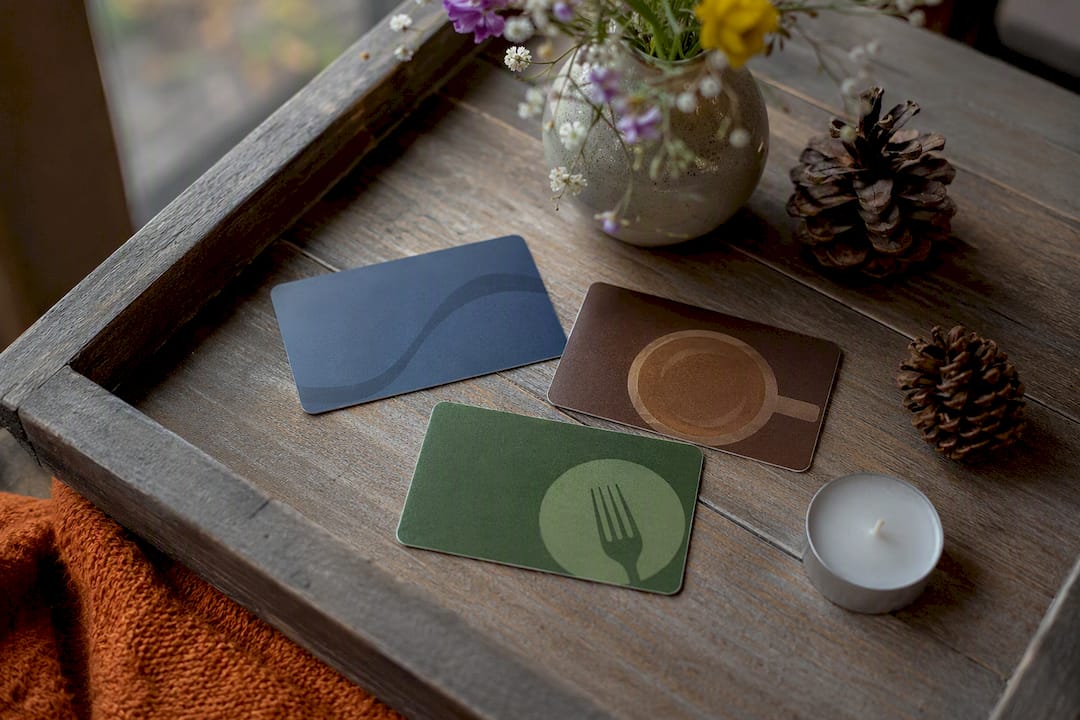
The fix isn't complicated: keep your curated set broad enough to cover different lifestyles without becoming a 20-option catalog. A prepaid card, a food option, and a retail option together cover most preferences without singling anyone out. If your team includes employees who don't drink coffee, don't drive, or don't celebrate certain calendar holidays, a universal prepaid card sidesteps all of that at once.
Watch for two blind spots specifically. First, cards tied to a single retailer chain can exclude remote employees who live far from that chain's locations, check delivery zones or online redemption before locking in a choice. Second, timing recognition around a specific holiday can unintentionally leave out employees who don't observe it, framing the reward around a work anniversary or team milestone instead of a calendar holiday sidesteps that entirely.
None of this requires a survey or a formal preference-tracking system for most teams. A short, informal ask, "any stores or restaurants you'd want on our recognition list", gathers what you need in one conversation and keeps the program feeling considerate rather than assumed.
Legal and Compliance Considerations Beyond Tax
Tax treatment gets most of the attention, but a few other rules deserve a manager's attention before rolling out a program broadly.
Wage and hour law matters if gift cards are ever framed as a substitute for owed pay, overtime, or final paycheck amounts. A gift card cannot replace wages you're legally required to pay in cash; it has to sit clearly on top of regular compensation, not instead of it. State laws on final pay timing also apply if a departing employee is owed an unredeemed award, check your state's rules on what counts as payable wages at termination.
Anti-discrimination consistency is the other blind spot. If recognition awards are discretionary, document the criteria used to decide who gets one and how much, so the program doesn't look like it favors certain employees for reasons unrelated to performance. A simple written policy, even a short one, protects both the employee and the company if a decision is ever questioned.
Finally, if your company operates across multiple states, some state wage laws treat non-cash compensation differently for reporting purposes. It's worth a quick check with payroll or legal counsel before scaling a program past a single location, especially once award amounts start climbing past the $100 range.
Communicating a Gift Card Program So Employees Actually Value It
A recognition program that nobody understands doesn't build morale, it builds confusion. Employees need to know what triggers an award, roughly what to expect, and how it'll show up on their paycheck.
Announce the program in plain terms during a team meeting or in a short written policy, covering the categories offered, the rough amount tiers, and the fact that gift cards are taxable wages, so nobody is surprised by a slightly smaller paycheck the pay period after receiving one. Managers should deliver the award with the specific reason attached every time; a card that arrives with no explanation reads as random rather than earned.
Keep the tone consistent across managers. If one department announces awards publicly in team meetings and another hands them out silently, the program will feel uneven even if the amounts are identical. A short internal FAQ, covering how to redeem, who to ask about a missing code, and how taxes work, prevents most follow-up questions before they start.
Measuring Whether Gift Cards Actually Move Morale
Recognition spending is easy to track and easy to under-measure. At minimum, log who received an award, the amount, the category, and the stated reason in a simple spreadsheet or your HR system, that record becomes your evidence when someone asks whether the program is working.
Beyond the ledger, pair gift-card recognition with whatever engagement signal you already collect, quarterly pulse surveys, exit interview themes, or manager one-on-one notes. Watch specifically for whether turnover shifts in teams with active recognition programs versus teams without one, since gift-card recognition correlates with retention gains when it's a consistent part of a broader program rather than a one-off gesture.
A simple quarterly check works for most teams: compare recognition frequency against voluntary turnover and any available engagement score, and look at redemption speed too. Cards that sit unredeemed for months suggest the category or amount missed the mark, and that's worth adjusting before your next budget cycle rather than repeating the same choices out of habit.
Alternatives to Gift Cards Worth Considering
Gift cards aren't the only lever, and sometimes they're not the right one. Extra paid time off works well for recognizing sustained effort rather than a single moment, since rest has a different value than money for employees already stretched thin. Public recognition, a shout-out in a team meeting or company newsletter, costs nothing and works well paired with a smaller gift card rather than replacing it entirely.
For teams that value experiences over items, event tickets or a team outing can beat a card of equivalent value, particularly for milestone awards where the goal is a shared memory rather than a transaction. Charitable donation matching, where the company donates to a cause the employee names, appeals to employees who'd rather see their recognition create impact elsewhere. And for hospitality or local teams specifically, a catered team event built around food and coffee can double as both a reward and a bonding moment, functioning as a group version of the same recognition a gift card delivers individually.
None of these need to replace gift cards outright. The strongest programs mix a baseline of gift-card recognition with occasional time-off awards or team events for bigger milestones, giving you more than one lever when a card alone doesn't fit the occasion. Thoughtful customer service culture in hospitality often starts with how well a business treats its own staff, and reward variety is part of that equation.
What Actually Moves the Needle on Employee Recognition
A curated, personalized gift-card program with correct payroll handling beats a single generic card sent to everyone, both in perceived value and in measurable engagement.
| Point | Details |
|---|---|
| Curate, don't overload | Offer three to seven card options across prepaid, food, and retail to avoid choice paralysis. |
| Match category to occasion | Use coffee and treats for frequent recognition, home and improvement for milestones. |
| Personalize the delivery | Add a specific note naming the achievement, not a generic thank-you. |
| Handle taxes correctly | Report gift cards as wages on the W-2 and consider a gross-up for full-value awards. |
| Consider a local option | Third Space Coffee vouchers give hospitality and local teams a personal, easy-to-redeem reward. |
The Part of This Advice Most Managers Get Backward
Most gift-card advice online obsesses over the amount, is $50 enough, should milestones get $200, when the real lever is specificity. A $25 card tied to a named achievement outperforms a $75 card handed out with no context, and that ordering surprises people every time.
The conventional wisdom also treats gift cards as a set-and-forget benefit. It isn't. A card sitting unredeemed for three months is a signal, not a footnote, and most programs never check for it. If you're tracking one thing beyond spend, track redemption speed.
Where I'd push back hardest: don't default to the biggest national retailer just because it's the safe, obvious choice. A local option, a coffee shop, a neighborhood restaurant, often lands better precisely because it's not the card everyone else's employer is also handing out. Specificity, not scale, is what makes a $15 card feel bigger than it is.
Try Third Space Coffee for Your Next Recognition Program
Ordering national gift cards in bulk usually means a corporate account, a minimum spend, and a generic-feeling reward that could've come from any employer. Third Space Coffee gives Colorado Springs managers a faster, more personal alternative: order directly from a local shop that roasts its own beans, and hand your team a reward tied to a place they already know.

Whether you're rewarding a cafe shift lead, a small office team, or staff hitting a quarterly goal, Third Space Coffee vouchers work at any denomination you choose, from a quick $10 coffee treat to a larger bundle covering whole bean coffee for someone who brews at home. There's no long sign-up process and no minimum order size to navigate. Visit Third Space Coffee to check current gift-card options, or stop by to arrange a bulk order for your next round of team recognition.
Frequently Asked Questions
What are the best gift card ideas for employees on a tight budget? Coffee and treats cards in the $10 to $20 range deliver strong perceived value for low cost, especially when paired with a specific, written reason for the award.
Which gift cards are popular with most employees right now? Redemption data points to coffee and treats, food delivery, and universal prepaid cards as the most consistently chosen categories across employer programs, largely because they fit almost any lifestyle.
Are gift cards taxable for employees? Yes. Gift cards are treated as cash-equivalent wages and must be reported on the employee's W-2, regardless of the dollar amount or occasion.
How much should I spend on an employee appreciation gift? Spot recognition typically runs $25 to $50, birthdays and anniversaries $50 to $100, and major milestones $100 or more, adjusted for your gross-up strategy and overall budget.
Should I offer digital or physical gift cards? Digital codes work best for remote teams and time-sensitive recognition, while physical cards suit in-person handoffs and milestone moments where presentation matters.
Sources
The recommendations above draw on real redemption behavior and payroll guidance rather than guesswork.
- The 10 best gift cards for your employees | Tremendous
- Top 10 gift cards employees love in 2026 | Giftogram
- Gift cards for your employees: What you need to know | Indeed