
TL;DR:
- Hospitality in coffee shops encompasses every detail of the guest experience, from greetings to environment. It builds loyalty and influences revenue, as genuine care fosters repeat visits and positive recommendations. Supporting staff wellbeing and focusing on authentic, consistent service are essential for long-term success.
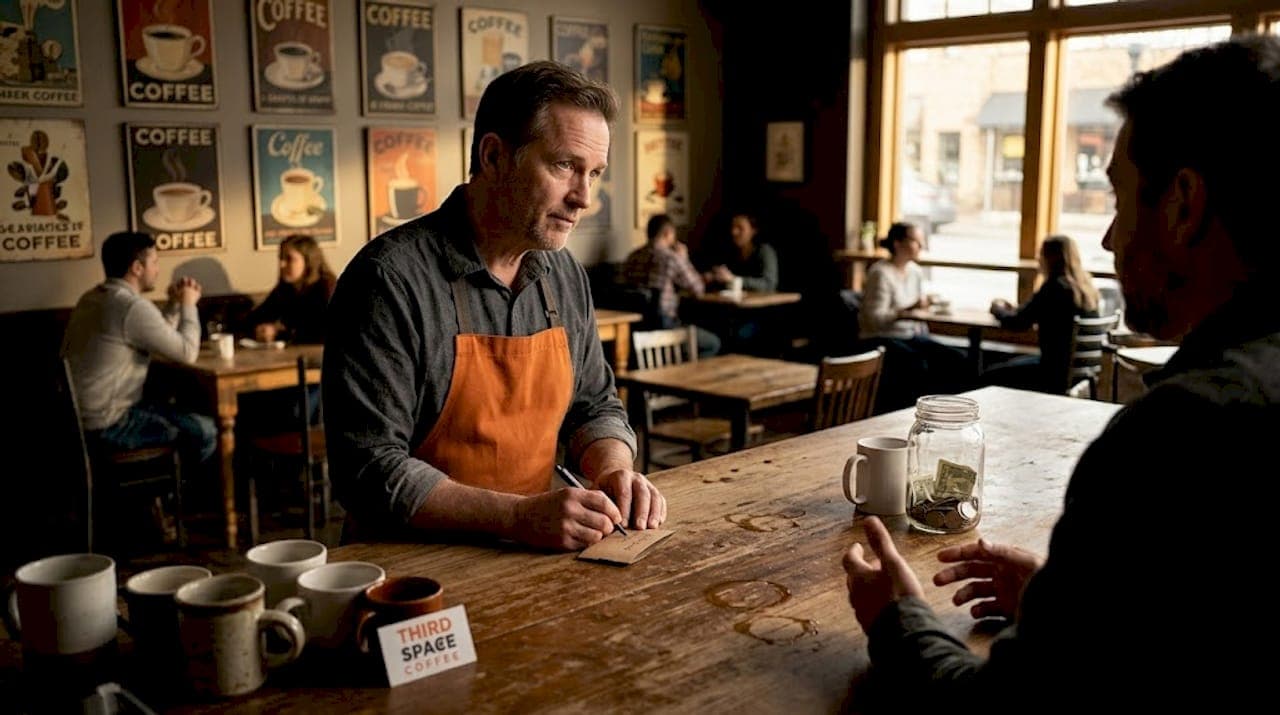
Most people think a great coffee shop is defined by what's in the cup. Get the espresso ratio right, source quality beans, train your baristas to pull clean shots. Done. But what is coffee shop hospitality really? It's the full experience a guest has from the moment they walk in until they leave. It's the way a barista makes eye contact and says your name. It's the music volume, the lighting, the temperature of the mug. Coffee quality is the entry ticket. Hospitality is the reason people come back.
Table of Contents
- Key takeaways
- What is coffee shop hospitality, exactly
- How hospitality drives loyalty and business results
- Hospitality challenges and how to handle them
- How to engage with and improve coffee shop hospitality
- My take: hospitality is a craft, not a checklist
- Experience real coffee shop hospitality at Thirdspacecoffee
- FAQ
Key takeaways
| Point | Details |
|---|---|
| Hospitality goes beyond the drink | Coffee shop hospitality includes service, environment, and intentional personal gestures, not just coffee quality. |
| Small details drive loyalty | Gestures like wiping cup rims or using a guest's name create memorable impressions that build repeat visits. |
| Consistency drives revenue | Improved, consistent hospitality can lead to at least 10% more sales across individual café locations. |
| Staff wellbeing affects service | A supportive work culture and realistic workflows protect against burnout and protect service quality. |
| Baristas are hospitality ambassadors | Modern baristas balance coffee expertise with genuine human connection, not just technical execution. |
What is coffee shop hospitality, exactly
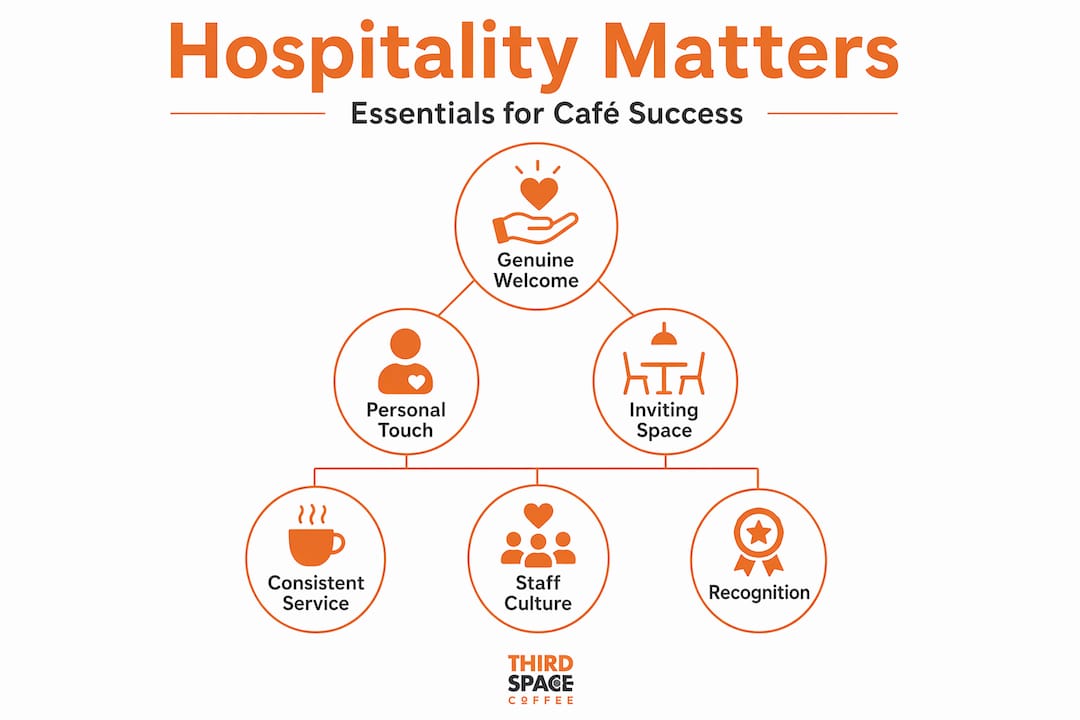
Coffee shop hospitality is the intentional, consistent practice of making every guest feel welcomed, valued, and comfortable throughout their entire visit. It covers every touchpoint: the greeting at the door, the clarity of the menu, the tone of a barista's voice, the cleanliness of the counter, and the quality of the farewell. Think of it as the architecture of a guest's emotional experience.
The confusion usually starts with a narrow definition. Many cafés treat hospitality as synonymous with politeness. Be nice, don't mess up the order, and you're done. That's a floor, not a ceiling. True hospitality is more deliberate. It's the coffee retail experience shaped by culture, empathy, and thousands of small decisions.
Consider what sets apart a café where guests linger versus one they leave immediately after grabbing their order. The coffee might be identical. The difference is almost always the feeling the space creates. That feeling is hospitality.
The human element in service
Coffee shop customer service starts with people. A genuine greeting, a smile that isn't forced, and an attentive demeanor signal to guests that they matter. This doesn't require a script. In fact, scripted service often backfires because guests can feel when warmth is manufactured.
Intentional gestures like placing name cards next to drinks or wiping cup rims before presenting them create lasting impressions. These are not difficult actions. They are thoughtful ones. The distinction matters because thoughtfulness is the soul of hospitality.
Environment as a hospitality tool
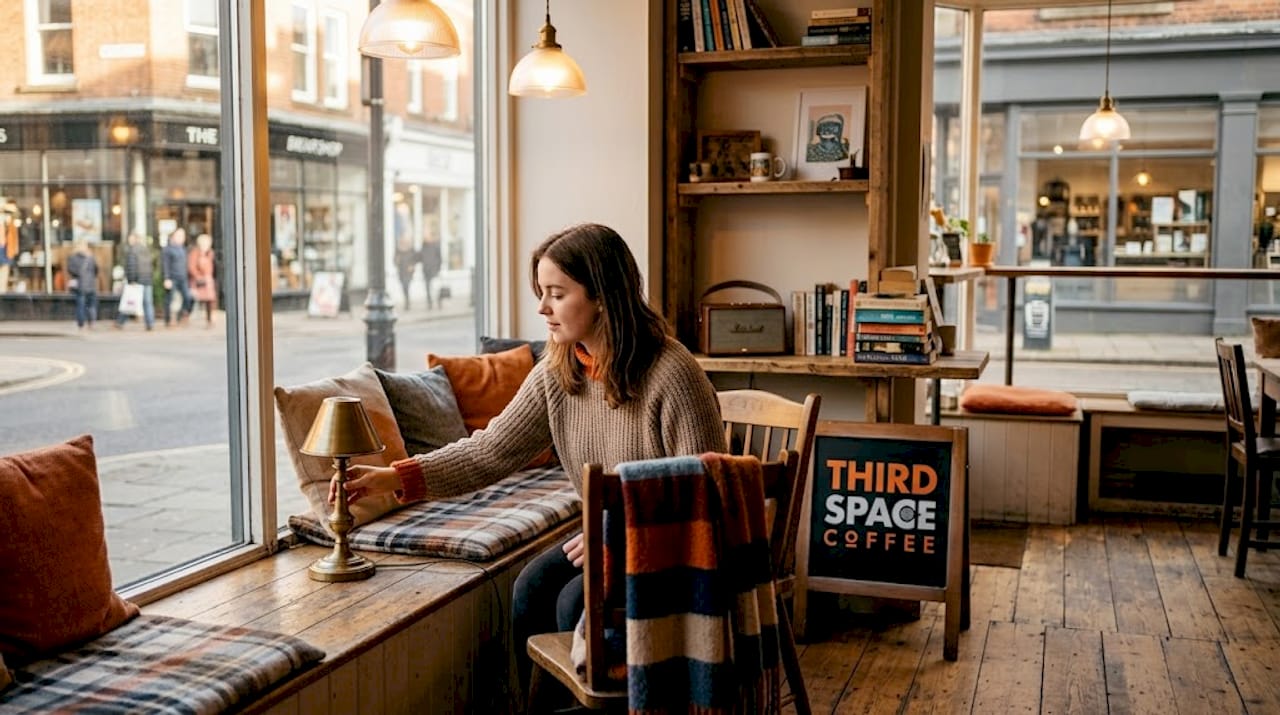
Ambience is not decoration. It's a functional part of the guest experience. Lighting that's too harsh or music that overwhelms conversation both work against hospitality even when the coffee is outstanding. The physical environment should communicate comfort, belonging, and care. Decor and layout contribute directly to a café's ability to serve as a community gathering place. When guests feel at ease in a space, they stay longer, spend more, and return more often.
The barista as hospitality ambassador
The modern barista role is half hospitality and half product expertise, with automation increasingly handling the repetitive tasks so baristas can focus on the human side. This shift matters. Maxwell Colonna-Dashwood has observed that baristas blend hospitality and expertise most effectively when freed from mechanical repetition to engage meaningfully with guests.
Pro Tip: Train baristas to remember at least three regulars' orders per week. Recognition is the highest form of hospitality a coffee shop can offer.
How hospitality drives loyalty and business results
The importance of hospitality in cafés is not just philosophical. It produces measurable outcomes. Consumer willingness to pay more for friendlier service sits at 42%, and nearly 75% of customers are more likely to recommend a café after a positive interaction with staff.
That translates directly to revenue. Variations in customer experience account for up to one-third of sales differences between individual stores in the same chain. The coffee is often identical across locations. The service is not. That gap is the hospitality gap.
"Consumers value the 'third place' experience — being personally attended to and spared from friction — more than just the coffee product itself." — Intelligence Coffee
This idea of the "third place" (somewhere between home and work) defines why the essentials of coffee shop service go deeper than transactions. Guests who feel genuinely welcomed don't just come back. They bring friends. They become advocates.
The business evidence supports investing in hospitality at both ends of the market. Specialty roaster Proud Mary raised nearly $1.2 million in under 70 days through a crowdfunding campaign centered on a premium, hospitality-driven concept. Meanwhile, Pickup Coffee reached 500 stores with a value model proving that attentive, consistent service scales regardless of price point. Both examples point to the same conclusion: hospitality is not a luxury feature. It's a core growth driver.
Attracting loyal coffee enthusiasts requires consistency above all. A guest who receives outstanding service on Monday and indifferent service on Thursday has a split experience. That inconsistency erodes trust faster than one bad visit ever could.
Hospitality challenges and how to handle them
Knowing how to improve coffee shop hospitality is one thing. Sustaining it through a full service shift, week after week, is another. This is where most cafés struggle, not because they don't value hospitality but because the operational realities work against it.
Detail-oriented service takes time and mental energy. When a café is slammed, the first thing to slip is often the personal touch. Baristas revert to transaction mode: take order, make drink, next. It's understandable. It's also a slow leak in the guest experience.
Positive staff culture and realistic workflows are not soft perks. They are operational requirements for maintaining hospitality quality. When management ignores workload issues or creates an environment of chronic pressure, service suffers and guest experiences become erratic.
Burnout is a real hospitality killer. A barista running on empty cannot create warmth for guests. Sustaining high hospitality quality requires management that protects staff from unsustainable demands and builds a culture where people feel valued. This is not separate from hospitality strategy. It is the foundation of it.
Here are the most common operational missteps that undermine coffee shop hospitality:
- Overstaffing during quiet periods and understaffing during rushes, creating inconsistent guest experiences
- Treating hospitality training as a one-time onboarding event rather than an ongoing cultural practice
- Focusing exclusively on coffee skills while neglecting communication and empathy development
- Failing to give baristas genuine understanding of the café's values, leaving them to follow scripts instead of acting with autonomy
Pro Tip: Run brief pre-shift team check-ins, not just for task assignments but to acknowledge staff wellbeing. A two-minute conversation before service can set the tone for the entire shift.
True hospitality depends on staff genuinely understanding and embodying the café's vision. Scripts produce robotic interactions. Shared values produce authentic ones. The best hospitality training doesn't teach people what to say. It teaches them what the café believes, so they can act with real judgment in any situation.
How to engage with and improve coffee shop hospitality
Whether you're a patron, an aspiring barista, or a student studying food and beverage service, you have a role in the hospitality exchange. Here's how each group can participate more intentionally.
For patrons who want to recognize and appreciate good hospitality:
- Acknowledge your barista by name when you see it on their tag. It levels the interaction and signals respect.
- Give genuine feedback. If an experience was outstanding, say so directly. Cafés rarely get unsolicited positive feedback, and it matters.
- Pay attention to the details you might overlook: the way your drink was presented, whether the space was clean, how a barista handled a complaint near you. Noticing these things sharpens your appreciation for the craft.
For aspiring baristas building hospitality skills:
- Study the café's regulars. Learn their preferences, their names, and their rhythms. This is the fastest path to becoming a genuine hospitality professional, not just a skilled drink maker.
- Practice reading nonverbal cues. A guest who scans the room while waiting might want conversation. One who stares at their phone probably doesn't. Adjusting to these signals is what separates attentive service from intrusive service.
- Treat every guest as if it's their first visit and they're deciding whether to return. That frame of mind keeps hospitality sharp even on slow days.
For those studying or implementing hospitality in cafés:
- Specialty consumers increasingly expect curated, experience-driven service. Build training programs that develop empathy and communication alongside coffee knowledge.
- Audit the guest journey from the outside in. Walk up to your café as a stranger and notice every detail before you even open the door. That outside perspective reveals gaps insiders miss.
Specialty cafés thrive not just because of the quality in the cup but because they consistently deliver on the human promise of the third place experience.
My take: hospitality is a craft, not a checklist
I've spent years watching cafés succeed and fail, and I can tell you with certainty that the ones who get it right treat hospitality as an ongoing craft rather than a box to check during onboarding.
What I've seen repeatedly is this: the cafés with the most loyal followings are rarely the ones with the best espresso. They're the ones where staff genuinely seem happy to be there. Happiness is not faked easily, and guests feel it immediately. The moment a team stops believing in what they're doing, the hospitality drains out of the room.
What I've learned is that over-standardization is one of the quiet killers of great café culture. When every interaction is scripted to the point of rigidity, guests stop feeling welcomed and start feeling processed. The goal is not consistency of language. It's consistency of care. Those are very different things.
I also want to push back on the idea that hospitality is primarily a front-of-house concern. In my experience, the quality of service on the floor is almost entirely a reflection of what's happening behind the scenes. How management treats staff. Whether workflows are realistic. Whether people feel heard. Fix those things first, and the guest experience will follow.
The cafés I respect most understand that genuine hospitality is a long game. It builds community, compounding value over time in a way that no marketing campaign can replicate.
— Tanya
Experience real coffee shop hospitality at Thirdspacecoffee

Thirdspacecoffee in Colorado Springs was built around the belief that coffee and community belong together. Every detail of the experience, from in-house roasted beans to attentive, knowledgeable service, reflects an intentional commitment to genuine hospitality. Their specialty drinks are crafted with the same care they bring to every guest interaction, and their freshly roasted whole bean coffee lets you carry that experience home. Whether you visit in person, order online for quick pickup, or book the space for an event, Thirdspacecoffee delivers the kind of hospitality this article is all about. Come see what it feels like when every detail is done with intention.
FAQ
What is coffee shop hospitality?
Coffee shop hospitality is the full guest experience shaped by service quality, environment, and intentional personal touches. It goes far beyond making great coffee, covering everything from how guests are greeted to how the space makes them feel.
Why does hospitality matter in cafés?
Hospitality directly drives customer loyalty and sales. Research shows that 42% of consumers pay more for friendlier service, and nearly 75% recommend cafés after positive staff interactions.
What are the essentials of coffee shop service?
The essentials of coffee shop service include genuine greetings, attentive and personalized service, a welcoming environment, knowledgeable baristas, and consistent quality across every visit.
How can baristas improve hospitality skills?
Baristas improve hospitality by learning regulars' names and preferences, reading nonverbal cues to adjust their approach, and deeply understanding the café's values so they can act with genuine judgment rather than scripted responses.
Does hospitality affect coffee shop revenue?
Yes. Customer experience variations account for up to one-third of sales differences between stores in the same chain, making hospitality one of the most direct levers for improving business performance.