
TL;DR:
- Efficient coffee pickup relies on optimized workflows, technology, and customer cooperation to minimize delays and errors. Pre-ordering apps with arrival notifications and designated pickup zones streamline service, while clear signage and standardized procedures support faster, mistake-free collection. Collaboration between shops and customers, along with thoughtful layout and staff roles, significantly enhances overall pickup speed.
Optimizing coffee pickup is defined as reducing wait times and improving order accuracy through workflow design, technology integration, and organized station preparation. The difference between a frustrating pickup and a smooth one comes down to three things: when your order is made, how the shop is organized, and how well you and the barista team communicate. Whether you pre-order through an app or walk in during the morning rush, the strategies below give you a clear picture of what works and why. Thirdspacecoffee applies these exact principles to deliver fast, accurate service at their Colorado Springs location.
How does technology improve coffee pickup efficiency?
Pre-ordering apps are the single most effective tool for cutting pickup wait times. When you place your order ahead of arrival and specify when you plan to pick it up, the shop can time drink preparation to match your schedule rather than guessing. This eliminates the two most common problems: drinks sitting too long before you arrive, or baristas scrambling to make your order after you are already at the counter.
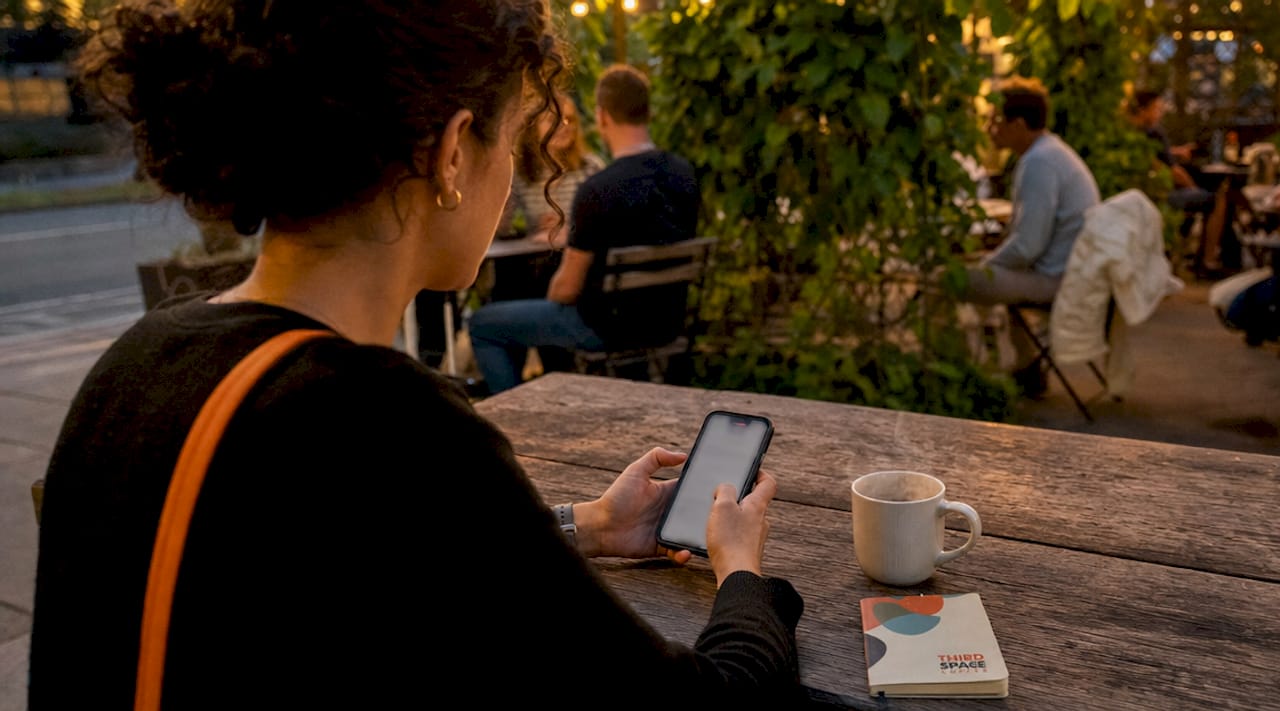
Geofencing takes this further. Location-based prep timing triggers drink production when your phone is within a set distance of the shop, so your latte is finished right as you walk in. McDonald's and Chick-fil-A both use proximity signals to notify stores when customers are near, cutting average wait times by up to two minutes. That two-minute reduction matters more than it sounds during a busy morning when ten people are ahead of you.
Arrival notification models push this concept even further. Subsip Coffee Co. in Launceston uses an app where customers tap a button on arrival, alerting baristas to bring the order directly to the customer's car. No counter line, no waiting area, no confusion. This kerbside model works because it removes the bottleneck entirely rather than just speeding it up.
Here is what to look for in a pickup app that actually works:
- Arrival time input so you can specify when you plan to pick up
- Real-time order status updates so you know when your drink is ready
- Geofencing or arrival notification to trigger just-in-time preparation
- Contactless payment built in to eliminate the register stop entirely
- Order history for fast reordering of your regular drink
Pro Tip: If the app you use does not have a geofencing or arrival notification feature, set your pickup time five minutes later than you actually plan to arrive. This gives baristas a realistic window and prevents your drink from sitting on the counter getting cold.
What is the best coffee shop workflow to reduce pickup delays?
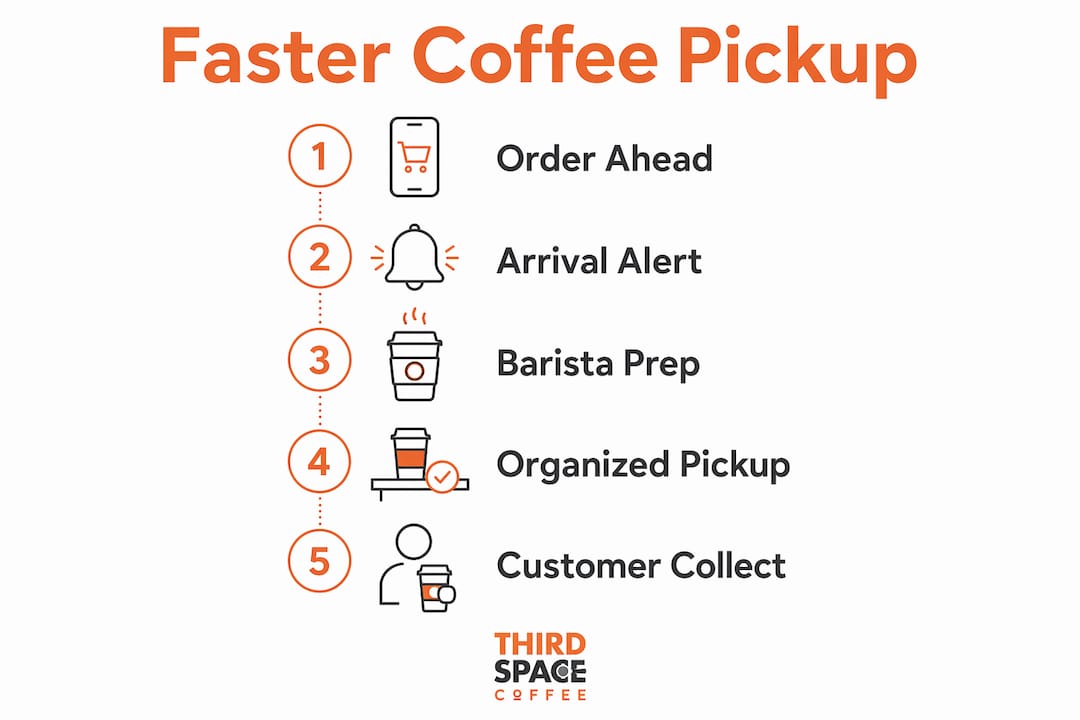
Speed in coffee service comes from removing friction, not from making baristas move faster. Workflow friction removal is the core principle behind every efficient coffee bar, and it starts with how roles are divided and how equipment is arranged.
The most effective barista team structure splits responsibilities into four clear roles: handoff and packing, milk and drink building, espresso pulling, and register or runner. Each person owns one zone and one task. When a barista does not have to stop mid-drink to answer a question, grab a lid from across the counter, or wait for the espresso machine to free up, the entire line moves faster. This role division is the same approach operational consultants at KimEcopak recommend for rush-hour service.
Layout matters just as much as role assignment. Efficient coffee bars follow a near-linear flow where the espresso machine, grinder, milk station, and handoff counter are arranged in sequence. Baristas should take one step or fewer per action. Cross-traffic and backtracking are the two biggest causes of slowdowns during peak periods, and both are solved by thoughtful equipment placement rather than by hiring more staff.
Here is the step-by-step workflow structure that reduces delays at the point of handoff:
- Order entry: The register or runner role captures the order and sends it to the queue immediately, with no delay between payment and production start.
- Espresso pull: The espresso barista pulls shots in sequence, never waiting on the milk station to free up before starting the next order.
- Milk and build: The milk barista steams and builds drinks in parallel with espresso pulling, not after. Parallel processing doubles throughput without adding staff.
- Label and stage: Every drink is labeled before it leaves the build station. Labels include the customer name, drink name, and any modifications.
- Handoff zone: Finished drinks go to a dedicated, clearly marked pickup area. No drink is placed anywhere else, and no one other than the handoff barista touches the counter.
- Packing: Carriers, lids, and napkins are staged at the handoff zone, not stored elsewhere. The packing barista completes the order without leaving the zone.
Pro Tip: Standardizing your build order, meaning always adding syrups before milk and milk before espresso, cuts remakes significantly. One remake during a rush costs more time than the original drink took to make.
Thirdspacecoffee's workflow design guide covers role assignments and layout principles in detail for shops looking to apply these methods at scale.
How can customers and coffee shops work together to speed up pickup?
The pickup experience is a two-way system. A well-organized shop can still create bottlenecks if customers do not know where to go, when to arrive, or how to communicate their status. Queue management with clear signage and real-time wait displays reduces confusion and cuts perceived wait times even when actual production time stays the same.
From the customer side, a few habits make a real difference:
- Notify on arrival: If the app has an arrival button, tap it before you walk in. This gives baristas 30 to 60 seconds of lead time, which is often enough to have your drink ready at the counter.
- Use the mobile order lane: Shops with separate pickup lanes for app orders and walk-ins move faster when customers use the correct lane. Walking to the wrong counter adds time for everyone.
- Keep customizations simple: Every modification adds a decision point for the barista. Ordering your regular drink with one or two changes is faster to produce and less likely to result in an error than a six-modifier order.
- Check the status display: Digital order boards showing real-time wait times reduce the instinct to ask the barista "is my order ready?" Those interruptions slow down production for everyone in line.
- Pay contactlessly: Stopping to count cash or wait for a card reader adds 20 to 40 seconds per transaction. Pre-loaded app payment or tap-to-pay removes this entirely.
The shop's responsibility is equally clear. Separate pickup zones, visible signage, and honest wait time estimates are not optional features. They are the infrastructure that makes every other optimization work.
What are the best packaging and station prep practices for faster pickup?
Packaging is an operational tool, not an afterthought. Staging cups, lids, and accessories at the exact point of use, rather than in a storage area across the bar, eliminates the small delays that stack up into long lines during peak hours. A barista who reaches six inches for a lid is faster than one who walks three feet. Multiply that by 200 drinks in a morning rush and the difference is significant.
The prep-to-par method is the standard approach for keeping supplies ready. Before each rush period, the team checks and restocks cups, lids, syrups, milk, and ice to a set minimum level. Prep-to-par restocking prevents the mid-rush scramble where a barista has to stop production to restock napkins or find a sleeve. It is a simple system, but shops that skip it pay for it in slowdowns every single day.
Labeling and handoff zone organization complete the picture. Consistent drink labeling with customer name and drink details on every cup prevents the most common pickup problem: two customers reaching for the same drink. A no-confusion zone, meaning a counter area where only finished, labeled drinks are placed, removes re-handling and mistaken pickups entirely.
| Practice | Impact on pickup speed |
|---|---|
| Cups and lids staged at point of use | Eliminates barista movement between build and pack stations |
| Prep-to-par restocking before rush | Prevents mid-rush supply gaps that halt production |
| Consistent drink labeling | Reduces customer confusion and drink remakes at handoff |
| Dedicated no-confusion pickup zone | Stops re-handling and mistaken order pickups |
| Carrier and bag prep at handoff counter | Completes orders without barista leaving the zone |
For a deeper look at how these prep systems connect to overall service speed, Thirdspacecoffee's guide on speeding up service covers the full prep-to-par and packaging workflow.
Key takeaways
Optimizing coffee pickup requires coordinating technology, barista workflow, customer behavior, and station preparation to remove friction at every step of the process.
| Point | Details |
|---|---|
| Use arrival notification apps | Tap arrival buttons or use geofencing apps to trigger just-in-time drink preparation. |
| Split barista roles clearly | Assign espresso, milk, handoff, and register roles separately to prevent bottlenecks. |
| Stage supplies at point of use | Keep cups, lids, and carriers at the build and handoff stations to cut barista movement. |
| Use separate pickup lanes | Mobile order lanes and clear signage reduce confusion and speed up the handoff process. |
| Prep to par before every rush | Restock all supplies before peak periods to prevent mid-rush production stops. |
What I have learned from watching coffee pickup go wrong
I have spent years watching coffee shops that do everything right on paper still create long lines at pickup. The most common culprit is not slow baristas or bad equipment. It is premature drink preparation. A shop that starts making your mobile order the moment you place it, rather than when you are close, hands you a lukewarm latte and calls it fast service. That is not optimization. That is theater.
The second thing I keep seeing is counter congestion caused by a lack of separation between walk-in customers and mobile order pickups. When both groups share the same counter space, neither moves efficiently. The fix is not complicated. A labeled shelf, a separate table, or even a taped-off zone on the existing counter solves 80 percent of the confusion. Shops that invest in this simple change see immediate improvements in customer flow.
What actually works, in my experience, is the combination of trained staff who own specific roles and a physical layout that supports those roles without requiring anyone to improvise. Technology helps, but it amplifies a good system. It does not fix a broken one. If you are a customer, the best thing you can do is use the app correctly, arrive when you said you would, and keep your order straightforward. If you are a shop owner, invest in layout before you invest in new equipment.
— Tanya
Order specialty coffee with easy pickup at Thirdspacecoffee

Thirdspacecoffee in Colorado Springs makes the pickup process simple from the moment you place your order. Their online ordering system lets you pre-order specialty drinks and freshly roasted whole bean coffee for quick front-of-store pickup, so your order is ready when you arrive. The shop's focus on in-house roasting and quality preparation means you get a drink worth the trip, not one that has been sitting on a counter. Visit Thirdspacecoffee online to browse their full menu and place your next order for a pickup experience that actually works.
FAQ
What is the fastest way to reduce coffee pickup wait times?
Pre-ordering through an app with arrival notification or geofencing is the fastest method. It triggers drink preparation when you are close, so your order is ready the moment you walk in.
Why does my mobile order sometimes take longer than a walk-in order?
Most shops start mobile orders immediately after placement rather than timing them to your arrival. If the app allows it, set your pickup time accurately or use an arrival notification feature to prevent your drink from being made too early.
How do separate pickup lanes improve the experience?
Dedicated mobile order pickup lanes prevent walk-in and app customers from competing for the same counter space. Clear signage and a labeled pickup zone reduce confusion and cut the time spent locating your order.
What should I do to make my own pickup faster?
Pay contactlessly, keep customizations to one or two modifications, and tap the arrival button in the app before you enter the shop. These three habits remove the most common delays on the customer side.
How does packaging affect coffee pickup speed?
Shops that stage cups, lids, and carriers at the point of use rather than in storage areas complete orders faster and with fewer errors. Consistent labeling on every cup prevents the most common pickup mistake: two customers reaching for the same drink.