
TL;DR:
- Wholesale coffee offers significant savings for businesses when purchase volume matches consumption, and freshness is maintained. It includes value-added services like equipment support and staff training, which enhance product quality and operational efficiency. Choosing a supplier with consistent roast profiles, transparent roast dates, and flexible order sizes ensures a successful long-term partnership.
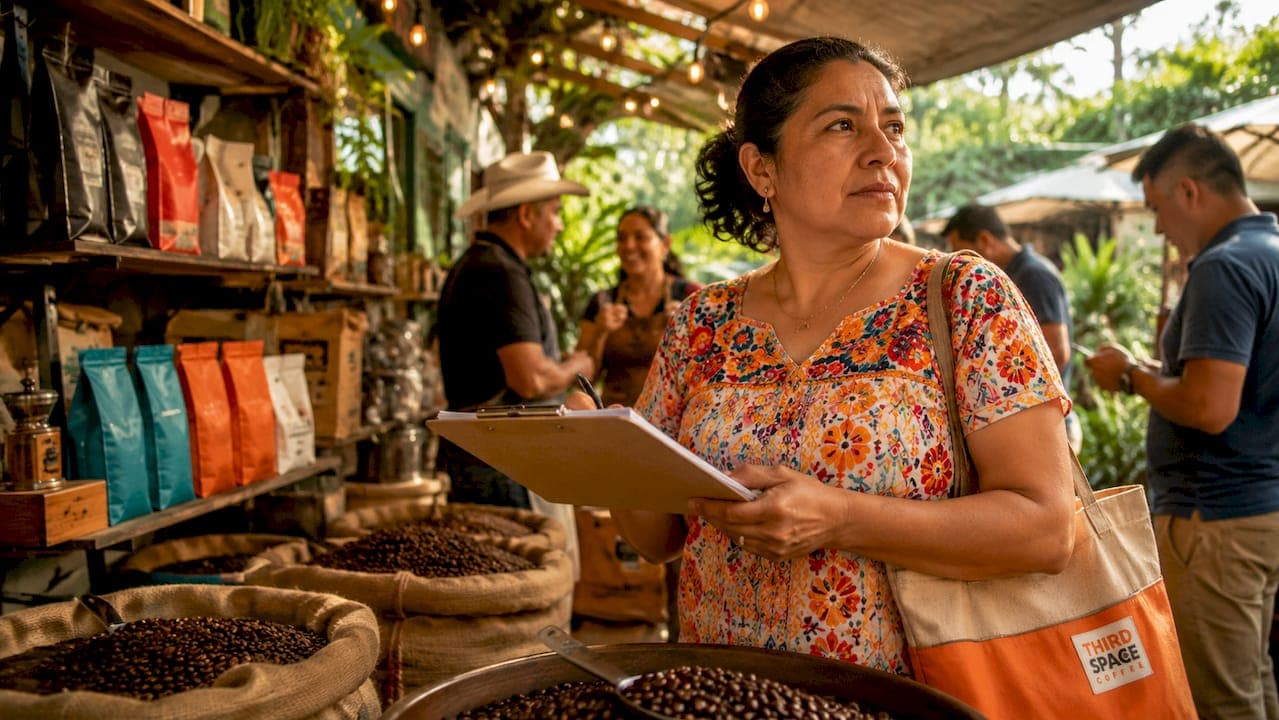
Wholesale coffee is defined as the bulk purchase of coffee sold at reduced per-unit prices, typically to businesses such as cafes, offices, hotels, and retailers. The industry term is "wholesale coffee supply," and it covers far more than just large bag sizes. A true wholesale program includes pricing advantages, consistent supply, and often a suite of services like staff training, equipment support, and custom blending. For any business spending real money on coffee every month, understanding how wholesale works is the difference between a smart sourcing decision and an expensive one.
What is wholesale coffee and how does it differ from retail?
Wholesale coffee is coffee sold in commercial quantities, usually starting at 1 pound bags and scaling up to 5, 10, or 25 pound bags, at prices below standard retail. The key distinction is not just volume. Retail coffee is packaged for individual consumers, with higher margins built in to cover branding, small-batch packaging, and shelf placement. Wholesale pricing strips most of that out.
Buying coffee in bulk reduces per-ounce cost because suppliers spend less on packaging, labor, and distribution per unit. A business buying a 5 lb bag pays significantly less per ounce than a consumer buying a 12 oz bag at a grocery store. That gap compounds fast when a cafe or office brews dozens of pots per week.
Wholesale coffee also comes with a different relationship structure. Retail is transactional. Wholesale is a supply partnership, with agreed delivery schedules, volume commitments, and often dedicated account support. That distinction matters when you are running a business that depends on coffee being available, fresh, and consistent every single day.
How does wholesale coffee pricing work?
Buying coffee in bulk typically reduces per-ounce cost by 23% to 32% compared to standard 12-ounce retail bags. A 5 lb bag can deliver a 32% savings per ounce compared to buying the same coffee in 12 oz retail packaging. That is a meaningful number for any business running through 10 or more pounds per week.
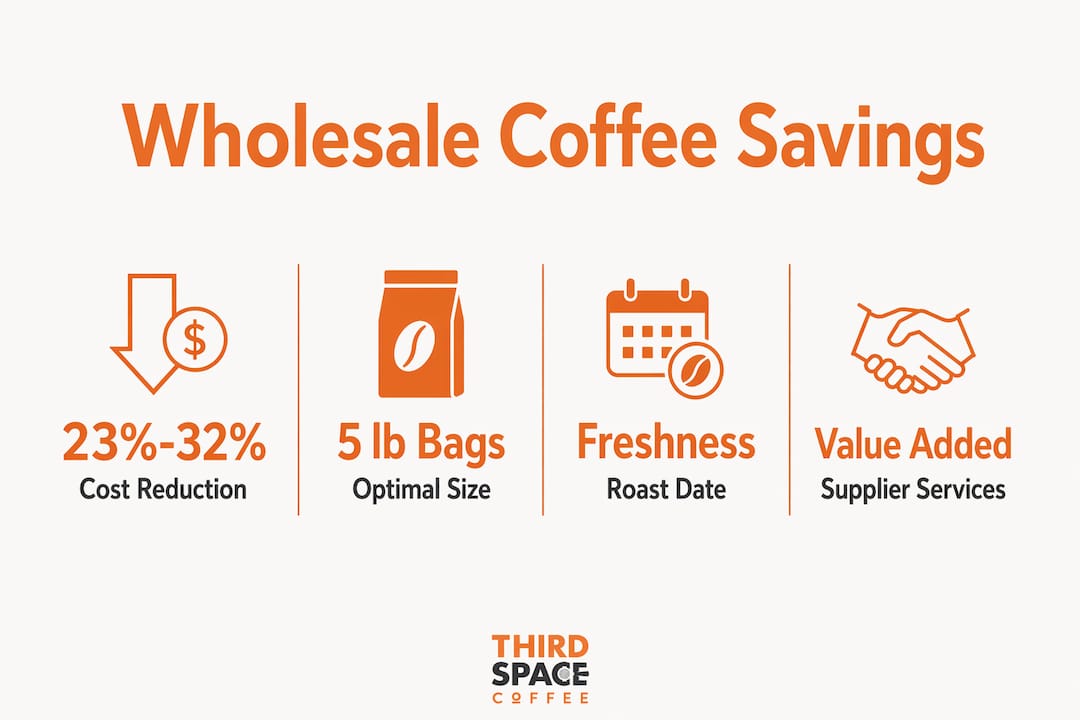
Pricing scales with bag size and order frequency. Here is how the math typically breaks down across common purchase formats:
| Bag size | Typical use case | Relative cost per ounce |
|---|---|---|
| 12 oz retail | Home consumer | Highest |
| 1 lb wholesale | Small office or trial order | Moderate |
| 2 lb wholesale | Small cafe or frequent home buyer | Lower |
| 5 lb wholesale | Active cafe or restaurant | Lowest |
The table above reflects general market patterns. Actual pricing varies by roaster, origin, and roast profile.
The savings are real, but they only hold if your consumption rate matches your purchase volume. A business buying 5 lb bags but only using 1 lb per week will not save money. The remaining coffee goes stale, and stale coffee is wasted money regardless of the per-ounce price.
Pro Tip: Track your actual weekly coffee consumption for two weeks before placing your first wholesale order. That number tells you exactly which bag size delivers real savings without spoilage risk.
Wholesale coffee prices also reflect origin and processing. Single-origin specialty coffees from regions like Ethiopia, Colombia, or Guatemala carry higher wholesale prices than commodity blends. The price difference is real, but so is the quality gap. Businesses serving customers who notice coffee quality should factor that into their sourcing decision.
Why freshness matters in bulk coffee purchases
Coffee beans reach peak freshness between 5 and 21 days after the roast date. That window is the target zone for brewing. Beans outside that range are not undrinkable, but the flavor compounds that make specialty coffee worth paying for have already started to degrade.
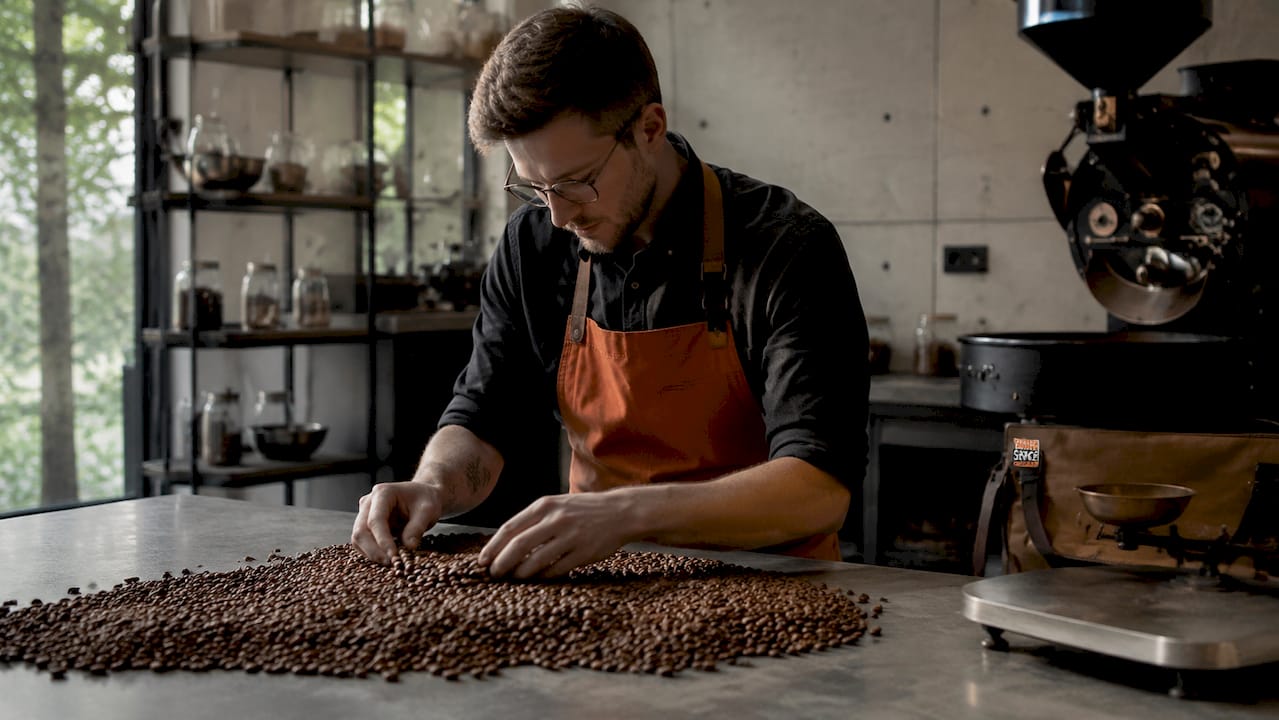
This is the core tension in buying coffee in bulk. Larger bags cost less per ounce, but they only deliver value if you use them within the freshness window. A 5 lb bag is best consumed within 4–6 weeks of roasting. If your business cannot move that volume in that time, a smaller bag at a slightly higher per-ounce cost is the smarter choice.
Managing wholesale coffee inventory well comes down to a few practical habits:
- Check the roast date, not the best-by date. Bags without a clearly printed roast date are a red flag. Best-by dates can be set 12 months out, masking coffee that was roasted months ago.
- Buy whole bean whenever possible. Pre-ground bulk coffee degrades faster than whole bean. Grinding fresh at the point of brewing preserves flavor significantly longer.
- Store in airtight, opaque containers. Oxygen and light are the two fastest ways to age coffee. Valve-sealed bags or ceramic canisters extend usable life.
- Schedule orders around your consumption rate. If you use 2 lb per week, a biweekly order of 4 lb keeps you in the freshness window without overstocking.
Pro Tip: Ask your wholesale supplier to print the roast date on every bag. Any reputable roaster will do this without hesitation. If they push back, that tells you something important about their operation.
Freshness also connects to coffee storage practices at the venue level. Even perfectly roasted coffee goes flat if it sits in an open container near a heat source. The investment in proper storage equipment pays back in cup quality every single day.
What value-added services come with wholesale coffee programs?
Modern wholesale coffee programs go well beyond beans and pricing. Wholesale programs typically include equipment maintenance, staff training, blend customization, and reorder scheduling. These services exist because a supplier's long-term revenue depends on your business succeeding, not just on your next order.
The most common value-added services in wholesale coffee partnerships include:
- Equipment leasing and maintenance. Many wholesale suppliers provide espresso machines, grinders, or brewers on loan or at reduced cost in exchange for a supply commitment. This lowers upfront capital costs for new cafes significantly.
- Staff training. Barista training, brewing technique workshops, and equipment operation sessions are standard offerings from quality wholesale partners. Consistent staff skills produce consistent cups.
- Custom blend development. Suppliers work with buyers to create house blends that match a specific flavor profile or price point. A unique coffee menu built around a custom blend becomes a genuine differentiator.
- Reorder automation. Scheduled deliveries tied to your consumption rate remove the risk of running out mid-service. This is especially valuable for high-volume hospitality operations.
- Technical support. Equipment breakdowns during service hours are costly. Wholesale partners with 24/7 technical support protect your operation from those losses.
Wholesale suppliers function as an extension of your business, offering customized blends, operational guidance, and in some cases advertising support. Businesses that treat their wholesale partner as a collaborator rather than a commodity vendor consistently get more from the relationship. The suppliers invest more time, offer better terms, and flag problems before they become crises.
How to choose the best wholesale coffee supplier for your needs
The best wholesale coffee supplier is not always the cheapest one. Reliable delivery schedules and consistent roast profiles matter more than cost savings alone for hospitality buyers. Inconsistent roast profiles damage your product quality even when the bulk price looks attractive.
Use this comparison framework when evaluating wholesale coffee suppliers:
| Criteria | Specialty wholesale supplier | Commodity bulk supplier |
|---|---|---|
| Roast profile consistency | High, with documented profiles | Variable |
| Freshness guarantee | Roast-to-order or recent roast dates | Often unclear |
| Support services | Training, equipment, custom blends | Minimal |
| Minimum order size | Flexible, often 1–5 lb | Often larger volumes |
| Price per ounce | Higher, reflects quality | Lower |
| Best for | Cafes, restaurants, quality-focused offices | High-volume, price-sensitive buyers |
Start with smaller orders when working with a new supplier. Confirm roast dates, test the coffee across multiple brew methods, and evaluate delivery reliability before committing to larger volumes. Coffee wholesale distributors that prioritize transparency and flexibility over just low prices are the ones worth building long-term relationships with.
Ask every potential supplier these three questions before signing anything. First, what is your average time from roast to delivery? Second, can I see a sample roast profile for the blend I am ordering? Third, what happens if a delivery is late or a bag arrives damaged? The answers reveal how seriously they take the service side of the relationship.
Key Takeaways
Wholesale coffee delivers real cost savings and operational support, but only when purchase volume aligns with actual consumption and suppliers are chosen for consistency, not just price.
| Point | Details |
|---|---|
| Bulk pricing saves 23%–32% per ounce | Savings are real but only materialize when bag size matches weekly consumption rate. |
| Peak freshness window is 5–21 days post-roast | Always check the roast date on bags; best-by dates do not reflect actual freshness. |
| Value-added services define quality partners | Equipment support, staff training, and reorder automation separate good suppliers from great ones. |
| Whole bean beats pre-ground for bulk buying | Whole bean coffee holds flavor longer; grind fresh at the point of brewing. |
| Start small, then scale | Test a new supplier with smaller orders before committing to high-volume purchases. |
What I have learned from watching businesses buy wholesale coffee
The most common mistake I see is businesses jumping to 5 lb bags the moment they hear about the per-ounce savings. The math looks great on paper. Then the coffee sits for six weeks, goes flat, and the "savings" evaporate into mediocre cups that customers notice.
Wholesale is a long-term service contract, not a one-time bulk transaction. The businesses that get the most value from wholesale programs are the ones that treat their supplier like a business partner. They communicate their volume changes, ask for help when equipment acts up, and take advantage of training resources. The ones that just place orders and disappear leave a lot of value on the table.
The freshness piece is also consistently underestimated. I have seen cafes with beautiful equipment and talented staff serving coffee that was roasted three months ago because nobody checked the roast date on the bag. Consumption-aligned purchasing is not a nice-to-have. It is the foundation of a good wholesale program. Get that right first, then worry about price.
The best wholesale arrangements I have observed share three traits: transparency about roast dates, flexibility on order size, and genuine support when something goes wrong. Price is almost never the deciding factor for the businesses that are actually thriving.
— Tanya
Thirdspacecoffee wholesale-quality coffee, roasted in Colorado Springs
Thirdspacecoffee roasts whole bean coffee in-house at their Colorado Springs location, which means every bag ships with a fresh roast date and no mystery distribution lag. For businesses and individuals who want the freshness and quality of a specialty roaster without navigating large commodity distributors, that matters.

Their whole bean coffee options cover a range of roast profiles suited to different brewing methods and flavor preferences. Whether you are stocking a small office, planning an event, or exploring what a local wholesale relationship looks like, Thirdspacecoffee offers pickup and ordering options built for convenience. Reach out directly to discuss volume needs, product selection, and what a wholesale arrangement with a community-focused Colorado Springs roaster can look like for your operation.
FAQ
What is wholesale coffee, exactly?
Wholesale coffee is coffee sold in bulk quantities at reduced per-unit prices, typically to businesses like cafes, offices, and restaurants. Most wholesale programs also include services such as staff training, equipment support, and scheduled deliveries.
How much can I save by buying coffee in bulk?
Buying coffee in bulk reduces per-ounce cost by 23% to 32% compared to standard 12-ounce retail bags, with the largest savings coming from 5 lb bags.
How do I know if a wholesale coffee bag is fresh?
Check the roast date printed on the bag, not the best-by date. Coffee is at peak flavor between 5 and 21 days after roasting, so any bag without a clear roast date is a risk.
What size bag should I order for my business?
Match bag size to your weekly consumption rate. A 5 lb bag is best used within 4–6 weeks of roasting. If your business cannot move that volume in that window, start with 1 lb or 2 lb bags.
Is specialty wholesale coffee worth the higher price?
For businesses where customers notice cup quality, yes. Specialty wholesale suppliers offer consistent roast profiles, fresher beans, and support services that commodity bulk suppliers typically do not provide.