 listicle
City Brew Alternatives: Local Coffee Shops in Colorado Springs
Table of Contents
- Why Seek Local Coffee Alternatives
- Benefits of Drinking Locally Roasted Coffee
- Specialty Coffee Roasters Worth Visiting
- Coffee Shops Perfect for Remote Work and Study
- Coffee Shop Meeting Room Rentals for Teams
- Dietary-Specific Menu Options at Local Cafes
- Side Effects of Too Much Coffee and How Local Shops Help
- How to Choose Your Next Local Coffee Stop
- Frequently Asked Questions
Last Updated: September 3, 2026
Why Seek Local Coffee Alternatives
When hunting for a new coffee spot, the instinct is often to reach for what's familiar. But discovering a local coffee shop that roasts its own beans, understands your dietary needs, and welcomes you to stay for hours feels fundamentally different from chain convenience.
People explore local alternatives for three consistent reasons: quality you can taste (locally roasted beans move from roaster to cup in days, not months), atmosphere designed by people who actually work there daily, and genuine community connection, the barista learns your name, you recognize other regulars. Beyond these, local shops solve problems chains can't: quiet corners for deep work, flexibility with dietary restrictions, and venues for team meetings or private events.
Benefits of Drinking Locally Roasted Coffee
Locally roasted coffee isn't marketing. The difference between beans roasted last week and six months ago is measurable in flavor, complexity, and caffeine consistency.
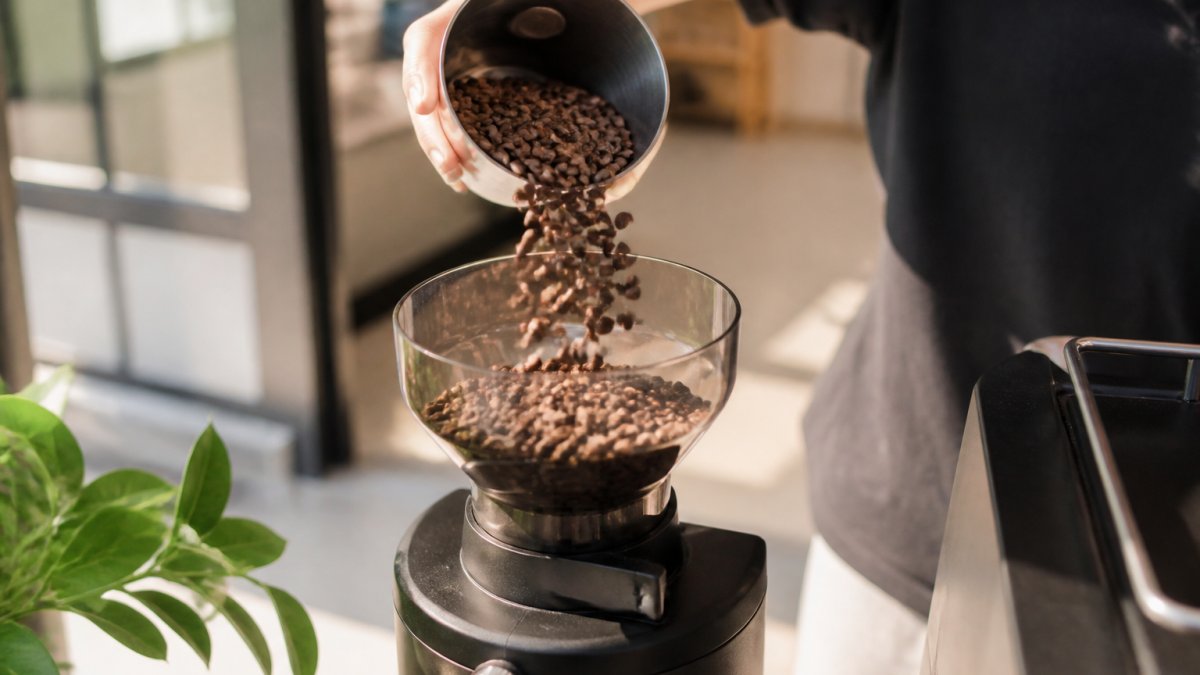
Freshness is the first benefit. Coffee loses flavor compounds immediately after roasting (peer-reviewed research). Industrial coffee gets roasted in massive batches, shipped to distribution centers, sits on shelves, then in your pantry. By brewing time, weeks or months have passed. Local roasters roast smaller batches multiple times weekly; you buy beans roasted three to seven days ago. The taste difference is immediate.
Traceability is the second. Local roasters know their suppliers and can tell you which farm the beans came from, how they were processed, and what the roaster intended to highlight. This matters for fair trade practices, sustainability, or simply understanding what you're drinking.
Customization is the third. Local roasters adjust roast profiles based on feedback. If customers say a single-origin is too dark, they adjust. Chain operations can't do this, they're locked into standardized recipes.
Community economics is the fourth. Your money stays local, going directly to the people who roasted your coffee, not corporate shareholders.
Specialty Coffee Roasters Worth Visiting
Three roasters in the area stand out for different reasons, each with a distinct reputation and approach to sourcing and roasting.
Switchback Coffee Roasters
Switchback operates two brew bars and a roastery, giving them infrastructure to highlight unique flavor characteristics rather than chasing a single "house style." They source specialty coffees to let Ethiopian natural process taste different from Colombian washed beans. Their menu includes thoughtfully sourced food options. Wholesale presence across the region suggests consistency that retail customers notice.
What makes them worth visiting: if you care about tasting what the roaster intended, Switchback's approach to highlighting single-origin characteristics is exactly what you're looking for.
High Rise Coffee Roasters
High Rise has been roasting since 1995, focusing on light single origins and meticulous technique. Light roasts require precision, any mistake is audible in the cup (peer-reviewed research). They operate retail and wholesale, shipping nationally with flat-rate shipping, suggesting confidence in their product. Three decades in a competitive market indicates genuine mastery.
What makes them worth visiting: if you appreciate complexity of single-origin coffees and prefer lighter roasts, High Rise's meticulous approach is the right fit.
Third Space Coffee
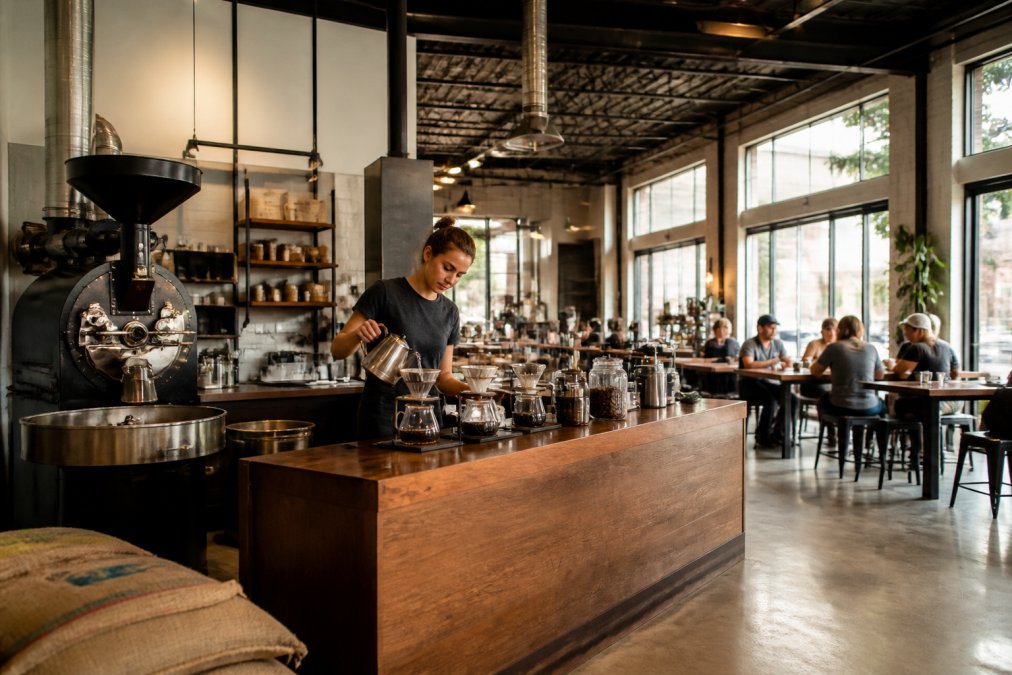
Third Space roasts in-house and serves in a versatile space designed for more than grabbing coffee. In-house roasting means you're getting coffee roasted on-site, as fresh as it gets. The space functions as a meeting venue for teams and community groups, offering more than a standard cafe.
What makes Third Space worth visiting: if you want the freshest locally roasted coffee combined with a space designed for actual use, work, meetings, or events, Third Space solves multiple needs in one stop.
Coffee Shops Perfect for Remote Work and Study
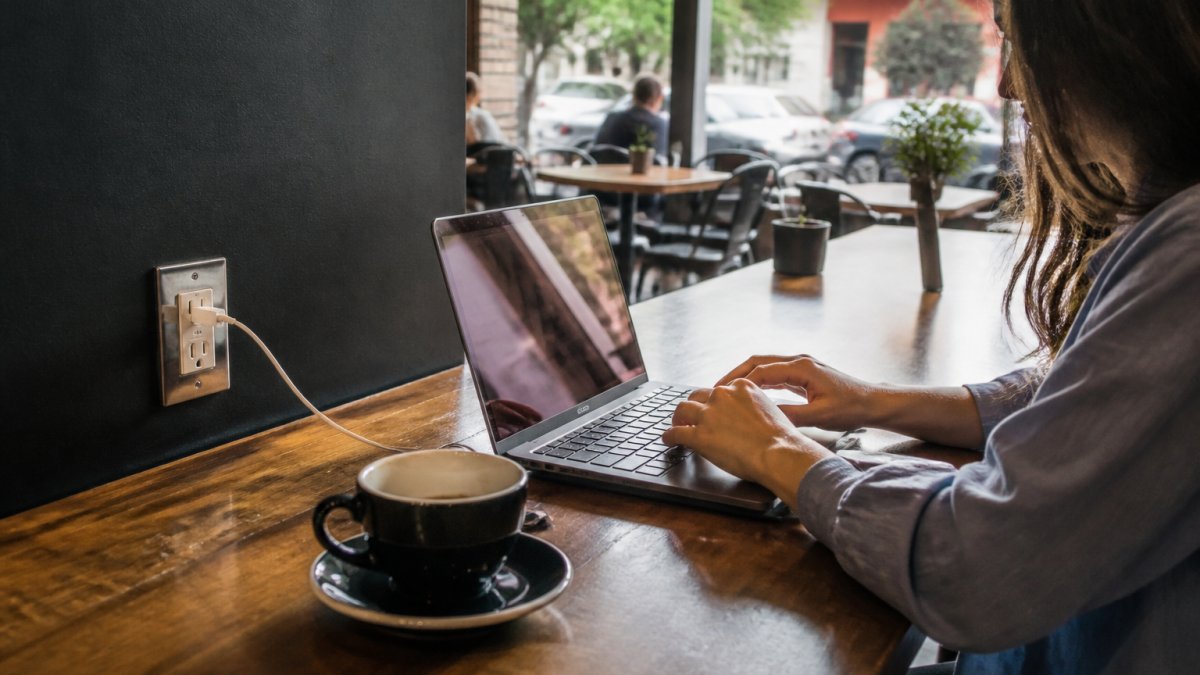
Not all local coffee shops are set up for people who need to camp out for hours. The ones that work for remote work share specific characteristics: adequate seating, good Wi-Fi, power outlets at tables, and an atmosphere supporting focus.
Story Coffee Company
Story Coffee occupies a tiny house location next to Acacia Park in downtown, signaling a different vibe from chain cafes. They source pastries from a local Colorado Springs bakery, and coffee is made in-house. The outdoor deck during warmer months is useful for fresh air while working. The cozy atmosphere means you're not surrounded by high-traffic noise.
What works here: if you're doing focused individual work and appreciate a genuine neighborhood spot, Story delivers. The limitation is seating capacity, arrive early or go during off-peak hours for a reliable full work session.
For teams needing meeting space, Story's size makes it less practical. Third Space Coffee provides dedicated meeting room rentals specifically designed for teams and groups, accommodating everything from small four-person meetings to larger gatherings while maintaining quality in-house roasted coffee.
Coffee Shop Meeting Room Rentals for Teams
Not every business wants to pay for dedicated conference room space. Not every nonprofit can justify the cost. Coffee shops with flexible meeting spaces solve this problem.
A good meeting room rental at a local coffee shop includes reliable Wi-Fi, power outlets, comfortable seating, and ideally, a setup that doesn't feel corporate. Pricing and terms vary widely.
Third Space Coffee offers meeting room rentals designed for this use case. The space accommodates different group sizes and can be rented for events, team meetings, staff gatherings, or community groups. Including quality in-house roasted coffee as part of the meeting experience is a practical advantage.
Key questions to ask any coffee shop offering meeting rooms: How many people does the space accommodate? What's included (tables, chairs, Wi-Fi, outlets, refreshments)? Can you bring your own food or must you order from the cafe? What's the cancellation policy? How far in advance do you need to book?
For teams under ten people doing casual meetings, a coffee shop meeting space often makes more sense than a formal conference room.
Dietary-Specific Menu Options at Local Cafes
Chain coffee shops often feel limiting for people with dietary restrictions. Local cafes approach this differently because owners care about serving their neighborhood.
Drip Queen Coffee specializes in lactose-friendly cold brew, offering dessert-flavored options like Honey Lavender and Red Velvet Cheesecake with lactose-friendly milk alternatives. This is their whole business model, not an afterthought.
Story Coffee Company sources pastries from a local bakery, giving them flexibility to accommodate dietary requests. Buying from local bakeries instead of national suppliers allows conversations about ingredients and sourcing that often lead to actual solutions.
Third Space Coffee, as a locally rooted business, understands the importance of serving diverse dietary needs. Locally roasted coffee is naturally vegan-friendly, and a local coffee shop designed for community connection typically offers or accommodates dietary-specific options.
The practical approach: ask what's available, ask about ingredients, and if a spot doesn't have what you need, ask if they can source it. Local shops are often more willing to accommodate than expected.
Side Effects of Too Much Coffee and How Local Shops Help
Coffee is a stimulant with limits. Consuming too much caffeine causes jitteriness, anxiety, sleep disruption, and digestive issues (the CDC). Shaky hands, racing thoughts, or inability to focus despite drinking coffee are signs you've crossed the line. Caffeine sensitivity varies widely.
How local coffee shops help: first, quality coffee means you need less of it. A cup of well-roasted, freshly ground coffee has more flavor and satisfaction than a larger cup of mediocre coffee. You're more likely to savor it. Second, a space designed for actual work or relaxation reduces the anxiety coffee sometimes amplifies. Third, a barista who knows you will eventually notice your patterns and might gently suggest pacing yourself.
If experiencing caffeine side effects, the solution isn't cutting coffee entirely, it's being intentional about how much you drink. A single excellent cup of locally roasted coffee often satisfies more than multiple cups of mediocre coffee.
How to Choose Your Next Local Coffee Stop
Start with what you actually need from the space.
If you need a quiet spot for focused individual work, Story Coffee Company delivers atmosphere and quality. If you need a professional meeting space with good coffee, Third Space Coffee is designed for this. If you want to taste the roaster's intention and understand sourcing, Switchback or High Rise are the right stops.
Secondary factors: location matters because you'll only visit regularly if convenient. Atmosphere matters because you'll spend time there. Reliability matters because you need to know Wi-Fi works and seating is available when needed.
Visit a new spot during off-peak time first. Show up on a Tuesday afternoon, not Saturday morning. You'll get a clearer sense of the space, staff will have time to talk, and you'll see what the place is actually like without crowds.
Ask questions about what matters to you. If you work remotely, ask about power outlets and Wi-Fi stability. If you have dietary restrictions, ask about sourcing and accommodation. If you're hosting a meeting, ask about space rental details and booking timelines.
The best local coffee shop for you isn't the one with the best reviews online. It's the one that solves your specific problem and makes you want to come back.
Finding your next favorite local coffee shop comes down to matching your actual needs with what a space offers. Whether you're seeking the freshest in-house roasted coffee, a reliable spot for remote work, or a flexible venue for team meetings, local options deliver what chains can't: quality you can taste, spaces designed with intention, and community connection. Third Space Coffee brings all of these together, exceptional locally roasted beans, a versatile space for work and events, and genuine commitment to bringing people together. Visit and experience the difference a true local coffee shop makes.
Frequently Asked Questions
Q: What makes locally roasted coffee different from chain coffee?
A: Locally roasted coffee is typically roasted in smaller batches with greater attention to detail and flavor development. Independent roasters source specialty-grade beans and roast them to order, ensuring peak freshness. Chain coffee often uses mass-produced beans roasted weeks or months before reaching your cup. Local roasters also build direct relationships with coffee farmers, allowing them to highlight single-origin characteristics and support sustainable sourcing practices that chain operations cannot match at scale.
Q: How can I find high-quality independent coffee shops in my area?
A: Look for shops that roast their own beans in-house or partner with local roasters rather than using generic wholesale suppliers. Check online reviews for mentions of specific brewing methods like pour-over or espresso technique. Visit shops that highlight their sourcing and roasting dates on menus. Ask baristas about their coffee origins and brewing process, genuine expertise signals quality. Local coffee shops often participate in community events and farmers markets, making them easier to discover through neighborhood connections.
Q: Are there benefits to supporting independent coffee shops over national chains?
A: Independent coffee shops keep revenue circulating within the local economy, supporting local employment and community initiatives. Many independent roasters prioritize fair trade and direct-trade relationships with coffee farmers, ensuring better conditions and pricing. Local cafes often customize their menus and atmospheres to reflect neighborhood character, creating unique experiences unavailable at chains. Supporting independent shops also encourages innovation in specialty drinks, food pairings, and cafe culture that chains typically cannot match due to standardization requirements.
Q: How does in-house roasting impact the freshness of my coffee?
A: Coffee begins losing flavor immediately after roasting due to oxidation and CO2 release. In-house roasted coffee is typically roasted within days of purchase, compared to commercial coffee roasted weeks or months prior. Fresh-roasted beans produce brighter flavors, better crema on espresso, and more complex taste profiles. When you buy from a cafe that roasts on-site, you're consuming coffee at its peak, usually within 1-2 weeks of roasting. This freshness difference is most noticeable in single-origin coffees and specialty brewing methods.
This article was written using GrandRanker