 listicle
Fresh Roasted Coffee Beans Near Me: Local & Online Options
Table of Contents
- What Makes Fresh Roasted Coffee Beans Worth Seeking Out
- How to Identify Fresh Coffee Beans: What to Look For
- Coffee Roasting Date Importance: Why It Matters More Than You Think
- How to Store Coffee Beans for Maximum Freshness
- Third Space Coffee: In-House Roasted Beans in Colorado Springs
- Online Subscription Services for Fresh Roasted Beans
- Local vs. National Shipping: What Matters for Freshness
- Frequently Asked Questions
Last Updated: August 6, 2026
What Makes Fresh Roasted Coffee Beans Worth Seeking Out
The difference between fresh roasted coffee beans and stale ones isn't subtle. Fresh roasted beans deliver complexity, brightness, and clarity that fade within weeks. Stale coffee tastes flat, bitter, and one-dimensional, no amount of brewing technique can recover it.
This matters because fresh roasted coffee beans represent the peak of what coffee can be. When beans are roasted, they begin releasing CO2 immediately. Within 24-48 hours, they're ready to brew. But here's the critical window: that freshness window stays open for about 3-4 weeks if stored correctly. After that, oxidation takes over and flavor degrades steadily.
Why seek out fresh roasted beans specifically? Because roast date is the single most important variable in coffee quality, more important than origin, more important than brewing method. A two-week-old single-origin Ethiopian bean from a quality roaster will outperform a six-month-old "premium" blend from a grocery store every time.
Third Space Coffee understands this principle. Their in-house roasting operation means beans go from roaster to cup within days, not months. This isn't just freshness for freshness's sake, it's the foundation of flavor.
How to Identify Fresh Coffee Beans: What to Look For
The Role of Roasting Date in Freshness
The roasting date is non-negotiable. A bag of beans without a roasting date printed on it is an immediate red flag. Reputable roasters stamp every bag with the exact date beans came off the roaster.
Look for bags roasted within the last two weeks. Beans between two and four weeks old are still excellent. Beyond four weeks, flavor degradation accelerates noticeably. The roasting date matters far more than the "best by" date, which is often set conservatively and doesn't reflect when flavor actually peaks.
Visual and Aroma Indicators
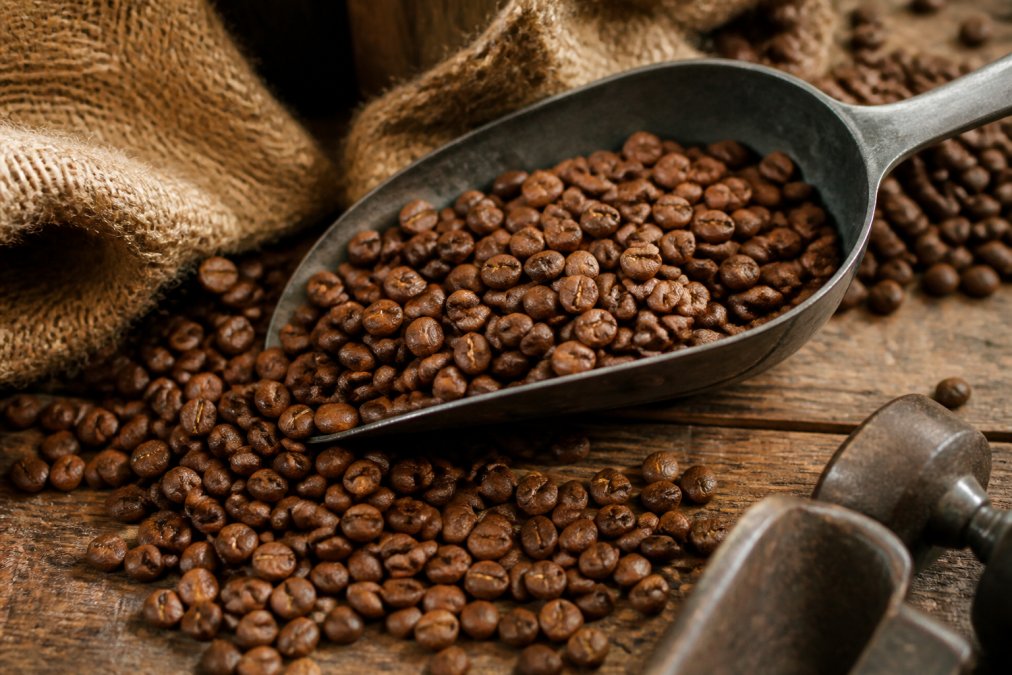
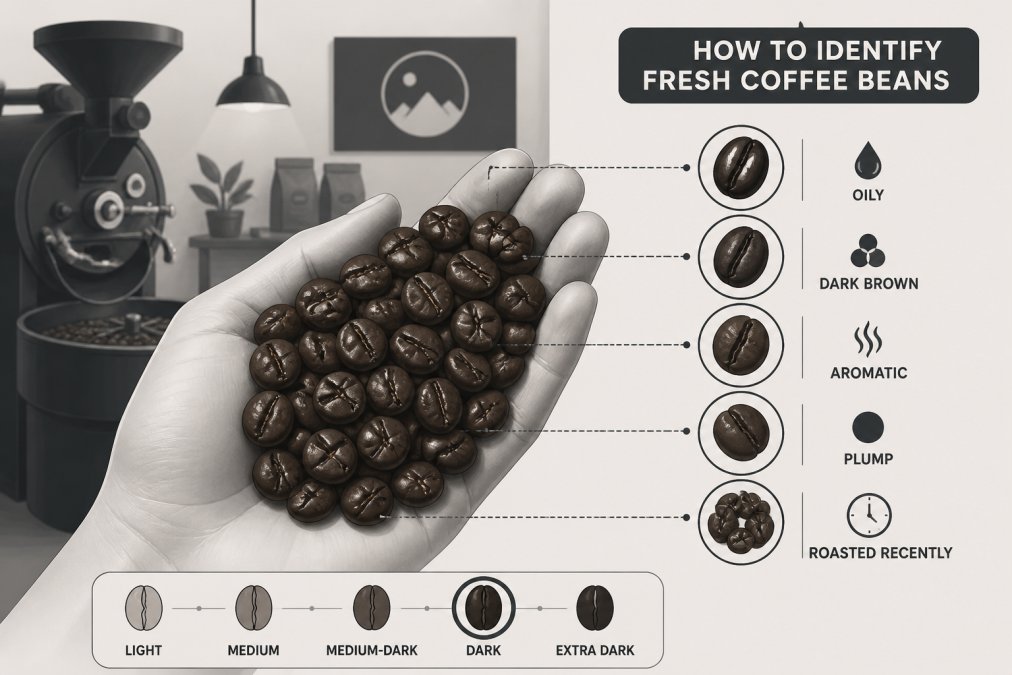
Fresh roasted beans have visible characteristics. Look for a rich, uniform color appropriate to the roast level, dark roasts should be dark brown to nearly black, medium roasts a chocolate brown, light roasts cinnamon to tan. Beans should look slightly oily on the surface, especially darker roasts. This isn't a flaw; it's evidence of proper roasting.
The aroma test is immediate and reliable. Open a bag of fresh beans and smell them. Fresh roasted coffee has a pronounced, complex aroma, fruity, floral, chocolatey, or nutty depending on the bean. Stale coffee smells muted, flat, or musty. Your nose knows the difference instantly.
Degassing is part of freshness. Freshly roasted beans release CO2 for several days after roasting. If a bag feels rock-hard and won't release any air when you open it, the beans are likely older and have finished degassing. Beans that feel slightly puffy or release a small burst of air are fresher.
Coffee Roasting Date Importance: Why It Matters More Than You Think
Most coffee drinkers don't think about roasting dates at all. They buy whatever's on the shelf, assuming older coffee is fine. This assumption costs them flavor every single day.
The roasting date matters because it's the only date that tells you when the flavor window actually opened. A "best by" date printed 12 months in the future is meaningless, the coffee will taste dramatically different in month two versus month six. The roasting date is your reference point for freshness.
Here's what changes over time. Within the first 24-48 hours after roasting, beans are still degassing and the flavor is still settling. This is why some roasters recommend waiting a day or two before brewing. Between days 3-14, beans hit their peak flavor window. Acidity is bright, body is full, and the flavor profile is most complex and interesting. Between weeks 2-4, flavor is still very good but begins losing brightness. After four weeks, the coffee tastes noticeably flatter and more one-dimensional. After eight weeks, most specialty coffee is past its prime.
The science here is straightforward. Roasted coffee beans contain hundreds of volatile compounds responsible for flavor and aroma. These compounds are unstable. They oxidize and break down over time, especially when exposed to light, heat, or air. The roasting date tells you how much of this degradation has already happened.
This is why Third Space Coffee's in-house roasting model works. Beans roasted today are available tomorrow. There's no supply chain delay, no weeks sitting in warehouses. You get coffee at its absolute peak.
How to Store Coffee Beans for Maximum Freshness
Container and Environment Essentials
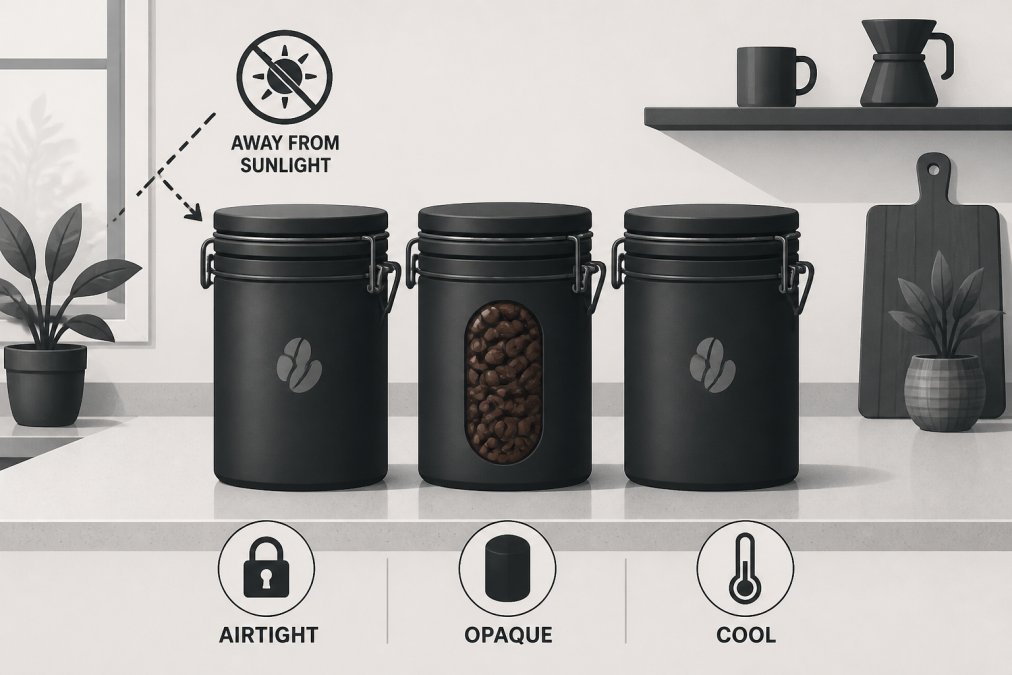
The container matters more than most people realize. Coffee's enemies are light, heat, air, and moisture. An airtight container that blocks light is non-negotiable.
The best option is an opaque, airtight container stored in a cool, dark place. Many specialty coffee bags now come with one-way valves that let CO2 escape while preventing air from entering. If your beans came in such a bag, you can store them in that bag if it's kept away from light and heat. If you transfer beans to a different container, make sure it's airtight and opaque.
Avoid clear glass jars, even if they're airtight. Light degrades coffee faster than almost anything else. Avoid the freezer, the temperature fluctuations as beans thaw and refreeze damage flavor. Room temperature in a dark cabinet or pantry is ideal.
Timeline: When to Use Your Beans
Timing your consumption matters. Use beans between three days and four weeks after roasting for the best experience. If you have a large supply, consume the older beans first and save the freshest for when you want to really taste the coffee.
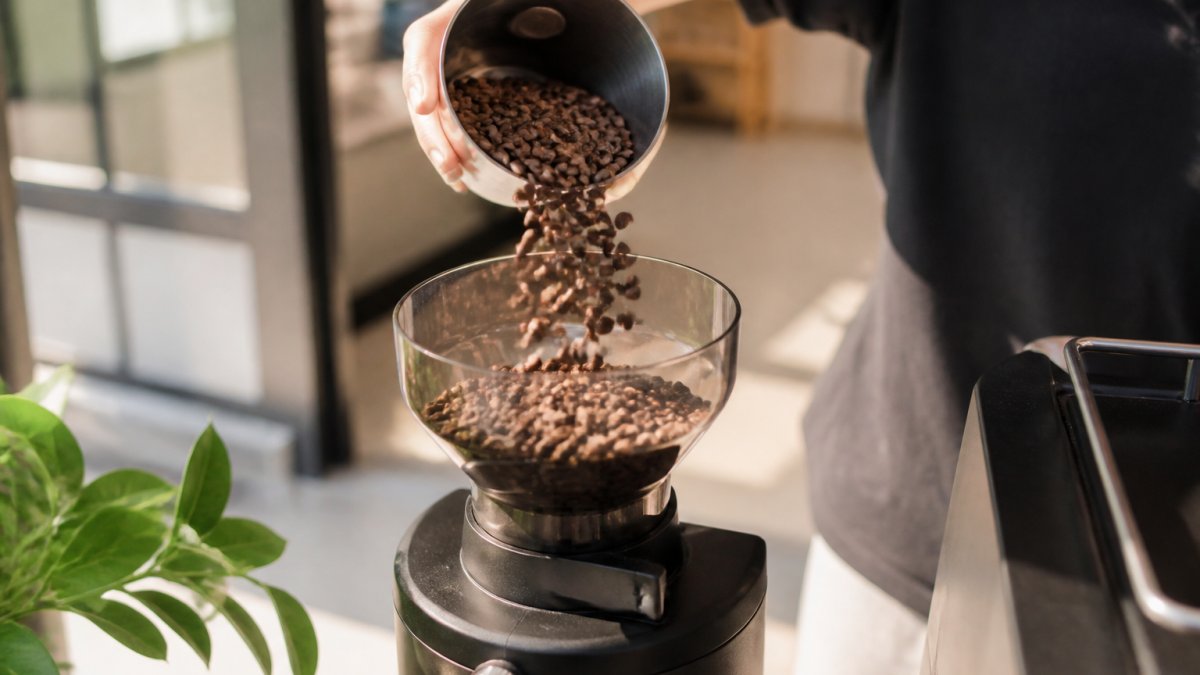
Once you open a bag, consume the beans within two weeks. An opened bag exposed to air will degrade faster than a sealed one, even if stored properly. If you buy whole beans and grind them at home, grind only what you'll use in the next few days. Ground coffee degrades much faster than whole beans because grinding dramatically increases surface area exposed to oxygen.
| Storage Condition | Expected Freshness Window | Best For |
|---|---|---|
| Unopened, cool dark place | 3-4 weeks from roast | Peak flavor |
| Opened, airtight container | 2 weeks from opening | Good flavor |
| Ground beans, airtight container | 3-5 days from grinding | Acceptable flavor |
| Freezer (not recommended) | 1-2 months | Emergency only |
Third Space Coffee: In-House Roasted Beans in Colorado Springs
Why Local Roasting Guarantees Freshness
Third Space Coffee's in-house roasting operation solves the freshness problem entirely. Beans roasted on-site today are available to customers tomorrow. There's no warehouse storage, no supply chain delay, no guessing about roast dates. You know exactly when your beans were roasted because you can see the roastery.
This matters practically. When you buy beans from Third Space Coffee, you're getting coffee at peak freshness. The flavor complexity and brightness that define specialty coffee are still fully present. You're not competing against oxidation or guessing whether beans have been sitting in a warehouse for weeks.
Local roasting also means consistency. The roasting team controls every variable, bean sourcing, roast profile, cooling, packaging. This consistency is harder to achieve in larger operations where beans might be roasted in one location and shipped across the country.
Beyond Beans: Meeting Space and Events
Third Space Coffee offers something most coffee shops don't: a versatile space for community and connection. Beyond serving exceptional in-house roasted beans, the venue transforms into a meeting space and event venue for Colorado Springs.
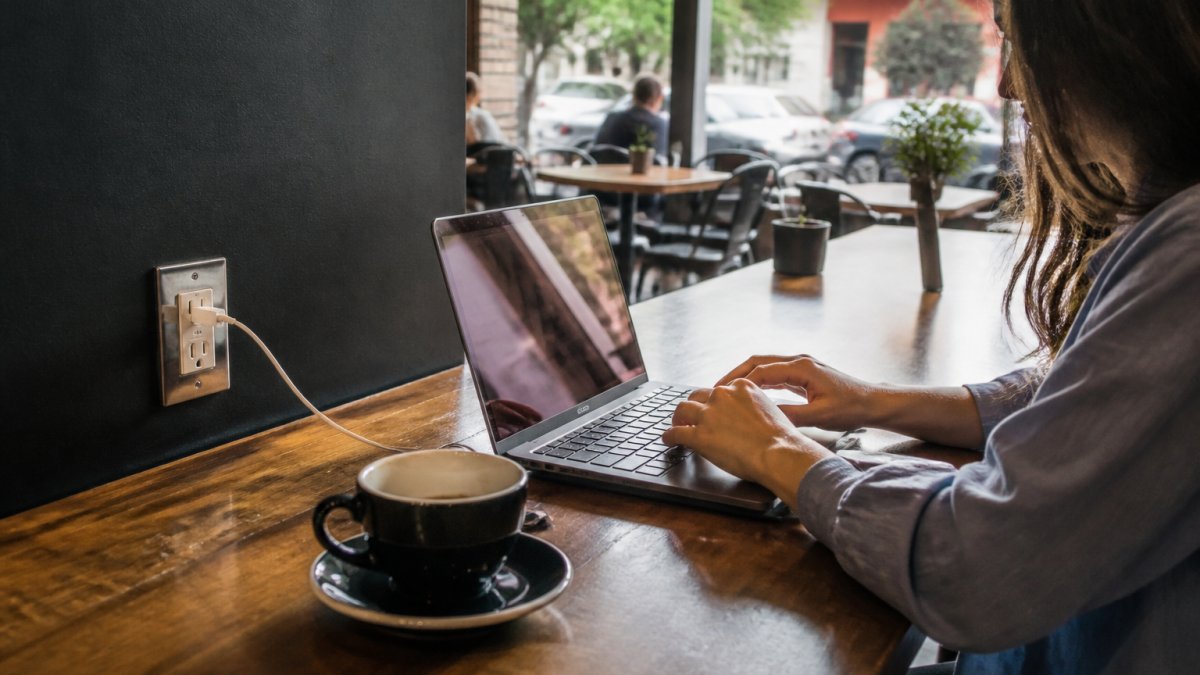
This is valuable if you're a remote worker seeking reliable Wi-Fi and outlets throughout the day, a local business team needing flexible meeting space, or someone planning an intimate private event. The space is designed to support these uses without the formality or cost of traditional conference rooms.
Online Subscription Services for Fresh Roasted Beans
Specialty Roasters with Roast-to-Order Models
Several national roasters ship beans roasted specifically for your order, which guarantees freshness even through mail delivery.
Trade Coffee operates on a roast-to-order model. You complete a personalized coffee quiz, and their algorithm matches you with coffees from their network of 450+ specialty coffees across dozens of roasters. Bags are roasted and shipped within days. This approach solves the freshness problem for remote customers while offering variety most local roasters can't match. The tradeoff is cost, subscription pricing runs higher than buying directly from a single roaster, and you're paying for curation and shipping rather than beans alone.
Blue Bottle Coffee built its reputation on freshness obsession. They roast to order and ship within 48 hours, emphasizing the same principle as local roasting: coffee should be fresh. Their selection focuses on single-origin beans and signature blends. Pricing reflects the premium positioning, but the freshness guarantee is real. If you prioritize extreme freshness and can accept higher prices, Blue Bottle delivers.
Stumptown Coffee Roasters offers subscription options with flexible delivery frequency. They're known for consistent quality and iconic blends like Hair Bender. While not explicitly roast-to-order for every subscription, their production volume and distribution model mean beans reach customers relatively quickly. They're a solid middle ground between local freshness and national convenience.
Intelligentsia Coffee pioneered the Direct Trade model, sourcing directly from farmers and maintaining strict quality standards. Their subscription service delivers beans roasted in their facilities. The emphasis on ethical sourcing and quality control appeals to conscientious buyers, though pricing is premium.
Curated Subscription Clubs
Some services take a different approach: they curate selections from multiple roasters and deliver them to you monthly.
Mistobox employs a coffee expert who curates selections from over 50 roasters based on your preferences. You receive 4-5 bags monthly from different roasters, each with tasting notes and brewing recommendations. This approach maximizes variety and discovery. The downside is that shipping costs are separate from bag pricing, and sample sizes aren't available, you're committing to full bags.
Atlas Coffee Club takes a travel-themed approach, featuring a single-origin coffee from a different country each month. Each shipment includes a postcard with tasting notes and brewing tips. This appeals to adventurous drinkers curious about global coffee origins. The limitation is one coffee per month, which doesn't suit people who want variety or who drink coffee daily.
Angels' Cup offers a unique tasting experience. Subscribers receive blind coffee samples and record tasting notes through their app, comparing their assessments with a professional roastmaster. This is more educational than transactional, you're learning to taste coffee critically. The smaller sample sizes in the entry-level tier might not suit daily drinkers, but for enthusiasts, the learning value is substantial.
Counter Culture Coffee emphasizes sustainable sourcing and transparency. Their subscription options include blends and single-origin series, all roasted with attention to quality and ethical practices. B Corp certification signals commitment to broader social responsibility. Pricing reflects the premium positioning, but buyers know exactly where their money goes.
Local vs. National Shipping: What Matters for Freshness
The freshness advantage of local roasting is real but not absolute. National shipping can deliver fresh beans if the roaster roasts to order and ships quickly.
The variables that matter: roast date (freshest is always best), shipping speed (2-3 days is acceptable; anything over a week degrades quality), and packaging (beans should arrive in airtight bags with roast dates clearly marked). A coffee roasted yesterday and shipped overnight might be fresher than coffee roasted two weeks ago at a local roaster that's been sitting on a shelf.
Local roasting wins on convenience and cost. You eliminate shipping fees and delivery delays. You can inspect beans in person and ask questions directly to the roasting team. For Colorado Springs residents, Third Space Coffee offers this advantage, no shipping wait, no packaging concerns, beans at peak freshness available daily.
National shipping wins on variety and discovery. You access roasters and beans you can't find locally. Subscription services like Trade Coffee or Mistobox offer curation and personalization that local roasters can't match. The tradeoff is shipping cost and a slightly longer delay between roasting and arrival.
For most people, the choice depends on priorities. If freshness and supporting local business matter most, buy from a local roaster like Third Space Coffee. If variety and discovery matter more, a national subscription service delivers better value despite the shipping delay.
Finding fresh roasted coffee beans near me requires understanding what freshness actually means and where to find it. Third Space Coffee delivers this through in-house roasting that guarantees peak flavor. For those seeking variety or unable to access local roasters, specialty subscription services like Trade Coffee and Blue Bottle offer roast-to-order models that prioritize freshness. The key is checking roast dates, understanding your storage options, and choosing a source aligned with your priorities, whether that's local convenience or national variety. Visit Third Space Coffee to experience in-house roasted beans at their peak, or explore their flexible meeting space options for your next team gathering or private event.
Frequently Asked Questions
How can I tell if coffee beans are truly fresh roasted?
Check the roasting date on the bag, fresh roasted beans should be no more than 2-4 weeks old. Look for visible oils on darker roasts and a strong, vibrant aroma. Beans that smell flat or lack aroma are likely past their prime. When you brew them, fresh beans produce a thick crema (if espresso) and fuller flavor profile. Avoid beans with a printed 'best by' date instead of a roast date, as this tells you less about actual freshness.
What is the best way to store fresh roasted coffee beans?
Store beans in an airtight container away from light, heat, and moisture. A dark cabinet or pantry at room temperature is ideal, never the refrigerator or freezer, as condensation damages flavor. Use opaque containers or bags with one-way valves that let CO2 escape while blocking air and light. Buy only what you'll use in 2-4 weeks. Grind just before brewing to preserve aroma and flavor compounds that degrade quickly once ground.
Why is the roasting date so important for coffee freshness?
The roasting date tells you exactly when the beans reached peak flavor. Freshly roasted beans need 24-48 hours to degas (release CO2), then hit their flavor peak between days 3-30. After 30 days, flavor compounds begin breaking down and beans lose brightness and complexity. A roast date is far more reliable than a 'best by' date because it shows the actual timeline of freshness, not an arbitrary estimate. Always choose beans with a visible roast date over those without.
Are local coffee roasters better than grocery store brands?
Local roasters like Third Space Coffee typically roast in smaller batches just days before sale, ensuring maximum freshness. Grocery store beans often sit on shelves for weeks or months before reaching you. Local roasters also let you ask questions about origin, roast profile, and brewing recommendations. That said, some national specialty roasters use roast-to-order models and ship quickly. The key difference is freshness and direct access to roasters who control quality, not just brand size.
This article was written using GrandRanker