 how-to
How to Find Fresh Roasted Coffee Beans Locally
Table of Contents
- Why Fresh Roasted Coffee Beans Matter
- How to Read Coffee Roast Dates and Decode Freshness
- Signs of Stale Coffee Beans and How to Spot Them
- Finding Local Coffee Roasters in Your Area
- Questions to Ask Your Local Roaster
- Best Way to Store Fresh Coffee Beans for Maximum Shelf Life
- Farmers Markets, Cafes, and Direct-Trade Sources
- Matching Beans to Your Brewing Equipment
- Frequently Asked Questions
Why Fresh Roasted Coffee Beans Matter
The difference between fresh roasted coffee beans and stale ones is immediate: bright, complex flavor versus flat, bitter emptiness. Fresh roasted coffee beans are the foundation of exceptional coffee at home, and finding them locally transforms what you're capable of brewing.
Coffee begins to lose its optimal flavor profile within two to three weeks of roasting. After a month, the beans have started to go stale. The aromatic compounds that make coffee taste interesting have oxidized and faded. Local roasters like Third Space Coffee guarantee beans roasted days ago, not months. You're buying coffee at peak flavor, not at the tail end of its shelf life. Local sourcing also means you can ask questions about origin, roast profile, and intended brewing method, transparency that mass-market coffee never offers.
How to Read Coffee Roast Dates and Decode Freshness
The roast date is your most important piece of information when buying fresh roasted coffee beans. It tells you exactly how old the beans are and whether they're still in their optimal window for brewing.
Where to Find the Roast Date on the Bag
Coffee roasters are required to print the roast date somewhere on the bag, front, back, or side. The format varies: "Roasted on," "Roast Date," or simply the date itself. It might be printed as a number (like "08.12.26"), written out in words, or shown as a Julian date (a three-digit code representing the day of the year). Ask the roaster if you need help decoding their labeling system.
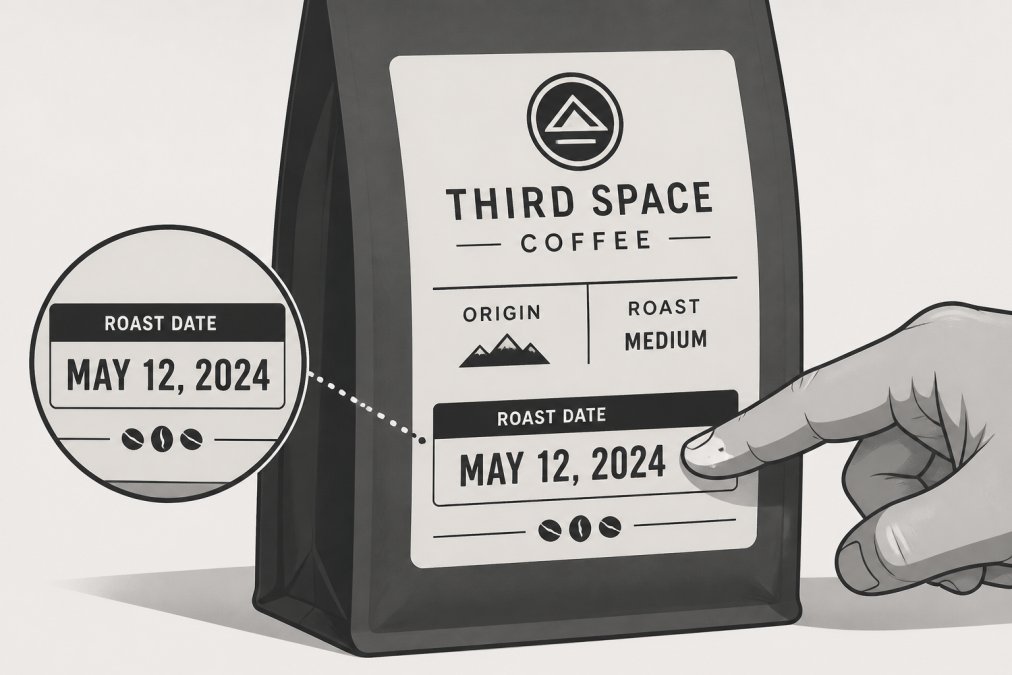
Some bags also print a "best by" date, which is different from the roast date. The best by date is the roaster's estimate of when the beans will start to decline noticeably. The roast date is what you actually need to know.
The Ideal Freshness Window for Brewing
The ideal window for brewing fresh roasted coffee beans is roughly five to thirty days after the roast date. The first few days after roasting, the beans are still actively degassing (releasing CO2 trapped during roasting). If you brew them too early, the CO2 can interfere with water extraction. By day five, most beans have released enough gas to brew well. By day thirty, the flavor is still excellent, though it's starting to fade.
After thirty days, you can still brew the beans, but you're no longer getting the full expression of what the roaster intended. The bright, complex notes flatten. The acidity softens. By two months, the beans are stale by any reasonable standard. This is why buying from a local roaster matters: beans roasted three weeks ago still have one or two weeks left in the ideal window.
Signs of Stale Coffee Beans and How to Spot Them
Stale beans don't always look obviously bad, but specific visual and sensory cues signal deterioration.
Visual and Aroma Cues That Signal Staleness
Fresh roasted coffee beans have a subtle sheen; stale beans look flat and lifeless. The aroma is more telling. Open a bag of fresh beans and you should smell something vibrant and complex, fruit notes, chocolate, spice, florals, depending on origin and roast profile. With stale beans, the aroma is muted and flat. Stale beans also develop a waxy, greasy appearance as the oils oxidize and break down.
Testing Beans at the Point of Sale
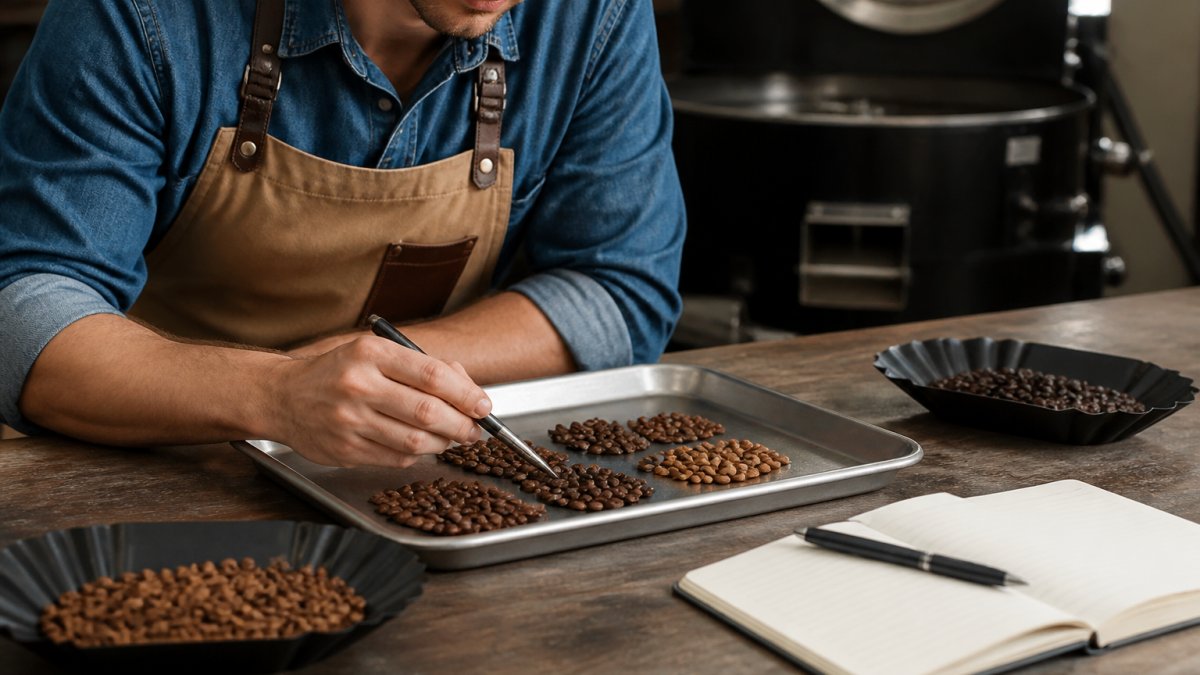
If you're buying from a local roaster, ask if you can smell the beans directly from the bag. A good roaster will open a bag for you. The aroma should be strong and interesting, not muted or flat. If the roaster offers samples, brew one and taste it. Fresh roasted coffee beans taste bright and clean with distinct flavor notes. Stale beans taste dull and one-dimensional.
You can also feel the beans. Fresh beans snap cleanly when you break one. Stale beans feel brittle and crumbly, having lost moisture.
Finding Local Coffee Roasters in Your Area
The best fresh roasted coffee beans come from roasters near you.
Search Strategies That Work
Start with a Google search: "specialty coffee roasters near me" or "local coffee roasters [your city]." Read reviews that mention freshness and roast dates. Check farmers markets in your area, many local roasters sell directly one or two days a week, offering the freshest beans roasted within the past week.
Look for roasteries that roast in-house and allow visitors. Search for "direct trade coffee [your area]" or "single-origin coffee roasters near me" to surface smaller, specialized roasters who focus on quality and sourcing transparency.
Evaluating Roasteries by Their Sourcing and Methods
Visit the roastery's website or ask in person about sourcing practices. Do they work directly with farms? Can they tell you the specific region, altitude, and processing method for a single-origin coffee? Roasters who answer these questions in detail care about quality.
Ask about their roasting philosophy. Small-batch roasting typically produces more consistent, higher-quality results and means fresher beans in the bag. Look for roasters who publish detailed tasting notes, this indicates careful attention to flavor extraction. Check the roast date on multiple bags in person. If all bags have recent dates, the roaster is moving inventory quickly and maintaining freshness.
Questions to Ask Your Local Roaster
Ask when the beans were roasted. They should know the exact roast date and be proud to share it. Ask about the origin: which country, which region, how were they processed? A roaster who knows this information has done the work to source good coffee.
Ask what brewing method the roaster recommends for this coffee. Different roasts and origins shine in different brewing methods. Ask how long the beans will stay fresh and about their recommended storage method. Many local roasters offer subscriptions that send you fresh beans on a schedule, ensuring you're always drinking recently roasted coffee.
Best Way to Store Fresh Coffee Beans for Maximum Shelf Life
How you store your beans after bringing them home determines how long they stay fresh.
Container, Temperature, and Light Exposure
Store your fresh roasted coffee beans in an airtight container. Many roasters sell beans in bags with one-way valves that let CO2 escape but prevent oxygen from entering. If you transfer beans to a different container, use one that seals completely. Glass jars with rubber gaskets work well. Avoid plastic containers and paper bags.
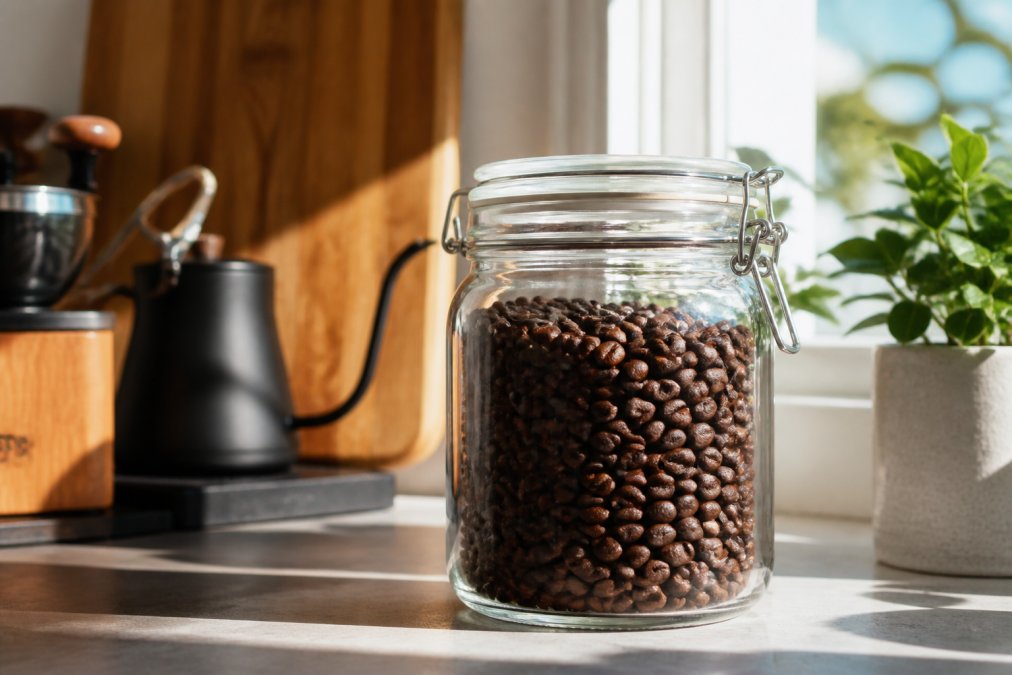
Keep the container in a cool, dark place. Heat accelerates staling. Light breaks down the compounds that make coffee taste good. A pantry or cabinet away from the stove is ideal. Avoid the refrigerator or freezer; temperature fluctuations and moisture can damage the beans. Keep the container away from strong odors, coffee absorbs smells easily.
Grinding and Brewing Timing for Peak Flavor
Grind your beans just before brewing. Whole beans stay fresh much longer than ground coffee. Once you grind, oxidation accelerates dramatically. Ground coffee loses its optimal flavor profile within fifteen to twenty minutes.
Brew within five to thirty days of the roast date for the best results. If you can't use beans within a month, freeze them in an airtight container. When you're ready to brew, remove only the amount you need and return the rest to the freezer immediately. Avoid repeated thawing and refreezing.
Farmers Markets, Cafes, and Direct-Trade Sources
Farmers markets are excellent for finding fresh beans and meeting roasters directly. Many specialty roasters sell at markets weekly or biweekly, with beans roasted within days.
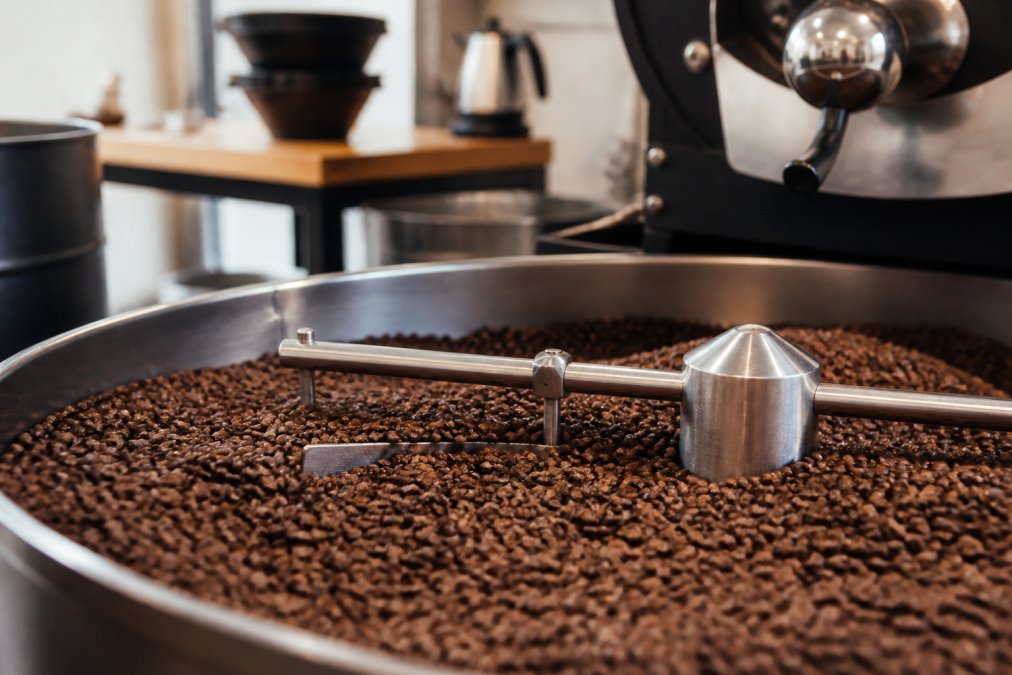
Local cafes that roast in-house are another source. If a cafe roasts its own beans, it has incentive to keep them fresh. Ask the cafe staff when the beans were roasted and whether you can buy bags. Third Space Coffee, for example, roasts in-house and sells beans for home brewing.
Direct-trade coffee is sourced directly from farms rather than through commodity brokers. Direct-trade roasters often offer single-origin coffees with detailed sourcing information and typically roast in small batches. Some roasters offer online ordering with local pickup or delivery, ensuring freshness.
Matching Beans to Your Brewing Equipment
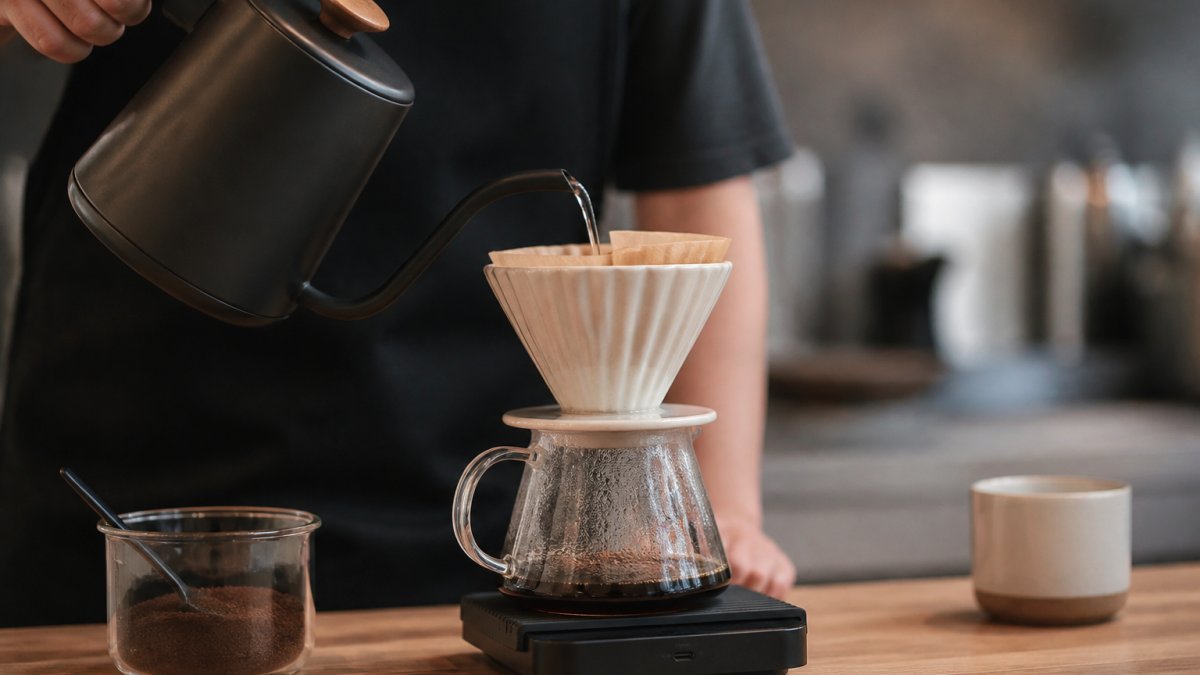
Different brewing methods extract flavor differently. Espresso machines require beans with enough body and sweetness to shine through milk and pressure extraction. Medium to dark roasts typically work well. Pour-over brewing highlights acidity and complexity; light to medium roasts work beautifully. French press brewing produces a full-bodied cup; medium to dark roasts work well. Automatic drip coffee makers work with any roast level, though medium roasts tend to produce the most balanced results. AeroPress and Moka pot brewing are versatile and work well with light to medium roasts.
When you find a roaster you like, tell them which brewing method you use most. A good roaster will recommend specific coffees that shine in your equipment.
Finding fresh roasted coffee beans locally is one of the simplest ways to dramatically improve your home coffee experience. The difference between beans roasted three weeks ago and beans roasted three months ago is unmistakable in the cup. Start by locating a roaster in your area, check farmers markets, search for specialty roasters online, or visit a cafe that roasts in-house. Ask about roast dates, sourcing practices, and recommendations for your brewing method. At Third Space Coffee, we roast beans in-house and welcome customers to explore our sourcing and roasting philosophy. Visit us to taste the difference fresh makes, and take home beans roasted the day you buy them.
Frequently Asked Questions
How can I tell if fresh roasted coffee beans are actually fresh when I buy them?
The roast date is your primary indicator. Look for a date printed on the bag, ideally within the past 2-4 weeks. Fresh beans also have a vibrant aroma when you open the bag and appear glossy or slightly oily on the surface. Stale beans smell flat or cardboard-like and look dull. Ask your roaster if they don't display a roast date; transparency about freshness is a hallmark of quality artisan roasters.
What's the difference between buying from a local roaster versus a grocery store coffee brand?
Local roasters typically roast in small batches just days before sale, controlling freshness directly. Grocery store beans often sit in warehouses for weeks or months before reaching shelves. Local roasters also source single-origin or specialty coffee with traceability, meaning you know where your beans came from. Many offer direct trade relationships with farmers, ensuring better quality and supporting sustainable practices that grocery brands don't always prioritize.
How do I find local coffee roasters near me if I've never heard of any?
Start with a search for 'specialty coffee roasters near me' or 'artisan roasteries in [your area].' Check farmers markets, which often host local roasters. Ask baristas at independent cafes for recommendations, they typically know the roasting community. Look at Google Maps reviews for roasteries and check their websites for roast dates and sourcing information. Social media pages often showcase roasting schedules and new releases, giving you insight into their operation.
What's the best way to store fresh coffee beans once I bring them home?
Store beans in an airtight container in a cool, dark place, not the freezer or refrigerator, which expose them to moisture and temperature fluctuations. Keep them away from direct sunlight and heat sources. Whole beans stay fresh for 2-4 weeks; ground coffee degrades faster, so grind only what you'll use within a few days. Buy smaller quantities more frequently rather than stockpiling to ensure you're always brewing with peak-freshness beans.
This article was written using GrandRanker