 how-to
Is Coffee Naturally Gluten Free? A 2026 Guide
Table of Contents
- Is Coffee Naturally Gluten Free? The Short Answer
- Gluten-Free Coffee for Celiacs: What the Science Says
- Gluten in Flavored Coffee: What to Watch For
- Gluten-Free Coffee Creamer and Add-Ins
- Gluten Cross-Contact in Coffee Shops: A Practical Ordering Checklist
- Instant, Decaf, and Coffee Substitutes: Reading the Label
- Troubleshooting Symptoms Without Assuming Gluten Exposure
- Frequently Asked Questions
Last Updated: October 13, 2026
Is Coffee Naturally Gluten Free? The Short Answer
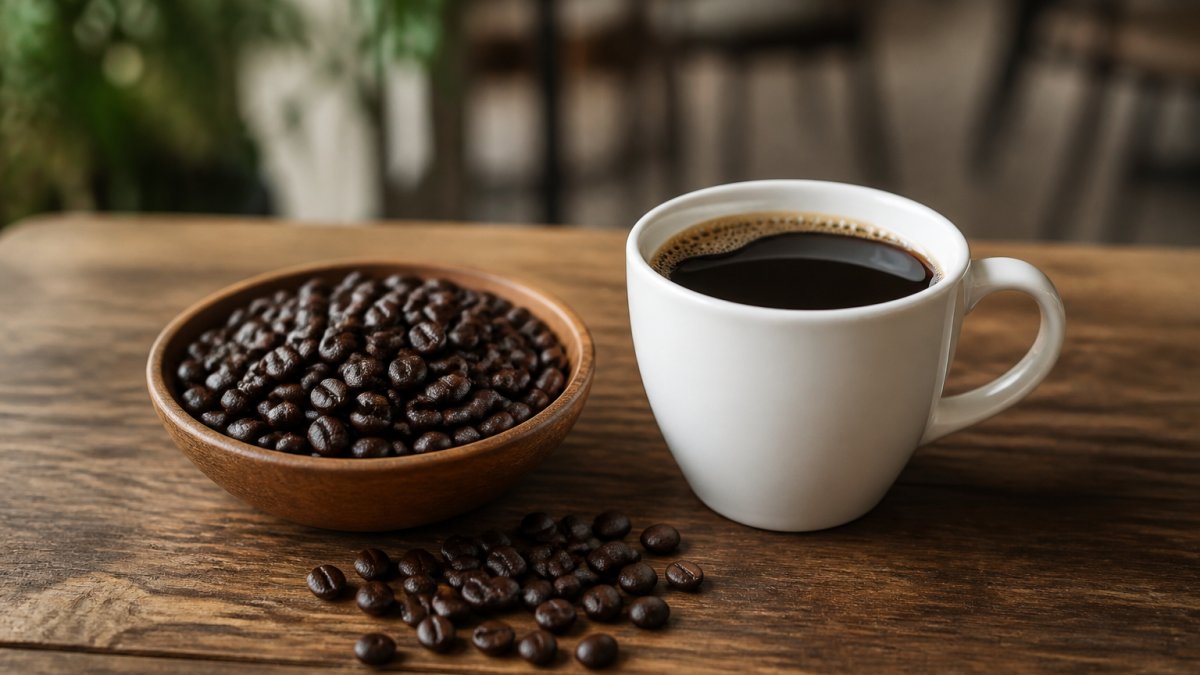
Yes. The question "is coffee naturally gluten free" has a simple answer: coffee made from plain coffee beans is naturally gluten free. The coffee tree produces beans that contain no wheat, barley, or rye, so a simple cup of black coffee starts out safe for anyone avoiding gluten. This guide from Third Space Coffee breaks down where gluten can sneak in, from flavored syrups to shared coffee shop equipment, so you can order and brew with confidence.
Here is the catch most people miss: the bean is fine, but what happens after roasting is where things get complicated. Add-ins, flavorings, and shared prep spaces are the real risk, not the coffee itself.
Below, we cover the science, the label rules, and a practical ordering checklist. First, let us settle the biggest question.
Celiac disease is an autoimmune condition in which the body attacks itself after gluten is eaten, damaging the small intestine over time. For people with this condition, even small amounts of gluten matter.
Gluten-Free Coffee for Celiacs: What the Science Says
For someone with celiac disease, plain coffee is safe. The grain proteins that trigger a reaction simply are not present in coffee beans.
Why the Coffee Tree Has No Gluten
Gluten is a protein found in wheat, barley, and rye. Coffee comes from the coffee tree, which is not a grain at all. It is a fruit plant, and its beans never contained gluten to begin with.
That means whole bean, ground, and brewed coffee are all naturally gluten free at the source.
How Celiac Reactions Actually Happen
Reactions come from gluten exposure, not from coffee. If you feel symptoms after a cup, the cause is usually something added or something shared, not the bean.
- Flavored syrups that contain barley malt
- Creamers with wheat-based thickeners
- Shared grinders or scoops used on flavored products
- Toppings and mixes with hidden gluten
The Celiac Disease Foundation guidance on gluten sources explains which grains contain gluten and why cross-contact matters for people with celiac disease.
Gluten in Flavored Coffee: What to Watch For
Flavored coffee is where gluten risk climbs. The flavoring itself can carry gluten, even when the base bean is clean.
Many flavored coffees use syrups, powders, or coatings to add taste. Some of these contain barley malt or wheat-derived ingredients. A "vanilla" or "caramel" label tells you nothing about the source of that flavor.
Check the ingredient list, not just the name. Look for:
- Barley, malt, or malt extract
- Wheat or wheat starch
- "Natural flavors" with no further detail
- Any coating or dusting on the beans
If a flavored coffee has no ingredient list and no gluten-free claim, treat it as unknown. When in doubt, choose plain beans and add your own safe flavoring at home.
Gluten-Free Coffee Creamer and Add-Ins
Creamers and add-ins cause more gluten problems than coffee ever does. The base liquid is usually fine, but thickeners and flavorings can hide gluten.
Dairy milk and plain cream are naturally gluten free. The trouble starts with flavored and powdered versions.
Syrups, Toppings, and Plant-Based Milks
Syrups are a common hidden source. Barley malt shows up in some flavor syrups, and that is a gluten grain. Whipped toppings and powdered mixes can also carry wheat-based additives.
Plant-based milks vary by brand. Oat milk is the one to watch, because oats are often grown and processed near wheat. Some oat milks are certified gluten free, and some are not.
| Add-In | Typical Gluten Risk | What to Check |
|---|---|---|
| Plain dairy milk | Low | No additives needed |
| Flavored syrup | Medium to high | Watch for barley malt |
| Oat milk | Medium | Look for certified gluten-free label |
| Almond or soy milk | Low | Check for added flavorings |
| Whipped topping | Medium | Read the full ingredient list |
Gluten Cross-Contact in Coffee Shops: A Practical Ordering Checklist
Cross-contact is the biggest real-world risk for coffee drinkers avoiding gluten. Shared equipment and shared prep spaces can move gluten from one drink to the next, and the risk is highest in shops that handle flavored beans, oat milk, and baked goods at the same station.
The FDA guidance on gluten-free food labeling sets the rules for what "gluten-free" means on a package, but it does not cover what happens behind a coffee bar. That gap is why you have to ask questions rather than rely on a label.

Where Cross-Contact Actually Happens
Four pieces of equipment drive most coffee-shop gluten risk:
- Shared grinders. A shop that grinds flavored beans in the same burr grinder as plain beans can leave flavored residue in the next batch. Ask whether the shop has a dedicated grinder for plain coffee.
- Steam wands. A wand used to steam oat milk or a flavored drink can carry residue into the next pitcher. Ask the barista to purge the wand and use a clean pitcher.
- Flavor pumps and syrup bottles. Pumps sit in shared holders and drip onto the counter. Barley malt in a syrup can transfer to a cup rim or a spoon. Ask for a drink with no syrup, or ask the barista to use a clean pump.
- Prep surfaces and blenders. Blenders used for frappes or smoothies can hold grain-based mixins. Skip blended drinks if you are highly sensitive.
How to Ask
A short, specific script works better than a vague request. Try: "I have a gluten allergy. Can you make my drink with a clean pitcher, purge the steam wand, and skip the syrup pumps?" Most baristas will accommodate a clear request.
Use this checklist when you order:
- Ask for plain brewed coffee or espresso with no flavoring
- Request a clean cup and a fresh steam wand purge
- Skip shared blenders and flavored syrup pumps
- Ask if oat milk is certified gluten free
- Ask whether plain and flavored beans share a grinder
- Choose a shop that lists ingredients openly
- Bring your own creamer if you are highly sensitive
A busy shop with one grinder for everything is riskier than a shop that keeps plain and flavored beans separate. Ask, and most baristas will help.
Instant, Decaf, and Coffee Substitutes: Reading the Label
Instant coffee, decaf, and coffee substitutes each carry their own label questions. The base ingredient matters more than the format, so read the ingredient list before you assume a product is safe.
Instant Coffee
Plain instant coffee is usually gluten free because it is made from brewed coffee that is dried into powder or granules. Flavored instant mixes often are not. A "mocha" or "vanilla latte" instant packet may include barley malt, wheat-based thickeners, or a creamer with gluten. Check the ingredient list, not the front of the jar.
Decaf Coffee
Decaf coffee is made from the same bean, so the caffeine removal does not add gluten. The processing method does not introduce gluten either. The risk with decaf is the same as with regular coffee: flavorings, coatings, or add-ins. A plain decaf bean is as safe as a plain regular bean.
Coffee Substitutes
Coffee substitutes are different. Some are made from grains, including barley or rye, which do contain gluten. Chicory and dandelion root are naturally gluten free, but grain-based blends are not. A product marketed as a "coffee alternative" may be built on roasted barley, which is a gluten grain.
Risk-by-Product Comparison
| Product | Base Ingredient | Typical Gluten Risk | What to Check |
|---|---|---|---|
| Plain whole bean or ground coffee | Coffee beans | Low | No flavoring or coating |
| Plain instant coffee | Coffee beans | Low | No added creamer or flavoring |
| Flavored instant coffee | Coffee beans plus additives | Medium to high | Watch for barley malt, wheat thickeners |
| Decaf coffee | Coffee beans | Low | Check for flavoring or coating |
| Chicory or dandelion substitute | Plant root | Low | Confirm no grain blend |
| Grain-based substitute | Barley, rye, or other grain | High | Avoid unless labeled gluten free |
| Coffee-shop flavored drink | Coffee plus syrup and milk | Medium to high | Ask about syrups and shared equipment |
Label and Certification Guidance
Always read the ingredient list on the package. Look for a certified gluten-free label when you can, since that means the maker tested for cross-contact. A "gluten-free" claim on a package is regulated, but it does not cover shared equipment at a coffee bar.
If a product has no ingredient list and no gluten-free claim, treat it as unknown. When in doubt, contact the manufacturer and ask two questions: Does the product contain any wheat, barley, or rye? Is it made on shared equipment with gluten-containing products? A written answer is more reliable than a guess.
Troubleshooting Symptoms Without Assuming Gluten Exposure
Not every reaction after coffee points to gluten. Caffeine, acid, and dairy cause symptoms that feel similar, and blaming gluten too fast can send you down the wrong path.
Common coffee-related symptoms come from several sources:
- Caffeine sensitivity causing jitters or upset stomach
- Acid reflux from coffee's natural acidity
- Lactose intolerance from dairy creamers
- Additives or sweeteners that disagree with you
- Actual gluten exposure from a flavored or shared product
Try a simple test. Switch to plain black coffee with no add-ins for a week. If symptoms fade, the add-in was likely the cause. If they continue, talk to your doctor rather than guessing.
The Beyond Celiac resource on symptoms and testing notes that symptoms alone cannot confirm gluten exposure, which is why medical testing matters.
Frequently Asked Questions
Does coffee flare up celiac disease?
Plain coffee made from coffee beans does not contain gluten, so it will not trigger a celiac reaction on its own. However, flavored coffee, certain creamers, syrups, and cross-contact from shared equipment in coffee shops can introduce gluten. If you have celiac disease and experience symptoms after drinking coffee, check every ingredient and consider whether shared preparation equipment could be the source.
Can flavored coffee contain gluten?
Yes. Flavorings, syrups, and added ingredients in flavored coffee can contain gluten, especially if they include barley malt, wheat-derived additives, or other gluten-containing grains. Always read the ingredient list on the package. Look for a certified gluten-free label if you have celiac disease or gluten sensitivity. When ordering at a coffee shop, ask to see the syrup bottle or flavoring ingredients before you order.
Are coffee creamers and syrups gluten-free?
Not all of them. Some creamers and syrups contain gluten-derived ingredients like wheat starch or barley malt. Others are naturally gluten-free but may be processed on shared equipment. Check the label for a certified gluten-free claim. If you are highly sensitive, choose plain milk or a plant-based alternative with a simple ingredient list, and verify with the manufacturer when in doubt.
Can coffee shops cause gluten cross-contact?
Yes. Shared steam wands, blenders, scoops, and counters can transfer gluten from flavored drinks or food items to your plain coffee. If you have celiac disease, ask the barista to use a clean pitcher and fresh equipment. Ordering black coffee or a drink with minimal add-ins reduces risk. Some shops are better trained than others, so a quick conversation before ordering helps.
Coffee should be simple, and for most people it is. The challenge is the add-ins and the shared equipment, not the bean. At Third Space Coffee, we roast our beans in-house and keep our bar clean, with gluten-free and vegan options on the menu. Our space also doubles as a meeting room and event venue for the community, with flexible booking for teams and private gatherings. Stop by, grab a plain cup you can trust, and see why we were voted Best Coffee Shop in Colorado Springs.