 listicle
Mission Coffee Roasters Alternative for Remote Work
Table of Contents
- Why Remote Workers Need More Than Just Coffee
- Third Space Coffee: Your Local Alternative for Remote Work
- Remote Work Etiquette in Coffee Shops
- Coffee Shops with Wi-Fi and Outlets: What to Look For
- Coworking Spaces vs Coffee Shops for Remote Workers
- How to Evaluate a Remote Work Coffee Shop
- Conclusion
- Frequently Asked Questions
Last Updated: August 10, 2026
Why Remote Workers Need More Than Just Coffee
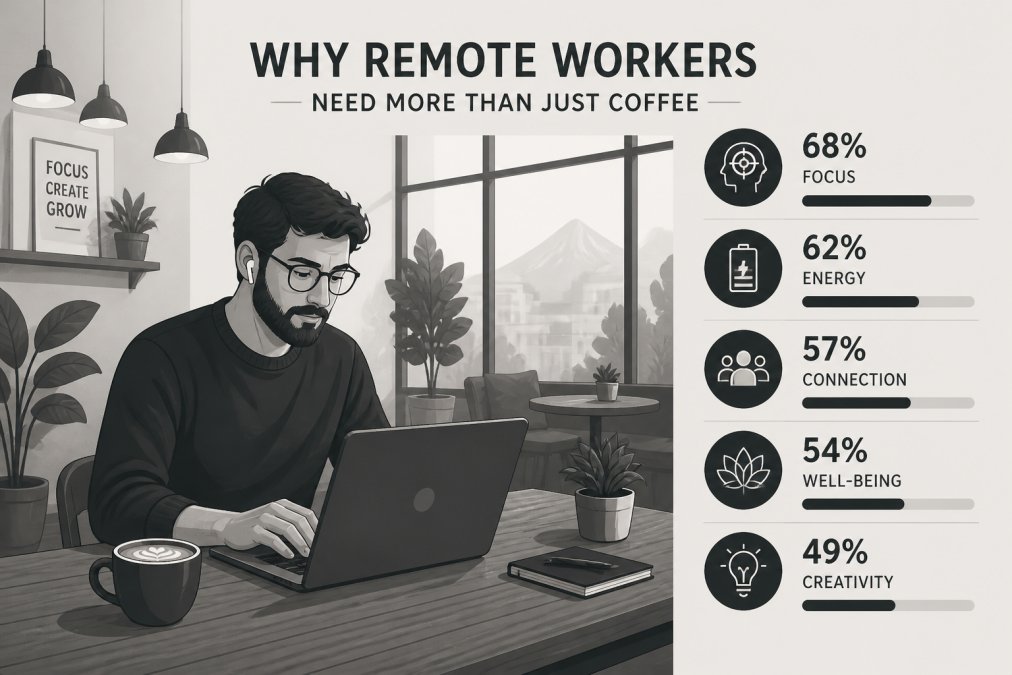
Remote work has fundamentally changed where people actually work. A coffee shop that serves decent espresso isn't enough anymore. Remote workers need a Mission Coffee Roasters alternative for remote work that combines reliable Wi-Fi, abundant power outlets, comfortable seating, and a workspace culture that welcomes all-day occupancy. The stakes are higher than they used to be: a flaky internet connection or a single power outlet can derail your entire workday.
Third Space Coffee understands this reality. We've designed our space specifically for the remote work community, not as an afterthought to a coffee business. The difference shows immediately when you walk in. You're not a customer who overstayed their welcome, you're the reason the space exists.
Most coffee shops operate on a grab-and-go model. Their infrastructure, seating, and atmosphere are optimized for a 15-minute transaction. Remote workers need something entirely different: a third space that functions like a lightweight office. This guide covers what separates a true remote work alternative from a place that merely tolerates laptops.
Third Space Coffee: Your Local Alternative for Remote Work
The best Mission Coffee Roasters alternative for remote work combines three non-negotiable elements: exceptional coffee, professional infrastructure, and a community-oriented atmosphere. Third Space Coffee delivers all three, which is why it's become the default choice for Colorado Springs remote workers who've tested the alternatives.
In-House Roasted Beans and Specialty Beverages
In-house roasting isn't a marketing gimmick, it's a competitive advantage that directly impacts your daily experience. When a coffee shop roasts its own beans, the coffee reaches your cup within days of roasting, not weeks. You taste the difference immediately. The flavor complexity, the crema, the finish, all of it reflects the skill of the roaster and the freshness of the product.
Third Space Coffee roasts daily, which means every cup you order reflects the current batch. This consistency matters when you're working for eight hours straight. You're not chasing the caffeine hit; you're appreciating the craft. Beyond coffee, we offer specialty beverages tailored to dietary preferences: vegan milk options, gluten-free pastries, and alternative brewing methods for those who care about how their drink is prepared.
Workspace Setup: Wi-Fi, Power Outlets, and Seating
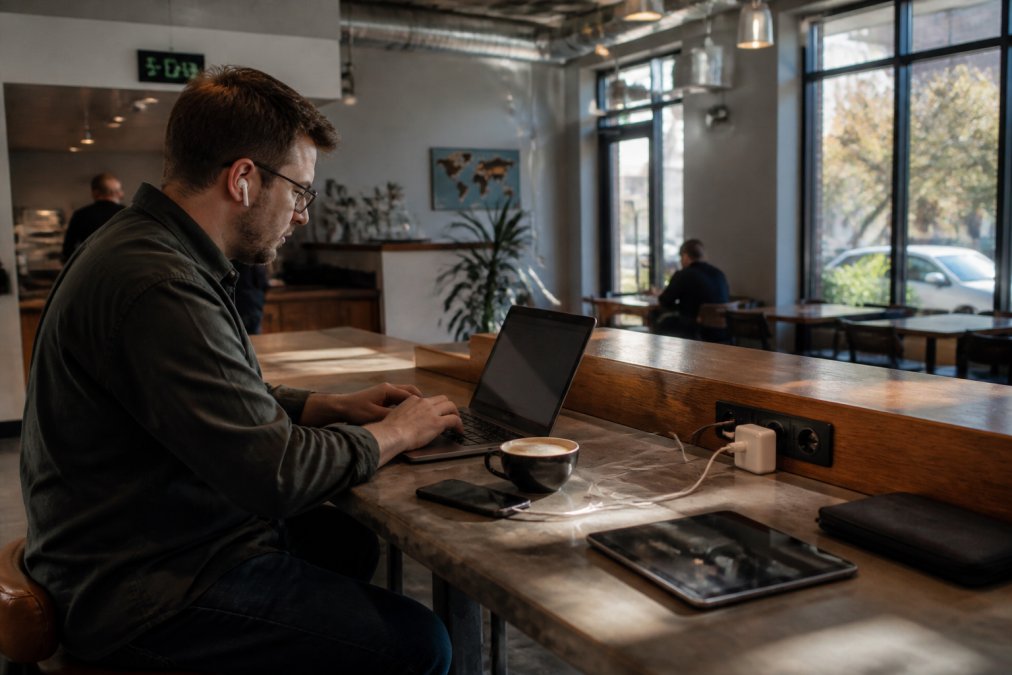
Infrastructure separates a coffee shop from a remote work venue. Third Space Coffee has invested in what most shops ignore: multiple dedicated power outlets per table, high-speed Wi-Fi, and seating designed for eight-hour workdays, not quick coffee breaks.
Outlet density is critical. Count the outlets at your current coffee shop. Most have one per table, shared between two or three seats. That forces compromise. Third Space Coffee has doubled this ratio, so you're never hunting for a charging spot or competing with another worker. Wi-Fi speeds matter equally. We maintain minimum 50 Mbps download speeds during peak hours, which handles video calls, file uploads, and real-time collaboration without stuttering.
Seating comfort directly impacts productivity. Standard coffee shop chairs are designed to discourage lingering. Ours are ergonomic, with proper lumbar support and armrests. After six hours, your back knows the difference.
Meeting Room Rental and Event Space
Beyond daily remote work, Third Space Coffee offers flexible meeting room rental for team gatherings, client presentations, and private events. This transforms the space into a true alternative to traditional conference room bookings. The rooms accommodate small teams and larger groups, making it practical for non-profit organizations, local business teams, and community groups in Colorado Springs.
Remote Work Etiquette in Coffee Shops
The best remote work alternatives survive because their customers understand the unwritten rules. You're sharing space with others, baristas, other workers, customers grabbing coffee. Respecting those boundaries keeps the environment functional for everyone.
Order something every few hours. This isn't a legal requirement, but it's the social contract. You're using electricity, Wi-Fi, and table space. Purchasing regularly acknowledges that exchange. Keep your workspace organized. Spread-out laptops, notebooks, and coffee cups create visual clutter that stresses other workers. Contain your work to one section of the table.
Noise discipline matters intensely. Speaker phone calls, loud videos, and keyboard clicking become exhausting in a shared space. Use headphones for everything. If you need to take a call, step outside or use a private meeting room. Respect the "focus environment" that others are trying to maintain.
Laptop placement shouldn't block sightlines or create barriers between you and the barista. Position your screen so you're not turning your back completely to the room. This small adjustment maintains the social fabric of the space. Finally, respect peak hours. If the shop is packed during lunch, consider working from home or arriving earlier. The goodwill you build by being considerate compounds over weeks and months.
Coffee Shops with Wi-Fi and Outlets: What to Look For
Not every coffee shop qualifies as a remote work alternative. Evaluating one requires looking beyond the aesthetic.
Internet Speed and Reliability
Wi-Fi speed is measurable. Ask the shop for their download and upload speeds during peak hours. Anything below 25 Mbps download is inadequate for video calls. Anything below 5 Mbps upload will make you invisible in Zoom meetings. Speed alone isn't sufficient, reliability matters equally. A shop with 100 Mbps that drops connection every 20 minutes is worse than one with 40 Mbps that stays stable.
Test the connection yourself before committing. Join a video call, upload a file, stream a meeting. See how the network handles real work, not just browsing. Ask about their backup internet. Single-provider shops are vulnerable to outages. Third Space Coffee maintains redundant connectivity, so a provider outage doesn't interrupt your workday.
Outlet Density and Charging Access
Count outlets, but also test them. Some shops have outlets that don't work, outlets hidden behind furniture, or outlets that shut off periodically. Walk the space and identify where you'd actually sit. How many outlets are within arm's reach? Can you charge your laptop and your phone simultaneously?
The best remote work alternatives have outlets at eye level or slightly below, not hidden behind tables or in inconvenient corners. Outlet placement reveals whether the space was designed for remote workers or retrofitted with them in mind. Third Space Coffee has integrated charging access throughout the space, treating it as essential infrastructure rather than an afterthought.
Noise Levels and Focus Environment
Ambient noise directly impacts focus. Coffee shops exist on a spectrum from quiet, focused environments to social hubs with background chum. Neither is wrong, they serve different purposes. For remote work, you need a space where you can concentrate without constant interruption.
Visit during peak hours, not slow times. Peak hours reveal the shop's true noise profile. Can you take a video call without shouting? Can you hear your own thoughts? Some shops manage noise through design: soft furnishings, acoustic panels, layout that separates the espresso bar from the seating area. Others just accept chaos.
The best remote work alternatives designate quiet zones, enforce speaker phone discipline, and manage music volume intentionally. Background music should enhance focus, not distract from it. Third Space Coffee maintains a focus-friendly atmosphere without feeling sterile or unwelcoming.
Coworking Spaces vs Coffee Shops for Remote Workers
The choice between a coworking space and a coffee shop alternative depends on your needs, budget, and work style.
Coworking spaces offer dedicated desks, professional meeting rooms, and community events. They're designed entirely around remote work. The downside: they cost more, they require membership, and they can feel corporate. You're paying for professional infrastructure you might not fully use.
Coffee shops offer flexibility, lower cost, and community. You're not locked into a membership. You can work from different shops depending on your mood or schedule. The trade-off: inconsistent infrastructure, limited meeting space, and the knowledge that you're a customer in someone else's business. A busy day or a new manager might make your daily spot less welcoming.
The hybrid approach works best for many remote workers: a coworking space membership for important meetings and focused work, plus a favorite coffee shop for daily work and casual collaboration. Third Space Coffee fits perfectly into this model. It's not trying to replace coworking spaces, it's offering a more flexible, community-oriented alternative for the majority of your workweek.
How to Evaluate a Remote Work Coffee Shop
Three specific metrics determine whether a coffee shop actually supports remote work.
Technical Infrastructure and Bandwidth
Beyond speed, evaluate the network architecture. Does the shop have a dedicated business-class internet connection, or are you sharing bandwidth with the POS system and streaming music? Business-class connections prioritize stability over raw speed. They include support and redundancy.
Ask about their service level agreement (SLA). Professional remote work spaces can tell you uptime guarantees. Third Space Coffee maintains 99.5% uptime, which translates to roughly 3.6 hours of downtime per month. That's acceptable. Anything below 99% means you're risking outages during critical work.
Bandwidth capacity matters for group work. If you're collaborating with a team in the shop, total available bandwidth must support multiple video streams simultaneously. A shop with 50 Mbps total bandwidth can't support four simultaneous Zoom calls at acceptable quality. Third Space Coffee has sized infrastructure for group collaboration, not just individual work.
Seating Comfort and Ergonomic Setup
Spend 30 minutes in a chair before committing to working there daily. Ergonomic seating prevents back pain, neck strain, and the fatigue that kills afternoon productivity. Look for chairs with lumbar support, armrests, and adjustable height. Tables should be at the right height for your laptop and keyboard, typically 28-30 inches high.
The best remote work alternatives offer variety: some high-top tables for standing work, some traditional seating, some lounge areas for phone calls. Variety reduces fatigue and accommodates different work styles. Monitor arm stands, keyboard trays, and monitor risers transform a casual coffee shop into a functional workspace. Third Space Coffee provides these ergonomic aids because we understand that comfort directly impacts work quality.
Peak Hour Congestion and Work-Friendly Hours
Visit during your intended work hours. If you plan to work 9 AM to 5 PM, experience the shop during lunch rush, mid-afternoon slump, and evening wind-down. Congestion patterns reveal whether the space can sustain your workday.
Some shops are packed 11 AM to 1 PM, then dead afterward. Others maintain steady occupancy throughout the day. Peak hour congestion affects Wi-Fi stability, noise levels, and seating availability. The best alternatives have staggered demand, they're busy without being chaotic.
Operating hours matter equally. A shop that closes at 5 PM doesn't work for evening workers. Third Space Coffee maintains extended hours that accommodate various work schedules, recognizing that remote workers don't operate on standard 9-to-5 time.
| Evaluation Factor | What to Measure | Why It Matters |
|---|---|---|
| Internet Speed | Download/upload during peak hours | Supports video calls and file transfers |
| Outlet Density | Number of outlets within arm's reach | Prevents device battery anxiety |
| Seating Ergonomics | Lumbar support, armrest quality, table height | Enables all-day comfort without pain |
| Noise Levels | Ambient sound during peak hours | Supports focus and concentration |
| Congestion Pattern | Occupancy variation throughout the day | Determines consistency and reliability |
| Operating Hours | Opening and closing times | Matches your actual work schedule |
Conclusion
The search for a Mission Coffee Roasters alternative for remote work ends when you find a space that treats remote workers as the primary audience, not an afterthought. Third Space Coffee was built for exactly this purpose: exceptional in-house roasted coffee, reliable Wi-Fi and power infrastructure, ergonomic seating, and a community atmosphere that welcomes all-day occupancy. Our meeting room rental options add professional flexibility for team gatherings and private events. Get started with Third Space Coffee and transform your remote work experience with a space designed specifically for your productivity needs.
Frequently Asked Questions
What makes a remote work coffee shop better than working from home?
A remote work coffee shop provides a structured environment that boosts productivity through ambient background noise, social presence, and a change of scenery. Unlike home, a coffee shop creates natural boundaries between work and personal space, reduces isolation, and offers built-in break opportunities. The specialty coffee and food options also eliminate meal-planning overhead, letting you focus on deep work without distractions.
How important is Wi-Fi and outlet density for remote work in coffee shops?
Critical. Reliable high-speed internet and abundant power outlets are non-negotiable for remote work. Test the bandwidth during peak hours to ensure video calls and large file uploads work smoothly. Outlet density matters because laptop batteries drain quickly, and you'll need charging access throughout your workday. Look for shops with outlets at tables, not just near walls, and confirm they're functional before settling in for long sessions.
Is it acceptable to work remotely in a coffee shop for several hours?
Yes, if you follow remote work etiquette in coffee shops. Purchase a drink or food item regularly, avoid loud phone calls or video meetings, keep your workspace compact, and be aware of peak hours when seating is limited. Most work-friendly coffee shops expect remote workers to stay 2-4 hours. If staying longer, consider a meeting room rental or coworking space to free up seating for paying customers who want to enjoy their coffee without a laptop present.
How do coworking spaces compare to coffee shops for remote workers?
Coworking spaces offer dedicated infrastructure, private meeting rooms, professional networking, and 24/7 access, but cost significantly more and lack the casual atmosphere and specialty coffee. Coffee shops provide affordability, ambiance, and community connection, but may have unreliable Wi-Fi, limited seating, and noise distractions. Choose coworking spaces if you need frequent video calls, private meetings, or a professional business address. Choose coffee shops for occasional work sessions, social interaction, and lower overhead.
This article was written using GrandRanker