
TL;DR:
- Proper coffee and food pairing enhances flavor and balances bitterness through science and creativity.
- Contrasting flavors, such as sweet with bitter coffee, generally create more harmonious pairings.
- Local Colorado Springs ingredients and experimentation help craft personalized and memorable coffee experiences.
Choosing the right food to go with your coffee might feel like a small detail, but it changes everything about the experience. The wrong match can flatten a beautiful pour-over or make a rich espresso taste harsh. The right one unlocks layers of flavor you never noticed before. Whether you're visiting a local café in Colorado Springs, planning a tasting event, or just experimenting at home on a Sunday morning, knowing how to pair coffee and food is a skill worth developing. This guide walks you through the science, the creativity, and the local inspiration behind pairings that truly work.
Table of Contents
- How to choose the right coffee pairing
- Top 5 classic and creative coffee pairings
- Comparison: Matching vs. contrasting flavors
- Coffee pairing for special occasions and tasting events
- Our take: Why experimentation is the heart of coffee pairing
- Discover and pair at Third Space Coffee
- Frequently asked questions
Key Takeaways
| Point | Details |
|---|---|
| Pairing principles | Start with balance or contrast between coffee and food for optimal flavor complexity. |
| Local inspiration | Use regional specialties—like Colorado cheese bread and wild berry pastries—for unique café experiences. |
| Event ready | SCA-researched clusters help create successful coffee pairing menus for tastings or gatherings. |
| Classic meets creative | Blend time-tested combos with bold, local picks to expand your pairing repertoire. |
How to choose the right coffee pairing
Every great pairing starts with understanding what's already in your cup. Coffee has three core sensory pillars: aroma, acidity, and body. Aroma includes the floral, fruity, or nutty notes you smell before your first sip. Acidity is that bright, lively quality in light and medium roasts. Body refers to how thick or light the coffee feels on your tongue. Once you know your coffee's character, you have a map for what to serve alongside it.
The research backing this up is more serious than most people expect. A study published by the Specialty Coffee Association surveyed over 300 participants to find which foods people naturally associate with coffee. The top results were cheese bread at 45%, cake at 37%, and plain bread at 32%. These clustered into three main food groups: sweet and starchy, savory and starchy, and cheese-based. A separate AI-assisted analysis of 118 participants confirmed that the biggest drivers of pairing satisfaction were balanced acidity, optimal flavor intensity, and perceived sweetness.
What that tells us is simple: most people reach for something starchy or sweet because it creates a pleasant contrast to coffee's natural bitterness. But understanding the science gives you room to go further.
Here's a quick overview of how the three core factors interact with food:
| Coffee trait | Effect on pairing | Best food match |
|---|---|---|
| High acidity | Brightens the palate | Creamy or sweet foods |
| Full body | Feels rich and coating | Savory or salty snacks |
| Floral aroma | Delicate and layered | Fruit-based pastries |
| Low acidity | Smooth and mellow | Cheese or dense breads |
For local Colorado Springs enthusiasts, seasonal ingredients add a fun dimension. Think ponderosa honey from the foothills, locally milled flours, or roasted Pueblo chiles for savory pairings with dark roast. Getting familiar with different blends and profiles before you start pairing will also save you a lot of guesswork.
- Start with the coffee's dominant trait (fruity, nutty, chocolatey)
- Choose food that either echoes or gently contrasts that trait
- Avoid pairing very bitter coffee with very acidic foods
- Use texture as a guide: creamy foods soften sharp coffees
Pro Tip: Before picking your food, sip the coffee plain and ask yourself: is the first thing I notice sweetness, brightness, or earthiness? That one answer guides your whole pairing choice. You can also use a solid tasting guide to sharpen your palate before you begin.
Top 5 classic and creative coffee pairings
With the selection framework in mind, let's explore a range of evidence-based and locally inspired coffee-food matches.
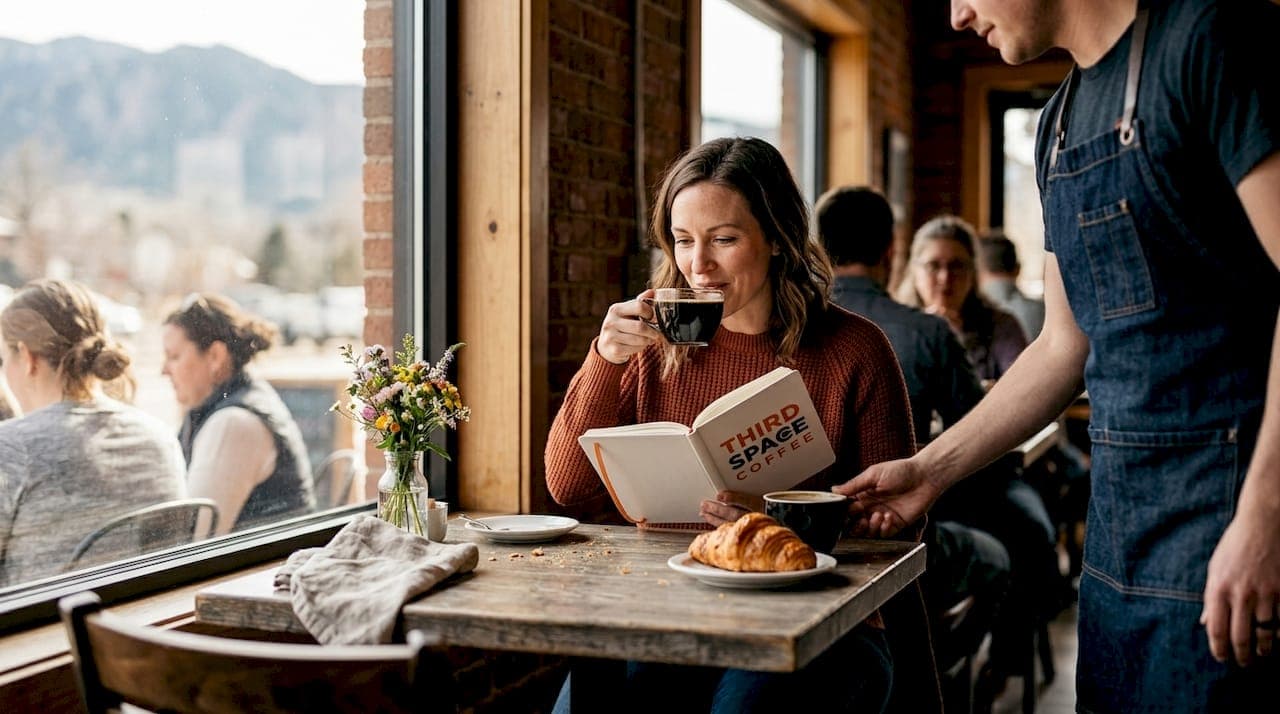
1. Espresso and buttery croissant. A classic for a reason. The fat in the croissant coats the tongue and softens the espresso's intense bitterness, making both taste more balanced. This works because contrast, not similarity, is doing the heavy lifting.
2. Dark roast and rich chocolate. Dark roast coffees share roasted, slightly bitter notes with quality dark chocolate. When both lean into that same flavor space, the result is deep and satisfying. Look for chocolate with 70% cacao or higher for the best effect.
3. Medium roast with Colorado cheese bread. Inspired directly by the SCA pairing research, this combination works because the bread's mild starchiness and slight saltiness balance a medium roast's brightness without fighting it.
4. Pour-over with local berry tart. Light roast pour-overs often carry berry or stone fruit notes. Pairing them with a local berry tart doubles down on those flavors in the best way. Colorado berry seasons make this a real summer highlight.
5. Cold brew with a Pikes Peak-inspired breakfast. A hearty breakfast plate with eggs and roasted potatoes pairs surprisingly well with cold brew's lower acidity and mellow sweetness. The savory, earthy qualities of the food let the coffee shine without competing.
Local cafés take these ideas seriously. According to Colorado Springs' local guide, spots like Loyal Coffee and Switchback Coffee Roasters are already known for pairing their in-house roasts and single-origin pour-overs with quality pastries. Exploring these ideas also connects you to a bigger movement around supporting local coffee roasters in Colorado Springs.
"The best pairing isn't always the most obvious one. Sometimes a coffee that tastes earthy and dark surprises you completely when you eat it alongside something sweet and floral."
Pro Tip: When café hopping, ask the barista what food they personally pair with the featured roast. Staff at specialty cafés often experiment on their breaks and have genuinely good suggestions that never make it onto the menu. Learning what defines a coffee enthusiast can also help you frame the conversation.
Comparison: Matching vs. contrasting flavors
You've seen some pairing options, but should you focus on finding similar flavors or seek contrast? Here's how to choose your strategy.
The matching approach says: if your coffee has hazelnut notes, pair it with a hazelnut pastry. The logic is that shared flavor compounds reinforce each other and create a sense of unity on the palate. It feels familiar and harmonious.
The contrasting approach says: pair your bitter, roasted dark coffee with something sweet and creamy to create balance. The gap between the two creates tension that makes each element more interesting. Think of it like the role salt plays in a dessert.
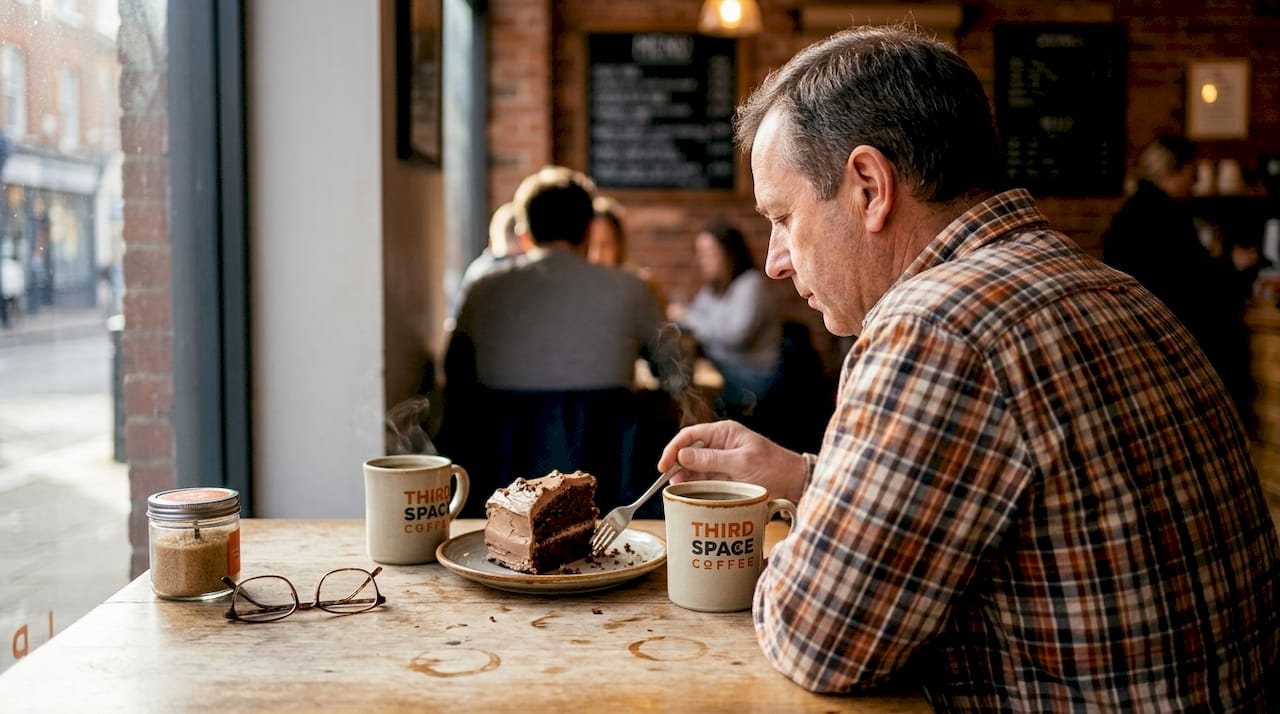
Research on the topic leans toward contrast. A coffee-chocolate pairing study found that complementary notes were preferred over matching ones for creating harmony, and that pushing similar bitter notes together tended to amplify the bitterness in an unpleasant way. Matching can backfire if both elements share a sharp quality.
Here's a side-by-side comparison to help you decide:
| Strategy | Best for | Risk | Example |
|---|---|---|---|
| Matching | Subtle, layered coffees | Can over-emphasize one note | Nutty coffee + hazelnut biscotti |
| Contrasting | Bold or bitter coffees | Can feel like a mismatch | Dark roast + honey cake |
| Complementary | Most casual pairings | Safest overall choice | Medium roast + plain croissant |
How to try both strategies at home:
- Pick one coffee you know well and enjoy plain.
- Try it with a food that shares a dominant note (matching).
- Note whether the pairing feels richer or flat.
- Try the same coffee with something sweet or creamy (contrasting).
- Compare your experience and decide which approach you prefer.
Understanding origins and specialty brews will deepen your ability to identify those dominant notes before you start experimenting. You can also shop specialty coffees to find a variety of profiles to test with.
Coffee pairing for special occasions and tasting events
After deciding your pairing style, let's make it practical for special occasions or group experiences.
Hosting a coffee tasting event is genuinely one of the most fun things you can do as a coffee enthusiast in Colorado Springs. The key is using the same clustering system the SCA research describes to build your menu. Group your offerings into three stations: sweet and starchy (cakes, pastries, sweet breads), savory and starchy (artisan crackers, Colorado cheese bread, grain-based bites), and cheese-based (local aged cheeses, cream cheese spreads).
The data shows that sweet/starchy options work particularly well alongside medium roasts, making them a reliable centerpiece for any tasting table. Medium roasts tend to have the broadest appeal and the most versatile flavor profile for groups.
Here's a practical pairing menu for a tasting event:
- Station 1 (light roast): Berry tarts, lemon shortbread, fruity jam on sourdough
- Station 2 (medium roast): Honey cake, cheese bread, almond biscotti
- Station 3 (dark roast): Dark chocolate bark, aged cheddar, salted caramel brownie
For non-coffee drinkers, keep the theme consistent. Herbal teas work well at the light roast station, while rooibos or chai complements the dark roast station's flavors. This keeps everyone at the table engaged without disrupting the overall experience.
Tasting flow matters too. Move from lightest to darkest roast so stronger flavors don't numb the palate early. Cleanse between stations with plain water or a neutral cracker. If you need a structured reference for your guests, a printed tasting guide is a great takeaway item that doubles as a conversation starter.
Note on milk-based coffees: The same SCA research found that milk-based drinks like lattes tend to pair less effectively with foods because the milk already softens and fills the flavor profile. When hosting events, serve black or minimally modified coffees for the best pairing impact.
Our take: Why experimentation is the heart of coffee pairing
Here's the honest truth that a lot of pairing guides won't tell you: the rules are suggestions, not requirements. We've seen guests at Third Space Coffee pair a dark roast with a citrus pastry and love it, even though most frameworks would call that a mismatch. Flavor preference is personal, and no study can fully predict what you'll enjoy.
Colorado Springs gives us an incredible local playground. We have access to mountain-foothills produce, Colorado cheeses, and regional baked goods that don't follow anyone else's pairing manual. That's actually an advantage. When you pair something unfamiliar with a coffee you trust, you learn more about both in one sip than you would reading an entire guide.
The readers who get the most out of coffee pairing are the ones who stay curious and drop the pressure to get it right on the first try. Getting fluent with industry terms every coffee enthusiast should know helps you describe what you're tasting, which makes the experimentation sharper and more rewarding over time.
Discover and pair at Third Space Coffee
If you're ready to put these ideas into practice, Third Space Coffee in Colorado Springs is the perfect place to start. We roast our beans in-house and keep a rotating selection that gives you fresh profiles to experiment with every visit.

Browse our whole bean coffee selection to bring a new profile home for your next pairing session, or stop in and try one of our specialty coffee drinks crafted by baristas who care about every detail. Check out our local café menu for food options that pair beautifully with what's in the cup. We also host events, so if you want to run a guided tasting for your group, we can make that happen.
Frequently asked questions
What are the best foods to pair with coffee?
Sweet and starchy baked goods consistently rank highest, with cheese bread at 45%, cake at 37%, and plain bread at 32% in a large-scale study of consumer preferences.
Should I match flavors or contrast them in coffee pairings?
Complementary contrasts tend to create better harmony, since matching bitter notes can amplify harshness rather than balance it.
Where can I try unique coffee pairings in Colorado Springs?
Cafés like Loyal Coffee and Switchback Coffee Roasters are known for quality pairings, and local roaster guides highlight them as top spots for pairing single-origin roasts with pastries and regional bites.
How should I plan a coffee pairing menu for an event?
Build three food stations around the SCA-inspired clusters, sweet/starchy, savory/starchy, and cheese-based, then match each station to a light, medium, or dark roast for a clear tasting arc.