
TL;DR:
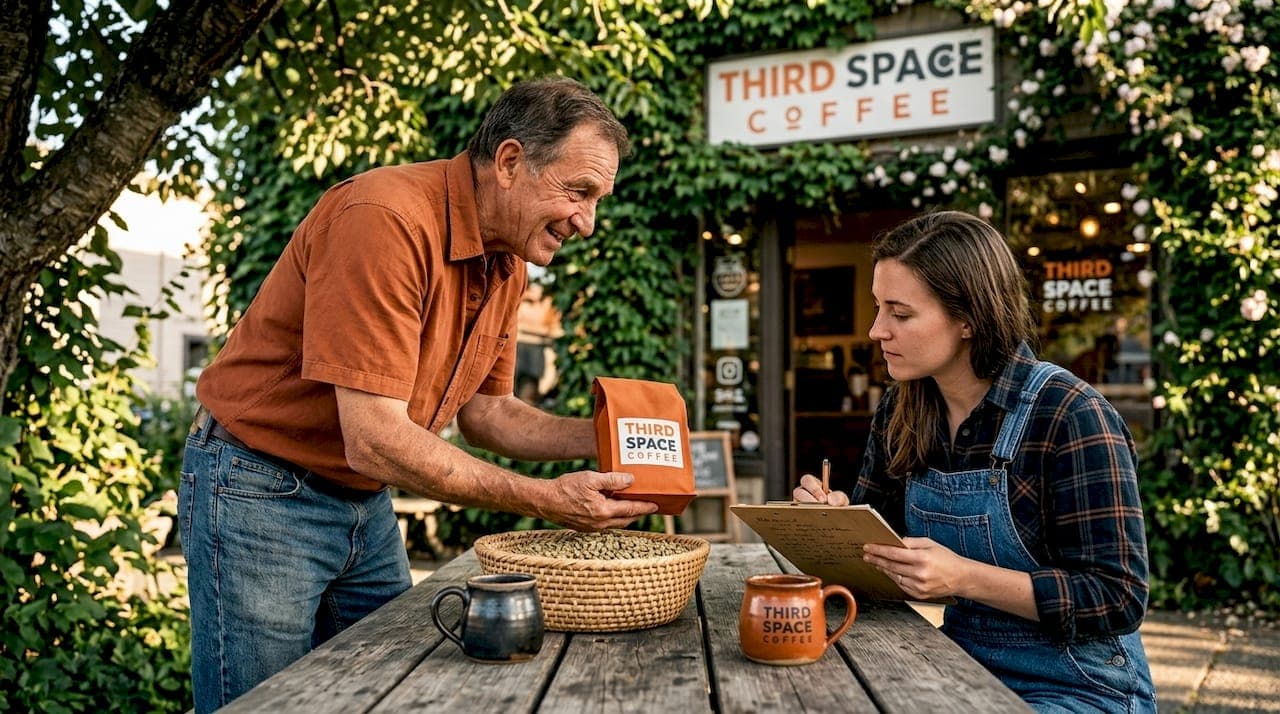
- Most coffee drinkers are unaware of the direct connection between their cup and the farmers through local sourcing practices. Such sourcing shortens supply chains, enhances transparency, improves quality, and benefits communities by ensuring fair wages and sustainable farming. The industry is shifting toward more farm-direct, traceable, and ethical sourcing, which consumers and cafes can support by asking questions and prioritizing transparency.
Most coffee drinkers have no idea where their morning cup actually comes from. They know it's "single origin" or "fair trade" because the bag says so, but the mechanics behind what is local coffee sourcing remain a mystery to most consumers. That gap matters more than you might think. Local coffee sourcing connects your cup directly to farmers, roasters, and communities through shorter, more transparent supply chains. Understanding how it works, and why it's different from conventional global sourcing, gives you real power to make coffee choices that reflect your values around sustainability, quality, and community impact.
Table of Contents
- Key takeaways
- What local coffee sourcing actually means
- Environmental and community benefits of choosing local
- Local sourcing vs. global sourcing: a real comparison
- How you and your local café can practice local sourcing
- The future of local coffee sourcing
- My honest take on local sourcing after years in specialty coffee
- Experience local sourcing at Thirdspacecoffee
- FAQ
Key takeaways
| Point | Details |
|---|---|
| Local sourcing means shorter chains | Coffee moves from farm to roaster to cup with fewer middlemen, increasing transparency. |
| Environmental benefits are real | Shorter supply chains reduce transport emissions and support sustainable farming practices. |
| Quality often improves | Local roasters control freshness and flavor through direct relationships with producers. |
| Consumers drive change | Your purchasing decisions signal demand for ethical, traceable coffee to the entire industry. |
| Certifications matter but aren't everything | Direct trade relationships often go further than standard fair-trade labels in protecting farmers. |
What local coffee sourcing actually means
Local coffee sourcing is the practice of obtaining coffee beans through supply chains that prioritize proximity, directness, and transparency over the cheapest or most convenient global routes. Instead of routing beans through multiple commodity brokers, international distributors, and anonymous warehouses, local sourcing shortens the path from farm to roaster to your cup.
In practice, this plays out in a few distinct ways:
- Direct trade: A roaster buys directly from a specific farm or cooperative, often traveling to that farm to assess quality and negotiate terms face to face.
- Regional buying: A roaster prioritizes farms within a particular growing region, building ongoing relationships with producers rather than purchasing on commodity markets.
- Local roasting: Beans are roasted on site or within the same city or region where they're sold, preserving freshness and allowing quality control at every stage.
- Traceability: Consumers can learn exactly which farm, harvest, and processing method produced their coffee. Understanding coffee origins and processing is a core part of what makes locally sourced coffee distinct.
Local sourcing also involves the relationships between all the players in the chain. Farmers know who they're selling to. Roasters know the conditions under which beans are grown. Cafes can tell their customers a real story about what's in the cup. That story is what separates local sourcing from the opaque, commodity-driven system that still dominates most global coffee trade.
It's worth noting that "local" doesn't always mean geographically close in the way you'd define a neighborhood bakery. Coffee doesn't grow in Colorado. But a Colorado Springs roaster who buys directly from a family farm in Colombia, knows the farmer's name, pays above market rates, and roasts the beans in house? That's local coffee sourcing in every meaningful sense.
Environmental and community benefits of choosing local
The case for sourcing coffee locally goes well beyond flavor. The environmental and social benefits are concrete, documented, and growing.
On the environmental side, shorter supply chains reduce the number of transport legs between farm and cup. Local roasters often use environmentally friendly packaging and enable a reduced environmental footprint through those shorter chains. Less shipping means fewer emissions. Many local and direct-trade roasters also partner with farms that practice organic or shade-grown cultivation, which protects biodiversity and soil health in ways that industrial farming does not.
The community benefits are just as significant. When a roaster pays a farmer directly, more of the purchase price reaches the people who actually grew the coffee.
"Direct trade relationships ensure fair wages and better living conditions, enabling sustainable farming practices at the source level."
That matters enormously in coffee-growing communities where poverty and economic instability are common. Direct trade with farmers guarantees fair wages and supports long-term sustainable farming. At the consumer end, buying locally sourced coffee keeps more money circulating in your regional economy, supporting roasters, cafes, and their employees.
There's also a social equity dimension worth taking seriously. Only 25% of coffee farms globally are owned by women, a gap that many ethical sourcing initiatives are now specifically addressing. Programs like women-led sourcing projects demonstrate how local and direct sourcing can align quality coffee with genuine social progress.
Local sourcing vs. global sourcing: a real comparison
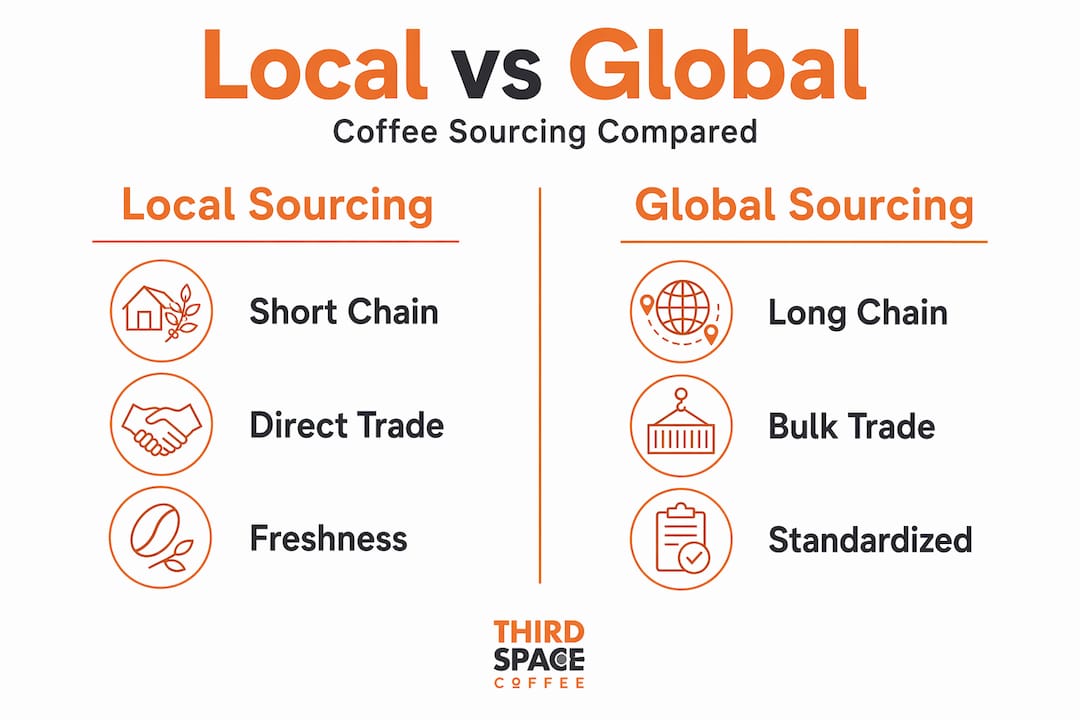
Understanding the advantages of local coffee shops and roasters means seeing clearly how local and global sourcing differ across multiple dimensions.
| Factor | Local or direct sourcing | Traditional global sourcing |
|---|---|---|
| Supply chain length | Short. Often 2 to 3 steps from farm to cup. | Long. Often 6 or more intermediaries. |
| Price transparency | High. Farmers know and negotiate final prices. | Low. Commodity pricing disconnects farmers from retail value. |
| Freshness | High. Beans are roasted closer to sale date. | Variable. Long transit times affect freshness. |
| Traceability | High. Origin, harvest, and process are documented. | Low. Blending and bulk purchasing obscure origins. |
| Environmental impact | Lower. Shorter transport, smaller-batch roasting. | Higher. Long shipping routes, industrial processing. |
| Farmer income | Higher. Direct payments bypass extractive middlemen. | Lower on average. Commodity prices often fall below cost of production. |
The tradeoff most people assume exists, that local sourcing means paying a lot more for marginal quality gains, is not accurate. Local roasters focusing on on-site roasting earn 4.7-star ratings across 500+ reviews by delivering exceptional quality that mass-market brands can't replicate. The quality difference is real and measurable. Specialty coffee scores at least 80 points on a 100-point professional scale, a standard that locally sourced and direct-trade beans consistently meet or exceed.
Pro Tip: When comparing local versus global brands at a coffee shop, ask the barista for the roast date. Locally sourced coffee from an on-site roaster is almost always within two to four weeks of roasting. Mass-market bags are often three to twelve months old by the time they reach the shelf.
How you and your local café can practice local sourcing
Applying local coffee sourcing principles doesn't require you to become a supply chain expert. A few deliberate habits make a significant difference.
Here's how to get started as a consumer:
- Ask where the coffee comes from. A shop that sources locally will know the answer. If the barista can name the farm or cooperative, you're in the right place.
- Look for roast dates, not just "best by" dates. Freshly roasted coffee, typically within 30 days, is a strong indicator of local roasting practices.
- Check for origin transparency. Specialty coffee origin information including roast dates and processing details helps you assess quality and sourcing ethics before you buy.
- Support local roasters directly. Buying whole beans from your city's roaster keeps money local and often gets you fresher coffee than any national brand. You can find practical guidance on supporting Colorado Springs roasters to make this even easier.
- Pay attention to certifications, but don't stop there. Fair-trade and Rainforest Alliance labels are good signals. Direct trade often goes further, but it doesn't always carry a formal label. Ask questions.
For cafes and coffee shops, the local sourcing process looks different but follows the same logic. Prioritize vendors who can provide full traceability documentation. Build ongoing relationships with specific roasters rather than ordering from whoever offers the lowest price that week. Communicate sourcing stories to your customers. Transparency builds loyalty.
One challenge worth acknowledging: truly local sourcing costs more and requires more effort than commodity buying. Not every coffee shop has the margin or the infrastructure to make it work completely. But partial adoption still matters. Replacing even one commodity product with a direct-trade alternative sends a real market signal.
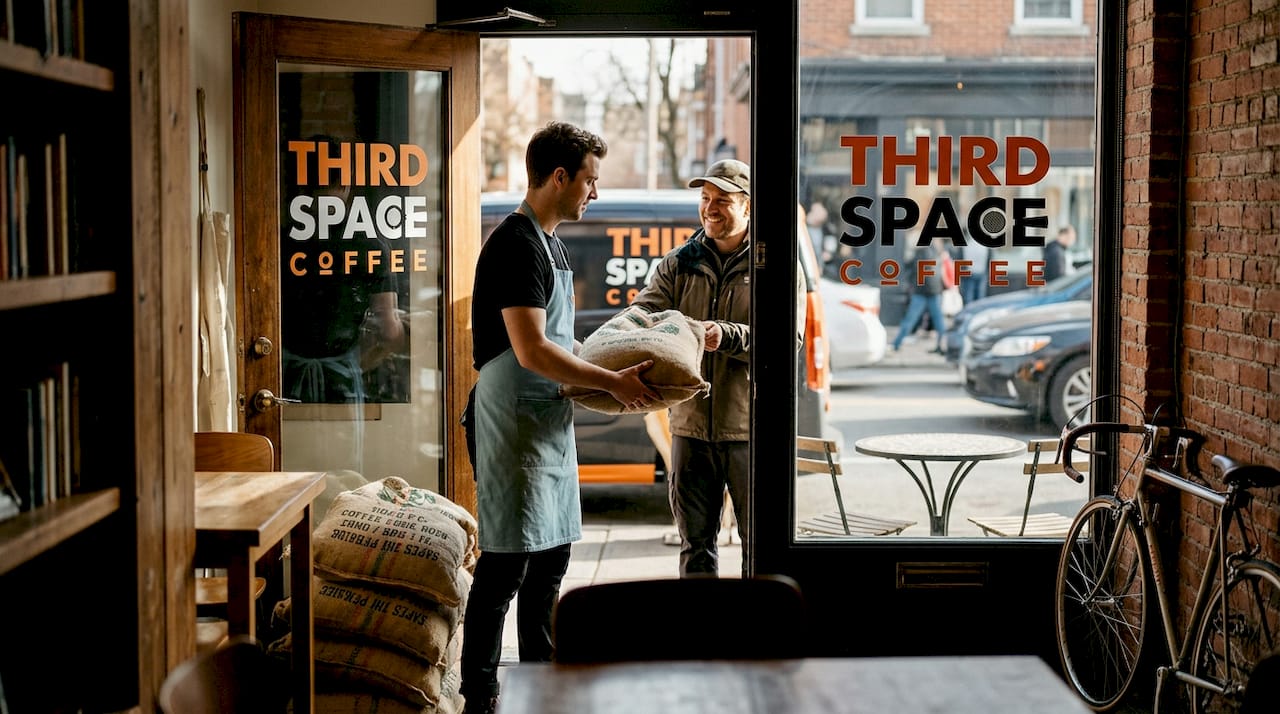
Pro Tip: If you run a café and want to move toward local sourcing, start with your most popular espresso blend. Switching one high-volume product to a direct-trade option creates impact and gives you a concrete story to share with customers without overhauling your entire menu.
The future of local coffee sourcing
The movement toward local and direct sourcing is accelerating, driven by consumer awareness and technology that makes transparency easier than ever.
- Specialty coffee consumption now claims 55% of American coffee drinkers who want traceable, direct relationships with farms. That's a majority, not a niche.
- Roasters are increasingly committing to farm-direct sourcing timelines. Efforts to convert to 100% farm-direct coffee by 2028 represent a growing industry trend toward eliminating intermediaries entirely.
- Social equity sourcing is gaining traction, with programs targeting women-led and cooperative farms to address longstanding inequality in coffee ownership and income.
- QR codes and digital traceability tools now let consumers scan a bag and see photos of the farm, processing notes, and farmer profiles in seconds.
The direction is clear. The coffee industry is moving toward shorter chains, better relationships, and more honest storytelling. Local sourcing isn't a boutique trend. It's the future standard.
My honest take on local sourcing after years in specialty coffee
I've spent years watching people walk past locally roasted, traceable coffee to grab a nationally branded bag because it's familiar. And I understand the impulse. Familiarity is comfortable. But what I've learned is that local sourcing doesn't just produce better coffee. It produces a completely different relationship with what you're drinking.
When I know a roaster personally, when I've talked to them about a specific Ethiopian farm they've been working with for three years, the cup tastes different. Not because my taste buds changed. Because the story is real. That's not sentimentality. It's the natural result of knowing your supply chain.
What I find frustrating is how often "ethical sourcing" gets reduced to a label slapped on packaging. Certifications matter, but they can be gamed. The real test is whether the people who grew your coffee are living better because of the relationship. That takes conversation, not just a certification fee.
My honest advice: find one local roaster you trust. Ask hard questions about where their beans come from and how they pay farmers. The willingness to answer clearly tells you everything.
— Tanya
Experience local sourcing at Thirdspacecoffee

At Thirdspacecoffee in Colorado Springs, local coffee sourcing isn't a marketing claim. It's the practice behind every cup. Their specialty drinks menu reflects direct relationships with producers and in-house roasting that keeps beans fresh and flavors honest. If you prefer brewing at home, their whole bean selections give you access to ethically sourced, freshly roasted coffee with full origin transparency. Thirdspacecoffee also explains why specialty cafés thrive through community, quality, and genuine sourcing values. Stop in, ask your barista where the beans are from, and see exactly what local sourcing looks like in your cup.
FAQ
What is local coffee sourcing in simple terms?
Local coffee sourcing is the practice of buying coffee through shorter, more direct supply chains that connect roasters and cafes to specific farms or cooperatives, often emphasizing transparency, freshness, and ethical payment to farmers.
Why choose local coffee over big-brand options?
Local coffee typically offers greater freshness, traceable origins, and stronger ethical standards, including fair pay to farmers. Local roasters with on-site roasting consistently earn top consumer ratings by delivering quality that mass-market brands struggle to match.
How do I know if a coffee shop sources locally?
Ask the barista for the roast date and the origin of the beans. A shop committed to local sourcing will know both answers and can often tell you the name of the specific farm or cooperative the beans came from.
Does local coffee sourcing cost more?
Yes, locally sourced and direct-trade coffee typically costs more than commodity alternatives because farmers receive fair wages and roasters invest in quality control. The price difference reflects real value delivered to producers and, ultimately, to your cup.
What role do certifications play in local sourcing?
Certifications like fair-trade and Rainforest Alliance provide baseline standards, but direct trade relationships often deliver higher ethical standards than labels alone. Look for roasters who combine certifications with genuine producer relationships and transparent sourcing stories.