
TL;DR:
- Specialty cafés succeed by creating welcoming third places that encourage people to stay, connect, and return regularly.
- Their flexible layouts, quality standards, and community-focused design foster loyalty, adaptability, and social engagement.
Most people assume a great coffee shop succeeds because it makes a fast, good cup of coffee. That's only part of the story. The cafés that build real staying power in a community are doing something much bigger: they're creating a space people genuinely want to spend time in, return to regularly, and bring others to. Specialty cafés are thriving not just as coffee retailers but as social anchors. Understanding why means looking at their third-place value, quality-driven identity, and smart operational thinking together.
Table of Contents
- The third place advantage: Why space and flexibility matter
- Rising demand: What makes specialty coffee a destination
- Quality as a shared language: Education, loyalty, and distinctiveness
- Resilience and loyalty: How specialty cafés survive market volatility
- What most people miss: The hidden community engine of specialty cafés
- Discover specialty coffee and event experiences at Third Space Coffee
- Frequently asked questions
Key Takeaways
| Point | Details |
|---|---|
| Third-place power | Specialty cafés thrive by offering flexible, comfortable spaces where people gather, linger, and connect. |
| High demand fuels success | Out-of-home specialty coffee is increasingly popular, making these cafés community event hotspots. |
| Quality builds loyalty | Transparent sourcing, education, and consistent quality standards turn one-time guests into regulars. |
| Resilient tactics pay off | Smart menu structuring and price clarity help specialty cafés adapt and retain their audience. |
The third place advantage: Why space and flexibility matter
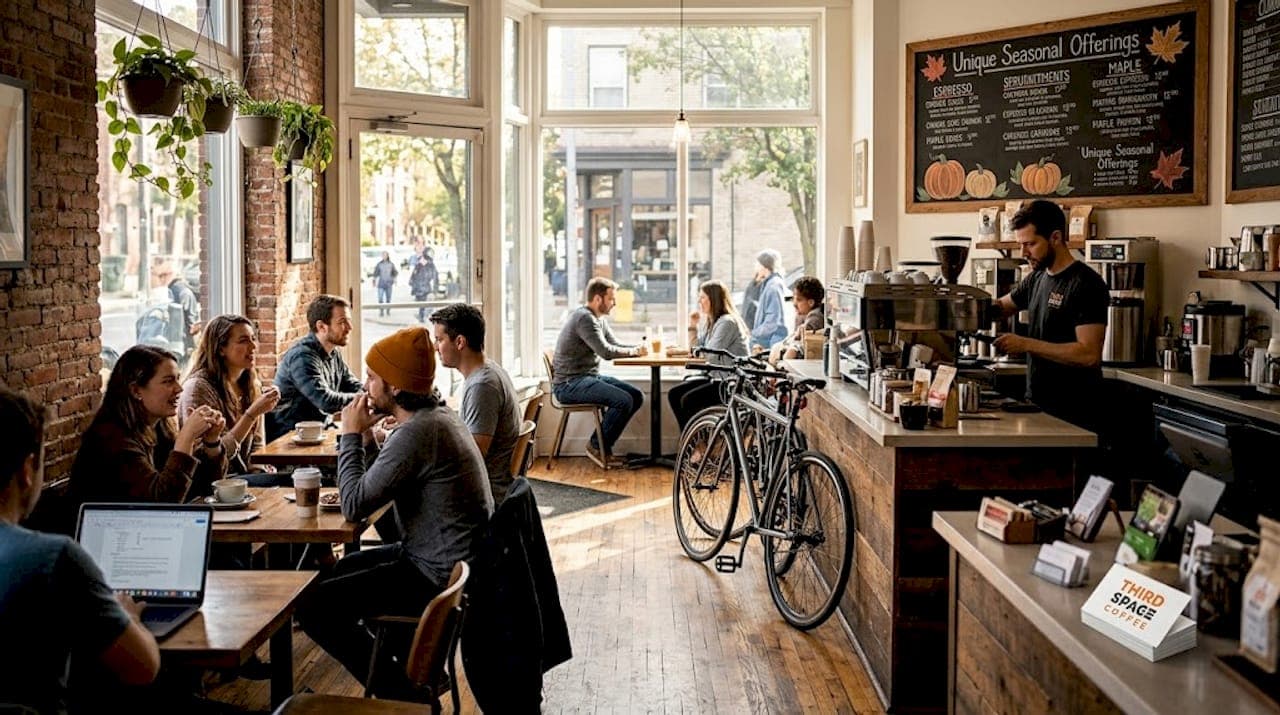
A "third place" is a concept from urban sociology describing the places we spend time that aren't home (first place) or work (second place). Think of neighborhood bars, public libraries, or well-loved local diners. Specialty cafés have stepped into this role powerfully in recent years, and the reason matters to anyone who loves coffee or organizes community events.
When a café is designed to be a third place, it invites people to stay, not just grab and go. Comfortable seating, natural light, relaxed acoustics, and table arrangements that support both solo work and group conversation all send a signal: you belong here. That feeling of belonging is what drives repeat visits far more reliably than any loyalty card ever could.
For community organizers, third-place cafés are especially valuable. They offer something few venues do: built-in atmosphere combined with adaptable zones that can shift from a casual catch-up to a team meeting to a workshop, sometimes all in the same day. Specialty cafés designed as third places feature flexible seating and purposeful activity zones that naturally increase the number and quality of gatherings hosted each week.
Key elements that make a café function well as a third place:
- Flexible seating configurations that support both groups and individuals without feeling crowded
- Acoustic design that allows conversation without overwhelming noise
- Accessible power and WiFi so people can stay productive or creative
- Natural meeting zones that give organizers a designated area without requiring a formal rental every time
- Welcoming staff culture that makes newcomers feel at ease from the first visit
Thoughtful community-focused decor ideas make a real operational difference. A café that invests in its environment is not spending on aesthetics alone; it's investing in the reason people come back.
"The cafés that are growing aren't the ones rushing people out. They're the ones making it genuinely comfortable to stay, connect, and return." This shift toward intentional, flexible café design is redefining what a neighborhood gathering spot can be.
Pro Tip: If you're an organizer evaluating a café for an event, look at how the furniture moves. A café where tables and chairs can be rearranged in minutes is far more useful than one with fixed seating. The ability to configure the room is a sign of a space that was designed with community in mind, not just foot traffic. Understanding what good ambience for gathering spots looks like will help you choose a venue that actually works. Many of the best coffee shops for events already think this way.
Rising demand: What makes specialty coffee a destination
Once we see the value of flexible, social spaces, it's clear that demand for specialty coffee and where people want to drink it matters just as much.
The numbers tell a compelling story. According to the 2025 National Coffee Data Trends Report, 66% of Americans drank coffee in the past day, and 64% of adults aged 25 to 39 drank specialty coffee in the past week. Out-of-home specialty coffee consumption actually surpasses traditional coffee in the same category. That's not a niche trend. That's a mainstream shift in how a major demographic relates to coffee.
64% of adults aged 25 to 39 drank specialty coffee in the past week. This is the same demographic most likely to organize community events, bring colleagues to a café for a meeting, or seek out spaces that reflect their values and lifestyle.
Here's a quick look at the data comparison:
| Category | Specialty coffee | Traditional coffee |
|---|---|---|
| Past-week drinkers (25 to 39 age group) | 64% | Lower percentage in same group |
| Preferred consumption setting | Out-of-home (café) | At-home brewing |
| Growth trend (2024 to 2025) | Rising | Flat or declining |
| Connection to social occasions | High | Moderate |
The takeaway is clear: specialty coffee drinkers actively choose cafés as their consumption environment. They're not just buying a product; they're buying an experience, a setting, and often a community.
For event organizers, this creates a genuinely useful opportunity. When you host a gathering at a specialty café, you're meeting your audience where they already want to be. You're not asking people to show up somewhere unfamiliar. You're inviting them to a place they likely already love. Look at 2026 coffee trends to see how this behavior continues to shape what Colorado Springs coffee lovers want.
Here's how demand data should inform your event programming decisions:
- Schedule around peak specialty hours. Late morning and early afternoon are prime specialty coffee times. Events that align with these windows get better turnout.
- Use the café's drink menu as part of the experience. A tasting flight or curated beverage selection turns a standard meeting into a memorable event.
- Leverage out-of-home preference. Since specialty drinkers already prefer cafés, you're working with natural behavior, not against it.
- Target the 25 to 39 demographic directly. If your event appeals to young professionals or community leaders, a specialty café is your ideal venue match.
- Promote the setting as part of the invite. Saying "join us at a local specialty café" carries more draw than a generic location announcement.
Understanding why coffee shops for community events outperform other venues comes down to this data-backed reality: your attendees already want to be there.
Quality as a shared language: Education, loyalty, and distinctiveness
A lively café atmosphere goes hand in hand with what's in the cup. Quality isn't just a selling point; it's a shared standard that builds understanding between the people making the coffee and the people drinking it.
The Specialty Coffee Association defines specialty coffee by its distinctive attributes and measurable value, not just marketing language. That distinction matters more than it sounds. It means any café calling itself "specialty" has to actually back it up through its sourcing, its roasting, its preparation, and its staff knowledge. It's a standard with teeth.
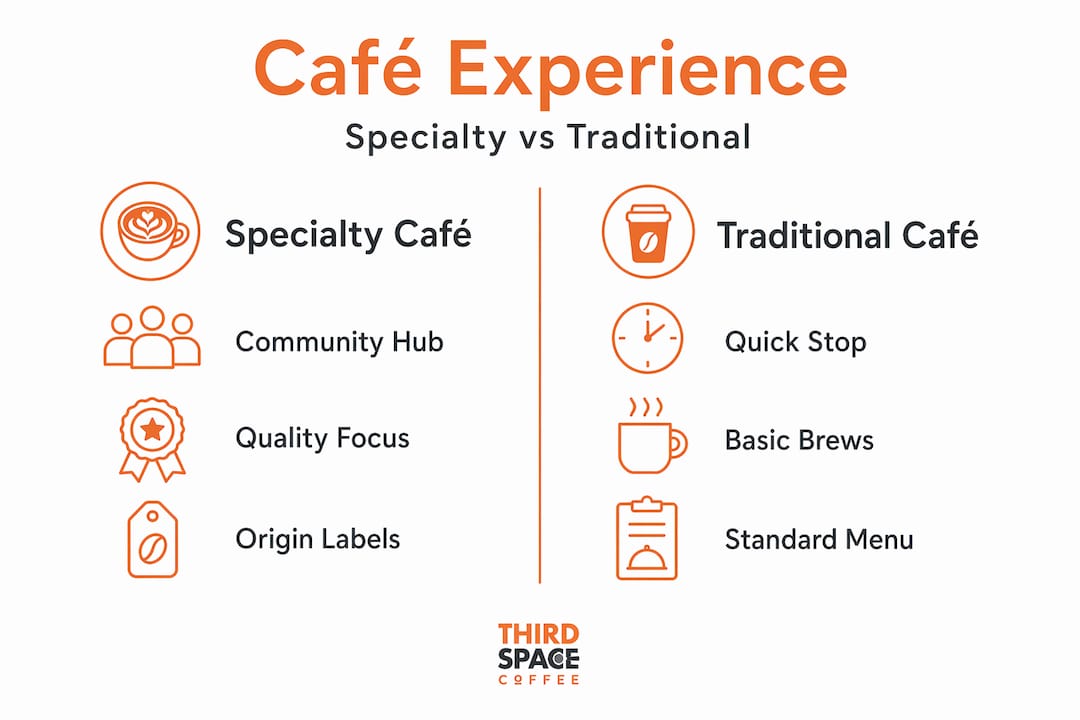
When a café is genuinely committed to quality, transparency becomes its natural communication style. Staff who can explain where a bean comes from, what the processing method does to flavor, and why one roast profile differs from another aren't just showing off. They're building trust. And trust builds loyalty faster than any discount program.
Key ways great specialty cafés educate and connect with guests:
- Origin storytelling at the point of sale, explaining the farm, region, and processing method
- Tasting notes on menus that are accurate and accessible, not pretentious
- Staff training that empowers baristas to answer questions confidently and invite curiosity
- Seasonal or rotating offerings that give regulars something new to discover on every visit
- Community tasting events where guests can compare coffees side by side and develop their palate
Learning to understand coffee origins is a journey many coffee enthusiasts start in a great café. When you walk someone through why an Ethiopian Yirgacheffe tastes floral while a Guatemalan Huehuetenango tastes chocolatey, you're not just selling coffee. You're creating a shared language.
Pro Tip: If you want to use a café event as a team-building or community engagement tool, a tasting flight format works remarkably well. Pair two or three distinctly different coffees side by side, give guests tasting cards with simple descriptors, and let the conversation happen naturally. You can learn more about coffee cupping techniques to bring this approach to your next gathering.
Here's how specialty and traditional cafés differ in how they communicate quality:
| Approach | Specialty café | Traditional café |
|---|---|---|
| Menu language | Origin, process, tasting notes | Roast level, size, flavor add-ins |
| Staff role | Educator and guide | Order taker |
| Customer journey | Discovery and loyalty | Habit and convenience |
| Event potential | High (tastings, workshops) | Low |
| Repeat visit driver | Curiosity and quality | Location and speed |
Understanding why quality matters in the cup changes how both enthusiasts and organizers think about the spaces they choose.
Resilience and loyalty: How specialty cafés survive market volatility
Clarifying the importance of quality, let's look at the approaches that keep specialty cafés strong when conditions change. Market volatility, including price shifts in green coffee commodities and seasonal supply changes, is a real challenge. The cafés that handle it well tend to share a few structural habits.
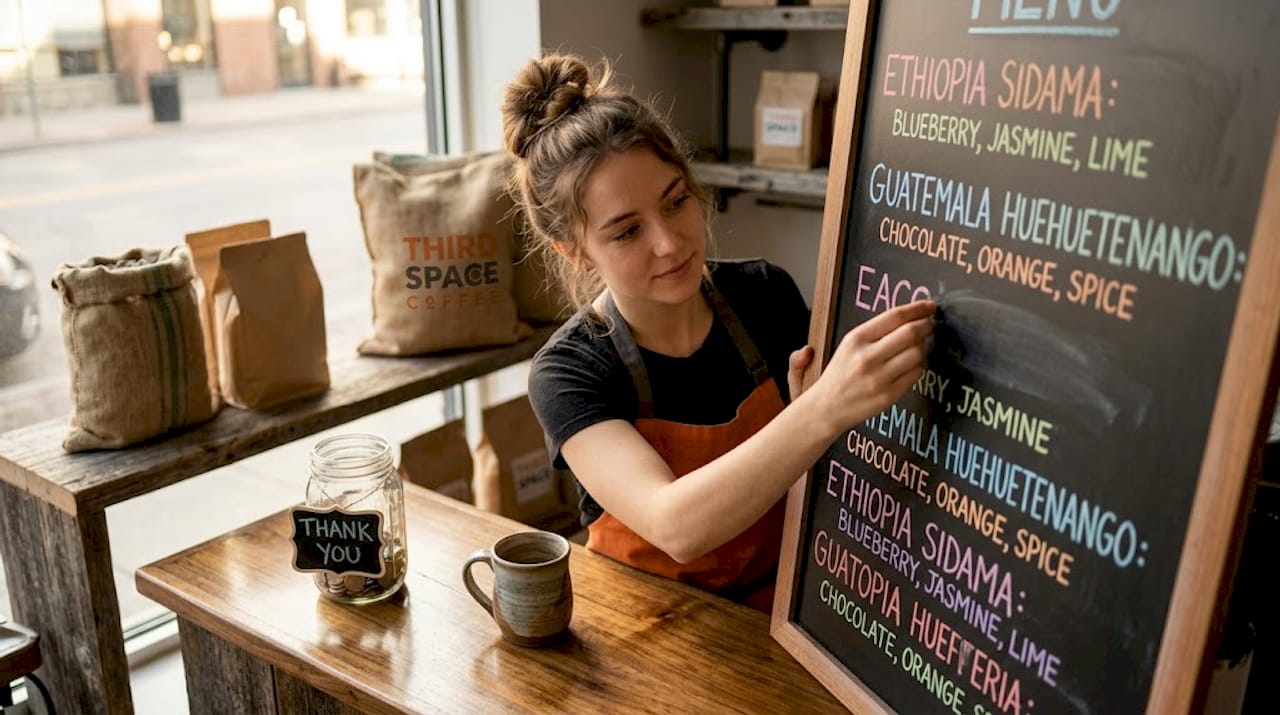
The most durable approach is organizing menus into categories with stable branding and clear pricing rather than constantly updating item names and prices in ways that confuse customers. When guests know that your "single-origin pour-overs" section always has a rotating featured coffee at a consistent price range, they can plan their visit without guessing. That predictability reduces friction and keeps regulars coming back even when the specific offering changes week to week.
Clear pricing also builds a different kind of trust than promotions or discounts. It tells customers that the café values their time and respects their budgeting. For event organizers booking a space or ordering catering, predictable pricing makes planning far more manageable.
Here's how these resilience strategies benefit the different people who rely on a specialty café:
- Regulars can explore new coffees without feeling uncertain about cost or quality shifts.
- Event hosts can plan budgets confidently because menu pricing doesn't spike unexpectedly around their booking.
- New guests can navigate a well-organized menu without needing a guide, lowering the barrier to their first visit.
- Staff can explain offerings clearly and consistently, which improves both their confidence and the guest experience.
- The community overall benefits from a café that stays open, financially stable, and engaged for the long term.
Pro Tip: When evaluating a café for regular patronage or event hosting, look at how their menu is structured. A café that uses crafting unique coffee menus as a deliberate strategy signals operational maturity. It means the team has thought carefully about how to serve you consistently, not just how to look impressive on opening day.
What most people miss: The hidden community engine of specialty cafés
Here's a perspective that doesn't get said enough: the real engine of a thriving specialty café isn't its pour-over technique or its Instagram feed. It's the practical, unscripted infrastructure it builds for human connection.
Most people walk into a specialty café looking for a great drink. What keeps them coming back, often without fully realizing it, is that the space works for them. Their laptop fits comfortably. The noise level lets them have a real conversation. The staff remembers what they ordered last Tuesday. Nobody rushes them out. That combination of functional design and genuine hospitality is far harder to replicate than any brewing method.
There's also a risk worth naming directly. "Specialty" is increasingly being used as a label that signals quality without delivering it. Slick branding, expensive espresso machines, and carefully curated playlists can mimic the surface of specialty café culture while hollow-ing out its actual value. The real thing has standards that are measurable and a community commitment that is observable. You feel it the moment you walk in.
For organizers and enthusiasts alike, the practical takeaway is this: seek out places where the space has been designed for your needs, not just the brand's story. A café that has thought carefully about making great gathering spots will feel fundamentally different from one that's simply trendy. The former is a partner in community building. The latter is a backdrop.
The most valuable specialty cafés in any city treat flexibility as a core principle, not an afterthought. They see education as ongoing, not as a one-time barista certification. And they understand that their role in the neighborhood goes beyond the menu. Supporting them isn't just about your next cup. It's about what your community gets to keep.
Discover specialty coffee and event experiences at Third Space Coffee
Everything we've covered here, from third-place design and out-of-home demand to quality standards and operational resilience, is exactly what drives the experience at Third Space Coffee in Colorado Springs.

Whether you're a coffee lover looking for a destination that takes quality seriously or an organizer searching for a flexible, welcoming venue, Third Space Coffee was built with both of you in mind. You can explore our specialty drinks for a full look at what we're pouring, or browse quality coffee to find freshly roasted whole-bean options you can take home. Our in-house roasting process means every bag reflects the kind of transparency and craftsmanship this article describes. Book your next event with us and experience first-hand how a true third place operates.
Frequently asked questions
What defines a specialty café compared to a regular coffee shop?
A specialty café is defined by its focus on distinctive, high-quality coffee with transparent sourcing and a commitment to customer education, not just marketing language. The Specialty Coffee Association outlines that specialty coffee requires measurable, distinctive attributes that set it apart from standard commercial offerings.
Why do specialty cafés make good venues for community events?
Their flexible layouts, comfortable atmospheres, and built-in sense of community make them ideal for gatherings of all sizes. Third-place café design, with adaptable seating and activity zones, supports everything from casual meetups to structured meetings.
Do people really prefer to drink specialty coffee out-of-home?
Yes, the data is clear. The 2025 coffee trends data shows that out-of-home specialty coffee consumption surpasses traditional coffee, with 64% of adults aged 25 to 39 drinking specialty coffee in the past week, largely at cafés.
How do specialty cafés adapt when coffee prices or supply change?
They use organized menu categories and consistent, transparent pricing rather than frequent disruptive updates. This approach to menu resilience keeps customers comfortable and loyal even when commodity markets shift.