
TL;DR:
- Coffee tastings are structured sensory sessions that help participants recognize diverse flavor profiles, origins, and brewing techniques. These sessions improve palate development through comparison and expert guidance, enabling better coffee purchasing and brewing choices. Attending tastings fosters community connection and enhances appreciation for the complexities of specialty coffee.
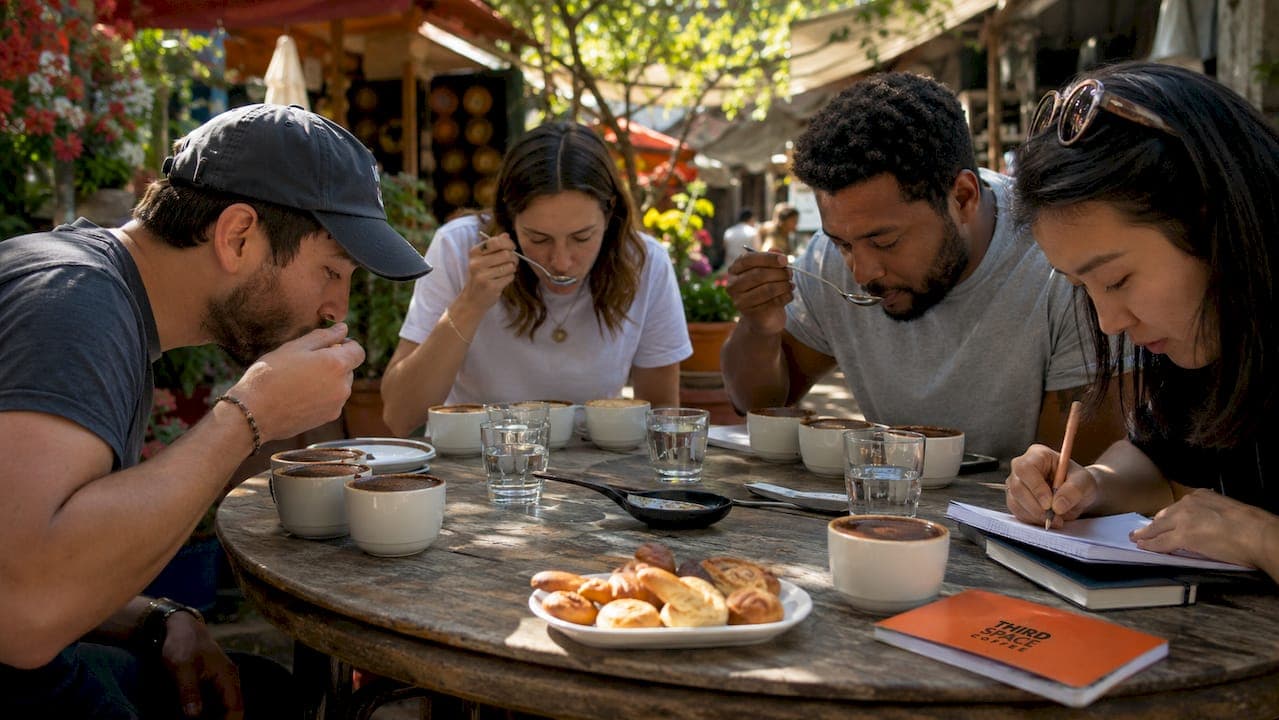
Coffee tastings are structured sensory sessions where participants sample multiple coffees side by side to explore distinct flavor profiles, origins, and brewing techniques. Unlike your daily cup, these guided experiences train your palate to recognize what makes a Kenyan natural process taste like blueberries or why a Colombian washed coffee finishes clean and bright. If you have ever wondered why attend coffee tastings, the short answer is this: they turn passive drinking into active understanding. Formats range from casual cupping circles at local roasters to multi-course omakase experiences, and the skills you build carry directly into every cup you brew at home.
Why attend coffee tastings and what actually happens
A coffee tasting, known in the industry as cupping, follows a defined sensory evaluation protocol. Participants smell dry grounds, add hot water, break the crust of floating grounds, and then slurp the coffee from a spoon to aerate it across the palate. That slurping technique is not theater. It spreads the liquid evenly across your taste receptors, making subtle notes of citrus, caramel, or florals far easier to detect.
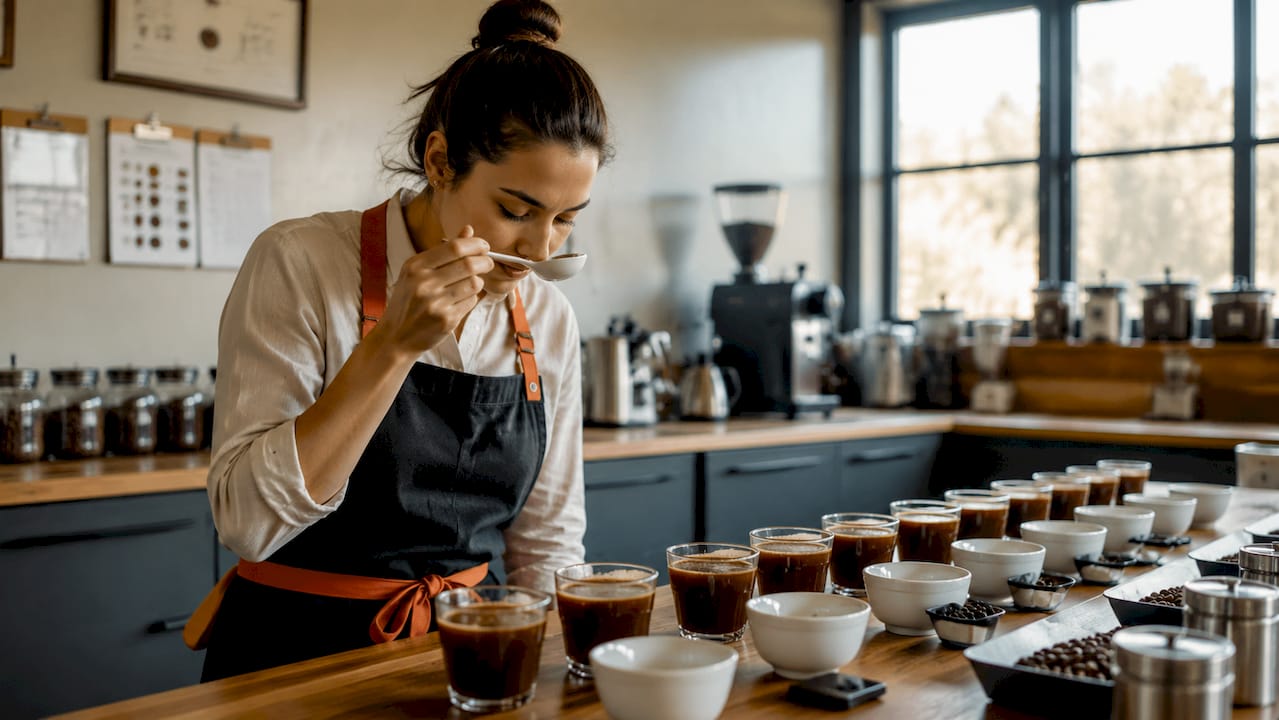
Professional sessions typically run 60–90 minutes and cost between $5 and $20 per participant. That price point makes them one of the most accessible forms of food education available. Groups are usually capped at around 10 people, which means you get real face time with the host, whether that is a roaster, a head barista, or a certified Q Grader.
A typical session moves through three to six coffees. Each one is evaluated for aroma, flavor, acidity, body, and finish. The host explains what you are tasting and why, connecting the sensory experience to origin, altitude, processing method, and roast level. You leave with a vocabulary and a framework, not just a caffeine buzz.
Pro Tip: Arrive without perfume or cologne. Strong scents interfere with aroma detection and affect everyone at the table, including you.
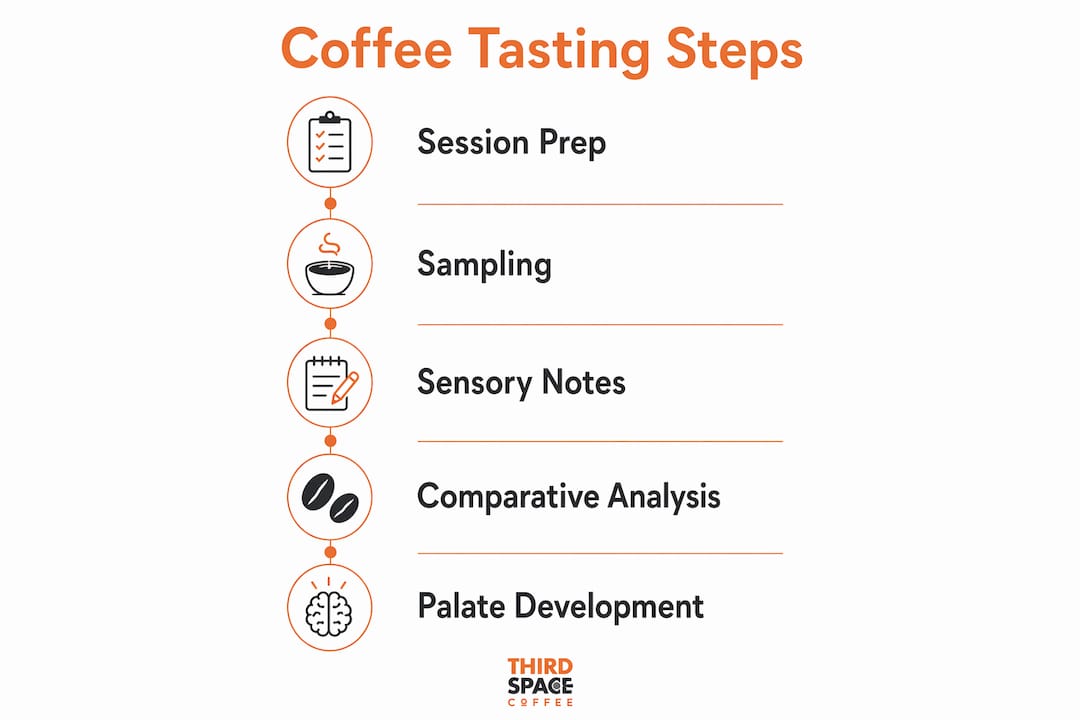
Here is what a standard cupping session covers:
- Dry aroma: Smell the grounds before water is added to catch volatile top notes
- Wet aroma: Smell after hot water is poured to detect deeper, roasted scents
- Break: Stir the crust and inhale the released steam for a concentrated aroma burst
- Tasting: Slurp from a cupping spoon and note flavor, acidity, body, and finish
- Comparison: Rank or contrast the coffees to identify personal preferences
How tastings develop your palate faster than solo practice
Comparative tasting is the fastest method for building sensory discernment in coffee. Tasting one coffee in isolation gives you impressions. Tasting three coffees side by side gives you distinctions. That difference is everything when you are trying to understand why you prefer one bean over another.
Experts recommend 2–3 tasting sessions per week, each lasting 15–30 minutes, over an eight-week period. After that structured practice, beginners can reliably identify origins, processing methods, and roast levels. Eight weeks sounds like a commitment, but that is roughly the time it takes to finish a single bag of specialty coffee if you brew daily.
Specialty coffee festivals and guided workshops use professional cuppers to walk participants through fruit, floral, nutty, and chocolate notes while explaining how brewing methods amplify or suppress each one. That expert narration compresses years of solo trial and error into a single afternoon.
The benefits of coffee tastings for palate development follow a clear progression:
- Week 1–2: You start noticing brightness versus flatness, and light roast versus dark roast
- Week 3–4: You begin connecting flavors to origins, such as Ethiopian coffees tasting floral and fruity
- Week 5–6: Processing methods become distinguishable, with washed coffees tasting cleaner than naturals
- Week 7–8: You can identify defects like fermentation off-notes or papery staleness
Triangle testing accelerates this progression by presenting three cups where two are identical and one is different. Your job is to find the odd one out blind. Practicing this weekly sharpens pattern recognition faster than any other single exercise.
Pro Tip: Keep a tasting journal. Write three words per coffee: one for aroma, one for flavor, one for finish. After four sessions, patterns in your preferences will become obvious.
Casual drinking vs. home tasting vs. professional cupping
Not every coffee experience needs to be a formal cupping. Understanding the differences helps you choose the right format for where you are in your coffee journey.
| Format | Setting | Goal | Sensory rigor | Accessibility |
|---|---|---|---|---|
| Casual daily drinking | Home or café | Enjoyment and routine | Low | Immediate |
| Home tasting | Kitchen | Personal preference mapping | Medium | Low cost |
| Guided workshop | Roaster or café | Palate development and education | Medium to high | $5–$20 per session |
| Professional cupping | Roastery or lab | Quality control and sourcing | High | Requires training |
Casual drinking is where most people live, and there is nothing wrong with that. You enjoy your cup, you have your preferences, and you move on with your day. Home tasting is a step up. You brew two or three coffees side by side, take notes, and start mapping what you actually like versus what you think you should like.
Coffee tastings transform a daily habit into a mindful experience by revealing subtle differences in texture, aroma, and flavor that casual drinking glosses over. Guided workshops sit between home practice and professional cupping. They give you structure, expert guidance, and access to coffees you would not normally buy or encounter. Professional cupping is the tool roasters and buyers use for quality control. It follows strict protocols from the Specialty Coffee Association and requires calibrated palates. Most enthusiasts never need to reach that level, but understanding it helps you appreciate what goes into sourcing the beans in your bag.
Omakase-style coffee tastings represent the far end of the spectrum. These 60–90 minute experiences feature a personal barista guiding you through rare specialty beans in a multi-course format. They exist in cities like Tokyo and are increasingly appearing at specialty roasters across the United States.
Practical benefits for home brewers and everyday enthusiasts
The most direct benefit of attending tastings is better purchasing decisions. Once you know you prefer bright, fruit-forward coffees from East Africa over heavy, chocolatey Central American roasts, you stop buying bags based on packaging and start buying based on flavor. That alone saves money and eliminates disappointing cups.
Home brewers gain specific knowledge about how brewing methods affect flavor extraction. A guided tasting that showcases the same bean brewed as a pour-over, French press, and cold brew makes the impact of method immediately audible to your palate. You stop guessing and start adjusting with purpose.
Here is what regular tasting attendance delivers for home enthusiasts:
- Informed bean selection: You buy coffees that match your confirmed preferences, not marketing copy
- Brewing adjustments: You understand why your French press tastes muddy and how grind size fixes it
- Vocabulary: You can describe what you want to a barista or roaster and get accurate recommendations
- Community access: Small group tastings connect you directly with roasters and baristas who share insider knowledge unavailable in any book or video
- Confidence: You trust your own palate instead of deferring to scores and ratings
The community angle is underrated. Roasters who host tastings are often the same people sourcing directly from farms in Ethiopia, Colombia, or Guatemala. The conversations that happen around a cupping table give you access to supply chain stories, seasonal crop updates, and brewing experiments that never make it to a product page. A good Colorado Springs coffee tasting guide can point you toward local events where those conversations happen regularly.
For anyone serious about improving their home brewing, pairing tastings with a deeper understanding of coffee profiles and brewing techniques closes the gap between knowing what you like and knowing how to reproduce it.
Key Takeaways
Attending coffee tastings is the single most effective way to develop a trained palate, make better purchasing decisions, and connect with a community of knowledgeable coffee professionals.
| Point | Details |
|---|---|
| Tastings build palate faster | Comparative tasting over 8 weeks helps beginners identify origins, roasts, and processing methods. |
| Sessions are accessible | Most introductory tastings cost $5–$20 and run 60–90 minutes in small groups of up to 10. |
| Home brewing improves directly | Tastings reveal how brewing methods change flavor, giving you a practical framework for adjustments. |
| Community access is a hidden benefit | Small group formats connect you with roasters and baristas who share sourcing and brewing knowledge. |
| Casual to expert is a spectrum | Anyone can start with home tasting and progress toward guided workshops without formal training. |
What attending tastings taught me that no YouTube video could
I started drinking coffee the way most people do: dark roast, a splash of cream, no questions asked. My first cupping session at a local roastery changed that within the first 20 minutes. Not because someone lectured me, but because I tasted a washed Ethiopian coffee next to a natural processed one from the same farm. They tasted nothing alike. One was clean and floral. The other tasted like fermented fruit. Same origin, same roast level, completely different cups.
That moment reframed everything. I stopped assuming I knew what coffee tasted like and started paying attention. Within a few months of attending regular sessions, I noticed things in my morning cup I had never registered before: the way a light roast from Guatemala finishes with a hint of brown sugar, or how a dark roast from Sumatra has an earthy, almost savory weight.
What surprised me most was how quickly the skill transferred to home brewing. I started adjusting my grind size based on what I had learned about extraction, and my pour-overs improved noticeably within a week. No amount of reading gave me that feedback loop. Only tasting did.
My honest advice: do not wait until you feel ready or knowledgeable enough. Go to a tasting knowing nothing. The structure of the session does the teaching. You just have to show up and pay attention.
— Tanya
Explore coffee tastings at Thirdspacecoffee in Colorado Springs
Thirdspacecoffee in Colorado Springs is a natural home for this kind of experiential learning. The shop roasts whole bean coffees in-house, which means the people pouring your cup are the same people who selected and roasted the beans. That connection between roaster and drinker is exactly what makes a tasting session valuable.

Whether you are looking to sample specialty drinks crafted from freshly roasted beans, pick up whole bean coffee to practice at home, or attend a community tasting event, Thirdspacecoffee offers the access and expertise to support your coffee journey. The event space also makes it a practical venue for private tasting sessions and group workshops. Check their current hours and upcoming events at Thirdspacecoffee to find your next session.
FAQ
What is a coffee tasting?
A coffee tasting, also called cupping, is a structured session where participants sample multiple coffees side by side to evaluate aroma, flavor, acidity, body, and finish. It follows a defined protocol used by both casual enthusiasts and professional roasters.
How long does a coffee tasting session last?
Most introductory tasting sessions run 60–90 minutes and cost between $5 and $20 per person. Groups are typically kept small, around 10 participants, to allow for personalized interaction with the host.
How many sessions does it take to develop a coffee palate?
Structured practice of 2–3 sessions per week over eight weeks allows beginners to reliably identify origins, processing methods, and roast levels. Consistent comparative tasting accelerates progress faster than occasional solo practice.
Do I need any experience to attend a coffee tasting?
No prior experience is needed. Beginner-friendly sessions are designed to teach sensory vocabulary and evaluation techniques from scratch. The guided format does the heavy lifting; you only need to taste and pay attention.
How do coffee tastings help with home brewing?
Tastings reveal how variables like brewing method, grind size, and water temperature affect flavor extraction. That direct sensory feedback gives home brewers a practical reference point for adjusting their technique with confidence.