 How-to
7 Real Costs Behind How Much a Latte Costs at Home
Last Updated: November 22, 2026
Quick Summary
Your homemade latte cost depends on beans, milk, and equipment, with ingredient cost per 12-ounce drink ranging from $0.74 to $2.22 across low, typical, and high scenarios. Ownership costs like the machine, grinder, and maintenance add a per-drink amount on top of ingredients. The latte cost only beats café prices when you actually use your setup daily.
- A 12-ounce homemade latte uses about 18 grams of beans, 8 ounces of milk, and optional syrup.
- A half-gallon of whole milk costs around $2.50 to $4.00 and steams about eight portions.
- A moka pot plus handheld frother breaks even against a $6 café latte in under a month.
- A mid-range espresso machine and grinder setup breaks even in ten to fifteen months.
- Buying smaller quantities of milk and beans more often protects your margin from waste.
Table of Contents
- How much does a latte cost at home?
- The homemade latte cost breakdown, ingredient by ingredient
- Home latte vs coffee shop cost: the per-cup gap
- The cheapest way to make a latte at home
- Espresso machine payback period: when the math turns in your favor
- Monthly and annual latte cost by drinking frequency
- Build your own cost calculator with these five inputs
- Taste the difference before you buy the machine
- Frequently Asked Questions
How much does a latte cost at home?
The cost of a homemade latte depends on your beans, milk, and equipment. The longer answer explains why so many people overspend on home coffee without realizing it.
Most cost estimates online skip the boring parts. They ignore machine depreciation. They forget milk waste. They pretend your $600 espresso machine was free.
At Third Space Coffee, we roast our own beans. Many people ask whether making lattes at home is actually cheaper than buying them.
Below, we break down every cost that goes into your morning cup.
The homemade latte cost breakdown, ingredient by ingredient
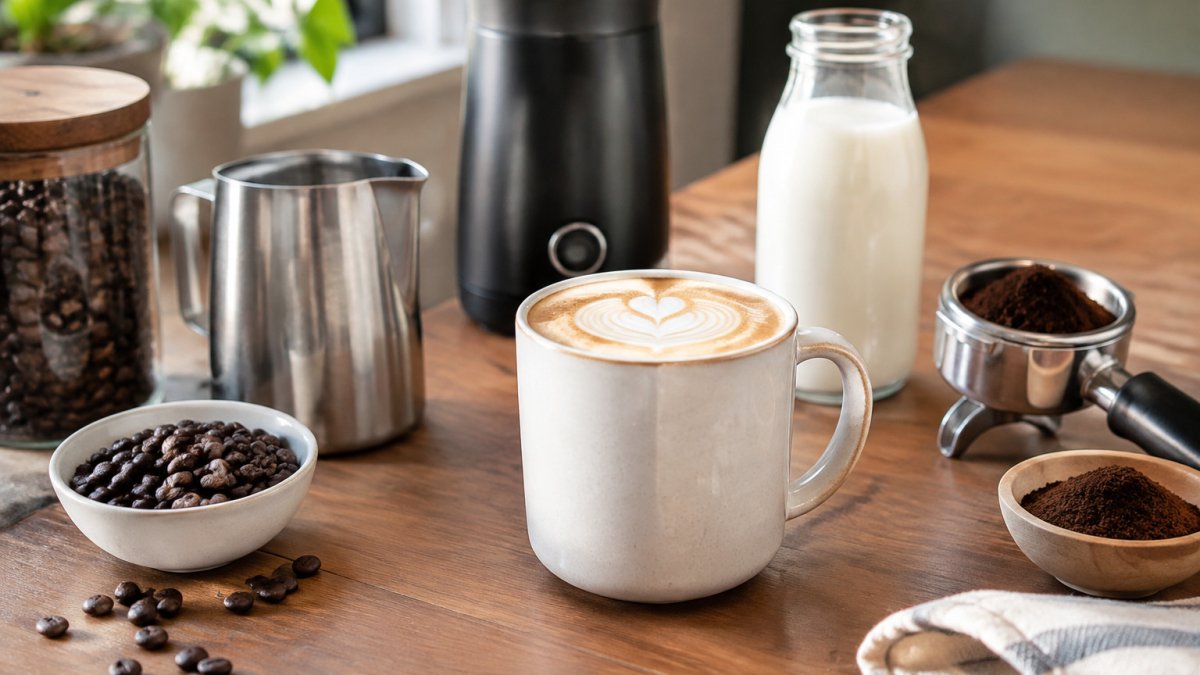
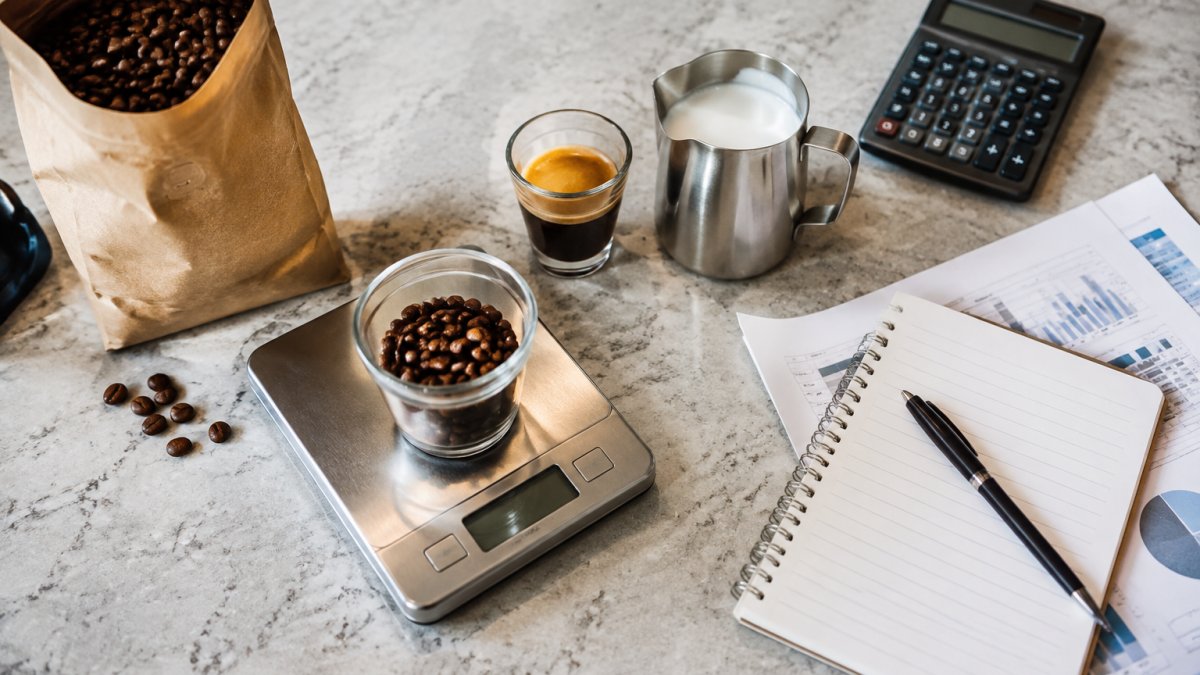
A standard 12-ounce homemade latte uses roughly 18 grams of coffee beans, 8 ounces of milk, and optional syrup. Each ingredient adds a small cost that stacks up fast. The problem with most estimates is that they hide the assumptions. Below are the exact assumptions this article uses, so you can swap in your own prices and get a number that matches your kitchen.
Recipe and serving-size assumptions
Every per-drink number in this guide is built on the same recipe so the comparisons are reproducible:
- Cup size: 12 ounces finished
- Espresso dose: 18 grams in, yielding a double shot of about 36 grams liquid
- Shots per drink: 2 (one double shot)
- Milk volume: 8 ounces, steamed
- Syrup: 2 pumps (about 0.5 ounce) when flavored
- Beans per bag: 12-ounce bag
- Shots per bag: 18 to 20 double shots at 18 grams each
Change any of these and your cost moves. A 16-ounce latte with 10 ounces of milk and a triple shot costs more per drink than the 12-ounce version. A single-shot 8-ounce latte costs less. Write down your own assumptions before you compare prices.
Beans, milk, and syrup: what each drink actually uses
Coffee beans are your biggest variable cost. Bean cost depends on the grade you buy and how much you brew. Check current bean prices at the roaster or shop of your choice.
Milk comes next. A half-gallon of whole milk costs around $2.50 to $4.00. That half-gallon steams about eight 8-ounce portions, which works out to $0.30 to $0.50 per latte.
Flavoring is optional but sneaky. A bottle of vanilla syrup runs $8 to $12 and gives you 20 to 30 pumps.
Build your own per-drink number
The formula is simple division, repeated for each ingredient:
- Beans: bag price ÷ double shots per bag
- Milk: container price ÷ 8-ounce portions per container
- Syrup: bottle price ÷ pumps per bottle × pumps per drink
- Add the three numbers for your ingredient cost per latte
Your numbers will differ, and that is the point, the formula travels with your receipts.
Low, typical, and high cost scenarios
Ingredient prices vary by region and by how much you waste. Here is how the same 12-ounce plain latte lands across three scenarios:
| Scenario | Beans | Milk | Waste allowance | Ingredient cost per drink |
|---|---|---|---|---|
| Low (bulk beans, store-brand milk, minimal waste) | $0.40 | $0.30 | 5% | $0.74 |
| Typical (specialty beans, name-brand milk) | $0.90 | $0.40 | 10% | $1.43 |
| High (premium beans, plant milk, dialing-in and spills) | $1.10 | $0.75 | 20% | $2.22 |
Waste allowance
The waste allowance matters more than most people expect. Dialing in a new bag of beans can sacrifice two or three shots before the grind is right. A half-gallon of milk that spoils before you finish it effectively doubles your milk cost per drink. Buying smaller quantities more often protects your margin.
Watch out: if you only drink two lattes a week, a half-gallon of milk will likely spoil before you use it, which can push your real milk cost per drink well above the numbers above.
Home latte vs coffee shop cost: the per-cup gap
Café latte prices vary by size and location, and a homemade latte's cost depends on your own ingredients and equipment. You can check our latte price to compare it directly against your calculated homemade cost.
The gap is real, but it's not pure savings. Cafés charge for labor, rent, and convenience. You're paying someone else to steam your milk and clean the pitcher.
If you buy one latte every workday, that's about 250 lattes a year. Multiply that by your café's price and your home cost per drink to see your own annual difference.
That's a meaningful number. But it assumes you actually use your machine daily and don't let milk spoil.
The cheapest way to make a latte at home
The lowest-cost path isn't an espresso machine. It's a stovetop moka pot or an AeroPress paired with a milk frother.
A moka pot and a handheld frother are inexpensive starter tools for making espresso-style coffee at home.
Here's the trade-off. Moka pot coffee is stronger and less crema-rich than true espresso. Some purists will notice. Most people won't after the first sip.
If you want real espresso without the machine price tag, making espresso without an expensive machine walks through the alternatives step by step.
A simple setup like this keeps upfront risk low.
Espresso machine payback period: when the math turns in your favor
An espresso machine pays for itself when your daily café savings outrun the full cost of owning and running it, not just the sticker price. Most payback estimates stop at the machine. A realistic one includes the grinder, maintenance, cleaning supplies, repairs, and electricity.
The full cost of ownership
Here is a realistic five-year cost stack for a mid-range home setup used once a day:
| Cost item | Upfront or annual | Five-year total |
|---|---|---|
| Espresso machine | $400 to $800 | $400 to $800 |
| Burr grinder | $100 to $250 | $100 to $250 |
| Descaling and cleaning supplies | $30 to $50 per year | $150 to $250 |
| Gaskets, filters, and small parts | $20 to $40 per year | $100 to $200 |
| Repairs (occasional) | $0 to $150 over five years | $0 to $150 |
| Electricity | $15 to $30 per year | $75 to $150 |
| Total | $825 to $1,800 |
Spread that cost over the drinks you make, and ownership adds a per-drink amount on top of ingredients. Counting the grinder and consumables gives a more complete picture than the equipment cost alone.
Break-even math with the full cost included
Use this formula:
Break-even drinks = total five-year ownership cost ÷ savings per drink vs. café
Divide your total ownership cost by your savings per drink to find your own break-even point.
How quickly an espresso machine pays back depends on how often you drink lattes and what you spend on the machine and its upkeep.
Watch out: this only works if you actually use the machine. A $600 espresso machine that sits idle is a $600 loss, not an investment. Buy the machine after you've proven the habit with a cheaper setup, not before.
Lower-cost setups change the break-even entirely
The espresso machine is not the only path, and it is rarely the fastest one to pay back. Compare three setups on the same daily-use basis:
| Setup | Upfront cost | Five-year ownership | Break-even vs. $6 café |
|---|---|---|---|
| Moka pot plus handheld frother | $40 to $65 | $40 to $65 | Under a month |
| Manual espresso maker plus burr grinder | $200 to $350 | $250 to $450 | Two to four months |
| Mid-range espresso machine plus grinder | $500 to $1,050 | $825 to $1,800 | Ten to fifteen months |
A moka pot or AeroPress with a milk frother is an inexpensive way to start. The trade-off is that moka pot coffee is stronger and less crema-rich than true espresso. Some purists will notice. Most people won't after the first sip.
If you want real espresso without the machine price tag, making espresso without an expensive machine walks through the alternatives step by step. It's the route we recommend for anyone testing the habit before committing.
A moka pot setup keeps upfront risk low.
Monthly and annual latte cost by drinking frequency
Your real cost depends on how often you drink. Here's how the numbers shake out for different drinking frequencies.
| Drinks per week | Monthly home cost | Monthly café cost | Annual savings |
|---|---|---|---|
| 3 | $26 | $78 | $624 |
| 5 | $43 | $130 | $1,040 |
| 7 | $61 | $182 | $1,456 |
| 14 | $121 | $364 | $2,912 |
The pattern is clear. The more you drink, the more home brewing pays off. Light drinkers may not save enough to justify a machine at all.
One more factor: waste. Spoiled milk and stale beans quietly eat into savings. Buying smaller quantities more often protects your margin.
Build your own cost calculator with these five inputs
You can build a personal latte cost estimate in five minutes with five numbers.
- Bean price per bag divided by shots per bag
- Milk price per container divided by drinks per container
- Syrup cost per bottle divided by pumps per bottle
- Machine and grinder cost divided by total drinks over five years
- Annual maintenance divided by drinks per year
Add all five and you have your true cost per drink. Compare that to your café's menu price and you'll know exactly what you save.
For a step-by-step formula you can plug your numbers into, calculate your cost per cup of home coffee breaks down the math with worked examples.
If you're pricing out beans specifically, our 50/50 Espresso Blend shows what fresh, in-house roasted beans look like for home brewing.
Taste the difference before you buy the machine
Equipment gets all the attention. Freshness drives most of the flavor.
Beans roasted weeks ago can taste flat. That's why we roast in-house at Third Space Coffee.
Before you upgrade your setup, spend a month learning to brew better. Our guide on brewing better coffee at home covers grind size, water temperature, and ratio, the three variables that matter most.
Better beans and better technique can make a simple setup taste closer to a café than a more expensive machine paired with stale beans.
The real challenge isn't the math. It's building a habit that lasts past the first month.
Frequently Asked Questions
How much does a homemade latte cost per cup?
The cost of a homemade latte depends on beans, milk, and a share of equipment wear. A double shot uses roughly 18 grams of beans, and 8 ounces of milk covers a standard latte. Add syrup and the number climbs a little. The exact latte cost depends on your local bean prices and how much milk you steam, so track one week of receipts to get your own figure.
Is making a latte at home cheaper than buying one at a coffee shop?
Café menu prices include labor, rent, and profit margin, which is why home brewing can cost less per cup. A home setup removes those overheads and leaves you paying mostly for ingredients. The catch is the upfront equipment spend. Once that is paid off, the per-cup savings compound quickly, especially if you drink a latte most days.
How many lattes does it take to pay off an espresso machine?
Divide the machine price by your per-cup savings to get the espresso machine payback period. If a café latte costs several dollars more than your homemade version, a mid-range machine can pay for itself within a few months of daily use. Factor in the grinder and any maintenance parts, then compare that total against what you would have spent at a café over the same period.
What is the cheapest way to make a latte at home?
A moka pot or AeroPress plus a handheld milk frother is a low-cost way to produce a strong, espresso-like base. Buy whole beans in bulk and grind them yourself, and skip bottled syrups in favor of making your own. The cheapest way to make a latte at home is really about controlling equipment spend and avoiding waste from stale beans or over-poured milk.