 how-to
Why Fresh Roasted Coffee Tastes Better: A 2026 Guide
Table of Contents
- Why Fresh Roasted Coffee Tastes Better Than Grocery-Store Beans
- How Roasting Affects Flavor, Aroma, and Coffee Freshness
- How Long to Rest Coffee After Roasting for Peak Flavor
- Carbon Dioxide, Degassing, and Why Freshly Roasted Coffee Needs Rest
- How to Store Coffee Beans to Protect Freshness
- The Best Way to Brew Fresh Coffee (and Adjust for Very Fresh Beans)
- Why Coffee Tastes Bitter (and What Freshness Has to Do With It)
- Conclusion
- Frequently Asked Questions
Last Updated: October 20, 2026
Why Fresh Roasted Coffee Tastes Better Than Grocery-Store Beans
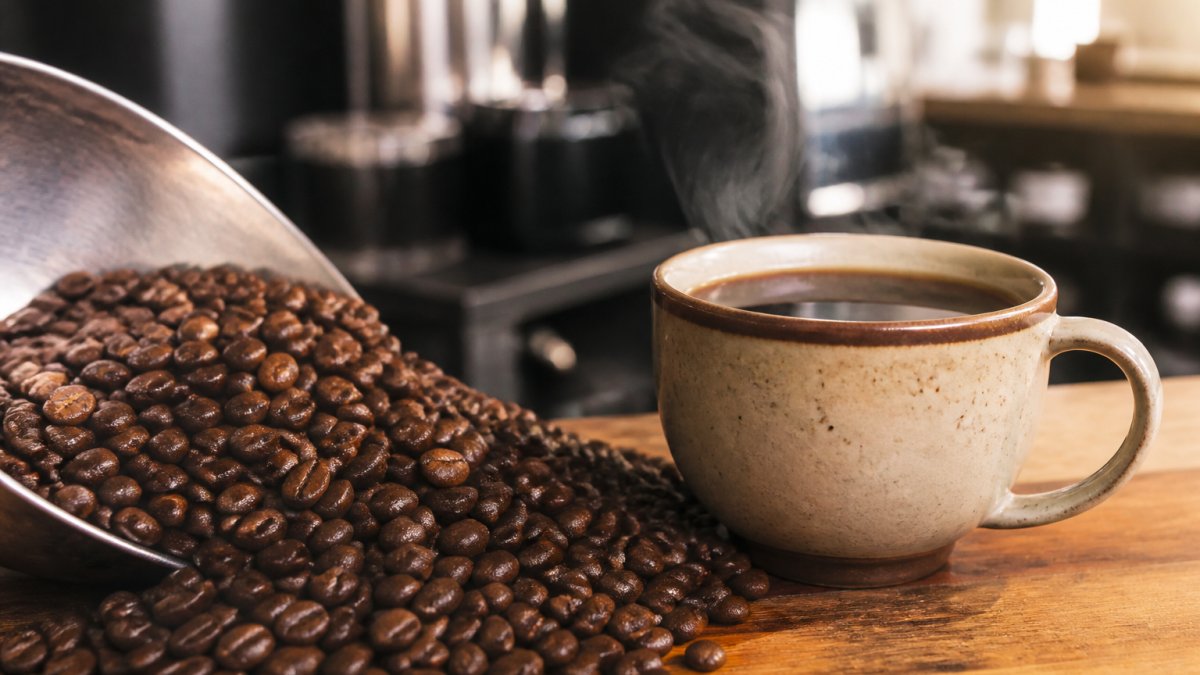
Fresh roasted coffee tastes better because the flavors and aromas that make coffee worth drinking are at their strongest right after roasting, then fade week by week.
Here is the core problem. Most bags on a grocery shelf sat in a warehouse, then a truck, then a back room.
Aromatic Compounds and Flavor Loss After Roasting
Aromatic compounds are the volatile oils and gases that create coffee's smell and taste. They are fragile. Heat builds them during the roast, and air destroys them afterward.
A common mistake is judging beans by the bag, not the roast date. A shiny new bag means nothing if the beans inside are months old. The aromatics have already escaped.
Oxygen, Oxidation, and Stale Coffee
Oxygen is coffee's quiet enemy. Once beans meet air, oxidation begins. Fats turn, oils go flat, and the bright notes you paid for turn dull and papery.
Stale coffee is not spoiled coffee. It is simply coffee that lost its best qualities. You can still drink it. You just will not enjoy it the way you should.
How Roasting Affects Flavor, Aroma, and Coffee Freshness
Roast level shapes how fast coffee freshness fades. Light roasts keep more of the bean's natural brightness and origin character.
That is why roast level and storage belong in the same conversation. An oily dark roast left in an open bag will go flat faster than a light roast kept sealed.
Freshness moves in a predictable arc:
- Days 1-3: Heavy carbon dioxide release, flavors still locked up
- Days 4-14: Peak aroma and balance for most roasts
- Weeks 3-6: Flavors soften, sweetness drops
The window is not identical for every bean. But the direction is always the same.
How Long to Rest Coffee After Roasting for Peak Flavor
The answer depends on your brew method, your roast level, and the bean itself. As a rule, wait 3 to 5 days for filter coffee and 7 to 14 days for espresso.
This surprises people. Freshly roasted coffee can taste sharp or gassy on day one. The roast is done, but the bean is still releasing gas. Resting lets the flavors come together.
Why Rest Time Varies by Roast, Bean, and Brew Method
Rest is not a fixed countdown. It is a settling process, and several variables move the finish line:
- Roast level. Dark roasts develop more surface oils and degas faster, so they often peak sooner. Light roasts hold their structure longer and frequently need more days to open up.
- Bean density and processing. Denser, higher-grown beans and washed coffees tend to rest a little longer than softer, naturally processed beans, which can taste round sooner.
- Brew method. Espresso is the most sensitive. Trapped carbon dioxide resists water pressure and produces uneven, sputtering shots, so espresso usually wants the longest rest. Filter methods are more forgiving because water contact is longer and gentler.
A Roast-Specific Resting and Brewing Timeline
Use this as your starting point, then adjust to taste:
| Roast Level | Rest Before Filter | Rest Before Espresso | Peak Window |
|---|---|---|---|
| Light roast | 4-7 days | 10-14 days | Days 7-21 |
| Medium roast | 3-5 days | 7-12 days | Days 5-18 |
| Dark roast | 2-4 days | 5-10 days | Days 4-14 |
Track the roast date on the bag. Brew a cup every few days. Your own taste is the final judge, not a chart.
How to Adjust Brewing for Very Fresh Beans
Beans under a week old are still degassing, and that gas fights your brew. Instead of waiting it out, you can brew around it:
- Grind slightly coarser. A coarser bed slows extraction and compensates for the gas that is pushing water away from the grounds.
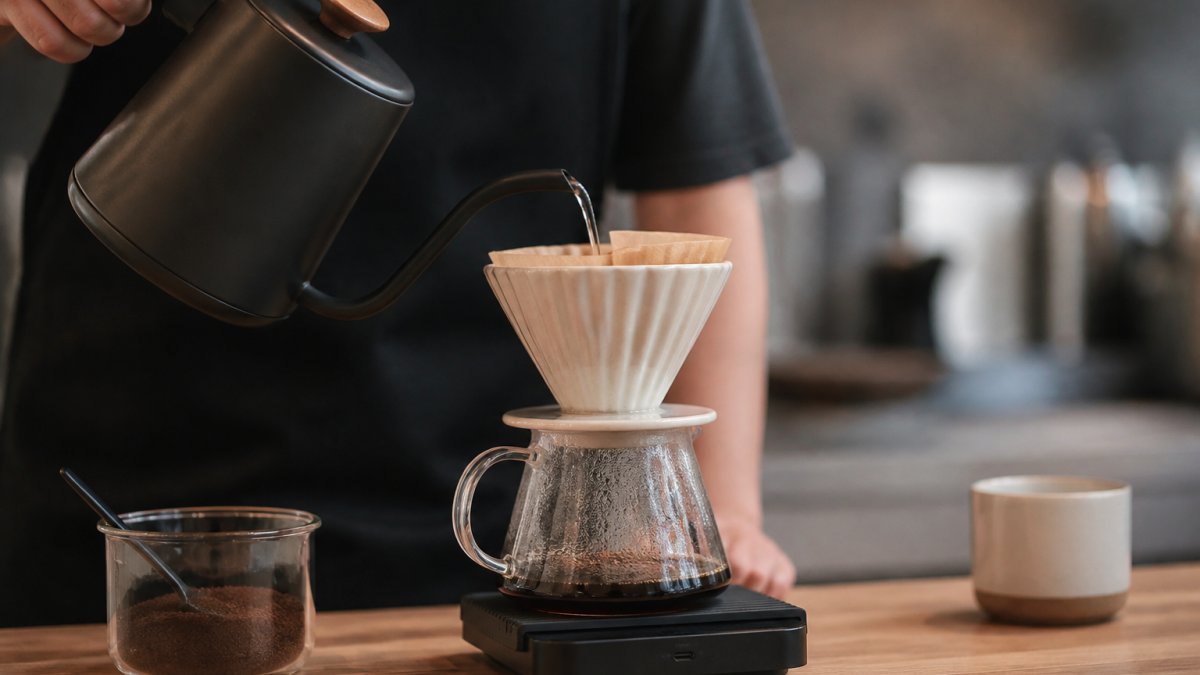
- Add a short rest after the bloom. In pour-over, let the bed settle for 15 to 30 seconds after the initial bloom before your main pour. This lets the worst of the gas escape.
- Pull espresso shots a touch longer. Very fresh espresso can run fast and taste sour or foamy. A slightly longer shot and a small grind adjustment often balance it.
Once the beans pass their rest window, dial back to your normal recipe. The cup should get sweeter and more even.
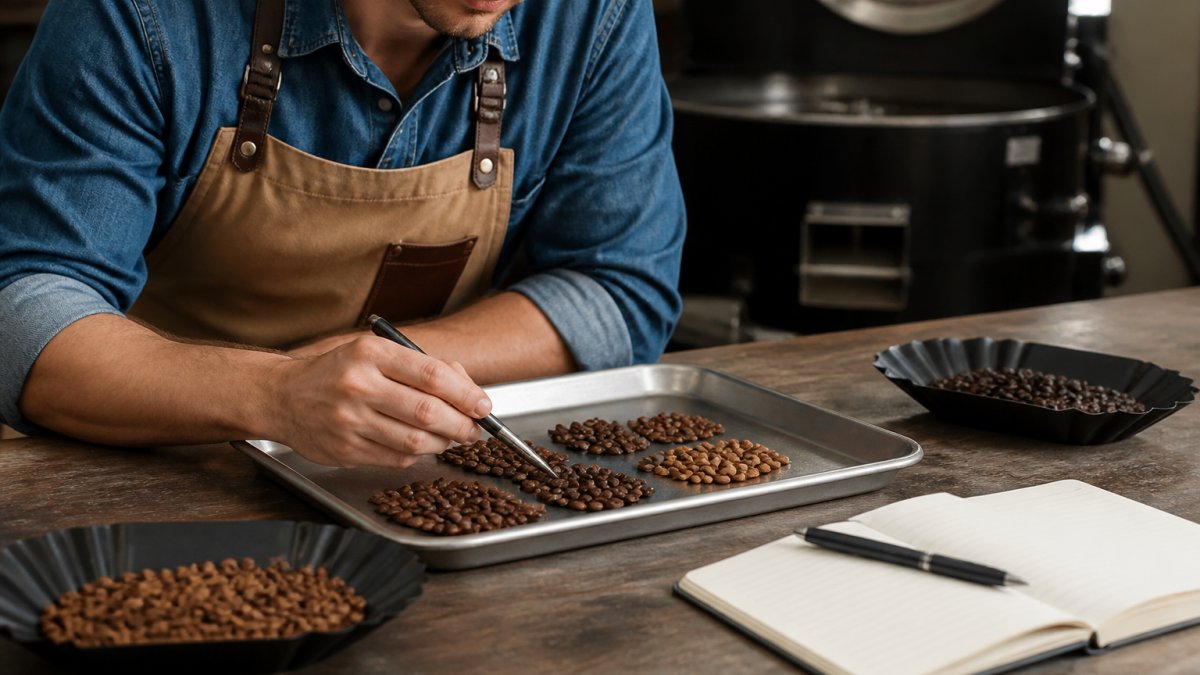
A Controlled Taste-Test Method to Compare Rest Times
You can find your own peak window with a repeatable test rather than guesswork:
- Start with one bag of the same coffee and note the roast date.
- On day 3, day 7, and day 14, brew a cup using identical dose, grind, water temperature, and brew time.
- Taste each cup blind if you can, and score aroma, sweetness, body, and finish.
- Compare the scores. The day with the highest overall score is your peak for that bean and method.
Most people find the middle cup the most balanced, but the exact day depends on the roast and the brew method. That is the point: rest is personal and measurable, not a fixed rule.
Carbon Dioxide, Degassing, and Why Freshly Roasted Coffee Needs Rest
Degassing is the release of carbon dioxide trapped inside beans during roasting. It is why a fresh bag puffs up and why a valve on the packaging matters.
Too much gas causes problems during brewing. In espresso, trapped CO2 resists water and creates uneven extraction.
So fresh coffee needs a short rest. Not because it is bad, but because it is still settling.
How to Store Coffee Beans to Protect Freshness
Store coffee beans in an airtight container, away from light, heat, and moisture. Keep them whole until you brew. Grinding early exposes far more surface to oxygen.
Skip the fridge. It adds moisture and pulls in odors. The freezer works only for long-term storage, and only if the beans are sealed tight.
What Actually Damages Coffee, and How to Slow It
Freshness loss is not one process. Four enemies work at once, and each needs a different defense:
- Oxygen. Oxidation turns fats and oils flat and papery. The fix is to minimize headspace and open the bag as little as possible.
- Light. Ultraviolet light breaks down aromatic compounds. The fix is an opaque container or a cabinet, never a clear jar on a sunny counter.
- Heat. Warmth speeds every chemical reaction, including the ones that stale coffee. The fix is a cool, stable spot away from the stove and the windowsill.
Storage Methods Compared
| Method | Protects Freshness? | Best For | Watch Out For |
|---|---|---|---|
| Original bag with valve | Good short-term | First two weeks | Roll it tight after opening |
| Airtight canister | Strong | Daily use | Keep it out of sunlight |
| Freezer, sealed | Good long-term | Bulk buying | Moisture if not sealed |
| Fridge | Poor | Not recommended | Odors and condensation |
| Open bag on counter | Weak | Nothing | Fast flavor loss |
How to Freeze Coffee Without Ruining It
Freezing can work, but only with discipline. The goal is to keep moisture out and avoid repeated thaw cycles:
- Portion before freezing. Divide beans into amounts you will use in a week or two so you never thaw and refreeze the whole bag.
- Seal tight. Use an airtight bag or container with as little air as possible. A vacuum sealer helps.
- Thaw fully before opening. Let the portion come to room temperature sealed, so condensation forms on the bag, not the beans.
Freshness Indicators and Their Limits
No single sign proves a bean is fresh or stale. Read them together:
- Roast date. The most useful signal, but only if the roaster prints it. A best-by date tells you when a bag expires, not when the flavor clock started.
- One-way valve. A puffy bag means gas is still escaping, which suggests recent roasting. A flat bag does not prove staleness, since gas release slows over time.
- Aroma. Fresh beans smell sweet and complex when you open the bag. Flat or papery aroma is a warning, but storage conditions can mask it.
The Best Way to Brew Fresh Coffee (and Adjust for Very Fresh Beans)
The best way to brew fresh coffee is to match your grind and timing to the bean's age. Very fresh beans need small tweaks, because the trapped gas fights your brew.
Try these adjustments for beans under a week old:
- Grind slightly coarser to slow extraction
- Add a short rest after the bloom in pour-over
- Pull espresso shots a touch longer to balance the gas
Once the beans pass their rest window, dial back to your normal recipe. The cup should get sweeter and more even.
Why Coffee Tastes Bitter (and What Freshness Has to Do With It)
Bitterness usually comes from over-extraction, not from the bean itself. Too fine a grind, water that is too hot, or too long a brew pulls harsh compounds into the cup. Stale coffee adds its own problem: it tastes flat and bitter at the same time.
Fresh beans give you a wider margin. Their natural sweetness and bright flavors balance the bitter notes. Old beans have less to work with, so bitterness stands out.
If your coffee suddenly turns bitter, check three things first:
- The roast date on the bag
- Your grind size
- Your brew time
A Controlled Taste-Test Method to Compare Fresh vs. Stale
You can prove the difference yourself. This simple test removes guesswork:
- Get two batches of the same coffee: one fresh, one older.
- Grind both the same way, same amount.
- Brew both with identical water, temperature, and timing.
- Taste side by side, blind if you can.
- Note aroma, sweetness, body, and finish.
Most people pick the fresh cup without hesitation. The older cup tastes dull and hollow next to it. That gap is the whole argument for fresh roasted coffee in one sip.
Conclusion
The hardest part of fresh coffee is not brewing it. It is finding beans with a real roast date and keeping them that way. Most bags never tell you when the clock started.
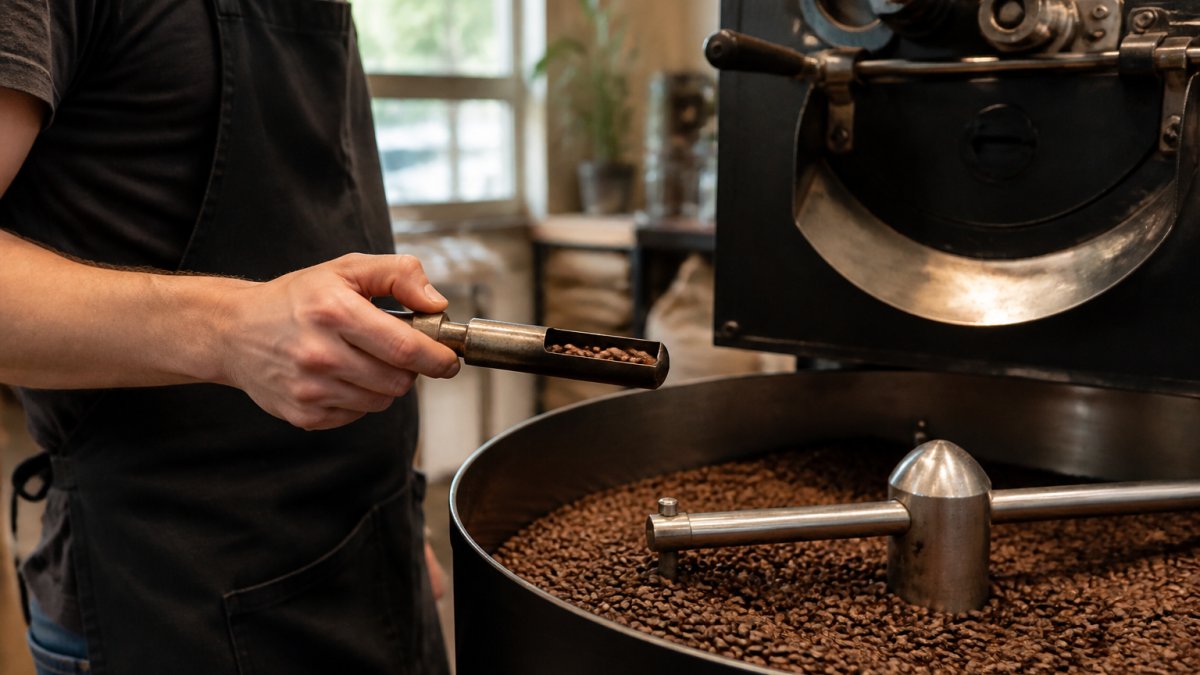
That is where we come in. Third Space Coffee roasts in-house, so you get beans with a known roast date and real freshness. Stop by for a cup, grab a bag, or ask us what is resting and ready.
Frequently Asked Questions
How long should you wait to drink freshly roasted coffee?
Most fresh roasted coffee hits peak flavor 3 to 14 days after the roast date, depending on roast level. Light roasts often need 7 to 14 days to degas and open up, while dark roasts are usually ready in 3 to 7 days. If you brew too early, escaping carbon dioxide can make the coffee taste sharp or flat. Give beans a short rest, then store them in an airtight container to protect the aromatic compounds that make fresh roasted coffee taste better.
How long do coffee beans stay fresh after roasting?
Coffee freshness is a curve, not a switch. Flavor and aroma are strongest in the first two to four weeks after the roast date, then fade gradually as oxygen exposure drives oxidation. Whole beans hold up longer than pre-ground coffee because less surface area is exposed. For the best cup, buy in amounts you will finish within a few weeks, keep beans whole until brewing, and store them in an airtight container away from light and heat.
Which roast of coffee tastes the least bitter?
Light roasts generally taste less bitter than dark roasts because the beans spend less time in the roaster, so fewer bitter compounds develop. That said, bitterness also comes from over-extraction, water that is too hot, or a grind that is too fine. If your coffee tastes bitter, try a coarser grind, a slightly lower water temperature, or a shorter brew time before blaming the beans. Freshness matters too: stale coffee often tastes flat and harsh rather than pleasantly bitter.
Should you let coffee beans rest after roasting?
Yes. Resting lets carbon dioxide escape so water can extract flavor evenly during brewing. Skipping the rest can leave you with a sour, gassy cup or an uneven extraction. A practical rule: rest dark roasts 3 to 7 days, medium roasts 5 to 10 days, and light roasts 7 to 14 days. Store beans in an airtight container with a one-way valve during the rest so carbon dioxide can leave without letting oxygen in.