
TL;DR:
- Espresso drinks are classified by their shot base—ristretto, espresso, or lungo—and subsequent ingredients like water, milk, foam, or ice. Understanding the shot's volume and extraction highlights how flavor, bitterness, and sweetness differ across variations such as the macchiato, latte, or Americano. Cold drinks like espresso tonic and shakerato showcase how technique and bean selection enhance flavor and presentation at home or cafés.
Espresso drink types are defined by three base shots — ristretto, standard espresso, and lungo — and then shaped by what gets added after: water, milk, foam, or ice. That single framework explains every drink on any café menu, from a delicate macchiato to a frothy cappuccino to a sparkling espresso tonic. Once you understand the shot foundation and the addition, drinks like the cortado, flat white, Americano, and shakerato stop feeling like a foreign language. This guide covers the full range of espresso-based drinks, with recipes, flavor profiles, and preparation tips for every style.
1. Core espresso drink types: ristretto, espresso, and lungo
Every espresso variation starts with one of three shots. Espresso shots vary by extraction yield: ristretto runs 15 to 20 ml, standard espresso runs 25 to 30 ml, and lungo runs 50 to 60 ml. That volume difference is not just about quantity. It reflects how long water contacts the grounds, which changes the entire flavor chemistry.
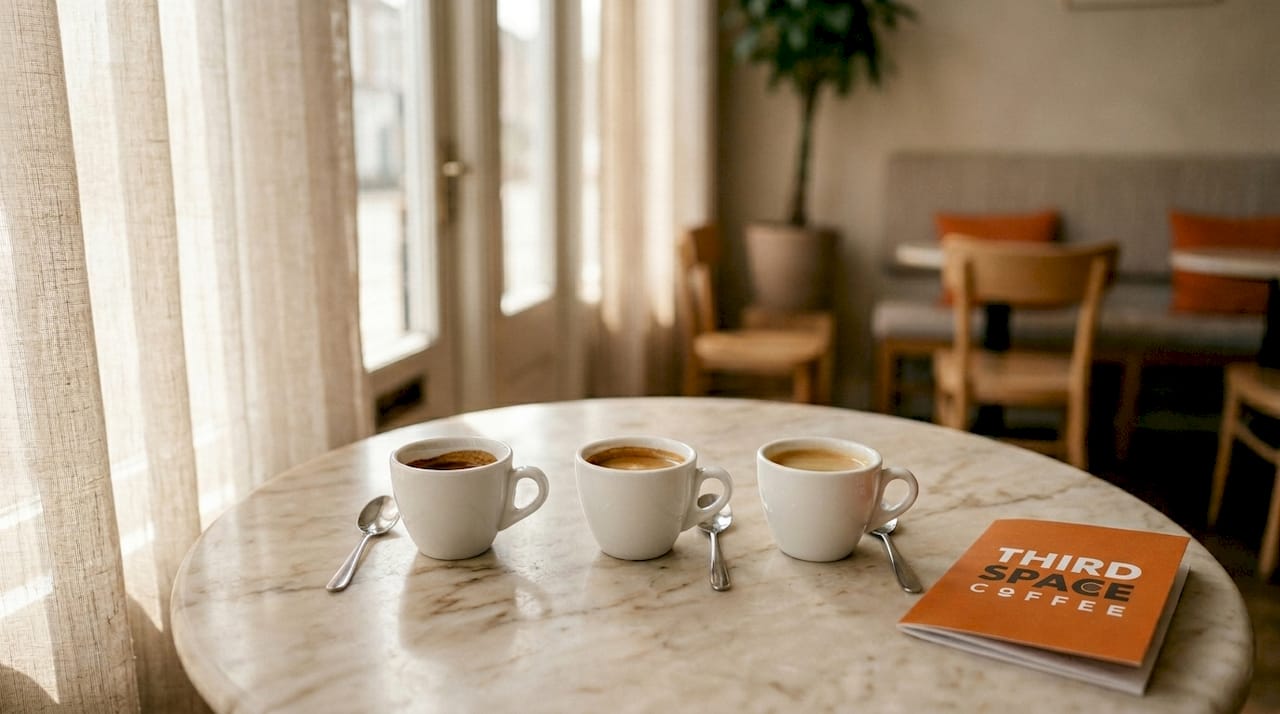
Ristretto is the shortest pull. Less water means fewer bitter compounds extract, leaving a concentrated, sweet, and almost syrupy shot. Standard espresso balances sweetness, acidity, and a mild bitterness in a 25 to 30 ml pull. Lungo extracts longer, pulling more bitter compounds and producing a thinner, more astringent cup. Ristretto and lungo represent extraction shifts that change the balance of bitterness, sweetness, and acidity. They are not simply smaller or larger versions of the same drink.
| Shot | Volume | Intensity | Taste Notes |
|---|---|---|---|
| Ristretto | 15–20 ml | Very high | Sweet, syrupy, low bitterness |
| Espresso | 25–30 ml | High | Balanced, mild bitterness, slight acidity |
| Lungo | 50–60 ml | Medium | Bitter, thinner body, less sweetness |
Pro Tip: If your milk drink tastes too bitter, ask for a ristretto base instead of a standard shot. The shorter pull softens bitterness and adds sweetness that cuts through steamed milk.
2. Milk-based espresso drinks: macchiato, cortado, cappuccino, latte, and flat white
Milk quantities and foam levels define popular espresso drinks: macchiato uses roughly one teaspoon of milk, cortado uses about one ounce, cappuccino uses equal parts milk and foam, and a latte uses six to ten ounces of steamed milk. That progression from barely-there milk to fully milk-forward explains why these drinks taste so different despite sharing the same espresso base.
The macchiato is the purest milk drink. A small dollop of foam or a splash of cold milk "marks" the espresso, softening the edge without changing its character. The cortado splits the difference between espresso and milk in roughly equal parts, producing a drink that is bold but smooth. You can explore a well-crafted espresso-based cappuccino to see how equal-parts milk and foam create a textured, creamy experience that neither the macchiato nor cortado delivers.
The flat white and cappuccino cause the most confusion. Both use steamed milk and a double shot, but the flat white uses less foam and more microfoam, creating a silkier texture and stronger espresso presence. The cappuccino uses a thicker foam layer that sits on top, making it lighter and airier. Two flat whites can taste different depending on preparation variation across cafés. The latte, by contrast, is the most forgiving: its high milk volume softens even an aggressive shot into something approachable.
Key features at a glance:
- Macchiato: 1 tsp milk, espresso-forward, minimal sweetness
- Cortado: ~1 oz milk, balanced, low foam
- Cappuccino: equal milk and foam, airy texture, medium strength
- Flat white: microfoam-heavy, silkier than cappuccino, stronger espresso flavor
- Latte: 6 to 10 oz milk, mellow, ideal for flavored syrups
Pro Tip: For a creamy latte at home, steam your milk to 140°F rather than 160°F. Lower temperature milk tastes sweeter and integrates more smoothly with the shot.
3. Espresso and water drinks: Americano vs. long black
The Americano and long black use the same two ingredients — espresso and hot water — but the pouring order changes everything. Americano is espresso with hot water added after, which breaks the crema and integrates the oils into the water. The long black is espresso poured over hot water, which preserves the crema layer and keeps the aroma intact on the surface.
That difference in technique produces a noticeably different drinking experience. The Americano is smoother and more uniform in flavor. The long black is bolder on the nose, with a more pronounced crema that delivers aroma before the first sip. Both drinks typically run 6 to 8 oz, but the long black is more common in Australia and New Zealand while the Americano dominates North American café menus.
You can order a Third Space Americano to taste how the Colorado Springs roasting style translates into a water-diluted format. For home preparation, use a 1:2 espresso-to-water ratio as a starting point, then adjust to taste. Lighter roasts tend to shine in long blacks because the preserved crema amplifies their floral and fruit notes.
4. Cold espresso specialties: espresso tonic and shakerato
Cold espresso drinks are the fastest-growing category in specialty coffee, and two recipes stand out for their technique and flavor contrast.
Espresso tonic combines roughly 2 oz of espresso with 4 to 6 oz of tonic water over ice. The technique matters as much as the recipe. Pour tonic water first over ice, then slowly pour espresso over a spoon to reduce foam overflow and preserve carbonation. Pouring espresso directly into tonic causes explosive foaming from the carbonation interaction. The result is a layered drink with a bitter-sweet espresso top and a sparkling, slightly bitter tonic base. Light to medium roasts work best here because their fruit and floral notes contrast beautifully with the quinine bitterness of the tonic.
Caffè shakerato takes a different approach. Shaking espresso with ice and simple syrup for 15 to 20 seconds chills and aerates the shot, producing a stable foam head when strained into a chilled coupe or martini glass. The result is cold, frothy, and intensely flavored. Unlike an iced latte, there is no milk. The foam comes entirely from the agitation of the espresso itself.
Ice type is not a minor detail. Full ice cubes prevent excessive dilution and maintain stable foam in shaken drinks. Crushed ice melts too fast, watering down the shot before you finish shaking and collapsing the foam structure.
| Drink | Base | Technique | Flavor Profile |
|---|---|---|---|
| Espresso tonic | Espresso + tonic water | Layer over ice | Bitter-sweet, sparkling, refreshing |
| Shakerato | Espresso + simple syrup | Shake with ice, strain | Intense, frothy, cold, no milk |
Pro Tip: For an espresso tonic with more complexity, add a strip of orange peel to the glass before pouring. The citrus oils lift the floral notes in a light roast and balance the tonic's bitterness.
5. Specialty espresso drinks and cocktails: mocha, espresso martini, and bean selection
Specialty espresso coffee styles like the mocha and espresso martini push the shot into dessert and cocktail territory. The mocha adds chocolate syrup or cocoa to a latte base, creating a drink that bridges coffee and hot chocolate. The ratio of chocolate to milk to espresso determines whether it reads as a coffee drink with chocolate notes or a chocolate drink with coffee in the background.
The espresso martini is the most technically demanding espresso cocktail. It combines a fresh shot with vodka, coffee liqueur like Kahlúa, and simple syrup, shaken hard over ice and strained into a chilled glass. Medium or lighter roasts retain sweetness and fruit character that very dark roasts lose to bitterness. Bean selection shapes the cocktail's balance more than any other variable. A fruity Ethiopian natural process shot produces a completely different martini than a dark-roasted Brazilian blend.
Bean origin and roast selection critically shape espresso cocktails, preserving the complexity and sweetness that cocktail balance requires. For home bartenders, the practical advice is to use the freshest shot possible, pulled within 30 seconds of mixing, and to chill your glass in the freezer for at least 10 minutes before serving.
Key tips for specialty espresso drinks:
- Use a medium roast for cocktails to preserve sweetness and avoid bitterness
- Pull the espresso shot fresh and let it cool for 60 seconds before mixing
- For mochas, use real cocoa or dark chocolate syrup rather than flavored powder
- Explore Thirdspacecoffee's whole bean selection for roast options suited to both drinks and cocktails
Key takeaways
Every espresso drink type is built on a shot base and defined by what gets added after. Understanding that structure makes any café menu readable and any recipe reproducible at home.
| Point | Details |
|---|---|
| Shot base determines flavor ceiling | Choose ristretto, espresso, or lungo before adding milk or water to control intensity. |
| Pouring order changes the drink | Americano and long black use the same ingredients but taste different based on technique. |
| Ice type affects cold drink quality | Full ice cubes preserve foam and prevent dilution in shaken and tonic drinks. |
| Bean roast shapes cocktail balance | Medium or lighter roasts deliver the sweetness espresso martinis and mochas require. |
| Milk volume defines the drink category | Moving from macchiato to latte is a progression in milk volume, not just size. |
Why I think most people start espresso exploration from the wrong end
By Tanya
Most coffee lovers approach espresso drinks by ordering what sounds familiar, then gradually branching out. That works, but it is slow. The faster path is to understand the shot first and the addition second. Once you know that a ristretto is sweeter and a lungo is more bitter, you can predict how any drink will taste before you order it.
The naming inconsistency across cafés is real and worth acknowledging. Espresso drink recipes vary greatly between cafés even for the same name. The flat white at one shop might be indistinguishable from a small latte at another. That is not a flaw in the system. It reflects the fact that baristas make judgment calls about milk texture, shot strength, and foam depth. Your job as an enthusiast is to know what you prefer so you can ask for it specifically.
The cold drink category is where I see the most untapped potential for home brewers. An espresso tonic takes three ingredients and five minutes. A shakerato takes even less. Both deliver a café-quality experience that most people have never tried at home because they assume it requires special equipment. It does not. A cocktail shaker and a good shot are all you need.
Invest in quality beans before you invest in equipment upgrades. The barista skills and artistry that produce great espresso drinks at a specialty café are built on fresh, well-sourced coffee. Everything else is technique you can learn.
— Tanya
Taste the difference at Thirdspacecoffee in Colorado Springs
If reading through these espresso variations has made you want to taste the real thing, Thirdspacecoffee is the place to start. Every drink on the menu is built on beans roasted in-house at the Colorado Springs location, which means the shot quality behind your cappuccino, Americano, or specialty drink is never an afterthought.

Browse the full range of specialty espresso drinks available for order, from classic milk-based drinks to cold espresso creations. If you want to experiment at home, the whole bean selection gives you the same roast quality that goes into every in-house drink. Stop in, pre-order for pickup, or explore the menu online to find your next favorite espresso style.
FAQ
What are the main espresso drink types?
The main espresso drink types are defined by their addition: milk-based drinks (macchiato, cortado, cappuccino, latte, flat white), water-based drinks (Americano, long black), and cold or specialty drinks (espresso tonic, shakerato, espresso martini). All start from a ristretto, standard espresso, or lungo shot base.
What is the difference between a cappuccino and a flat white?
A cappuccino uses equal parts steamed milk and thick foam, creating a lighter, airier texture, while a flat white uses more microfoam and less surface foam, producing a silkier, stronger-tasting drink. Both use a double shot, but the flat white delivers more espresso presence per sip.
How do you make an espresso tonic at home?
Pour 4 to 6 oz of tonic water over ice first, then slowly pour 2 oz of fresh espresso over the back of a spoon to preserve carbonation and create a layered effect. Light or medium roast beans work best because their fruit notes contrast with the tonic's bitterness.
What is a shakerato and how is it different from an iced latte?
A shakerato is espresso shaken with ice and simple syrup for 15 to 20 seconds, then strained into a chilled glass without ice, producing a cold, foamy drink with no milk. An iced latte combines espresso with cold milk poured over ice, resulting in a creamier, less intense flavor.
Does bean roast level matter for espresso cocktails?
Medium or lighter roasts are the better choice for espresso cocktails like the espresso martini because they retain the sweetness and fruit character that darker roasts lose to bitterness. The roast level shapes the cocktail's flavor balance more than the choice of spirit or liqueur.