
TL;DR:
- Cold brew coffee is made by steeping coarsely ground beans in cold water for 12 to 24 hours, resulting in a smooth, low-acid drink. It differs from iced coffee, which is hot-brewed and then cooled, producing a brighter, more acidic flavor. Cold brew lasts up to two weeks in the refrigerator and often contains more caffeine in concentrated form.
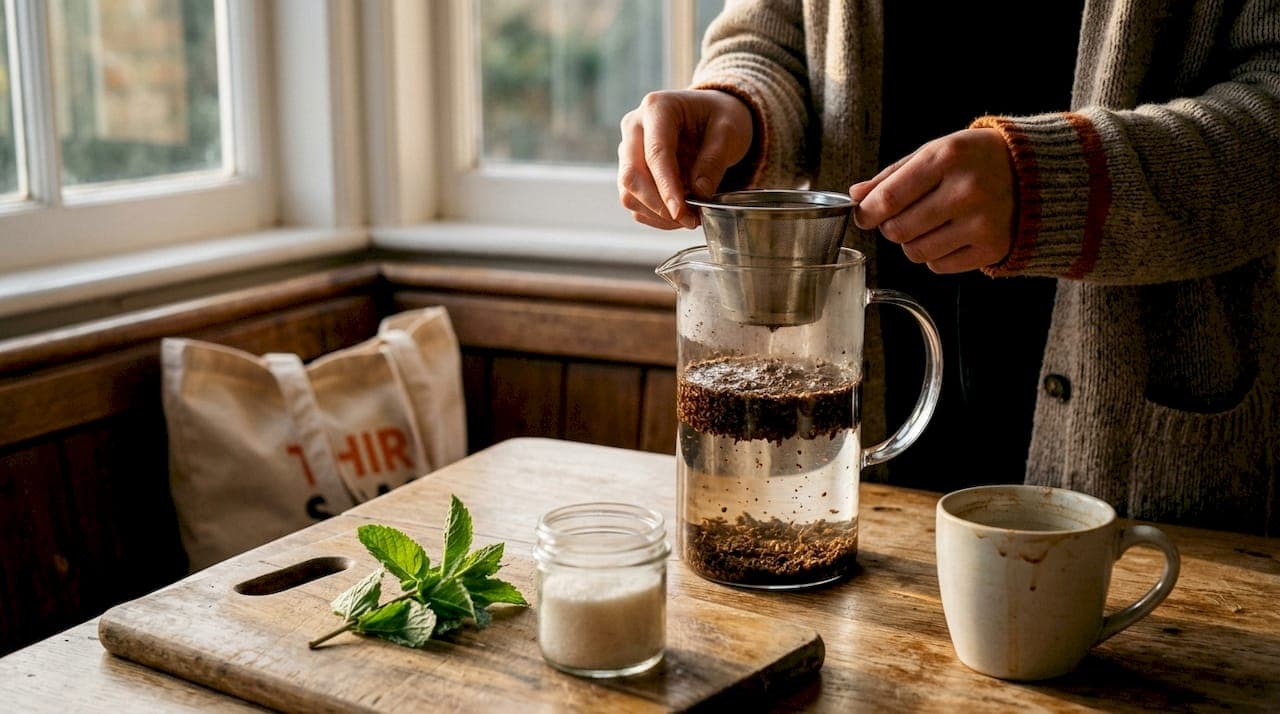
Cold brew coffee is defined as coffee steeped in cold or room-temperature water for 12–24 hours without any heat, producing a smooth, low-acid concentrate with naturally sweet, chocolatey notes. The National Coffee Association recognizes this extended steeping method as the defining characteristic that separates cold brew from every other coffee preparation. Unlike iced coffee, which starts hot and gets chilled, cold brew is brewed cold from start to finish. The result is a drink that is 67% less acidic than traditionally brewed coffee, easier on the stomach, and rich with a heavier body that casual drinkers and coffee enthusiasts alike find immediately appealing. You can serve it cold over ice, diluted with milk, or even gently heated.
What is cold brew coffee and how is it made?
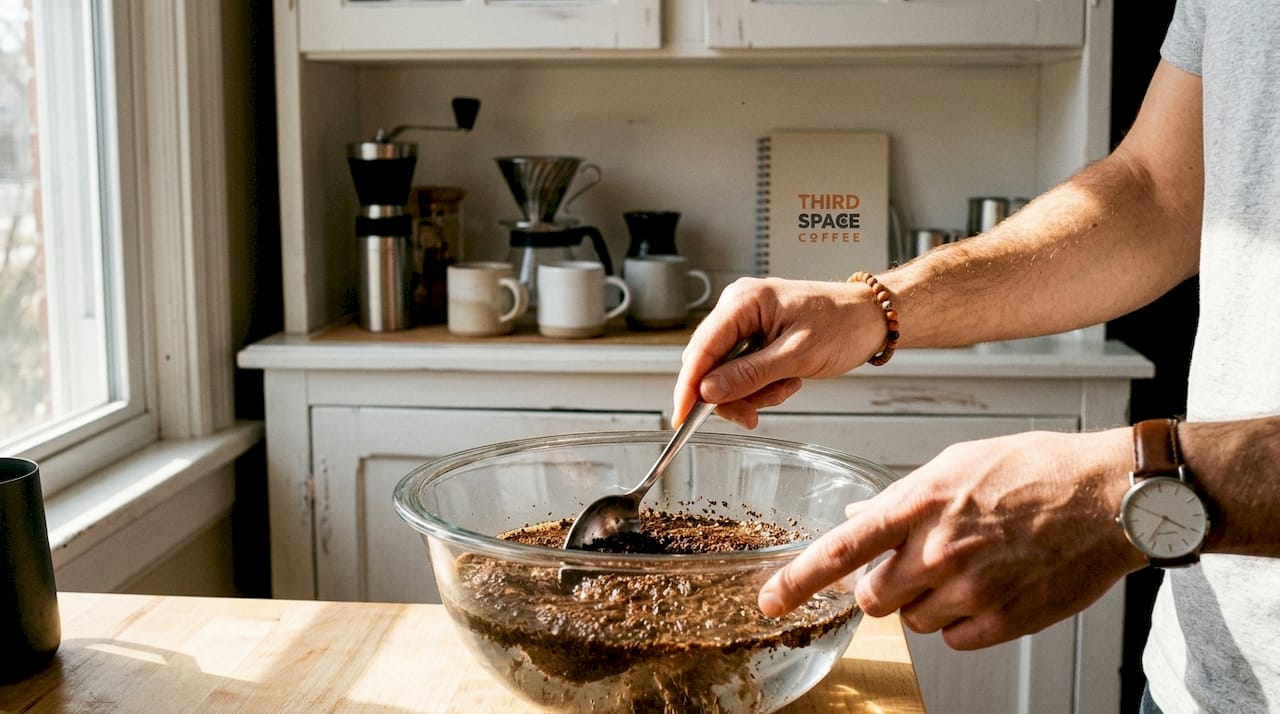
Cold brew coffee starts with one thing: time. The process replaces heat with patience, using cold or room-temperature water to slowly pull flavor compounds from coarsely ground coffee beans over many hours.
Step-by-step brewing process
- Grind your coffee coarse. Cold brew requires coarse grounds to avoid over-extraction and muddy, bitter flavors. Think sea salt texture, not fine powder.
- Use filtered or bottled water. Tap water containing chlorine or high mineral content masks delicate chocolate and caramel flavors. Water quality is not optional here.
- Measure your ratio. The standard coffee-to-water ratio is 1:8 for a ready-to-drink brew and 1:4 to 1:5 for a concentrate you dilute later. A concentrate gives you flexibility.
- Combine and steep. Add grounds to your vessel, pour in water, stir gently, and cover. Use a French press, mason jar, or a dedicated cold brew system.
- Steep for 12–24 hours. Steep in the refrigerator for a cleaner, brighter flavor, or at room temperature for a slightly bolder result.
- Filter thoroughly. Pour the brew through a paper filter, fine mesh strainer, or cheesecloth to remove all grounds. A second pass through a paper filter removes fine particles and improves clarity.
- Store and serve. Transfer to a sealed glass container and refrigerate immediately.
Pro Tip: Set your steep to start before bed. A 14-hour overnight steep hits the sweet spot for most beans, giving you cold brew ready by morning without risking the off-flavors that creep in past 20 hours.
Understanding coffee extraction basics helps you dial in your steep time and ratio faster, especially if you are experimenting with different bean origins.
What makes cold brew taste different from hot coffee?
The flavor difference in cold brew comes directly from chemistry. Cold water extracts a different set of compounds than hot water does, and that changes everything about how the coffee tastes.
Hot water is aggressive. It rapidly pulls volatile acids, bitter compounds, and aromatic oils from the grounds within minutes. Cold water is selective. Over 12–24 hours, it extracts fewer volatile oils and acids, producing a naturally sweeter, mellower cup without any added sugar.
The practical result is a brew that is 60–70% less acidic and less bitter than iced coffee made from hot-brewed coffee. That reduction in acidity means you taste the natural sweetness of the bean itself, often described as chocolate, caramel, or brown sugar. The mouthfeel is heavier and fuller than drip coffee, which many drinkers find more satisfying.
Caffeine content adds another layer. Cold brew concentrate contains more caffeine per ounce than iced coffee of the same volume when undiluted. Diluting with water or milk brings it back to a familiar range. If you drink your cold brew straight from a concentrate, you are getting a significant caffeine dose.
"The long cold extraction transforms flavor compounds to produce a naturally sweeter, mellower profile by minimizing extraction of volatile oils and acids from coffee. Patience in steeping time is crucial, as going beyond 20–24 hours offers little benefit and may cause off-flavors; the deep chocolatey notes develop near the end of the optimal steep."
Pro Tip: Pull your cold brew at the 18-hour mark and taste it. If the chocolate notes are clear and the finish is clean, stop there. Steeping beyond 20–24 hours risks off-flavors and diminishing returns, not a stronger brew.
Exploring coffee flavor profiles in more depth helps you predict how a specific bean will taste after cold extraction, which makes choosing the right coffee for home cold brew much easier.
Cold brew vs iced coffee: what is actually different?
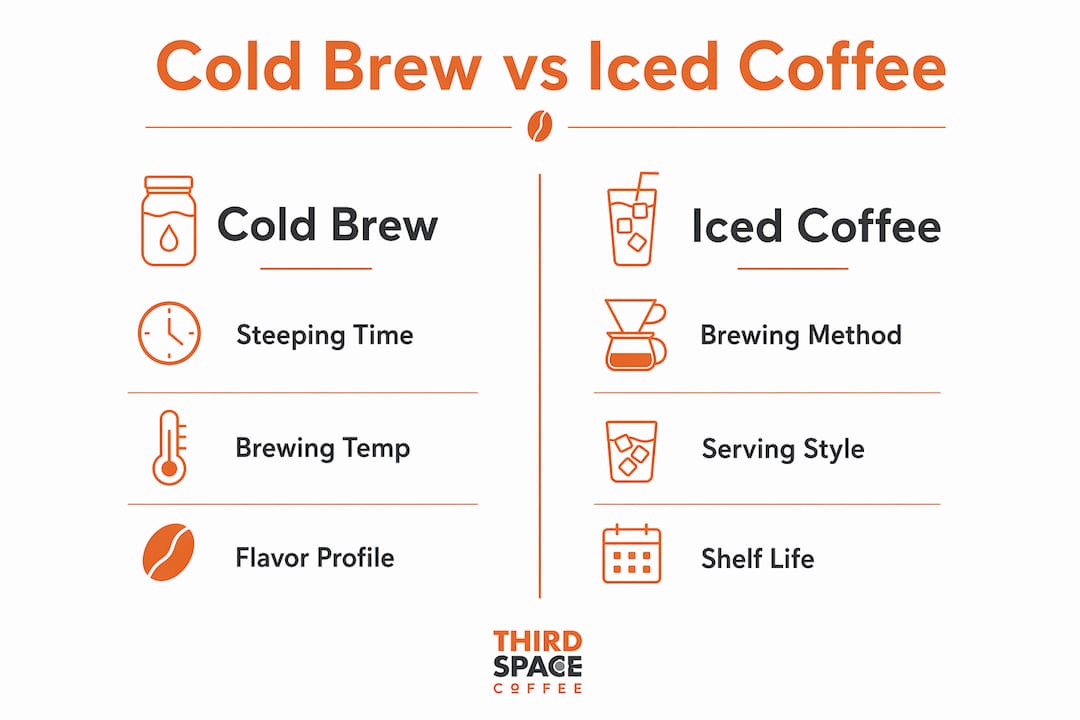
Cold brew and iced coffee look similar in the glass. They are fundamentally different drinks.
Iced coffee is hot-brewed coffee poured over ice or chilled after brewing. The hot brewing process extracts the same bright acids and bitter compounds as a regular cup of drip coffee. Cooling it down does not remove those compounds. It just lowers the temperature.
Cold brew is brewed cold from start to finish. No heat ever touches the grounds. That single difference produces a drink with a completely different acid profile, flavor, and shelf life.
| Aspect | Cold brew | Iced coffee |
|---|---|---|
| Brewing method | Cold or room-temperature water, 12–24 hours | Hot brewed, then cooled or poured over ice |
| Acidity | 60–70% lower than iced coffee | Higher, bright, and sharp |
| Flavor profile | Smooth, chocolatey, naturally sweet | Bright, sometimes bitter, familiar drip taste |
| Caffeine (undiluted) | Higher per ounce in concentrate form | Standard drip coffee levels |
| Shelf life | 1–2 weeks refrigerated | 1–2 days before flavor degrades |
| Serving options | Cold, over ice, with milk, or heated | Primarily cold, over ice |
The shelf life difference is significant for practical use. Cold brew lasts up to two weeks in the refrigerator. Iced coffee goes stale within a day or two. That makes cold brew a far more practical option for anyone who wants coffee ready to grab throughout the week.
Pro Tip: The most common myth about cold brew is that it is just stronger iced coffee. It is not. The brewing temperature changes which compounds are extracted, not just how much. A cold brew made from the same beans as a drip coffee will taste like a different drink entirely.
Practical tips for brewing, storing, and serving cold brew at home
Getting great cold brew at home is straightforward once you know the variables that matter most.
Choosing your equipment
You do not need specialized gear. A French press works well because the built-in plunger acts as a first-pass filter. A large mason jar with a fine mesh strainer and paper filter works just as well. Dedicated cold brew systems with built-in filters are convenient but not necessary for quality results.
Storing your cold brew
- Keep cold brew in a sealed glass container in the refrigerator. Plastic can absorb flavors over time.
- Cold brew concentrate stays fresh for up to two weeks when refrigerated and sealed properly.
- Ready-to-drink cold brew (already diluted) is best consumed within five to seven days.
- Label your container with the brew date so you always know where you stand.
Serving ideas that actually work
- Over ice with water: Dilute concentrate at a 1:1 ratio with cold filtered water for a clean, full-flavored cup.
- With milk or cream: Oat milk and whole milk both complement the chocolatey notes without overpowering them.
- Sweetened: A small amount of simple syrup blends better than granulated sugar in cold liquid.
- Heated: Cold brew concentrate warmed gently in a saucepan or microwave produces a surprisingly smooth hot coffee with less bitterness than drip.
Troubleshooting common problems
- Muddy or gritty taste: Your grind is too fine or your filter is not catching enough particles. Use a paper filter as a second pass.
- Weak or watery flavor: Your ratio is too diluted or your steep time is too short. Try a 1:5 ratio and steep for at least 16 hours.
- Bitter or harsh finish: You steeped too long or your grind is too fine. Pull the brew earlier and grind coarser.
Pro Tip: Protecting coffee freshness starts before you brew. Use whole beans and grind them right before steeping. Pre-ground coffee loses volatile flavor compounds quickly, which flattens the final cup.
Why cold brew changed how I think about coffee
By Tanya
Cold brew taught me that patience is a brewing technique, not just a virtue. The first time I made a proper batch at home, I expected something close to iced coffee. What I got was a completely different drink. The chocolate notes were forward and clean, the finish had no bite, and I did not need to add anything to enjoy it.
The misconception I hear most often is that cold brew is just a summer drink or a trend. It is neither. The reduced acidity makes it genuinely more accessible for people who find hot coffee hard on their stomach. I have recommended it to friends who swore off coffee entirely because of acid reflux, and several of them now brew it weekly.
What surprises most people is how forgiving cold brew is once you understand the basics. You do not need a precise scale or a specialty brewer. A jar, coarse grounds, good water, and 14 hours will get you 90% of the way there. The remaining 10% comes from experimenting with your bean choice and ratio.
Cold brew's growing presence on specialty menus in 2026 reflects something real. Drinkers are paying attention to how coffee is made, not just how it tastes in the moment. Cold brew rewards that attention with a cup that holds up across a full week in the fridge, changes character when you add milk or heat it, and consistently delivers a smoother experience than any hot-brewed alternative I have tried.
— Tanya
Cold brew at Thirdspacecoffee in Colorado Springs
Thirdspacecoffee roasts its beans in-house in Colorado Springs, which means the coffee going into your cold brew is as fresh as it gets.

If you want to skip the 14-hour wait, Thirdspacecoffee's ready-to-drink cold brew is brewed with the same care and quality standards you would apply at home. For those who prefer to brew their own, the whole bean selection gives you freshly roasted options that hold up beautifully through a long cold steep. You can also browse the full specialty drinks menu to see how cold brew fits alongside other carefully crafted options. Orders are available for pickup, so your coffee is ready when you are.
Key takeaways
Cold brew coffee is defined by cold-water extraction over 12–24 hours, producing a smoother, less acidic, and naturally sweeter drink than any hot-brewed alternative.
| Point | Details |
|---|---|
| Cold water defines cold brew | Steeping in cold water for 12–24 hours is what separates cold brew from every other coffee method. |
| Acidity drops significantly | Cold brew is 60–70% less acidic than iced coffee, making it gentler on the stomach. |
| Coarse grind is non-negotiable | Fine grounds cause over-extraction and muddy flavor; always grind coarse for cold brew. |
| Shelf life beats iced coffee | Cold brew stays fresh for up to two weeks refrigerated; iced coffee lasts only 1–2 days. |
| Concentrate needs dilution | A 1:4 to 1:5 ratio produces concentrate; dilute with water or milk before drinking. |
Perspective
FAQ
What is the cold brew coffee definition?
Cold brew coffee is coffee steeped in cold or room-temperature water for 12–24 hours without heat. The National Coffee Association identifies this cold-water steeping method as the defining characteristic of the preparation.
Is cold brew stronger than regular coffee?
Cold brew concentrate contains more caffeine per ounce than standard drip coffee when undiluted. Diluting the concentrate with water or milk brings the caffeine level closer to a regular cup.
How long does cold brew last in the fridge?
Cold brew stays fresh for up to two weeks when stored in a sealed container in the refrigerator. Ready-to-drink cold brew that has already been diluted is best consumed within five to seven days.
Can you heat cold brew coffee?
Yes. Gently warming cold brew concentrate produces a smooth hot coffee with noticeably less bitterness than drip coffee. The low-acid profile holds up well even when heated.
What is the difference between cold brew and iced coffee?
Iced coffee is hot-brewed coffee that is cooled or poured over ice, while cold brew is brewed cold from start to finish. The brewing temperature changes which compounds are extracted, making cold brew smoother, less acidic, and longer-lasting than iced coffee.