
TL;DR:
- Third spaces are social settings outside home and work that foster informal community connections and trust. They promote mental health, reduce loneliness, and build social capital through accessible, conversation-centered environments like coffee shops and parks. Digital communities cannot fully replace the trust and ambient socialization provided by real-world third spaces.
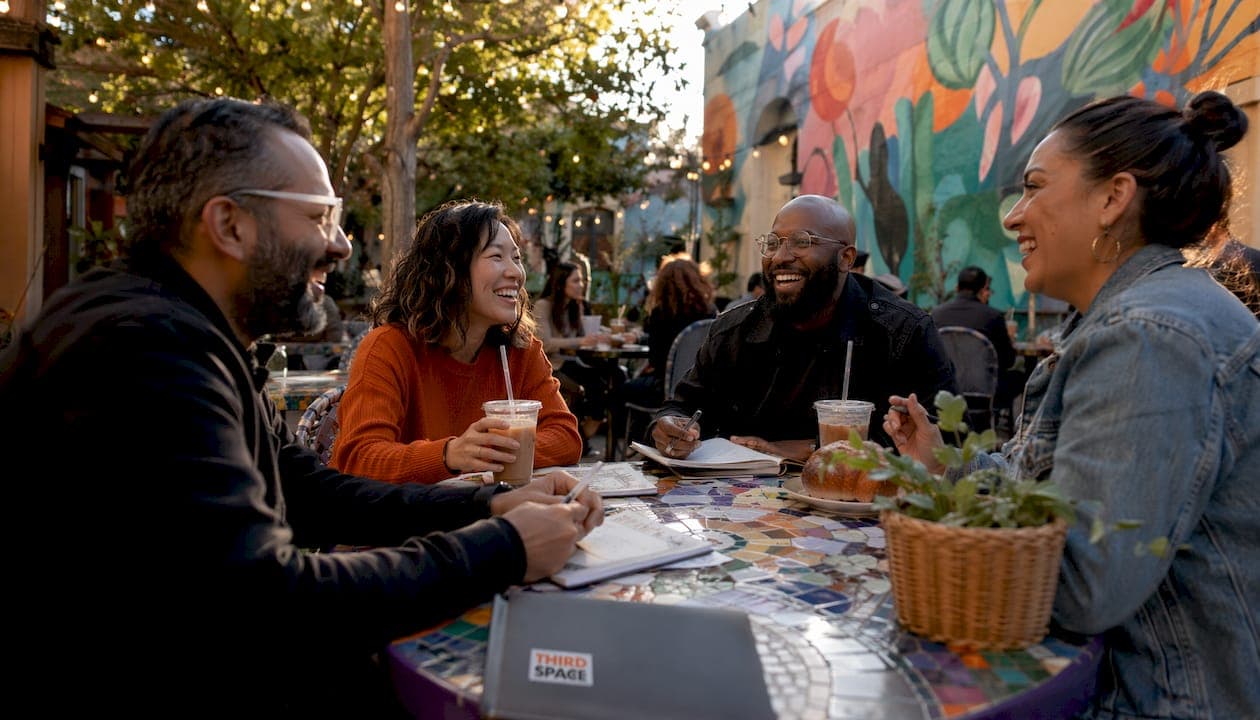
Third spaces are defined as social settings separate from home (the first place) and work (the second place) that serve as the primary venues for informal community gatherings and meaningful connection. Sociologist Ray Oldenburg coined the term, and his framework remains the gold standard for understanding why these places matter. The question of why use third spaces for gatherings has a clear answer: they remove the social pressure of home hosting and the hierarchy of the workplace, creating neutral ground where people connect as equals. Recent 2026 longitudinal research confirms that daily engagement with third places leads to better mood and reduced depressive symptoms. Coffee shops, libraries, parks, and community centers all qualify. Thirdspacecoffee in Colorado Springs is a working example of this concept in practice.
Why use third spaces for gatherings?
Third spaces work for gatherings because they meet a specific set of social conditions that neither homes nor offices can replicate. Ray Oldenburg's sociological framework defines a true third place as conversation-centered, neutral ground, within walking distance, a leveler of social status, and open to regular attendance. Each criterion matters. A space that charges a steep cover fee or requires membership fails the leveler test. A space that is only accessible by car in a low-income neighborhood fails the accessibility test.
What makes a space truly gathering-friendly?
The atmosphere of a third place does more work than its square footage. Welcoming design, low cost of entry, and informal seating arrangements signal to visitors that they belong there. Coffee shops earn their reputation as ideal gathering venues partly because a single cup of coffee is a low-stakes reason to stay for an hour. Libraries and parks serve similar functions at even lower cost. The common thread is that none of these spaces demand a reason for your presence beyond showing up.
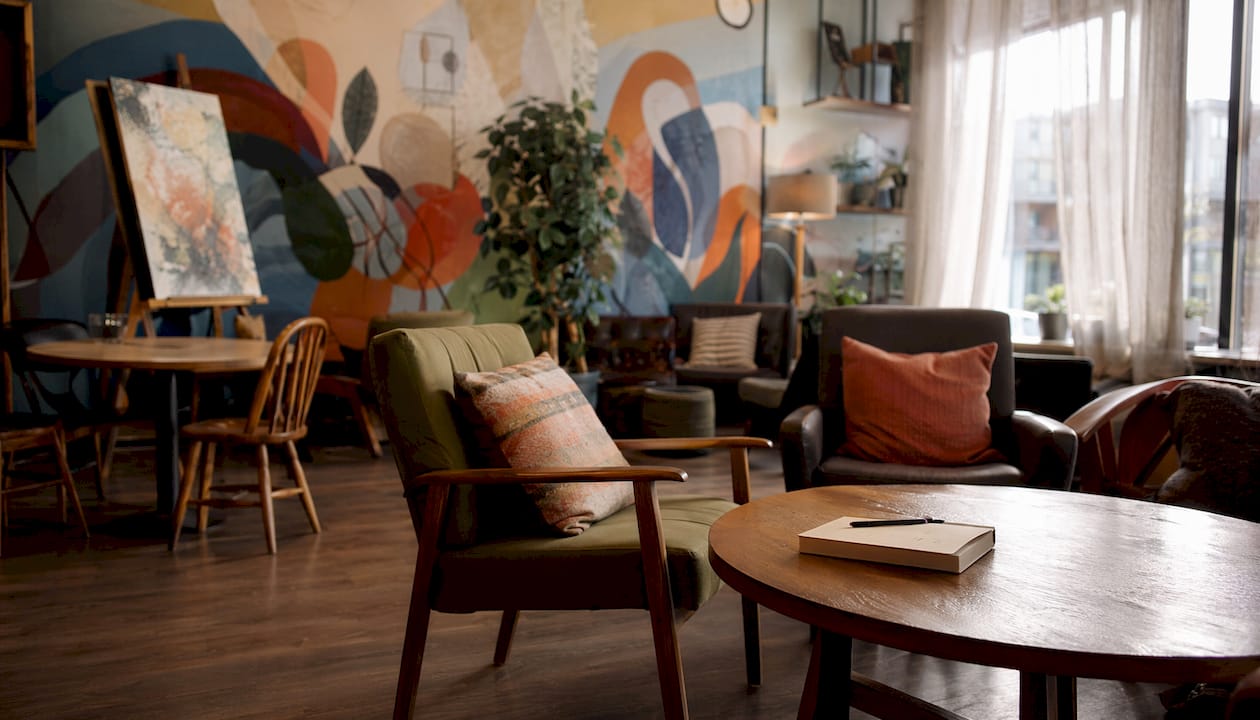
Successful third spaces also prioritize active interaction over passive consumption. A venue where everyone stares at a screen and no one speaks is technically a third place by location, but it fails by function. The design choices that encourage conversation, such as communal tables, open floor plans, and staff who greet regulars by name, are what separate a gathering space from a waiting room.
Pro Tip: When scouting a venue for a recurring gathering, visit it alone first at the same time you plan to hold your event. Watch whether strangers make eye contact, whether staff engage guests, and whether the noise level allows conversation. Those three signals predict whether your group will actually connect there.
What are the benefits of using third spaces for social and professional gatherings?
The benefits of third spaces extend well beyond convenience. Research published in 2026 links time spent in third places to measurable improvements in mood and a reduction in depressive symptoms, even when the interactions are brief and minimal. That finding matters because it means you do not need a structured event or a large group to gain the benefit. Simply being present in a third space with other people produces a positive effect.
Mental health and social wellbeing
Third spaces reduce loneliness by providing consistent, low-pressure opportunities for social contact. Community coffee spaces specifically support mental health by offering ambient socialization, the kind of background human presence that signals safety and belonging without requiring effort. This is distinct from the deliberate socialization of a dinner party or a networking event. Ambient socialization is restorative precisely because it asks nothing of you.
Third spaces also build what sociologists call bridging social capital. That is the kind of trust and goodwill that forms between people who would not otherwise cross paths. A professional gathering in a neutral coffee shop produces different outcomes than the same meeting held in a corporate conference room. The informal setting lowers status signals and encourages more honest conversation.
Work-life balance and stress relief
Third places help maintain work-life balance by providing neutral spaces to relax and engage socially, which reduces mental stress. This is especially relevant for remote workers and freelancers who lack a clear physical boundary between home and work. A regular gathering at a local cafe creates a third anchor point in the week, separate from both domestic and professional obligations.
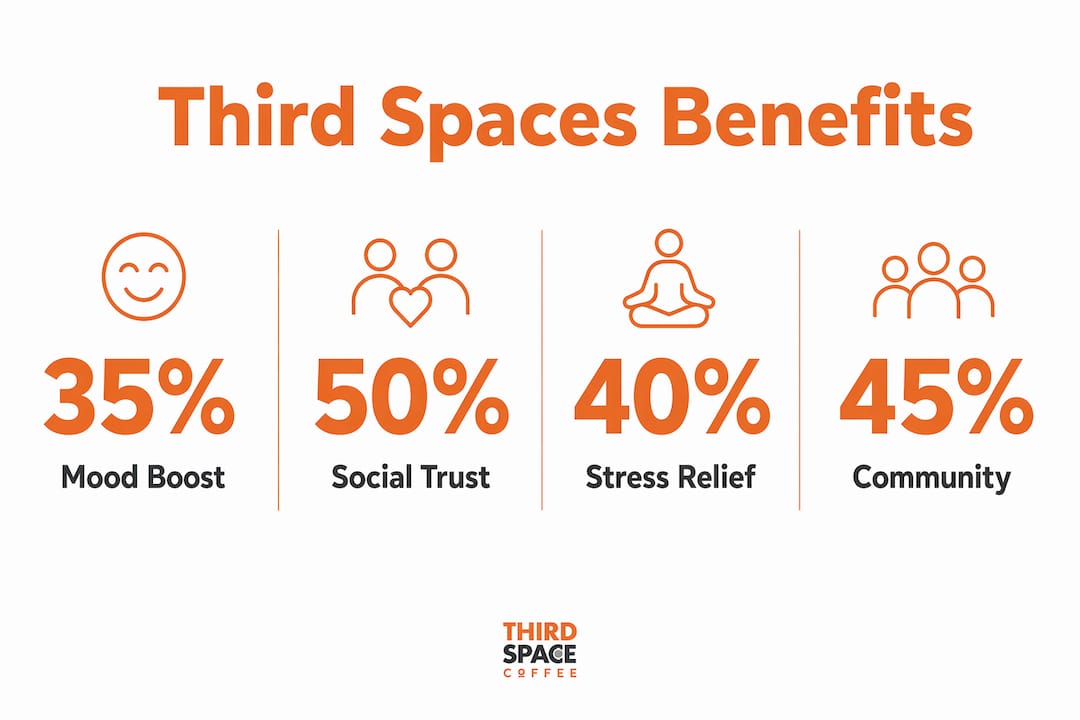
The table below summarizes the core benefits supported by current research.
| Benefit | What the research shows |
|---|---|
| Mood improvement | Daily third place visits correlate with better mood and fewer depressive symptoms |
| Loneliness reduction | Regular attendance builds ambient social bonds that reduce isolation |
| Bridging social capital | Diverse gatherings in neutral spaces build cross-group trust |
| Work-life balance | Neutral venues create mental separation from home and work stress |
| Civic engagement | Recurring gatherings in third spaces strengthen community participation |
How do third spaces act as social levelers for diverse gatherings?
Third spaces are social levelers by design. Bridging social capital forms when people from different income levels, professions, and backgrounds share the same physical space without a formal hierarchy organizing their interaction. A coffee shop where a teacher, a plumber, and a software engineer all sit at the same communal table is doing something a corporate event or a neighborhood association meeting rarely achieves.
Social friction is part of this process. Mild discomfort, the kind that comes from sitting near someone whose opinions differ from yours, is not a flaw in a third space. It is the mechanism through which trust gets built.
"Social friction in third places, though sometimes uncomfortable, is essential for bridging diverse perspectives and building community trust. Treating that friction as a problem to be avoided misses the point entirely."
This is why gathering in local cafes and similar community gathering spaces produces social outcomes that online communities rarely replicate. Digital communities often fail to reproduce the healing and trust-building effects of physical third places. Algorithms sort people into groups of similar views. A physical third space does the opposite.
The key features that make third spaces effective social levelers include:
- Neutral ownership. No single group controls the space, so no group dominates the gathering.
- Low financial barriers. Affordable entry means diverse income levels can participate.
- Informal norms. The absence of formal rules reduces status signaling.
- Consistent access. Regular hours allow people to build familiarity over time.
What practical tips help you host gatherings in third spaces?
Effective use of a third space for gatherings requires consistency more than planning. The regular's algorithm is a behavioral pattern where visiting the same third place weekly for 20 or more minutes, while appearing open to interaction, gradually builds community ties. The shift from stranger to recognized regular happens through repetition, not through a single well-organized event.
- Choose a fixed time and location. Consistency trains both your group and the venue staff to expect you. Regularity is the foundation of community.
- Arrive with open body language. Sit at communal tables rather than isolated corners. Make eye contact. Put your phone away during the first 10 minutes.
- Keep the barrier to entry low. Do not require RSVPs, agendas, or fees for informal gatherings. The easier it is to show up, the more people will.
- Use the venue's natural rhythm. Schedule gatherings during the venue's slower periods so staff can engage and the atmosphere stays relaxed.
- Invite one new person each time. Growth in third space communities happens through personal invitation, not mass promotion.
Pro Tip: Treat your first three visits to a new venue as reconnaissance, not events. You are learning the space's social rhythm before you try to shape it. The hospitality design of a venue, including how staff interact with guests, tells you whether the space will support your gathering or work against it.
What challenges threaten third spaces, and how can communities respond?
Third spaces are disappearing. Census tract-level data from 2025 shows a rapid decline in available gathering spaces between 2019 and 2021, with majority-Black and rural communities hit hardest. Libraries, civic organizations, and churches have all seen closures or reduced hours. Each closure removes a node of social infrastructure that is difficult to replace.
The consequences are measurable. Loss of third places correlates with increased loneliness, reduced civic engagement, and worsened mental health outcomes. When gathering spaces disappear, community trust declines with them. The decline of third places also contributes to political polarization, because people lose the neutral ground where cross-group conversations happen naturally.
Communities can respond in concrete ways:
- Advocate for public third spaces. Support library funding, park maintenance, and community center budgets at the local government level.
- Patronize local venues consistently. A coffee shop that sees regular community use is more likely to survive economic pressure than one that sees only occasional traffic.
- Create informal third spaces where formal ones are absent. A front porch, a church parking lot, or a community garden can function as a third place when designed with accessibility and openness in mind.
- Push back on purely digital substitution. Online groups do not replace physical gathering. They supplement it at best.
Key Takeaways
Third spaces are the most effective venues for gatherings because they combine neutral ground, low barriers to entry, and consistent social contact in ways that neither homes nor workplaces can match.
| Point | Details |
|---|---|
| Third spaces defined | Neutral social settings separate from home and work, built for informal gathering and connection. |
| Core characteristics | Must be accessible, affordable, conversation-centered, and open to regular attendance. |
| Proven mental health benefits | Daily visits correlate with better mood and reduced depressive symptoms, even from brief interactions. |
| Social leveling effect | Third spaces bridge diverse groups and build cross-community trust through shared physical presence. |
| Declining availability | Census data shows significant loss of third places since 2019, with unequal impact on vulnerable communities. |
Why physical third spaces still matter more than digital ones
I have spent years watching people try to replicate the third space experience online, and the results are consistently disappointing. Group chats, Discord servers, and virtual meetups solve a logistics problem. They do not solve a loneliness problem. The ambient socialization that happens when you sit in a room with other humans, even strangers, is something no platform has figured out how to bottle.
What I have noticed in practice is that the groups who thrive are the ones who treat consistency as their primary discipline. They show up to the same place at the same time, week after week, regardless of how many people come. Over months, the venue staff starts to recognize them. Other regulars start to drift over. The gathering grows not because of marketing but because of presence.
The other thing worth saying plainly: the mild discomfort of sharing space with people who are different from you is not a bug. It is the whole point. The most valuable conversations I have had in third spaces were with people I would never have sought out deliberately. That is what makes these venues irreplaceable. You cannot curate your way into genuine community.
— Tanya
Thirdspacecoffee: a gathering space built for real connection
Thirdspacecoffee in Colorado Springs was built around exactly this idea. The space combines in-house roasted specialty coffee with an atmosphere designed for conversation, not just consumption.

Whether you are organizing a professional meetup, a recurring friend group, or a community event, Thirdspacecoffee offers the neutral ground, the welcoming staff, and the quality coffee that make people want to stay. Their specialty drinks menu gives every gathering a reason to linger. The venue is bookable for private events, which means you can bring the third space concept to a group of any size without the overhead of a formal event space. If you are in Colorado Springs and looking for a place where community actually happens, Thirdspacecoffee is the right starting point.
FAQ
What is a third place in sociology?
A third place is a social setting separate from home and work where people gather informally. Ray Oldenburg defined it as neutral ground that levels social status and centers conversation.
Why are third spaces better than hosting at home for gatherings?
Third spaces remove the burden of hosting and eliminate home-based social hierarchies. They provide neutral ground where all guests arrive on equal footing, which produces more open conversation.
How often should you visit a third space to build community?
Visiting the same third space weekly for 20 or more minutes while staying open to interaction is the most effective pattern for building lasting community ties.
What happens when third spaces disappear from a community?
Loss of third places correlates directly with increased loneliness, reduced civic engagement, and declining community trust. Rural and majority-Black communities face the steepest losses.
Can online communities replace physical third spaces?
Physical third spaces support ambient socialization and cross-group trust in ways that digital communities cannot replicate. Online groups supplement physical gathering but do not substitute for it.