 how-to
How to Choose a Unique Event Venue in Colorado Springs?
Last Updated: October 24, 2026
Quick Summary
Choosing the right event venue starts with clarity about your needs: event type, guest count, budget, date, and desired atmosphere. Match the venue's capacity and layout to your specific requirements, then evaluate it consistently across five dimensions, capacity fit, total cost, rules, permits, and logistics, to make an accurate comparison.
- Determine guest count and add a 10-15% buffer to avoid overcrowding or wasting rental money on oversized spaces.
- Score each venue on the same five dimensions using a one-page checklist filled in on-site to enable accurate side-by-side comparison.
- Get all costs in writing including base rental, setup, cleaning, staff, security, food-and-beverage minimums, and cancellation terms.
- Ask about rules upfront: alcohol policies, outside catering allowance, noise restrictions, and decoration limitations.
- Build a weather contingency into your venue choice by confirming indoor backup space, heating or cooling capacity, and exterior lighting.
Table of Contents
- Understanding Your Event Venue Needs
- Evaluating Event Venue Capacity and Layout
- Creating Your Event Venue Rental Checklist
- Questions to Ask When Booking an Event Venue
- Exploring Small Event Spaces in Colorado Springs
- Seasonal Planning and Logistics for Your Event
- Booking Your Event Space at Third Space Coffee
- Frequently Asked Questions
Understanding Your Event Venue Needs
Choosing the right event venue starts with clarity about what you actually need. Before you tour spaces or compare options, get specific about your event.
These details shape everything that follows. A bridal shower for 40 people needs different features than a corporate team meeting for 15.
Start by answering these core questions:
- Event type: Private party, corporate meeting, celebration, gathering, or team-building activity?
- Guest count: Are you planning for 25 people, 75 guests, or somewhere in between?
- Date and time: When do you want to host? Morning, afternoon, evening, or after-hours?
The groups that get this right upfront waste far less time touring wrong spaces.
Evaluating Event Venue Capacity and Layout
The physical space itself matters more than most people realize.

Guest capacity is straightforward: count your expected attendees and add 10-15% buffer. A venue that fits 50 guests comfortably becomes cramped at 60.
Beyond raw capacity, think about layout options. Can the space be arranged for mingling? Theater-style seating? Banquet tables? Cocktail-style standing?
The best event venue also has good traffic flow. Guests should move easily between areas without bottlenecks.
Consider these layout factors:
- Ceiling height (important for atmosphere and comfort)
- Natural light and window placement
- Number and location of entrances and exits
Learn more about what matters most by reviewing what to look for in meeting rooms to understand specific features that support different event types.
Creating Your Event Venue Rental Checklist
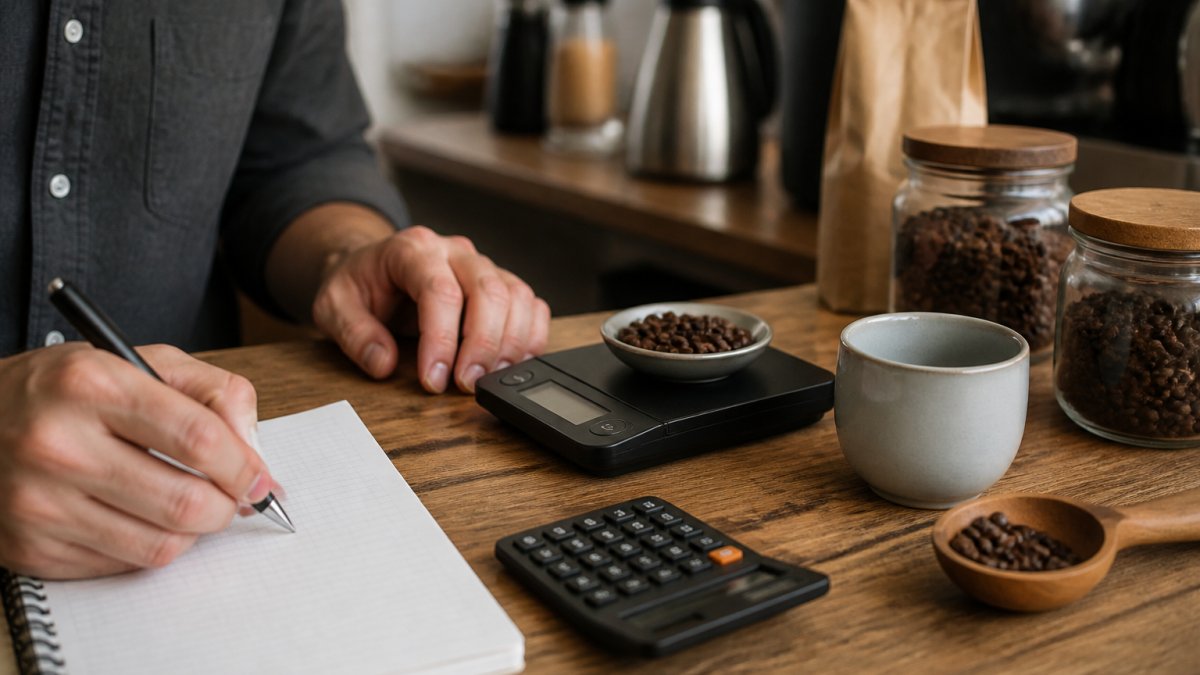
A checklist is only useful if it produces comparable answers across venues. Instead of a yes/no list, score each venue on the same five dimensions and write the answer in the same place for every tour.
1. Capacity and layout fit
- Ask for the seated capacity, standing/cocktail capacity, and theater-style capacity separately, they are rarely the same number.
- Confirm the layout you want is achievable with the venue's own furniture and whether rearranging costs extra staff time.
- Note ceiling height, column placement, and door widths if you are bringing in a backdrop, stage, or large rentals.
2. Total cost, not just rental rate
- Get the base rental fee, then ask what is billed separately: setup/breakdown labor, cleaning, staff, security, coat check, AV, and parking. Review a private event space rental price list to see what pricing components to expect when evaluating venues.
- Ask whether there is a food-and-beverage minimum, a service charge (often a percentage added to catering), and a required deposit.
- Confirm the cancellation and reschedule terms in writing, including how much of the deposit is refundable and by what date.
3. Rules that can change your plan
- Alcohol: ask whether you may serve it, whether a licensed bartender or server is required, and whether proof of liquor liability insurance is required.
- Outside catering: confirm whether it is allowed, whether the caterer must be licensed and insured, and whether a kitchen or prep area is available.
- Noise: ask about local noise limits and quiet hours, and whether amplified music or a DJ is permitted.
4. Permits and insurance
- For public parks and city-owned spaces, ask which permits are required, how far in advance they must be filed, and whether the venue handles them or you do.
- For private venues, ask what certificate of insurance they require and whether your homeowner's or event policy can satisfy it.
- Confirm who is responsible for security, crowd management, and emergency procedures.
5. Logistics and access
- Confirm load-in and load-out windows, elevator or ramp access, and where vendors park.
- Ask how early you can arrive for setup and how late you can stay for breakdown, and what the overtime rate is.
- Confirm restroom count and accessibility, coat storage, and whether there is a separate quiet or green room.
Once the sheet is complete, rank venues on total cost, rule friction, and logistics fit, not on how the photos looked. A venue that scores well on all three is usually the one that makes event day calm.
Score each venue consistently across these five key dimensions to make an accurate side-by-side comparison.
| Dimension | What to Confirm | Key Details |
|---|---|---|
| Capacity and layout fit | Seated, standing, and theater-style capacity | Ask separately; confirm layout achievability |
| Total cost | Base rental fee plus all add-ons | Setup, cleaning, staff, security, F&B minimum |
| Rules that can change your plan | Alcohol, catering, noise, decorations | Get policies in writing before booking |
| Permits and insurance | Required documents and responsibility | Confirm who files and what coverage is needed |
| Logistics and access | Load-in, setup time, restroom count | Confirm windows, parking, and overtime rates |
Questions to Ask When Booking an Event Venue
The conversation with a venue operator reveals whether they're organized, professional, and right for your needs. Ask these questions directly.
About the Space:
- "Can I see the space exactly as it will be set up for my event type?"
- "What's the maximum capacity, and how does that change with different layouts?"
- "Are there any noise restrictions, and what happens if we exceed them?"
About Amenities:
- "What furniture and equipment are included in the rental price?"
- "Can we bring in our own catering, or do we have to use your vendor?"
- "Is Wi-Fi reliable for presentations or video calls?"
About Logistics:
- "How early can we arrive for setup, and how late can we stay for breakdown?"
- "Is there loading access for deliveries or equipment?"
- "Do you provide tables, chairs, and basic setup, or do we arrange that?"
About Support:
- "Will staff be on-site during our event?"
- "How do we contact someone if we have an issue during the event?"
- "Do you handle cleanup, or is that our responsibility?"
These questions help you assess whether the operator is responsive and whether the venue actually fits your needs. Renting space for corporate team meetings provides deeper guidance on what to ask when booking for business purposes.
Exploring Small Event Spaces in Colorado Springs
Small venues offer intimacy and personality that large hotel event centers can't match.
Colorado Springs has excellent small event spaces beyond the typical conference room.
The advantage of a small space is atmosphere. A unique venue becomes part of your event story.
The trade-off is flexibility. Small spaces have fewer amenities built in.
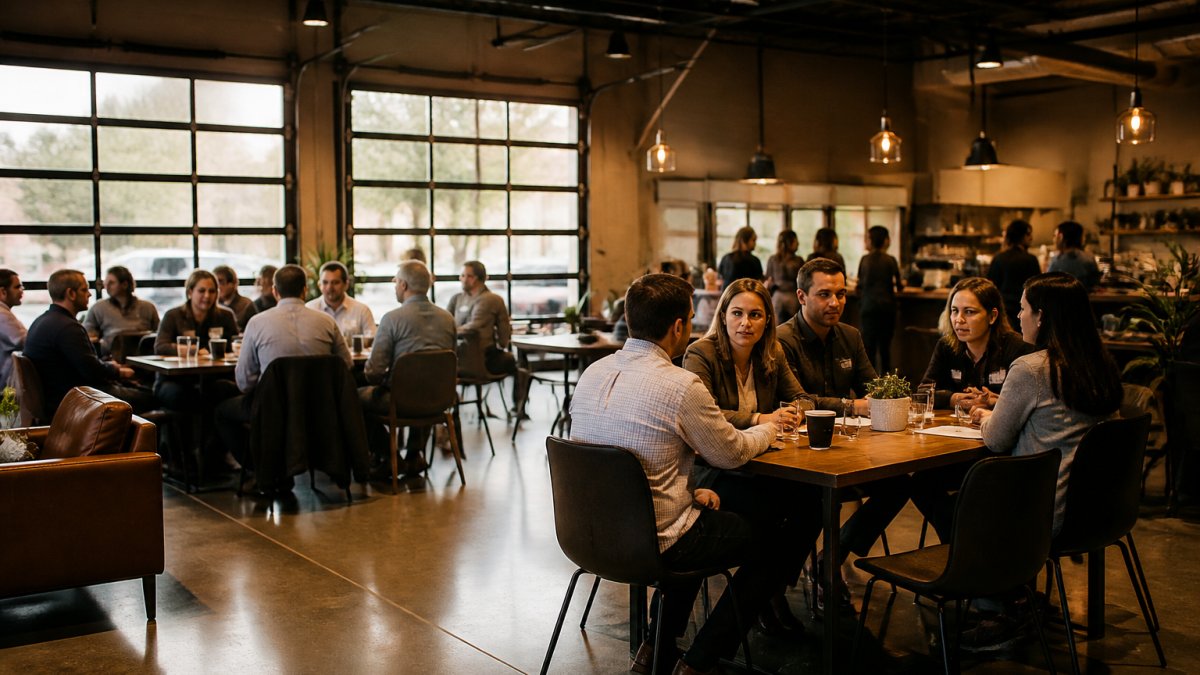
Third Space Coffee operates as both a daily gathering place and an after-hours event venue.
Alternative options to large hotel event centers explores other unique small venues and how they compare for different event types.
Seasonal Planning and Logistics for Your Event
Weather is the variable most event planners underestimate, and it is the one that most often turns a good venue choice into a stressful event day. The practical fix is to decide, before you book, what your weather plan is, not after the forecast turns.
Build a weather contingency into the venue choice itself
- If any part of your event is outdoors, ask whether the venue has an indoor backup space large enough for your full guest count, and whether using it costs extra or requires a separate booking.
- Ask how late you can make the call to move indoors, and who decides.
- Confirm whether the venue provides tents, heaters, or fans, or whether you must rent them, and get rental lead times in writing.
Match the season to the space, not the other way around
- Winter events put a premium on reliable heating, a draft-free entry, and a place for coats and boots. Ask how the space is heated and whether it stays comfortable with the doors opening and closing during arrivals.
- Summer events put a premium on cooling and shade. Ask whether the space is air-conditioned, how it performs with a full guest count, and whether afternoon sun makes west-facing rooms uncomfortable.
- Spring and fall are the most forgiving seasons, but they are also when demand is highest, popular dates can book many months out, so confirm availability before you fall in love with a space.
Plan around daylight
- Daylight hours shrink significantly in winter, which affects arrival photos, outdoor portions, and the walk from parking to the door (What Causes the Seasons?).
- Ask what exterior and pathway lighting the venue has and whether it is on a timer or switched manually.
- If your event relies on natural light, confirm the window orientation and what time the light changes.
Confirm the logistics that weather affects
- Parking and walkability if snow or rain arrives.
- Whether the entrance is covered and whether there is a place for guests to wait.
- Who clears snow or ice, and by what time.
A venue that can answer these questions clearly is usually a venue that has hosted enough events to have thought about weather. That is a better signal than any photo.
seasonal weather patterns and averages
Booking Your Event Space at Third Space Coffee
When you're ready to book, here's how to move forward with Third Space Coffee.
We offer flexible meeting room rental for after-hours events and professional gatherings.
Contact us to discuss your event date, guest count, and specific needs. We'll walk you through our space options, pricing, and what's included.
Our goal is to make your event planning straightforward. We're here to help you host something memorable in a space that feels genuine and welcoming.
Frequently Asked Questions
How do I choose the right event venue for my guest count?
Start by determining your exact headcount, including a 10% buffer for last-minute additions. Match this number to the venue's capacity, a space that feels empty with too few guests or cramped with too many will diminish your event. Consider your event type: intimate gatherings like bridal showers typically work best in smaller, cozier event spaces, while team meetings or holiday parties may need flexible layouts. Always ask the venue about their maximum and minimum guest counts, and whether they can adjust furniture or room configurations to fit your specific needs.
What should I ask before booking an event venue?
Ask about included amenities, setup and breakdown time, parking availability, Wi-Fi reliability, kitchen access, noise restrictions, cancellation policies, and whether the venue permits outside catering or alcohol. Confirm their insurance requirements, ask if you need additional liability coverage, and inquire about permit requirements for your specific event type. Request details on lighting, sound system quality, and restroom capacity. Finally, ask how far in advance you need to book and whether pricing includes tables, chairs, and basic décor or if those are additional costs.
How far in advance should I book an event venue?
For most events, book 4-8 weeks ahead to secure your preferred date and time. Larger events or peak seasons (December holidays, summer weekends) may require 8-12 weeks notice. Smaller, intimate gatherings in flexible spaces like coffee shops or meeting rooms often have shorter lead times, sometimes just 2-3 weeks. Always confirm the venue's specific booking window when you first inquire, as availability varies by season and event type.
What makes a small event space better than a large commercial venue?
Small event spaces offer lower costs, more personalized service, unique character, and easier logistics for intimate gatherings. They typically require less setup time, have simpler parking situations, and feel less formal, ideal for bridal showers, birthday parties, or team lunches. Smaller venues often allow more flexibility with décor and catering, and the cozy atmosphere naturally encourages conversation and connection among guests, which is why many choose them for private events over traditional event centers.
Booking an event venue that fits your needs doesn't have to be complicated. Start with clarity about what you need, evaluate spaces against your checklist, and ask the right questions. Third Space Coffee brings together quality coffee, flexible space, and genuine hospitality. Explore hourly versus daily rental models to understand pricing options that match your event scope and budget.