
TL;DR:
- A coffee tasting, or cupping session, is a structured event where participants evaluate coffee using a standardized method and limited group sizes. Proper planning involves selecting contrasting coffees, using precise equipment, and creating an environment conducive to sensory focus, with structured tasting steps and engaging discussions. Hosting a successful event relies on careful selection, pacing, ambiance, and providing guests with resources to articulate their impressions.
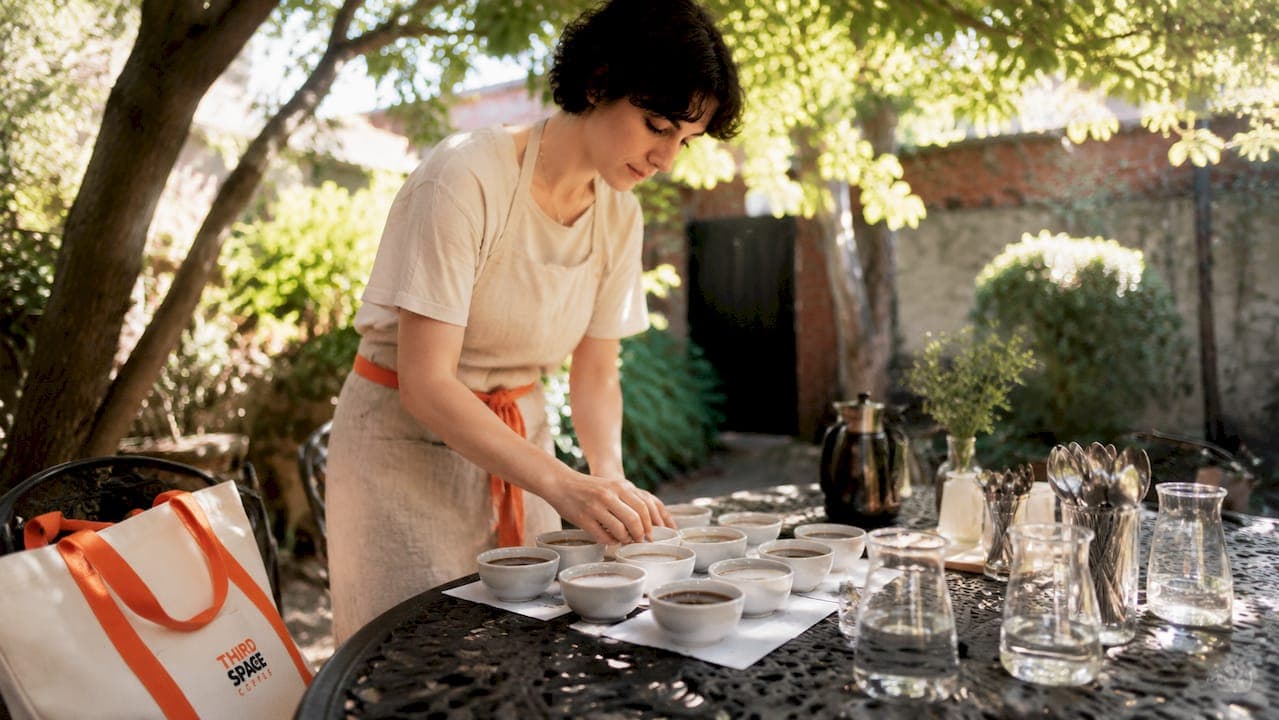
A coffee tasting event, known in the specialty coffee world as a cupping session, is a structured gathering where participants evaluate coffee by aroma, flavor, and finish using a standardized methodology. Planning a coffee tasting event means more than brewing a few pots. It means curating a sensory experience that teaches guests to notice what they have never noticed before. The Specialty Coffee Association recognizes cupping as the professional standard for evaluating coffee quality. The ideal group size is 4 to 8 participants, which keeps discussion focused and gives everyone room to engage. A well-run session runs 60 to 90 minutes total, with roughly 5 minutes dedicated to each coffee sample.
How to plan a coffee tasting event: choosing your coffees and materials
The coffees you select define the entire experience. Choose 3 to 5 samples that differ meaningfully in origin, roast level, or processing method. A flight might include an Ethiopian natural process for fruit-forward brightness, a Colombian washed coffee for clean sweetness, and a dark-roasted Sumatra for earthy body. That contrast gives guests something concrete to compare and discuss.
Equipment you need:
- A burr grinder (blade grinders produce uneven grounds that muddy flavor)
- A kitchen scale for consistent dosing
- A gooseneck kettle for controlled pouring
- Cupping bowls or identical mugs for each sample
- Spoons for sampling and water for palate cleansing
- Printed tasting sheets with space for aroma, flavor, and finish notes
Freshness matters more than most hosts expect. Grind each coffee immediately before brewing. Use a 1:15 to 1:17 coffee-to-water ratio and water heated to 195–205°F for consistency across all samples. Any variation in ratio or temperature skews the comparison and confuses guests.
Pro Tip: Prepare two cups per coffee sample. Duplicate cups help you catch inconsistencies in grind or bean quality before guests ever taste them.
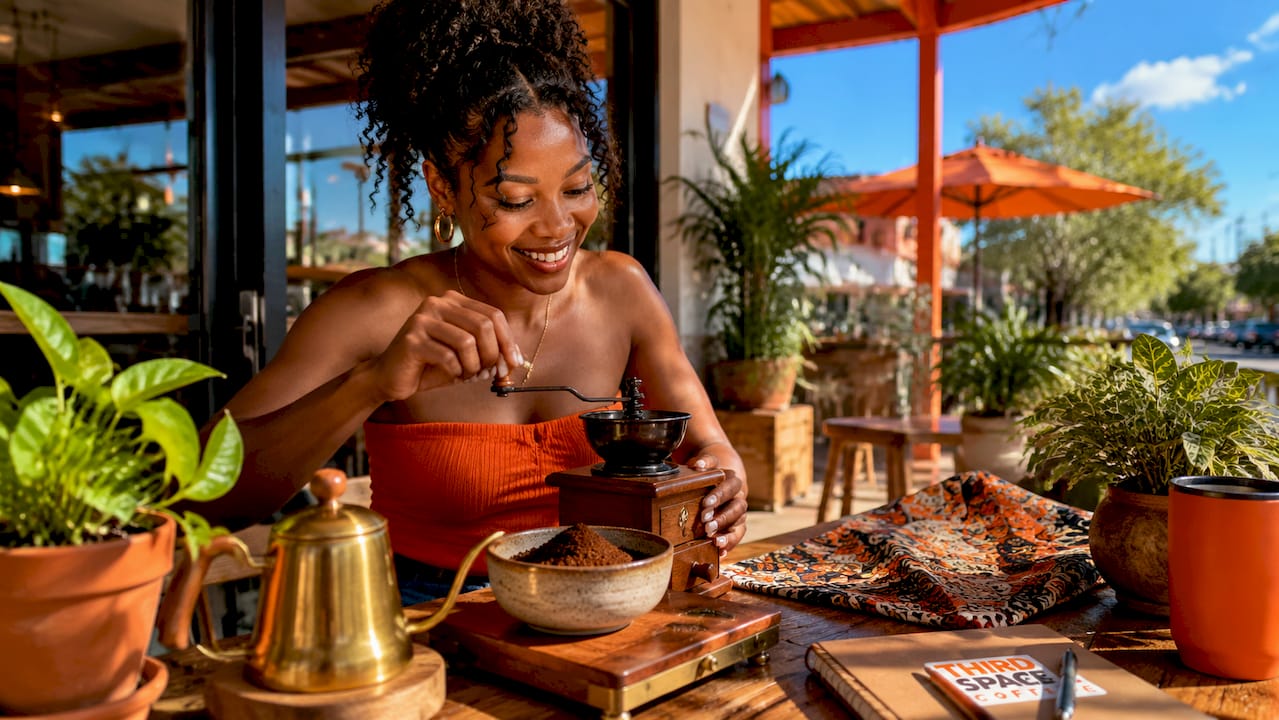
Label each cup clearly with the coffee's origin, processing method, and roast level. Tasting sheets should include those same details plus blank lines for personal notes. Guests who write down impressions engage more deeply and remember the experience longer.
What are the best logistics for organizing a coffee tasting?
Venue choice shapes the entire sensory environment. A room with good natural light, minimal competing aromas, and enough table space for all samples works best. Thirdspacecoffee in Colorado Springs operates as both a specialty coffee shop and an event space designed for exactly this kind of gathering. The right setting removes friction and lets guests focus on the coffee.
Guest guidelines to send with your invitation:
- Ask guests to avoid wearing perfume or cologne on the day of the event
- Recommend they avoid strong foods in the hour before arriving
- Suggest they arrive a few minutes early to settle in before the tasting begins
- Let them know water and a light palate cleanser will be provided
Schedule your event in the mid-morning or early afternoon. Palate sensitivity is highest before heavy meals and before taste fatigue sets in from a full day of eating and drinking. A 10 a.m. or 11 a.m. start works well for both social and corporate groups.
Pro Tip: Play soft, instrumental background music at low volume. Research on sensory environments shows that ambient sound at a comfortable level reduces social anxiety and helps guests open up during discussion.
Public events require additional planning. Secure permits, health department approvals, and liability insurance at least 6 to 8 weeks before the event date. Missing this window can delay or cancel your event entirely. Corporate gatherings held in private venues typically face fewer regulatory hurdles, but confirm with your venue contact well in advance.
How do you conduct a coffee tasting step by step?
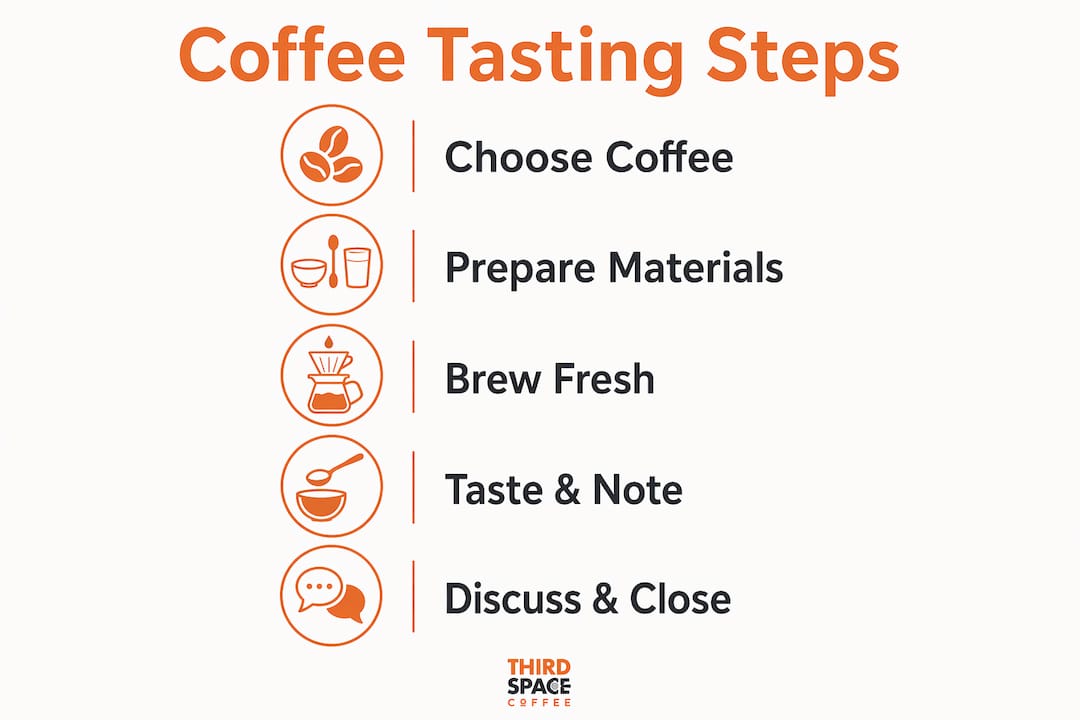
A structured tasting follows a clear sequence that mirrors professional cupping methodology. Walking guests through each step out loud keeps the group synchronized and prevents anyone from rushing ahead or falling behind.
- Smell the dry grounds. Before adding water, pass each cup and ask guests to inhale the dry coffee. Aroma compounds are most concentrated before brewing. Encourage guests to write one or two words on their tasting sheet.
- Add hot water and wait. Pour water at 195–205°F over the grounds and let the coffee steep for 4 minutes. A crust of grounds will form on the surface.
- Break the crust. Use a spoon to push through the crust on each cup. This releases a concentrated burst of aroma. Lean in and smell immediately.
- Skim and clear the surface. Remove floating grounds with two spoons so the liquid is clean for tasting.
- Slurp to taste. The slurp technique atomizes coffee across the entire palate, which is the most effective way to detect subtle flavor nuances. It feels awkward at first. Tell guests that upfront so they laugh and relax.
- Taste at multiple temperatures. Sampling at roughly 70°C, 55°C, and 38°C reveals different qualities. High heat shows brightness and aroma. As the coffee cools, body and sweetness become clearer. Defects that hide when hot often appear at lower temperatures.
- Record impressions after each sample. Give guests 60 seconds of quiet writing time before opening discussion.
Pro Tip: Provide each guest with a dedicated tasting cup or use spoon-to-spoon transfers when sharing from a communal bowl. This simple step eliminates hygiene concerns and keeps the experience comfortable for everyone.
Allocate roughly 5 minutes per coffee. For a flight of five coffees, that fills 25 minutes of structured tasting, leaving ample time for discussion and a closing segment within your 60 to 90 minute window.
How do you close a coffee tasting and keep guests talking?
The closing segment is where the event becomes memorable. Guests have tasted, taken notes, and formed opinions. Your job is to give those opinions a place to land.
Open the floor with specific questions rather than general ones. "Which coffee surprised you most?" produces richer answers than "What did you think?" Ask guests to share one word from their tasting sheet and explain why they chose it. That simple prompt creates a chain of conversation that rarely needs prompting after the first two or three responses.
Discussion prompts that consistently generate engagement:
- "Which coffee would you want with breakfast, and which would you save for after dinner?"
- "Did any coffee remind you of a specific food or memory?"
- "Which one changed the most as it cooled?"
Tasting notes on bags are guides, not prescriptions. Tell guests this directly. Personal food memory builds more authentic flavor recognition than trying to match a printed descriptor. If someone tastes dried apricot where the bag says blueberry, that response is valid and worth discussing.
Pair the tasting with a light snack like plain crackers or shortbread. Complementary snacks accentuate flavor contrasts between coffees and make the experience feel more complete. Send guests home with a printed flavor profile guide or a link to a beginner's tasting notes resource so they can keep building their palate after the event.
Close with a genuine thank you. Name the coffees, name the farmers or regions if you know them, and acknowledge the guests for showing up curious. That human moment is what people remember and what makes them want to come back.
Key Takeaways
A successful coffee tasting event requires the right coffees, consistent brewing ratios, structured sensory steps, and a closing discussion that gives guests a way to articulate what they experienced.
| Point | Details |
|---|---|
| Optimal group size | Keep groups between 4 and 8 people for focused discussion and meaningful engagement. |
| Coffee selection | Choose 3 to 5 samples with distinct origins, roast levels, or processing methods for clear contrast. |
| Brewing consistency | Use a 1:15 to 1:17 coffee-to-water ratio and 195–205°F water for every sample. |
| Tasting technique | Use the slurp method and taste each coffee at multiple temperatures to reveal its full flavor profile. |
| Event logistics | Secure permits and insurance at least 6 to 8 weeks ahead for any public-facing event. |
What I have learned from hosting coffee tastings
The single biggest mistake I see hosts make is rushing the selection process. They grab whatever is on hand rather than building a flight with real contrast. When every coffee tastes vaguely similar, guests have nothing to anchor their impressions to. Contrast is the engine of a good tasting. An Ethiopian natural next to a washed Guatemalan next to a dark Indonesian roast gives guests three completely different sensory worlds to navigate.
Pacing matters just as much as selection. I have watched hosts try to squeeze seven or eight coffees into 90 minutes. Palate fatigue sets in around the fourth or fifth sample, and guests stop tasting with any real attention. Five coffees is the ceiling for most groups. Three is often better for beginners.
Ambiance is underrated. I once hosted a tasting in a room that smelled faintly of cleaning product. Guests could not smell the coffee clearly, and the whole session felt flat. Natural light, neutral scents, and a comfortable temperature are not decorative choices. They are functional ones that directly affect what guests perceive in the cup.
The moment I find most rewarding is when a guest says something like, "I never knew coffee could taste like that." That reaction does not happen by accident. It happens because the host chose interesting coffees, created the right environment, and gave guests the language and structure to notice what was already there.
— Tanya
Thirdspacecoffee: your partner for a memorable tasting event
Thirdspacecoffee in Colorado Springs roasts its whole bean coffees in-house, which means you get fresher, more expressive samples than anything sitting on a grocery store shelf.

Their whole bean coffee selection gives you the variety you need to build a flight with real contrast across origins and roast levels. If you want to feature something more crafted, their specialty drinks menu offers a range of options that work beautifully as a finale to any tasting. Thirdspacecoffee also operates as a bookable event space, so you can host your gathering in a room already designed for coffee and community. Reach out through their website to discuss availability and what they can prepare for your group.
FAQ
What is the ideal group size for a coffee tasting?
The ideal group size is 4 to 8 people. Smaller groups allow everyone to participate in discussion without the session losing focus.
How many coffees should I serve at a tasting?
Serve 3 to 5 coffees. More than five samples causes palate fatigue, which reduces the quality of impressions guests can form by the end of the flight.
What is the slurp technique and why does it matter?
The slurp technique atomizes coffee across the entire palate, making subtle flavors far easier to detect than a standard sip allows.
Do I need permits to host a coffee tasting event?
Public coffee tasting events require permits, health approvals, and liability insurance. Start the process 6 to 8 weeks before your event date to avoid delays.
How do I help guests describe what they taste?
Give guests a printed flavor profile guide and encourage them to connect flavors to personal food memories rather than matching bag descriptors exactly. Tasting notes are starting points, not answers.