
TL;DR:
- Single origin coffee comes exclusively from one geographic location, emphasizing flavor, traceability, and origin. Its taste varies based on terroir, including altitude, soil, and processing method, and is best brewed light to preserve nuances. The term lacks a legal standard, so checking specific farm or region details ensures authenticity and quality.
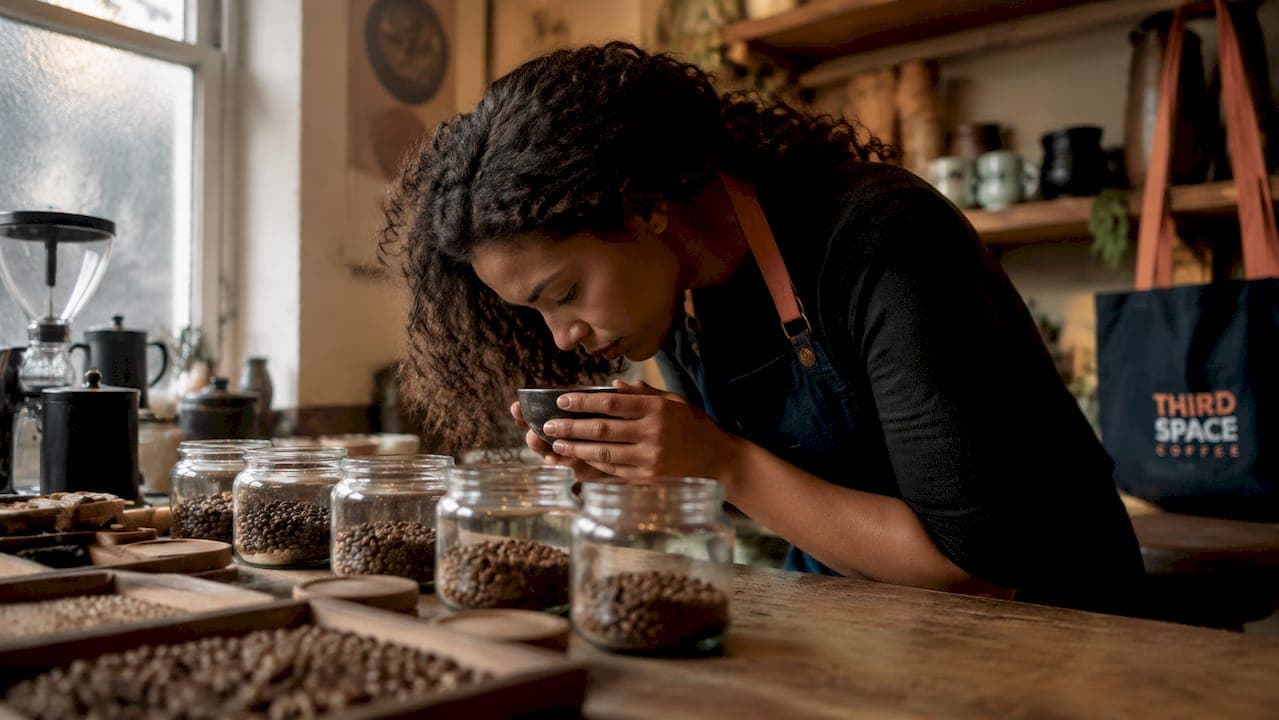
Single origin coffee is defined as coffee sourced exclusively from one specific geographic location, whether that is a country, region, farm, or micro-lot. That definition sounds simple, but it carries real weight for anyone who cares about what's in their cup. The term shapes how coffee is grown, traded, roasted, and tasted. Understanding what is single origin coffee means understanding why a cup from Ethiopia tastes nothing like one from Colombia, and why that difference is worth paying attention to. Thirdspacecoffee roasts single origin whole beans in-house, which puts this question at the center of everything they do.
What does "single origin" actually mean?
Single origin coffee refers to beans sourced from one geographic location, but the term covers a wide range of specificity. A bag labeled "single origin" could mean anything from an entire country's harvest to a single field on one farm. That range matters more than most coffee drinkers realize.
The levels of origin specificity, from broadest to most precise, break down like this:
- Country level: Beans from one nation, such as Brazil or Ethiopia. This is the most common and loosest use of the term.
- Regional level: Beans from a defined growing zone, such as Yirgacheffe in Ethiopia or Huila in Colombia. More specific, and more flavorful as a result.
- Cooperative level: Beans pooled from multiple small farms within a community. Common in East Africa and Central America.
- Farm level: Beans from a single named farm or estate. Traceability is strong here.
- Micro-lot level: The most precise designation. Micro-lots refer to specific fields or individual harvests, though aggregation at the exporter level can blur true single-farm identity.
The critical nuance: no universally enforced legal definition governs the term "single origin." Roasters can label coffee as single origin even if it blends beans from multiple farms within one country. That means you need to read the label carefully and ask questions about sourcing specificity.
Pro Tip: When buying single origin coffee, look for a named farm, cooperative, or region on the bag rather than just a country name. The more specific the origin, the more traceable and distinctive the flavor.
How does terroir shape single origin coffee taste?
Terroir is the French term used in wine and coffee to describe how a place's environment shapes what grows there. For coffee, terroir includes altitude, soil, rainfall, temperature, and microclimate. Each of these factors leaves a direct fingerprint on the bean's flavor compounds.
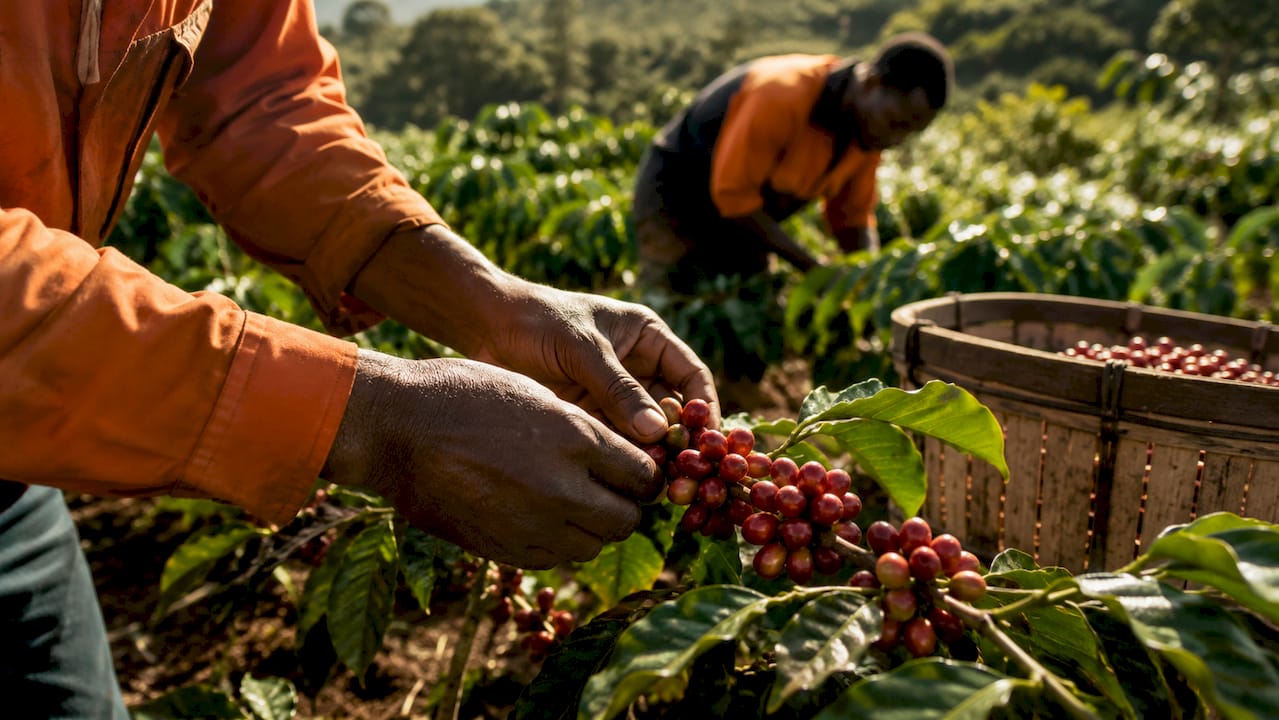
Altitude is one of the most powerful variables. Coffee grown at higher elevations, typically above 1,500 meters, develops more slowly. That slower development concentrates sugars and acids, producing the bright, complex flavors associated with specialty coffee. Lower-altitude beans tend toward earthier, heavier profiles.
Soil composition adds another layer. Volcanic soils in Guatemala and Costa Rica contribute mineral notes and body. The rich, loamy soils of Ethiopia's Yirgacheffe region produce the floral and blueberry characteristics that make Ethiopian coffee famous worldwide. You can learn more about how these factors interact in this deep look at coffee terroir.
Processing method also plays a major role. The three main approaches are:
- Washed (wet) processing: The fruit is removed before drying, producing clean, bright, and acidic cups. Common in Ethiopia and Kenya.
- Natural (dry) processing: Beans dry inside the fruit, absorbing its sugars. This creates fruity, wine-like, and sometimes fermented flavors. Common in Brazil and Ethiopia.
- Honey processing: A middle path where some fruit mucilage remains during drying, producing sweetness with moderate acidity.
"Single origin coffees are best understood as a direct expression of place. The altitude, the soil, the rain, the processing method. Every cup tells you something specific about where it came from and how it was handled."
Single origin coffees are roasted lighter than blends precisely to preserve these terroir-driven flavor compounds. A dark roast would mask the floral notes of a Yirgacheffe or the stone fruit brightness of a Kenyan AA. Lighter roasts let the origin speak.
What are the real benefits of single origin coffee?
The most concrete benefit is transparency. Single origin coffees allow for a direct sensory connection to specific environmental and processing factors. You know where your coffee came from, who grew it, and how it was handled. That traceability is rare in the broader food supply chain.
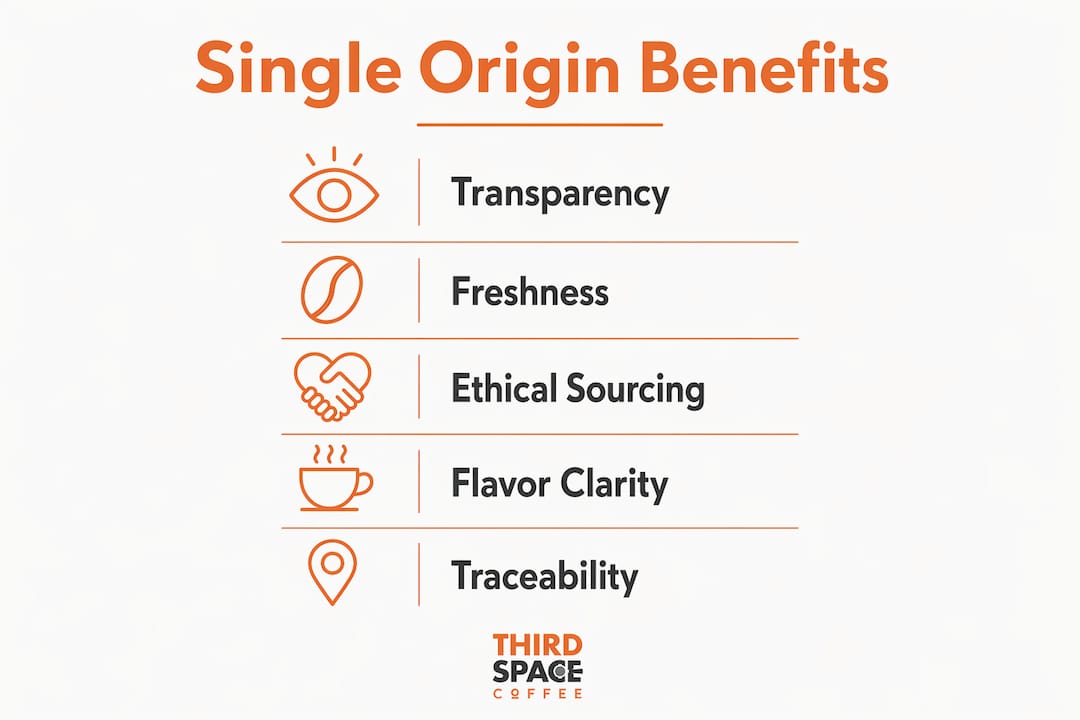
Freshness is a practical benefit that often goes unmentioned. Single origin lots are typically smaller and more recent than commodity blends. Roasters source them from specific harvests, which means the coffee you buy is often tied to a particular season's crop. Seasonal variation reflects weather and harvest cycles, unlike blends designed for year-round flavor consistency. That variation is a feature, not a flaw. It means your cup in march might taste different from your cup in october, and both are worth exploring.
Ethical sourcing is the third major benefit. Single origin coffees can foster direct relationships between growers and roasters. When a roaster knows exactly which farm produced their beans, they can negotiate directly, pay fairer prices, and support sustainable farming practices. This kind of responsible sourcing builds real accountability into the supply chain. It contrasts sharply with commodity blends, where beans from dozens of anonymous sources are combined to hit a price point.
Pro Tip: Check whether your roaster lists the farm name, harvest year, and processing method on the bag. Those three details signal genuine traceability rather than marketing language.
One honest caveat: "single origin" is not a quality guarantee. Roasters can label coffee as single origin even when it includes lower-grade lots from within a country. A well-crafted blend can score higher professionally than a poorly sourced single origin. The label tells you about provenance, not necessarily about cup quality.
How to choose and brew single origin coffee well
Choosing single origin coffee starts with knowing what you want from the cup. Single origin coffees offer a more expressive and educational tasting experience that reveals geography and processing impacts. Use that as your guide.
Follow these steps to select and brew single origin coffee effectively:
- Read the origin details. Look for a specific region, farm, or cooperative name. Country-only labels offer less flavor predictability.
- Check the roast date. Single origin coffee is best within four to eight weeks of roasting. Freshness dates matter more here than with blends.
- Match the origin to your flavor preference. Ethiopian coffees tend toward floral and fruity. Colombian coffees lean toward caramel and red fruit. Brazilian coffees often show chocolate and nuts. Use flavor notes on the bag as a starting point.
- Choose the right brewing method. Single origin coffees are more sensitive to brewing variables and best suited for pour-over, drip, or French press methods. These methods highlight clarity and nuance. Milk-based espresso drinks can mask the subtle flavors that make single origin coffee worth buying.
- Adjust your grind and water temperature. Lighter roasts need slightly hotter water, around 200–205°F, and a finer grind than you might use for darker blends.
- Taste it black first. Adding milk or sugar before tasting the coffee straight means you miss the terroir-driven notes entirely.
Blends aim for reliable, consistent flavors year-round, while single origin coffees celebrate fluctuating, unique terroir-driven profiles. Neither is objectively better. They serve different purposes. If you want the same cup every morning, a well-crafted blend is the right choice. If you want to taste a specific place and harvest, single origin is the answer. You can explore how coffee blends compare to single origin options in more detail if you want a side-by-side understanding.
Pro Tip: Buy single origin coffee as whole beans and grind just before brewing. Pre-ground coffee loses volatile aromatic compounds within minutes, which is exactly what makes single origin coffee worth drinking.
Key Takeaways
Single origin coffee delivers traceable, terroir-driven flavor that blends cannot replicate, but the term requires scrutiny because it carries no universal legal standard.
| Point | Details |
|---|---|
| Definition varies by specificity | "Single origin" can mean a country, region, farm, or micro-lot. More specific is more traceable. |
| Terroir drives flavor | Altitude, soil, climate, and processing method all shape the cup's taste directly. |
| No legal standard exists | Roasters can use the term loosely, so look for named farms and harvest details on the bag. |
| Best brewed light and simple | Pour-over, drip, or French press methods preserve the nuanced flavors that define single origin coffee. |
| Ethical sourcing is a real benefit | Direct farmer-roaster relationships support fairer pay and sustainable farming practices. |
Why single origin coffee changed how I think about what's in my cup
I used to treat coffee as a morning utility. Dark roast, splash of cream, done. Single origin coffee broke that habit in the best way possible.
The first time I brewed a natural-processed Ethiopian Yirgacheffe and tasted actual blueberry in the cup without adding anything, I realized I had been missing an entire dimension of what coffee can be. That moment is not unique to me. It happens to most people the first time they taste a well-sourced, properly brewed single origin coffee.
What I find most valuable about single origin coffee is not the prestige or the price. It is the accountability it creates. When a roaster can tell you the farm name, the harvest date, and the processing method, that information represents a real relationship somewhere in the supply chain. That relationship usually means the farmer was paid more fairly and the coffee was handled with more care.
I also want to be honest about the limits. The term "single origin" gets stretched. A bag labeled with just a country name tells you almost nothing useful. And a beautifully crafted blend from a skilled roaster can absolutely outperform a lazily sourced single origin. The label is a starting point, not a verdict.
My honest advice: treat single origin coffee as a tool for curiosity. Try an Ethiopian one month, a Guatemalan the next. Brew them the same way and notice what changes. That practice builds real coffee knowledge faster than any amount of reading.
— Tanya
Thirdspacecoffee's single origin whole bean coffees
Thirdspacecoffee roasts its whole bean coffees in-house at their Colorado Springs location, which means the beans you buy are fresh from the roaster, not sitting in a warehouse. Their selection includes single origin options sourced with traceability in mind, so you get the flavor clarity and ethical sourcing that make single origin coffee worth seeking out.

Whether you want to brew a clean pour-over at home or pick up a bag to explore a new origin, their whole bean coffee selection is a practical starting point. You can also order online for front-of-store pickup, which means fresh-roasted coffee without the wait. For something ready to drink, their specialty drinks menu showcases what single origin beans taste like in skilled hands.
FAQ
What is single origin coffee in simple terms?
Single origin coffee is coffee made from beans sourced from one specific geographic location, such as a country, region, or farm. That single source gives the coffee a distinct and traceable flavor profile.
Is single origin coffee better than blended coffee?
Single origin coffee is not objectively better. It offers unique, traceable flavors tied to a specific place, while blends prioritize consistency and balance. The better choice depends on what you want from your cup.
Why does single origin coffee taste different from blends?
Single origin coffee reflects the terroir of its source, including altitude, soil, climate, and processing method. Those environmental factors produce flavors that blends intentionally smooth out for consistency.
What brewing method works best for single origin coffee?
Pour-over, drip, and French press methods work best because they highlight the clarity and nuance of single origin flavors. Milk-based espresso drinks tend to mask the subtle terroir-driven notes.
Does "single origin" guarantee high-quality coffee?
No. The term has no universal legal definition, and roasters can apply it loosely. Look for named farms, harvest dates, and processing details on the bag to assess true quality and traceability.