
TL;DR:
- Micro-roasted coffee is produced in small batches under 150 pounds, ensuring precise control for optimal flavor and freshness. It emphasizes traceability, intentional profiles, and quick turnover from roaster to consumer, resulting in cleaner, more vibrant taste experiences. This approach is transforming the coffee market by making high-quality, small-batch coffee accessible and appealing to a broader audience.
Most people assume micro-roasted coffee just means "small batch." That's true on the surface, but it misses the point entirely. What is micro-roasted coffee, really? It's a precision-driven approach to roasting where batch size, heat application, and timing are controlled so tightly that every cup reflects a specific origin, a specific flavor goal, and a specific roaster's intent. If you've ever tasted a coffee that surprised you with its complexity, there's a good chance micro-roasting had something to do with it.
Table of Contents
- Key Takeaways
- What micro-roasted coffee actually is
- Benefits of micro-roasted coffee vs regular
- Micro-roasting techniques and roast profiles
- How to brew micro-roasted coffee well
- How micro-roasting is changing the coffee market
- My take: micro-roasting changes how you experience coffee
- Taste the difference at Thirdspacecoffee
- FAQ
Key Takeaways
| Point | Details |
|---|---|
| Small batches, big precision | Micro-roasting uses batches under 150 lbs to allow exact heat control and better flavor consistency. |
| Freshness is a real advantage | Smaller batches turn over faster, meaning you get coffee roasted days ago rather than months ago. |
| Roast level shapes everything | Light, medium, and dark roasts require different temperatures and brew methods to taste their best. |
| Brewing method must match roast | Adjusting grind size, temperature, and time to your roast level prevents flat or harsh cups. |
| Local roasters raise the bar | Shops like Thirdspacecoffee roast in-house, giving you traceability and flavor quality you can taste. |
What micro-roasted coffee actually is
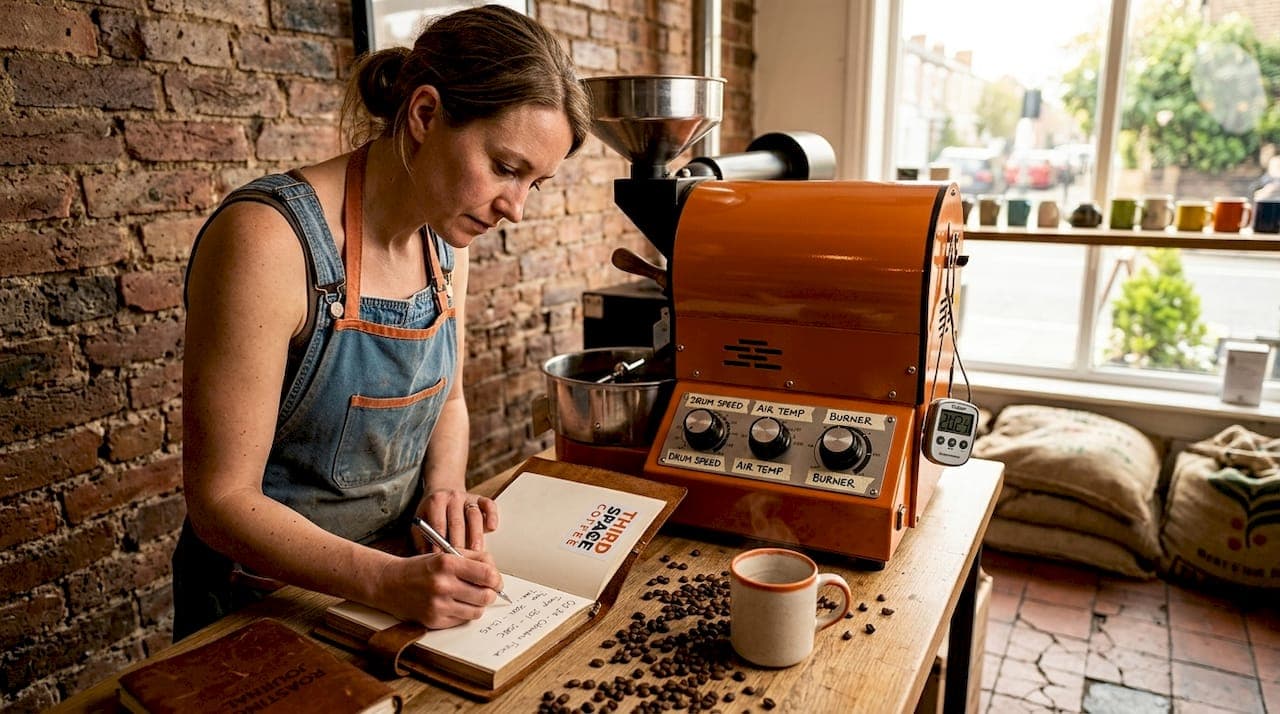
The term sounds niche, but the concept is straightforward. Micro-roasting refers to the practice of roasting coffee in small, carefully managed batches, typically using machines with a 5kg to 35kg capacity. These are not the industrial drum roasters pushing out thousands of pounds per hour. These are precisely dialed machines operated by people who pay close attention to every roast.
By keeping batches under 150 pounds, micro-roasters can monitor and adjust variables in real time. Temperature, airflow, drum speed, and development time are all within reach of the roaster's control. That level of attention is nearly impossible when you're roasting at commercial scale.
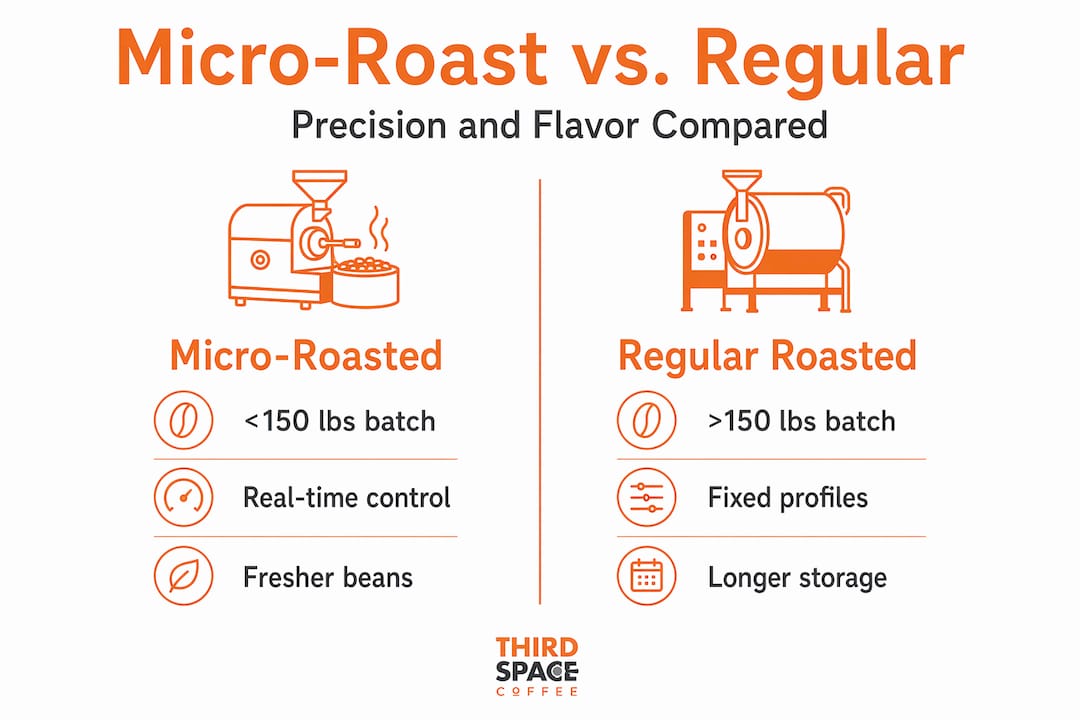
The benefits of this approach show up directly in your cup. Because fewer pounds of coffee are moving through the roaster at once, heat distributes more evenly, and the roaster can correct course quickly if something shifts. This is why micro-roasted coffee tends to taste cleaner and more defined than grocery store coffee roasted in bulk weeks before it reached the shelf.
Here's what separates a true micro-roaster from someone who just roasts small:
- Traceability. Micro-roasters typically know the farm, the lot, and the processing method behind every bag they sell.
- Intentional roast profiles. Each coffee gets a custom roasting curve rather than a generic setting.
- Quality control per batch. Every roast is cupped and evaluated before it's sold.
- Direct sourcing relationships. Many micro-roasters buy directly from producers, which improves both quality and transparency.
Pro Tip: When you buy from a micro-roaster, look for a roast date on the bag rather than just an expiration date. Coffee roasted within the last two to four weeks will taste dramatically more vibrant than older stock.
Benefits of micro-roasted coffee vs regular
This is where the comparison gets concrete. Regular commercial coffee is often roasted to a one-size-fits-all profile, then warehoused and distributed over weeks or months. The coffee you buy at a supermarket might have been roasted six months ago. Freshness is essentially a marketing claim at that scale.
Micro-roasted coffee flips that model. Smaller batch turnover means the coffee moves quickly from roaster to customer, often within days of roasting. That window matters because coffee's most nuanced flavors are volatile. They start fading shortly after roast, which is why freshness is not a luxury preference but a genuine quality factor.
Here are the core benefits worth knowing:
- Flavor consistency. Precise heat control means the roaster can repeat a successful profile batch after batch, so your favorite coffee tastes the same every time you order it.
- Single-origin clarity. Micro-roasters commonly source single-origin lots from specific farms or regions, which lets you taste the actual character of the coffee rather than a blended average.
- Greater freshness. Smaller inventory cycles mean coffee goes from roaster to your bag faster, preserving volatile aromatic compounds.
- Sustainability alignment. Buying from micro-roasters often supports direct trade relationships with small farms, reducing the number of middlemen and improving farmer compensation.
- Variety and exploration. Because micro-roasters work with smaller lots, they can offer rotating single origins and seasonal releases that large commercial brands simply cannot match.
"Micro-roasted coffee is not just a purchasing choice. It's a signal that someone paid close attention to every step between the farm and your cup."
If you want to understand coffee origins more deeply, knowing that your beans came from a traceable lot makes tasting much more rewarding.
Micro-roasting techniques and roast profiles
This is where the craft lives. A roaster's job is to move coffee through several distinct chemical phases, and the decisions made during each phase determine everything about the final flavor.
The three main phases of any roast are the drying phase, the Maillard reaction phase, and the development phase after the first crack. During drying, the roaster drives off moisture at controlled temperatures. During the Maillard phase, sugars and amino acids interact to create the brown color and many of the complex flavors. After first crack, the roaster makes time-sensitive decisions that define the final roast level.
| Roast Level | Temperature Range | Time Range | Flavor Characteristics |
|---|---|---|---|
| Light | 180°C to 205°C | 6 to 9 minutes | High acidity, floral and fruity notes, origin clarity |
| Medium | 210°C to 219°C | 7 to 11 minutes | Balanced sweetness and body, caramel undertones |
| Dark | 225°C to 245°C | 12 to 15 minutes | Bittersweet, low acidity, smoky and chocolatey depth |
These roasting temperature ranges aren't arbitrary. Each window creates a predictable flavor outcome. A light roast stopped early preserves the origin character of a high-altitude Ethiopian bean. A dark roast pushed past 230°C will overwhelm those delicate notes with roast-driven flavors.
What micro-roasters do exceptionally well is apply heat with intention. A skilled micro-roaster will ramp temperature aggressively in the drying phase, slow it during the Maillard window to build sweetness, and then make a deliberate call on when to drop the beans based on sensory cues and data logging.
Flavor profiles differ dramatically between roast levels. Light roasts tend toward brightness, with higher acidity and origin clarity. Medium roasts balance sweetness and body. Dark roasts shift toward bittersweet depth. Knowing which profile is in your bag is the first step to brewing it well.
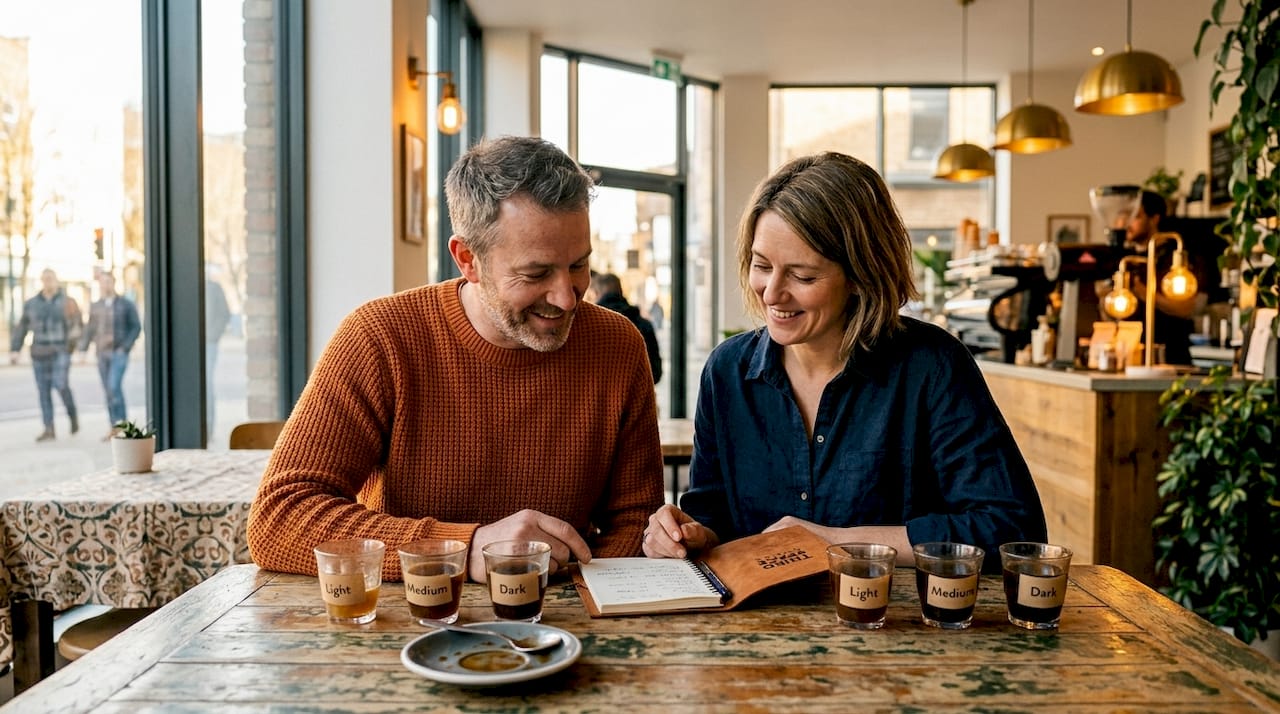
Pro Tip: Ask your roaster which roast level they recommend for a specific bean. A light roast Ethiopian and a dark roast Sumatra are not interchangeable and shouldn't be brewed the same way.
How to brew micro-roasted coffee well
Getting a great cup from micro-roasted beans is not complicated, but it does require matching your brewing approach to the roast profile. Generic brewing instructions ignore this, which is why many people underextract light roasts and overextract dark ones.
The principle is simple. Lighter roasts are denser and need more extraction energy. Darker roasts are more porous and extract quickly.
- Light roasts brew best at higher water temperatures, between 200°F and 205°F, with a finer grind and slightly longer contact time. Pour-over methods like a V60 or Chemex work beautifully here because they highlight clarity and brightness.
- Medium roasts are the most forgiving. A standard drip machine set to 195°F to 200°F with a medium grind will do the job well. Drip coffee setups that use quality filtration will preserve the balanced sweetness that defines this roast level.
- Dark roasts extract fast. Use slightly cooler water, around 190°F to 195°F, and a coarser grind than you think you need. French press and espresso both complement the bold, bittersweet character of a darker micro-roast. Cold brew made with dark micro-roasted beans produces a remarkably smooth, low-acid result.
The most common mistake home brewers make is grinding too coarse for light roasts. You'll get a sour, underdeveloped cup because the water didn't extract enough of the coffee's soluble material. If your light roast tastes thin and sharp rather than bright and sweet, go finer and hotter.
For home brewing guidance tailored to specialty beans, focusing on water quality, grind consistency, and bloom time will make the most noticeable difference. Filtered water and a burr grinder are the two upgrades that pay off most.
Matching brewing parameters to your specific roast level is not overthinking it. It's just respecting the work that went into roasting the coffee in the first place.
How micro-roasting is changing the coffee market
The shift has been building since the early 2010s, when accessible roasting equipment and specialty coffee culture grew together. Micro-roasting lowered the barrier to entry for small businesses wanting to roast their own coffee, which opened the market to independent cafés, boutique grocery stores, and dedicated roasteries that previously couldn't afford the equipment or expertise.
Here's how that shift is playing out right now:
- More cafés are investing in compact in-house roasters, giving them direct control over quality and a real differentiator against chain competitors.
- In-store roasting gives cafés control over supply chain costs and builds a stronger brand identity.
- Consumers are increasingly seeking out roast dates, origin stories, and smaller-batch offerings because they've tasted the difference.
- Micro-roasters are building loyal communities around their coffee, using rotating offerings and direct-to-consumer shipping to stay close to their customers.
- Technology improvements in small-batch roasters are making temperature profiling more accessible, which means even newer roasters can produce consistent results.
The net effect is a coffee market where quality is no longer the exclusive territory of expensive specialty cafés. A good micro-roaster in a mid-sized city can now match, or beat, the quality of coffee you'd find at world-class roasteries a decade ago.
My take: micro-roasting changes how you experience coffee
I've spent a lot of time around coffee, and the clearest shift I've noticed is that once someone tries a genuinely well micro-roasted cup, they start asking questions. Where is this from? What roast level is this? How was it brewed? That curiosity is the real gift micro-roasting gives you.
What I've seen most often is that people dismiss the difference as snobbery until they taste it back to back. A fresh, light micro-roasted Ethiopian next to a pre-ground grocery store coffee is not a subtle comparison. It's like comparing a ripe peach to a can of peach syrup. Both are technically peach, but only one tastes like the actual fruit.
The misconception I keep correcting is that micro-roasted coffee is fussy or only for enthusiasts. In my experience, it's actually more approachable because the flavor is cleaner. There's less bitterness from stale or over-roasted beans, which means people who think they don't like coffee often discover they just don't like bad coffee.
What I believe matters most for home brewers is this: buy fresh, match your brew to your roast, and pay attention. You don't need to become an expert. You just need to give the coffee a chance to show you what it is.
— Tanya
Taste the difference at Thirdspacecoffee

Thirdspacecoffee in Colorado Springs roasts whole bean coffee in-house, which means every bag reflects the same small-batch precision this article describes. You're not buying coffee that sat in a warehouse. You're buying something roasted with intention, matched to a specific flavor profile, and ready to brew the way it was meant to taste.
Whether you want to try their whole bean coffee for home brewing, explore their specialty drinks menu, or simply experience what freshly roasted coffee tastes like in a community-focused space, Thirdspacecoffee makes it easy. Online orders are available with front-of-store pickup, so you can get fresh-roasted beans without waiting. If you're in Colorado Springs and you care about what's in your cup, this is where to start.
FAQ
What is micro-roasted coffee, exactly?
Micro-roasted coffee is coffee roasted in small batches, typically under 150 pounds, using precisely controlled heat profiles designed to maximize flavor clarity and freshness. The focus is on quality control, traceability, and intentional roasting rather than high-volume output.
How does micro-roasted coffee differ from regular coffee?
Regular commercial coffee is often roasted in large quantities and can sit warehoused for months before reaching shelves. Micro-roasted coffee moves from roaster to consumer quickly, preserving volatile flavor compounds and offering greater freshness and flavor precision.
What roast level should I choose for my brewing method?
Light roasts work best with pour-over methods at higher temperatures. Medium roasts suit drip machines well. Dark roasts pair naturally with French press, espresso, or cold brew. Matching brew method to roast level prevents under or over extraction.
Is micro-roast coffee worth it for a beginner?
Yes. Micro-roasted coffee is often easier to enjoy for beginners because it's fresher and less bitter than mass-produced alternatives. The cleaner flavor profile makes it simpler to identify what you like and build preferences from there.
Where can I find the best micro-roasted coffee brands?
Look for local or regional roasters who print a roast date on their bags and source traceable single-origin lots. In Colorado Springs, Thirdspacecoffee roasts in-house and offers whole bean and brewed options that reflect genuine small-batch quality.