
TL;DR:
- Micro-lot coffee is a small, traceable batch, typically 5 to 100 bags, that reflects specific farm, plot, or harvest details. It offers enhanced flavor clarity and unique profiles through careful processing and isolation, often commanding higher prices. Sourcing micro-lots requires attention to detailed labeling, including farm name, harvest date, and cupping score.
Micro-lot coffee is defined as a small, intentionally separated batch of coffee, typically ranging from 5 to 100 bags of 70 kg each, traced to a specific farm, plot, or harvest event. The term comes from specialty coffee sourcing, where the Specialty Coffee Association (SCA) scoring system rewards exceptional lots with scores of 87 and above. These coffees command prices 2 to 5 times higher than commercial-grade coffee, and lots scoring 89 or above can fetch up to 10 times the commercial price at auction. That premium reflects the labor, infrastructure, and skill required to produce a batch this carefully. Thirdspacecoffee sources and roasts coffees at this level of quality, bringing that precision to Colorado Springs.
What is micro-lot coffee, and how does it differ from single-origin?
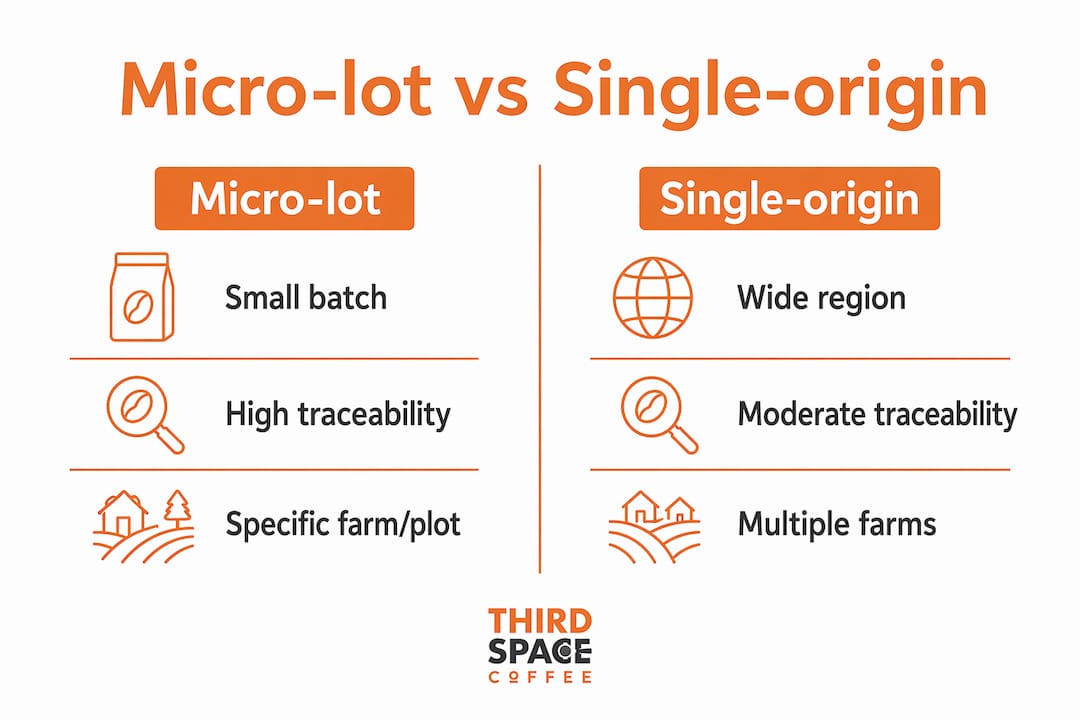
Single-origin coffee and micro-lot coffee are not the same thing. Single-origin simply means the coffee comes from one country or region. A micro-lot goes much further. It is separated by farm, plot, day, or process, meaning you can trace it to a specific section of a specific farm, harvested on a specific date.
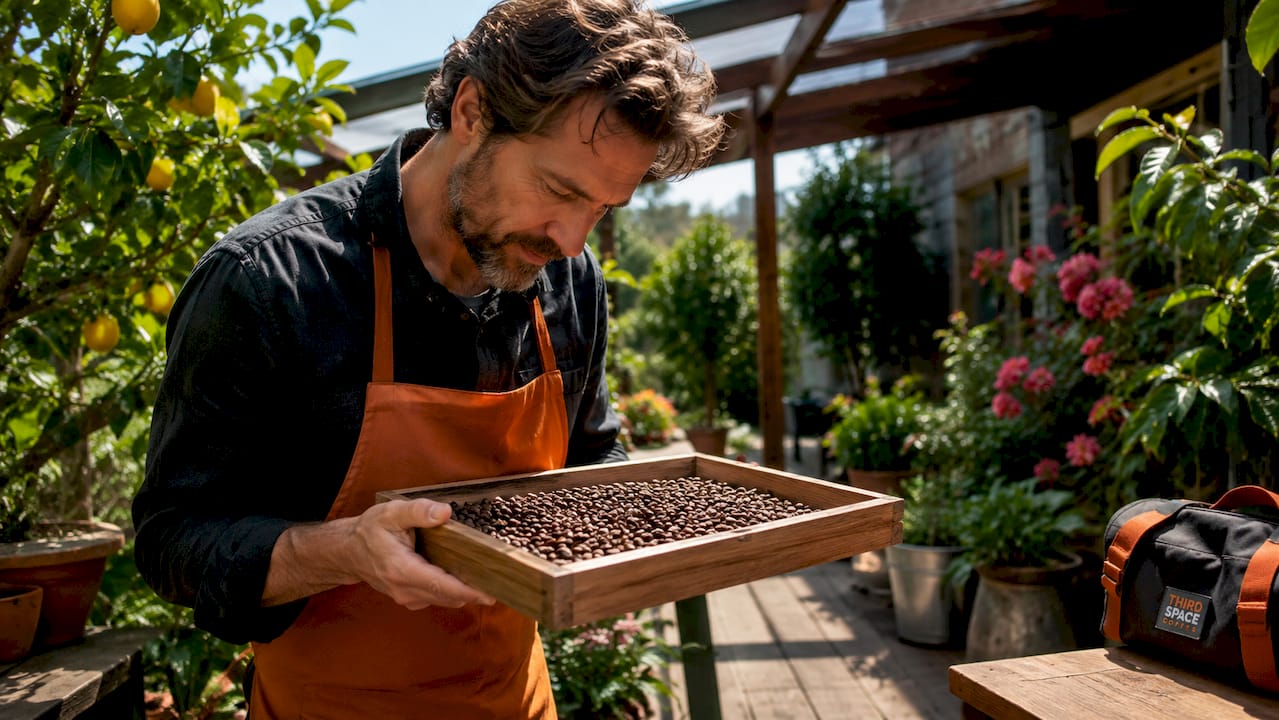
Think of it this way: a single-origin coffee from Ethiopia could include beans from dozens of farms across a wide region. A micro-lot from Ethiopia might come from one raised bed on one farm, picked on one morning in october. That level of separation is what makes micro-lots so distinct.
The table below shows how these three categories compare across the most important sourcing criteria.
| Category | Geographic scope | Traceability | Typical batch size |
|---|---|---|---|
| Commercial blend | Country or region | None | Thousands of bags |
| Single-origin | Country or region | Farm or cooperative | Hundreds of bags |
| Micro-lot | Farm, plot, or harvest event | Full traceability | 5–100 bags |
Pro Tip: When reading a coffee label, look for specific farm names, harvest dates, and processing methods. Those details signal a true micro-lot, not just a marketing claim.
The key distinction is traceability. A micro-lot gives the roaster and the consumer a complete story: who grew it, where, when, and how. That story is not just appealing. It is the foundation of quality accountability in specialty coffee.
How is micro-lot coffee produced and processed?
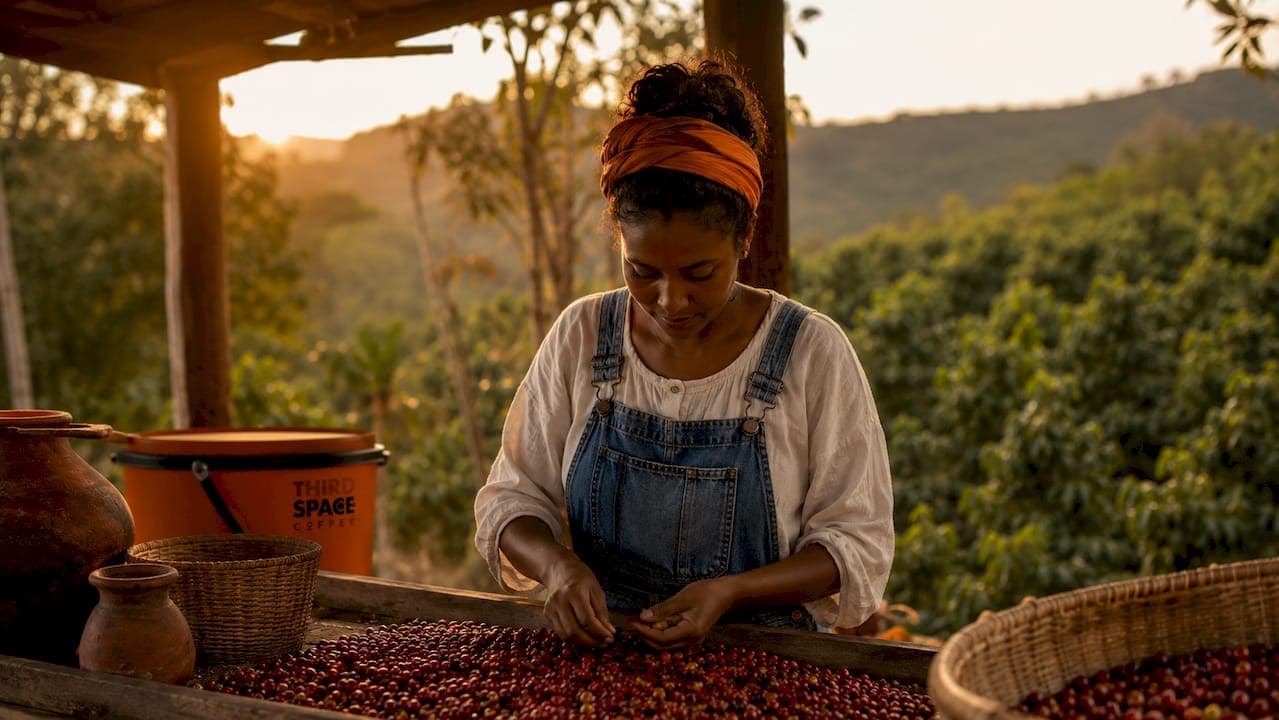
Micro-lot production requires dedicated infrastructure that most large farms do not use for their standard harvest. After selective hand-picking, the cherries from a specific plot are kept completely separate from the rest of the farm's harvest. They go into their own fermentation tanks and onto their own isolated drying beds to prevent any blending with lower-quality fruit.
The drying phase alone takes 10–21 days on raised beds, with workers monitoring the beans daily to hit a target moisture content of 10–12%. That moisture window matters because beans dried too fast crack and lose flavor complexity, while beans dried too slowly develop mold. Hitting that range consistently requires attention that bulk processing simply cannot provide.
The table below shows the key production parameters that define micro-lot processing.
| Production stage | Micro-lot standard | Why it matters |
|---|---|---|
| Picking | Selective hand-picking by ripeness | Removes underripe and overripe cherries |
| Fermentation | Separate tanks per lot | Prevents flavor contamination |
| Drying time | 10–21 days on raised beds | Develops flavor complexity |
| Moisture target | 10–12% | Ensures shelf stability and cup clarity |
| Batch size | 5–100 bags (70 kg each) | Maintains traceability and separation |
Pro Tip: Ask your roaster for the processing method on any micro-lot you buy. Natural, washed, and honey processes each produce dramatically different flavor results from the same farm.
The resource intensity of this process explains the price premium. A farmer cannot produce micro-lots at scale without significant additional labor and equipment. That cost is real, and it shows up in the cup.
What are the benefits and unique flavor characteristics of micro-lot coffee?
The core benefit of a micro-lot is flavor clarity. When you separate a small batch from a specific plot, you avoid blending average flavors that would dilute the best fruit. The result is a cup that expresses terroir, the combination of soil, altitude, climate, and variety, with far more precision than a blended lot ever could.
Understanding how terroir shapes your cup is the fastest way to appreciate why micro-lots taste so different from standard coffee. A washed micro-lot from a high-altitude Kenyan farm might deliver bright citrus acidity and black currant sweetness. A natural-processed micro-lot from the same region could taste like blueberry jam and dark chocolate. Same country, completely different cup.
Micro-lots also drive advanced fermentation techniques that large-lot production cannot support. Anaerobic fermentation and carbonic maceration, methods borrowed from winemaking, create flavor profiles that push specialty coffee into genuinely new territory. These experiments are only possible when you can isolate a small batch and monitor it closely.
Here are the key flavor and quality benefits that set micro-lots apart:
- Terroir expression. Small batch separation lets the soil, altitude, and microclimate of one plot come through clearly in the cup.
- Process experimentation. Anaerobic fermentation and carbonic maceration produce complex, fruit-forward flavors impossible to replicate at scale.
- Harvest precision. Picking from one plot on one day means every bean in the bag reached peak ripeness at the same time.
- Full traceability. Consumers know the farm, the farmer, the harvest date, and the processing method. That transparency builds consumer trust in a way no blended coffee can.
- SCA score accountability. Micro-lots are typically cupped and scored before sale, giving buyers an objective quality benchmark.
The flavor range in micro-lots is genuinely wider than in commercial coffee. You can find cups that taste like peach, jasmine, red wine, or dark chocolate, depending on the farm, variety, and process. That range is what keeps serious coffee enthusiasts coming back.
How can you source and appreciate micro-lot coffee?
Micro-lots are seasonal and fleeting. Unlike commercial coffee, which is available year-round from blended sources, micro-lot availability is limited by the size of the harvest and the speed at which roasters sell through their allocation. When a lot sells out, it is gone.
That scarcity changes how you shop for specialty coffee. The most practical approach is to buy from roasters who publish full traceability information: farm name, region, variety, harvest date, and processing method. If a bag lists only a country of origin, it is not a true micro-lot.
Here is what to look for when sourcing high-quality micro-lots:
- SCA cupping score. Lots scoring 87 or above qualify as specialty grade. Scores of 89 and above represent the top tier.
- Farm and plot identification. A named farm or specific plot confirms true separation, not just regional sourcing.
- Processing method. Washed, natural, honey, anaerobic, and carbonic maceration each signal different flavor directions.
- Harvest date. Freshness matters. Coffee is at its best within 6–12 months of the harvest date.
- Roast date. Buy from roasters who print the roast date, not just a "best by" date.
The specialty coffee world is also seeing the rise of nano and pico lots, which describe batches under 50 kg. These represent even more experimental and focused selections, often from a single tree variety or a single fermentation experiment. They are rare, expensive, and genuinely exciting for enthusiasts who want to push their palate further.
Understanding local coffee sourcing also helps you identify roasters who take traceability seriously. Roasters who build direct relationships with farms are far more likely to offer genuine micro-lots than those who buy through commodity brokers.
One important caveat: the term "micro-lot" is not standardized across the industry. Each producer defines it differently. The micro-lot label alone does not guarantee quality. Cup quality depends on farmer skill, roaster expertise, and post-harvest decisions, not just batch size. Ask questions, read the label carefully, and taste widely.
Pro Tip: Try the same farm's micro-lot across two different processing methods side by side. The contrast reveals how much process shapes flavor, independent of origin.
Key Takeaways
Micro-lot coffee delivers exceptional flavor clarity and traceability because small, separated batches preserve the distinct character of a specific farm, plot, and harvest event.
| Point | Details |
|---|---|
| Definition and size | A micro-lot is 5–100 bags (70 kg each), separated by farm, plot, or harvest date. |
| Price premium | Lots scoring 87+ on the SCA scale fetch 2–5 times commercial price; 89+ can reach 10 times. |
| Processing standard | Drying takes 10–21 days on raised beds to hit a 10–12% moisture target. |
| Flavor benefit | Separation avoids blending average flavors, letting terroir and process shine clearly. |
| Sourcing advice | Look for farm name, SCA score, harvest date, and processing method on the label. |
Why the micro-lot label deserves more scrutiny than it gets
I have tasted a lot of coffees labeled "micro-lot" over the years, and the honest truth is that the term has become a marketing shortcut for some roasters. The label signals prestige, and prestige sells. But the cup does not always back it up.
The most memorable micro-lots I have had shared one thing: a roaster who could tell me exactly where the coffee came from, who processed it, and why they chose that specific lot over others from the same farm. That level of detail is not just storytelling. It is evidence that someone paid attention at every step.
What I find most interesting is that micro-lot coffee is fundamentally a logistical decision before it is a quality claim. The farmer chose to separate this batch. The roaster chose to source it. Those choices create the conditions for quality, but they do not guarantee it. A poorly roasted 89-point micro-lot will taste worse than a well-roasted 85-point lot. Skill still wins.
My advice to any enthusiast is to treat the micro-lot label as a starting point, not a conclusion. Use it to find coffees worth investigating, then let your palate decide. Developing your ability to read coffee profiles is the single best investment you can make as a coffee drinker. The more you taste, the better your instincts become.
— Tanya
Micro-lot coffees worth trying at Thirdspacecoffee
Thirdspacecoffee roasts its whole bean coffees in-house in Colorado Springs, with a focus on quality and traceability that aligns with everything a serious coffee enthusiast looks for in a specialty lot.

Whether you prefer a bright, fruit-forward cup or a rich, chocolatey profile, the whole bean coffee selection at Thirdspacecoffee gives you a direct way to taste the difference that careful sourcing makes. For those who want to experience specialty-grade coffee in a prepared drink, the specialty drinks menu brings those same high-quality beans into expertly crafted cups. Online orders are available for front-of-store pickup, so you can plan your next coffee experience before you arrive.
FAQ
What is the standard size of a micro-lot?
A micro-lot typically contains 5–100 bags, with each bag weighing 70 kg. Batches smaller than 50 kg are increasingly called nano or pico lots.
Does micro-lot coffee always taste better than regular coffee?
Not automatically. The micro-lot label signals traceability and small-batch separation, but cup quality still depends on farmer skill and roaster expertise.
What SCA score qualifies a coffee as specialty grade?
The Specialty Coffee Association defines specialty grade as 80 points or above on its 100-point scale. Micro-lots typically score 87 or higher to justify their premium pricing.
How do I know if a coffee is a true micro-lot?
Look for a named farm or plot, a specific harvest date, a processing method, and an SCA cupping score on the label. Generic country-of-origin labeling alone does not confirm micro-lot status.
What are nano and pico lots?
Nano and pico lots describe batches under 50 kg, representing even smaller and more experimental selections than standard micro-lots. They are rare and typically produced for direct trade or auction buyers.